





 Portuguese
  English
  Spanish
  6 min of reading
  1 comment


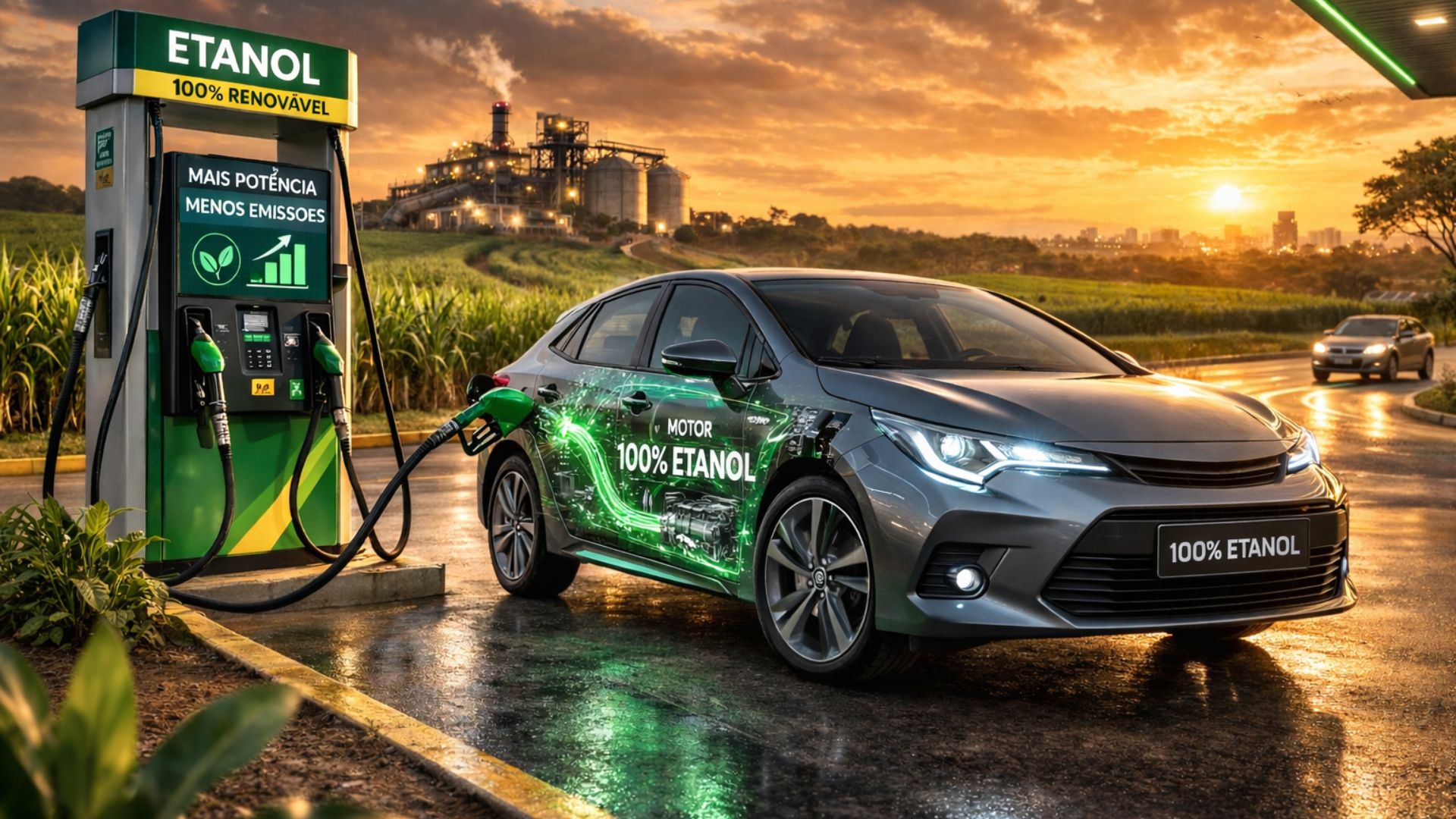


Understand Why Ethanol, Even Associated With Lower Environmental Impact and High Technical Performance, Still Has Not Led Manufacturers to Invest Again in Exclusive Engines in Brazil.
The ethanol is widely recognized as a renewable fuel with lower environmental impact when compared to gasoline. In Brazil, sugarcane ethanol is pointed out by studies from the Brazilian Agricultural Research Corporation (Embrapa) and the Energy Research Company (EPE) as capable of significantly reducing greenhouse gas emissions over its life cycle, compared to fossil fuels.
According to an article published by Olhar Digital on March 1, in addition to the environmental advantage, ethanol has high octane levels. This allows for a higher compression ratio in the engine and, consequently, a potential gain in thermal efficiency when the design is dedicated exclusively to this fuel. In theory, exclusive engines could better exploit these characteristics than the current flex systems.
Even so, the Brazilian automotive industry has consolidated another technological choice. Since 2003, flex vehicles have dominated the market, offering freedom of fuel choice and reducing risks to consumers. The question remains relevant: if ethanol is cleaner and can be more efficient, why is there no renewed investment in exclusive engines?
-
Brazil accelerates hydrogen and biofuel projects to consolidate the fuel of the future and reduce dependence on oil by 2026.

-
CNPE strengthens policy and prevents imported biodiesel from being mixed with diesel, aiming to strengthen the Brazilian industry and protect jobs by reducing external dependence amid tensions in the global market.
-
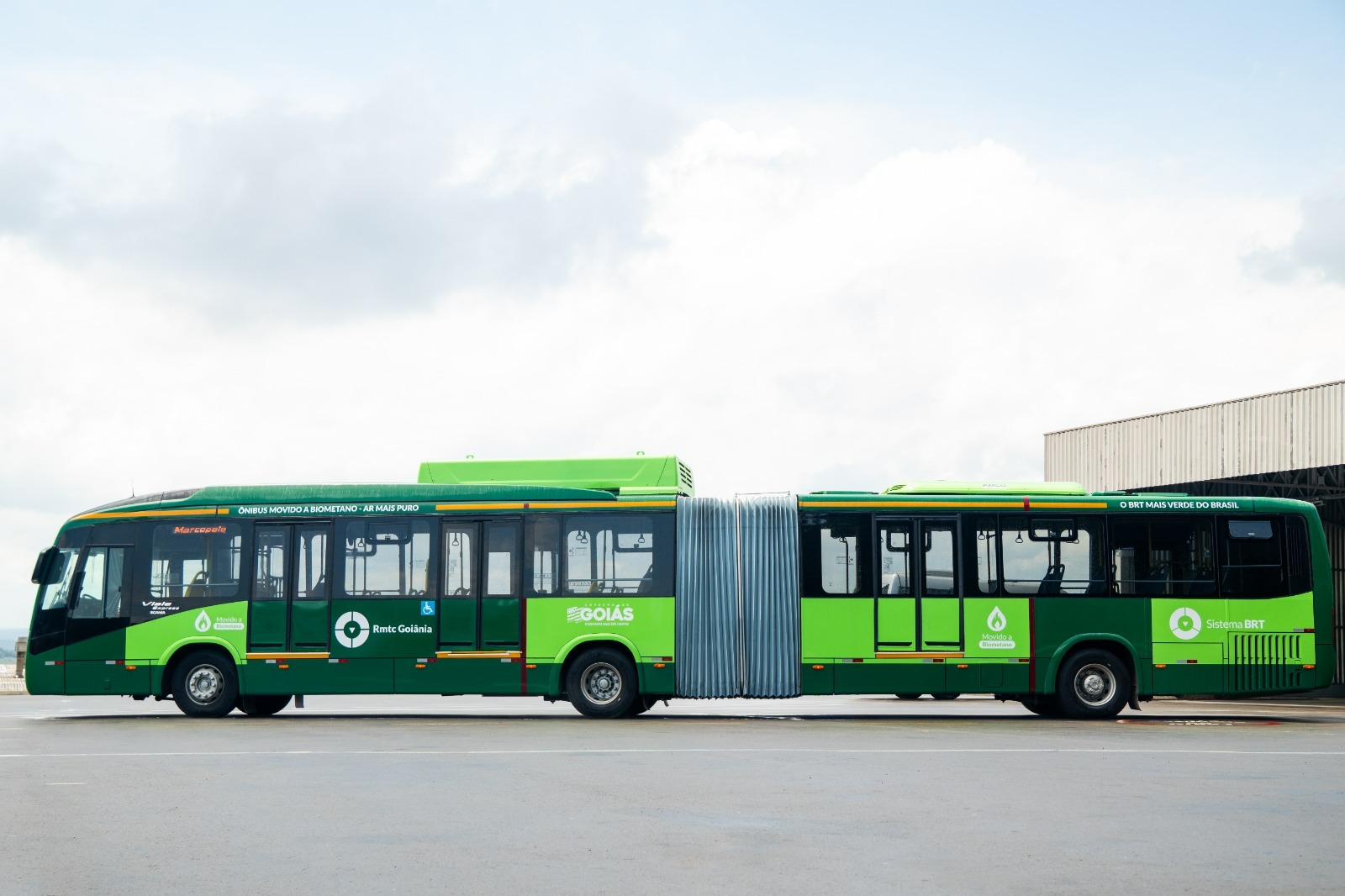
Revolution in public transport: Goiânia puts into circulation the first articulated buses powered by biomethane in Brazil and promises to drastically reduce pollution on the Anhanguera Corridor.
-
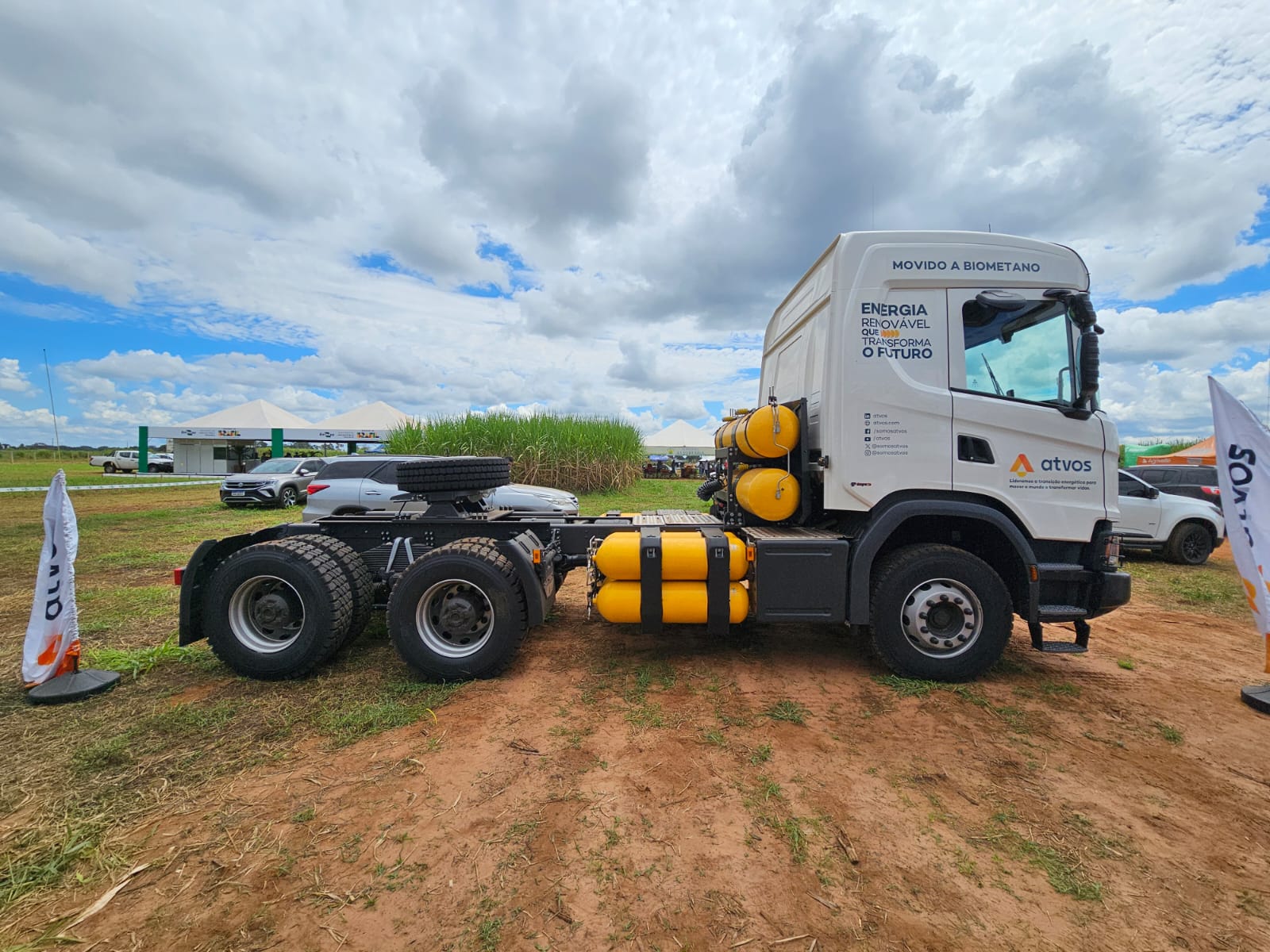
From the field to the pipelines: Mato Grosso do Sul accelerates the energy transition and consolidates a new axis in renewable energy with the arrival of a giant biogas plant.

The Energy Difference That Weighs on the Manufacturers’ Decision
One of the main obstacles lies in energy density. Ethanol has a lower energy content per liter compared to gasoline. In practice, vehicles tend to consume about 30% more ethanol to cover the same distance as a car running solely on gasoline.
This difference directly impacts range. Twenty liters of gasoline allow the car to cover a significantly greater distance than 20 liters of ethanol. To compensate for this characteristic, a 100% ethanol vehicle would need a larger tank, which would imply structural adjustments and increased weight.
Even if exclusive engines could be designed to minimize some of this loss, the perception of lower range still strongly influences consumers. For manufacturers, who work with tight margins and high production volumes, any factor that reduces commercial competitiveness tends to be avoided.
Freedom of Choice and the Success of Flex Systems in Brazil
Flex vehicles emerged in 2003 and quickly conquered the market. Manufacturers such as Volkswagen do Brasil and Fiat Automóveis led the introduction of this technology on a large scale.
The big differentiator was the freedom of choice. The driver can refuel with ethanol, gasoline, or any proportion between the two, according to price and availability. This model reduced the risk of running out of fuel and increased the perceived value of the vehicle.
If gasoline prices rise, consumers opt for ethanol. If ethanol becomes expensive, they switch to gasoline. This flexibility virtually eliminates exclusive dependence on one fuel. For manufacturers, this means lower commercial risk and greater market acceptance. In this context, exclusive engines lost attractiveness, even offering the potential for lower environmental impact.


Lower Environmental Impact Versus Price Volatility
Although ethanol has lower environmental impact, the average consumer tends to prioritize cost per kilometer traveled. The traditional reference in the Brazilian market indicates that ethanol is financially viable when it costs up to 70% of the price of gasoline, due to the difference in consumption.
According to data from the National Petroleum, Natural Gas and Biofuels Agency (ANP), this ratio varies by state and throughout the year. In off-season periods or when the price of sugar rises on the international market, ethanol can lose competitiveness.
Price volatility directly affects the decision-making of manufacturers. Investing in exclusive engines would require trusting in a stability that the agricultural commodities market does not guarantee. The flex technology, in turn, protects consumers and manufacturers against sudden fluctuations.
Cold Start and Technological Evolution of Ethanol
Another historically relevant point was the difficulty of cold starts in vehicles powered exclusively by ethanol. At lower temperatures, the fuel evaporates less easily to initiate combustion, which creates ignition difficulties.
In the 1980s and 1990s, many models used an auxiliary gasoline reservoir to facilitate starting. With the advancement of electronic fuel injection and pre-heating systems, this problem has practically been resolved in modern flex vehicles.
Even with technological advancements, consumers still carry the memory of the association between exclusive engines running on ethanol and operational difficulties. This perception influences purchasing decisions and reinforces the preference for hybrid or flexible solutions.
The Trauma of Proálcool and the Breach of Trust in Ethanol
The National Alcohol Program, known as Proálcool, was created in 1975 to reduce dependence on imported oil and strengthen national sugarcane production. The impact was significant.
In the mid-1980s, over 90% of new cars sold in Brazil were powered by ethanol. The country became a global reference in biofuels, consolidating the image of ethanol as a strategic solution.
However, the rise in international sugar prices made ethanol production less attractive for mills. There were shortages at gas stations, long lines, and consumers with vehicles stalled due to lack of fuel.
This episode created a lasting breach of trust. When flex technology emerged in 2003, it was seen as a definitive solution to prevent renewed dependence on a single fuel. Historical experience still weighs heavily on the resistance to exclusive engines.
Industrial Strategy of Manufacturers in the Face of Energy Transition
Manufacturers operate within a global landscape of transformation. Beyond the discussion of ethanol and gasoline, there is a strong advance in hybrid and electric vehicles. In this context, directing resources to develop new exclusive engines may not be a strategic priority.
Brazil has an energy matrix with a significant share of renewable sources. According to the Energy Research Company, over 45% of the national energy matrix is composed of renewable sources. Ethanol plays a central role in this result.
Some manufacturers have already invested in hybrid flex vehicles that combine electrification with ethanol, enhancing the lower environmental impact without giving up flexibility. This solution can be considered more aligned with global decarbonization goals. Thus, the industry prefers to evolve the flex concept and integrate new technologies rather than return to exclusive engines.
Exclusive Ethanol Engines Still Have Space in the Future?
From a technical standpoint, yes. A dedicated project could leverage the high octane of ethanol to operate with a higher compression ratio, extract better performance, and reduce emissions. In an ideal scenario of price stability and ample supply, exclusive engines could be competitive.
However, the decision does not depend solely on engineering. It involves consumer confidence, economic predictability, and the strategy of manufacturers. Historical experience, market volatility, and the consolidation of the flex system have created a significant barrier to the large-scale return of 100% ethanol vehicles.
As long as consumers value freedom of choice and security against market fluctuations, the flex model will remain dominant. Ethanol remains essential for emission reduction in Brazil, but it is unlikely to replace flex systems as the market standard in the short term.
The debate, therefore, is not just technological. It involves economics, behavior, and energy policy. Understanding these factors helps to grasp why a fuel with lower environmental impact has not yet dominated exclusive engines, even presenting significant technical potential.









Eu tive um Gol zero a alcool em 1981, foi o pior carro da minha vida, quebrava tanto que o reboque do Touring Clube, o motorista me tratava como amigo. Tinha 2 carburadores, um no carro e outro em casa dentro da gasolina, semanalmente eram trocados, o acelerador tinha uma corda para puxar para cima, seu pé apertava o pedal e a corda soltava a aceleração. Tinha um secador de cabelo para aquecer o carburador e o carro pegar pela manhã e se chovia eu não saia de casa pois o carro desligava e tinha que chamar o guincho. Só vejo vantagem no carro 100% a alcool.
Foi o meu famoso VW GOL CONTRA