





 Portuguese
  English
  Spanish
  4 min of reading
  5 comments


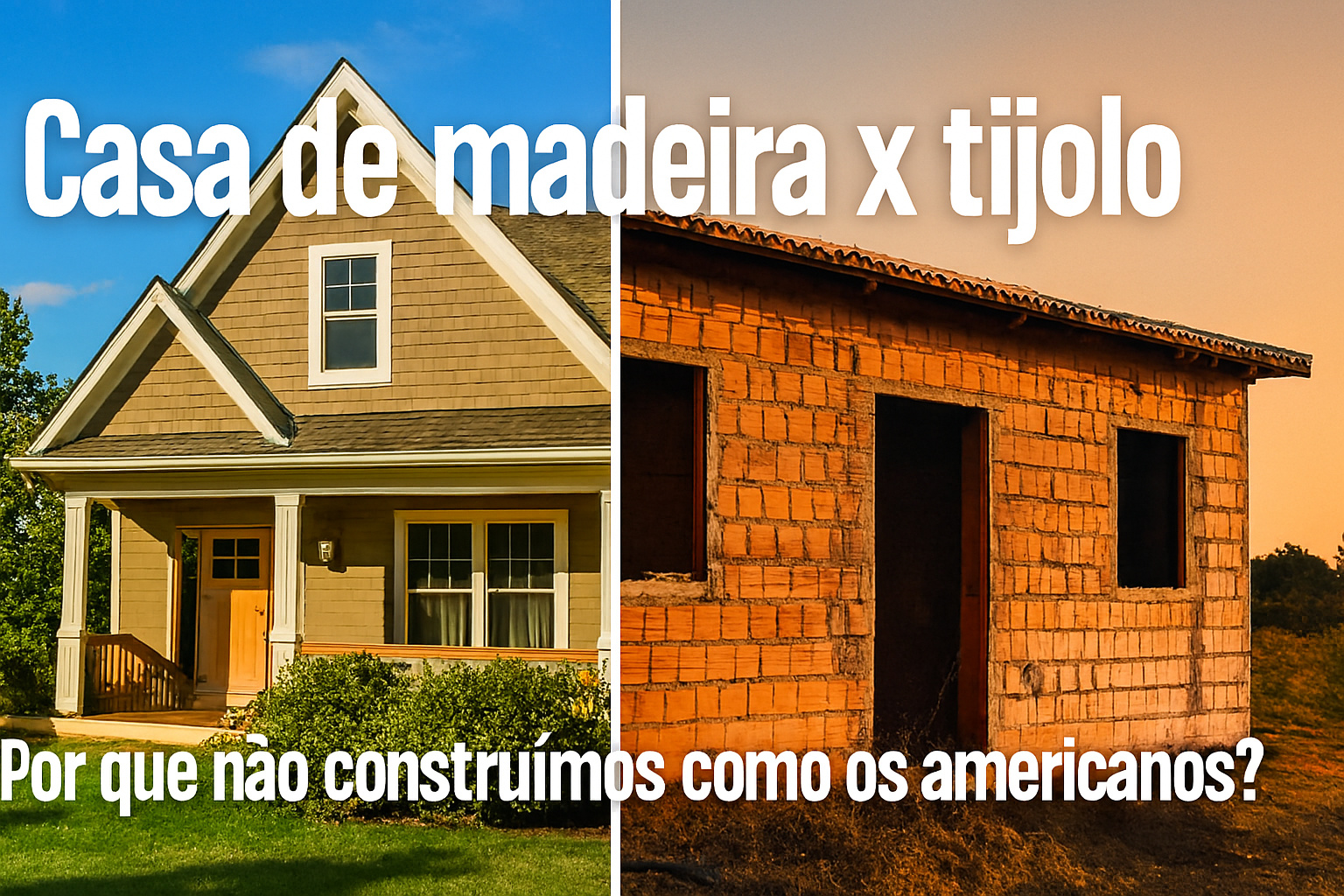


Why Are Wooden Houses More Common in the US? Understand the Predominance of Masonry in Brazil: Discover Why Wooden Houses Are More Common in the US and Why Masonry Predominates in Brazil. Historical and Geographical Factors Influence These Choices.
Wooden Houses in the US: Understand the Difference Compared to Brazil – You may have noticed the construction pattern of houses in the United States, often portrayed in movies and series as being made of wood. These constructions contrast with the masonry houses common in Brazil. But why are wooden houses more common in the US while masonry predominates in Brazil? In this article, we will explore the historical, geographical, and cultural factors that influence these choices.
In the US, the abundance of wood and the speed of construction are factors that have historically favored the use of this material. In Brazil, the availability of materials such as bricks and concrete, along with climatic and cultural issues, have made masonry the predominant choice. Keep reading to understand the reasons behind these differences and how they have shaped building styles in each country.
Understand Why Wooden Houses Are More Common in the US
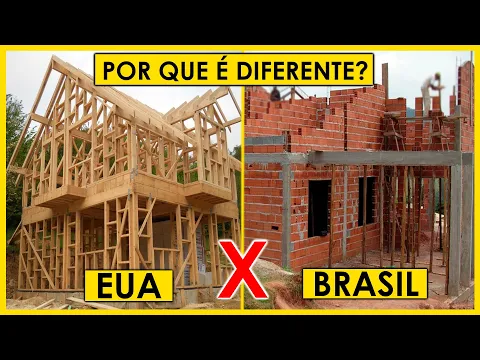

In the United States, there is an abundance of high-quality wood, especially in regions like the northwest, where vast pine forests predominate. This reveals why wooden houses are more common in the US, as it is easily accessible and relatively inexpensive.
-
He started running at 66 years old, broke records at 82, and is now a subject of study for having a metabolic age comparable to that of a 20-year-old, in a case that is intriguing scientists and inspiring the world.

-
Oldest tree on the planet reappears after 130 years of searches: Wattieza, 385 million years old, was 10 meters tall and had no leaves or seeds; Gilboa fossils in New York solved the mystery in 2007.

-
A 48-square-meter house assembled in hours with 4,000 bricks made of recycled plastic that does not absorb moisture, has natural thermal insulation, and costs less than 90,000 reais in a complete kit.

-
Luciano Hang revealed that Havan’s air fleet has already accumulated more than 20,000 landings, 10,000 flight hours, and 6 million kilometers traveled, and he says that without the planes, the company would never have grown so quickly.


In Brazil, on the other hand, although there are extensive forest areas, the historical focus has primarily been on wood extraction for other purposes, such as paper and pulp production. Additionally, masonry houses are more common in Brazil due to the availability of materials such as bricks, mortar, and cement.
Climatic conditions also play an important role in the choice of construction materials. In the United States, especially in areas with harsh winters, wood is preferred for its thermal insulation capabilities, helping to keep homes warm.
Wooden houses in the US are flexible enough to expand and contract with temperature changes, which can be an important consideration in climates with large seasonal variations. In Brazil, where many regions have a warmer climate year-round, masonry may be preferred for its ability to retain heat during the day and gradually release it at night, keeping the interiors cooler.
Cultural Traditions Also Influence Owners During Construction
Cultural traditions and construction practices also influence material choices and reveal why wooden houses are more common in the US. In the United States, especially in areas where European colonization had a significant influence, such as New England, the tradition of wooden construction has been established since the early settlements.
In Brazil, the Portuguese influence and, later, migration from other regions of Europe brought with them masonry techniques that became predominant in civil construction. The availability of technology and construction techniques also plays a significant role in understanding why there are masonry houses in Brazil and wooden houses in the US.
In the United States, wooden construction is highly developed, with advanced cutting, treatment, and assembly techniques, making wooden construction a viable and effective option.
In Brazil, although masonry is predominant, there are also significant advances in wooden construction techniques, but these may not be as widely adopted due to tradition and material availability.
Which House Construction Model Is More Financially Accessible?
Determining which type of construction is cheaper, whether in wood, as in the United States, or in masonry, as in Brazil, depends on a variety of factors beyond the initial cost of materials. In general, wood tends to be cheaper than masonry materials, such as bricks, cement, and mortar. Therefore, wooden construction may be more economical at the time of building.
The cost of labor can vary depending on the region and the availability of skilled workers. In some areas, it may be cheaper to build with wood due to the simplicity of construction techniques and the availability of workers familiar with them.
However, in other regions, where masonry is more common, there may be an abundance of skilled masonry workers, making this type of construction more economical. Another point is that wooden houses in the US may require more maintenance over time than masonry.
Masonry, on the other hand, is generally more durable and requires less maintenance. Wood may be less efficient in terms of thermal insulation than masonry, especially in climates with extreme temperatures.
Therefore, cooling costs may be higher in a wooden house, which can increase operational costs over time. In terms of durability, masonry typically tends to be more durable than wood, especially when built with bricks or concrete blocks.








Estou construindo uma casa de madeira. Foi minha escolha .. Porque trabalho com reciclagem e tenho uma maneira diferente de ver o mundo… Coletei dados e analisei que se eu comprasse madeira que foi cultivada de forma responsável, este seria um recurso renovável pois ela seria replantada
Vi que a madeira seria um isolante natural de calor, ou seja, no calor ela refresca e no frio ela retém calor, isso diminui o consumo de energia por menos uso do ar condicionado e do aquecedor
Vi que durante a construção o gasto de água é quase zero.
Vi que a madeira absorve e retém o CO2 da atmosfera, que ajuda na mitigação das mudanças climáticas
Vi também que a fabricação do cimento libera grandes quantidades de CO2 pois para produzir cimento é necessário clinquer e uma tonelada de clinquer pode emitir uma tonelada de CO2, além de emitir a liberação de outros poluentes atmosféricos como óxido de enxofre, óxido e de nitrogênio e monóxido de carbono
Para se extrair calcário e argila também acontece desmatamento e erosão é isso não se faz de maneira sustentável como a madeira por exemplo, além de causar danos aos cursos de água .
O descarte irregular do cimento contamina o solo pois infiltra nas águas subterrâneas, o entulho atrai pragas …
Sem contar na poluição do ar pois a poeira do cimento causa irritação e problemas respiratórios…Vcs já viram perto de uma fábrica de cimento q tristeza que é. … só poeira
Eu vi também que a durabilidade d madeira é menor mas tendo os cuidados necessários tudo dura…nem uma casa de alvenaria é para sempre…quem dirá de nós seres humanos….com vida tão pouca para fazer tanto estrago na natureza …
Por esses motivos e muitos outros escolhi fazer minha parte e construir uma casa de madeira…simples assim…
Um abraço à todos
Construimos sim, no nordeste até hoje existem muitas moradias de ” **** a pique ” ou” taipa” o problema é que novas gerações não querem morar numa ” casa de barro”.
Divinópolis, MG, 11 de novembro de 2025.
e nessa construção de casas de madeira vão-se embora as florestas, as matas, os rios, as fontes naturais de sobrevivência humana Verde, a fotossíntese e a clorofila. No Brasil o desmatamento desmedido para fins da pecuária e a dilapidação do verde em busca de **** é outro grande destruidor de florestas; imagina então se se fizessem casas com madeira – falta de bom senso!
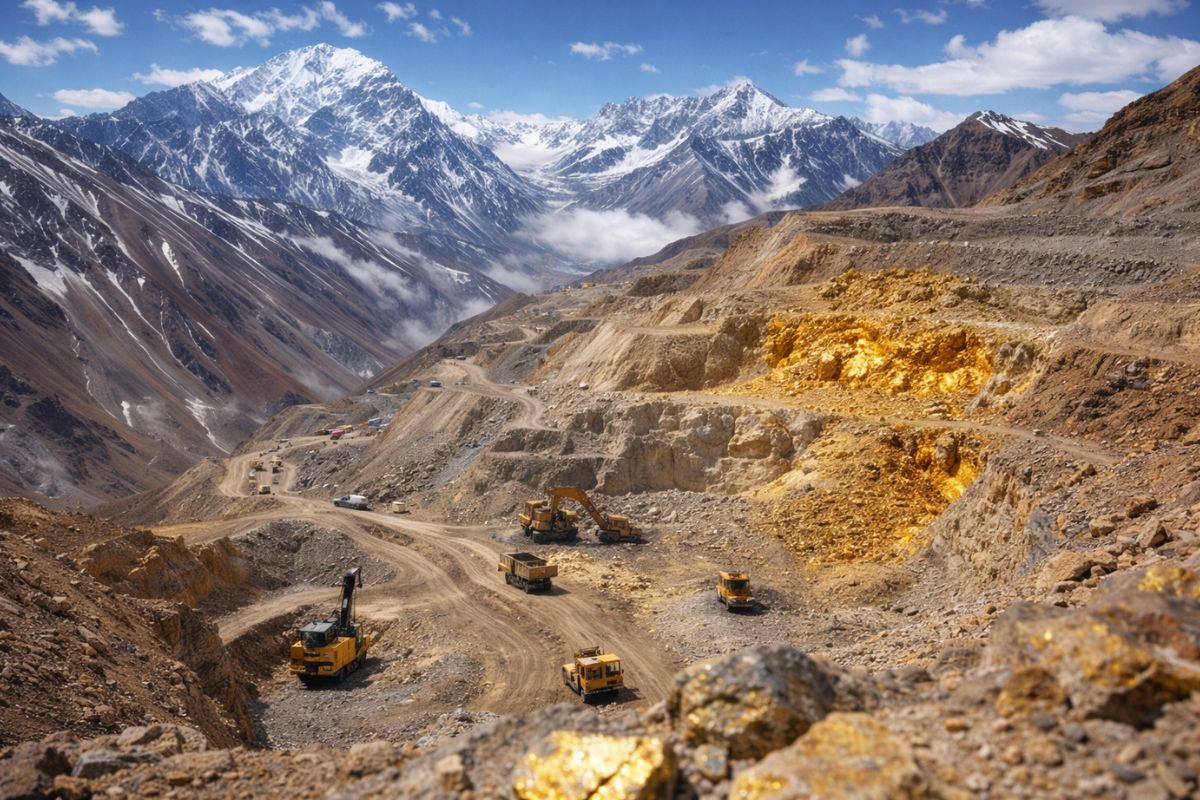
e nessa construção de casas de madeira vão-se embora as florestas, as matas, os rios, as fontes naturais de sobrevivência humana Verde, a fotossíntese e a clorofila. No Brasil o desmatamento desmedido para fins da pecuária e a dilapidação do verde em busca de minério é outro grande destruidor de florestas; imagina então se se fizessem casas com madeira – falta de bom senso!