





 Portuguese
  English
  Spanish
  5 min of reading
  2 comments


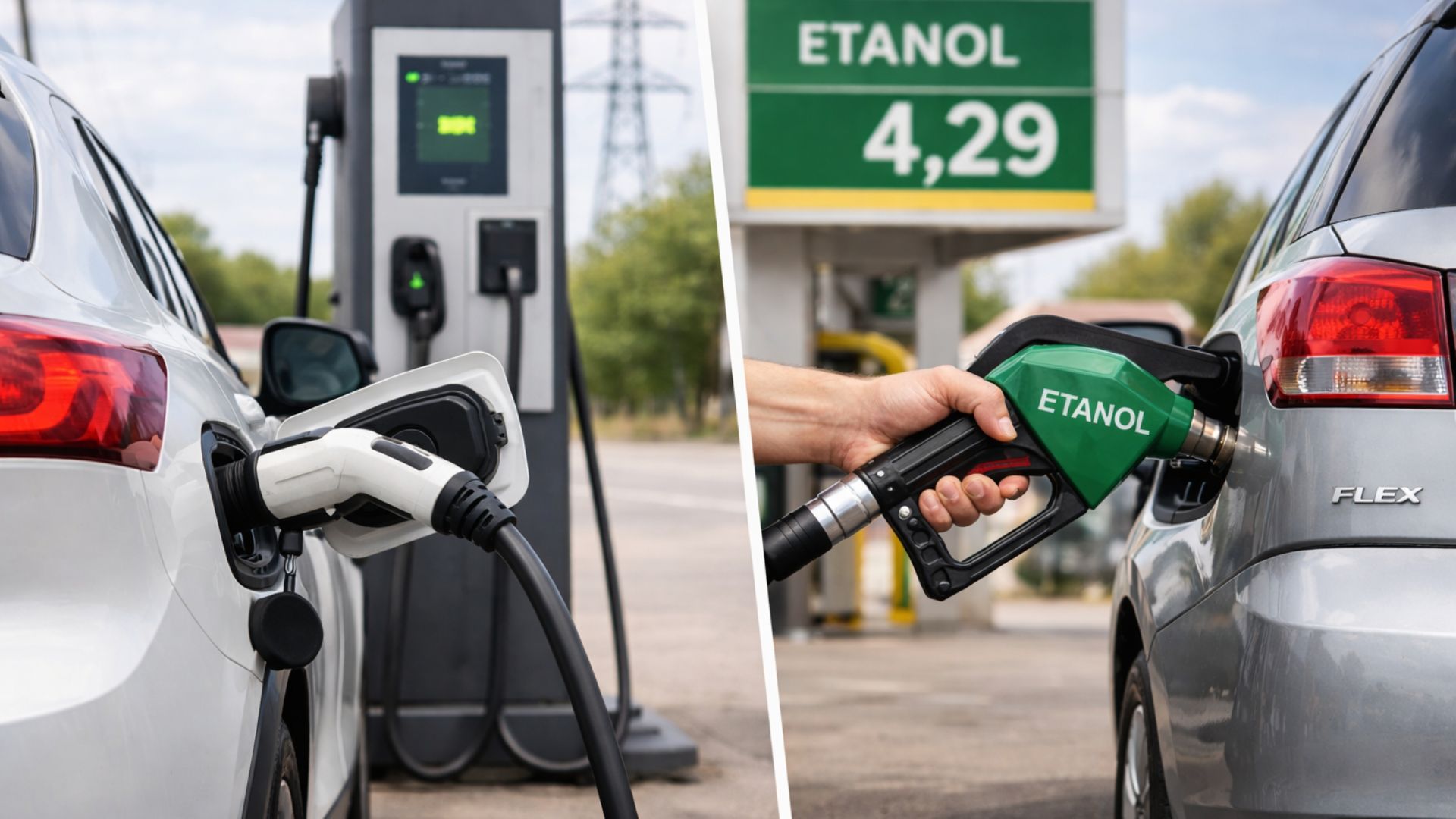


Brazil Built Its Mobility On Ethanol And Flex-Fuel Vehicles, But Recent Studies Show The Limits Of Biofuels In Total Emission Reduction. Understand Why The Energy Transition Requires Electrification, New Investments, And Structural Changes In Transport.
The debate about the future of mobility and the energy transition in Brazil gains new contours after the release of a recent report by the international organization Carbon Tracker. According to an article published by Inside EVs on January 24, the study points out that, although ethanol and flex-fuel vehicles have played a decisive role in reducing emissions and national energy security, biofuels are not sufficient on their own to lead the country to a transportation system compatible with global climate targets and carbon neutrality in the coming decades.
Why Ethanol And Flex-Fuel Vehicles Cannot Sustain The Energy Transition In Brazil On Their Own
Ethanol was essential in the past, but it does not solve the future of mobility. This is the main message of Carbon Tracker’s report. According to the study, the Brazilian model based on biofuels has reached a maturity point that limits its capacity to respond to the structural challenges of the energy transition in Brazil, especially in light of the accelerated electrification observed in major global markets.
Despite its historical relevance, insisting on ethanol and flex-fuel vehicles as a definitive solution may delay the adoption of technologies with greater absolute emission reduction potential, such as battery electric vehicles.
-
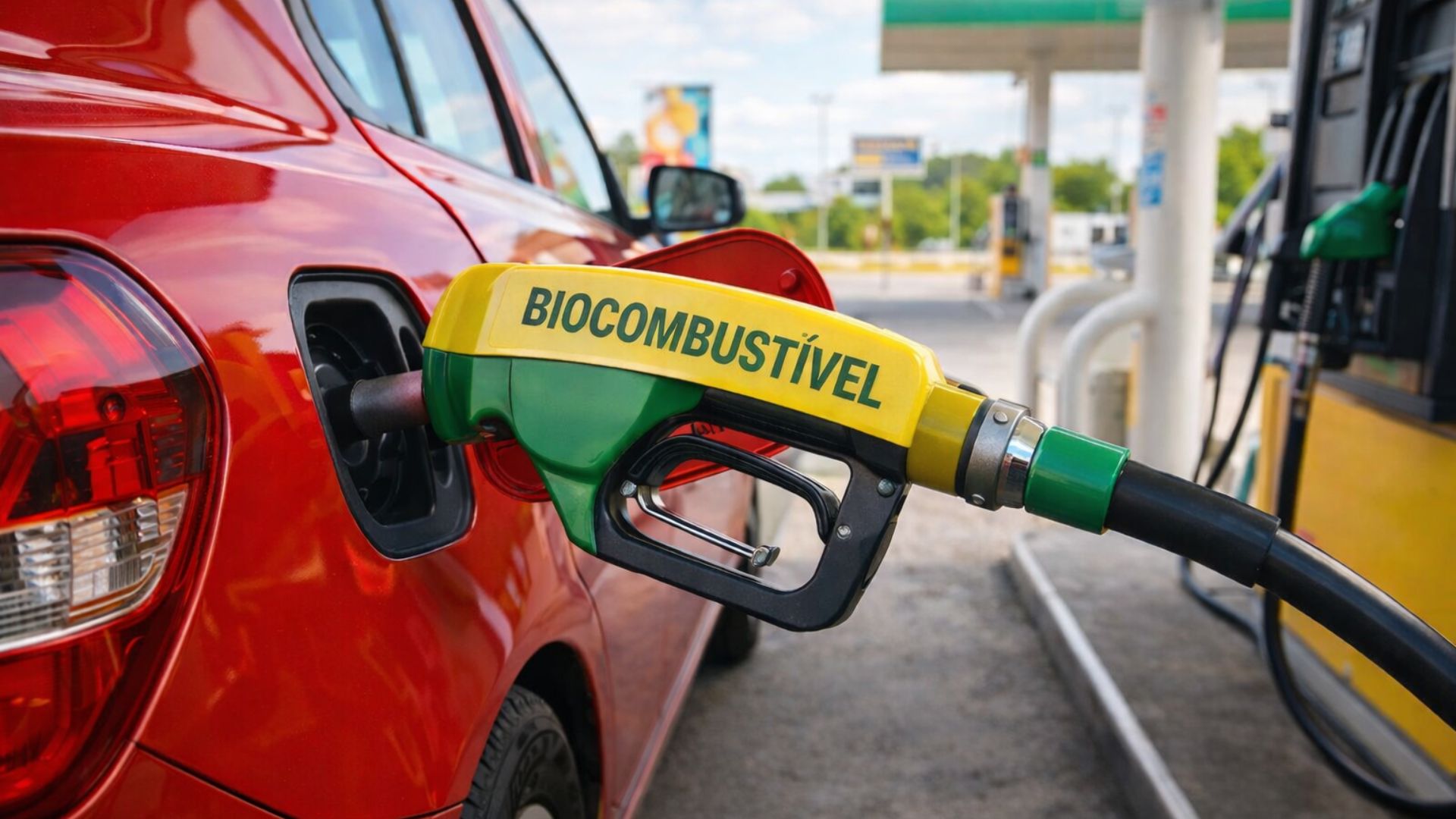
CNPE strengthens policy and prevents imported biodiesel from being mixed with diesel, aiming to strengthen the Brazilian industry and protect jobs by reducing external dependence amid tensions in the global market.
-
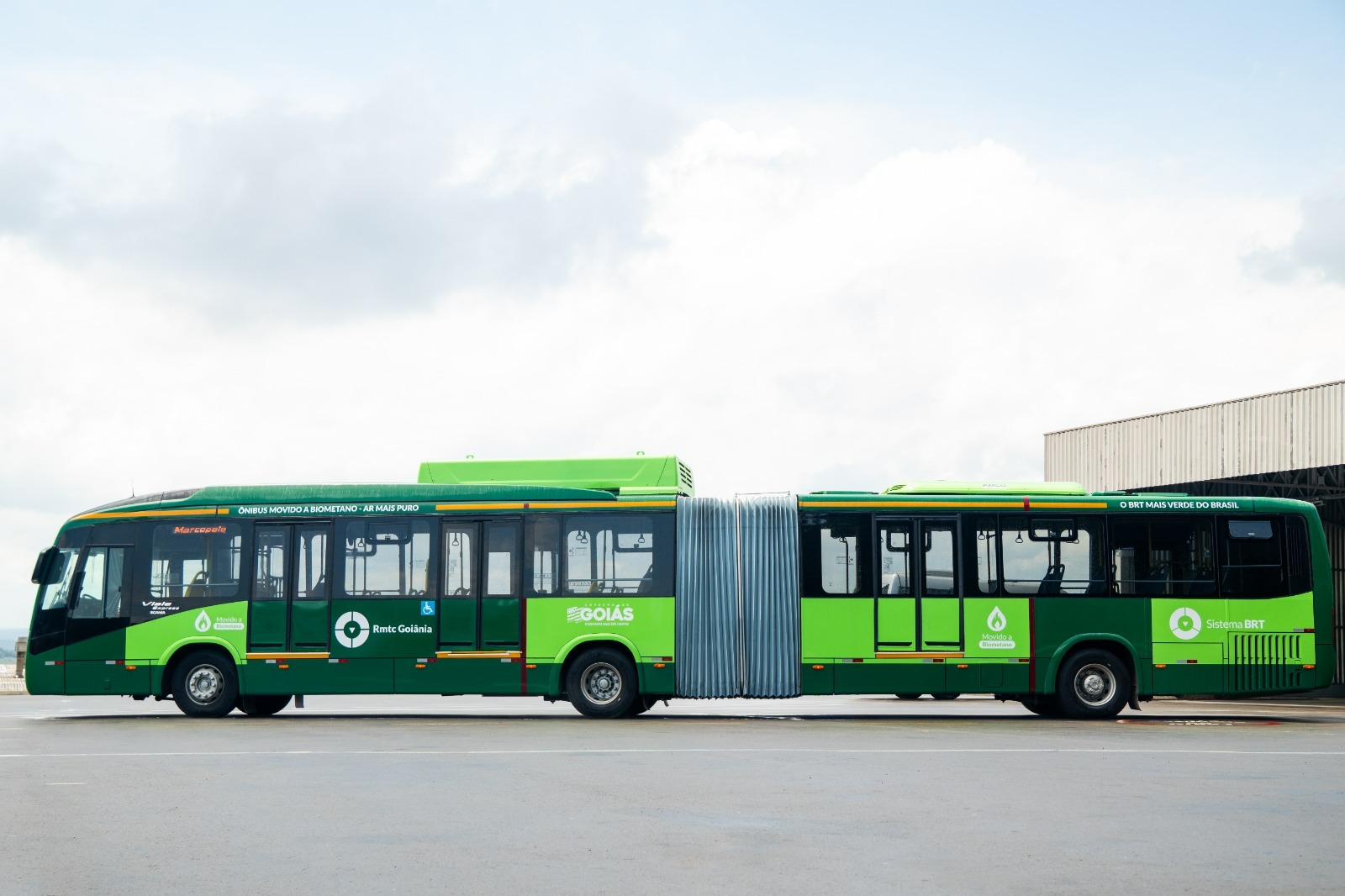
Revolution in public transport: Goiânia puts into circulation the first articulated buses powered by biomethane in Brazil and promises to drastically reduce pollution on the Anhanguera Corridor.
-
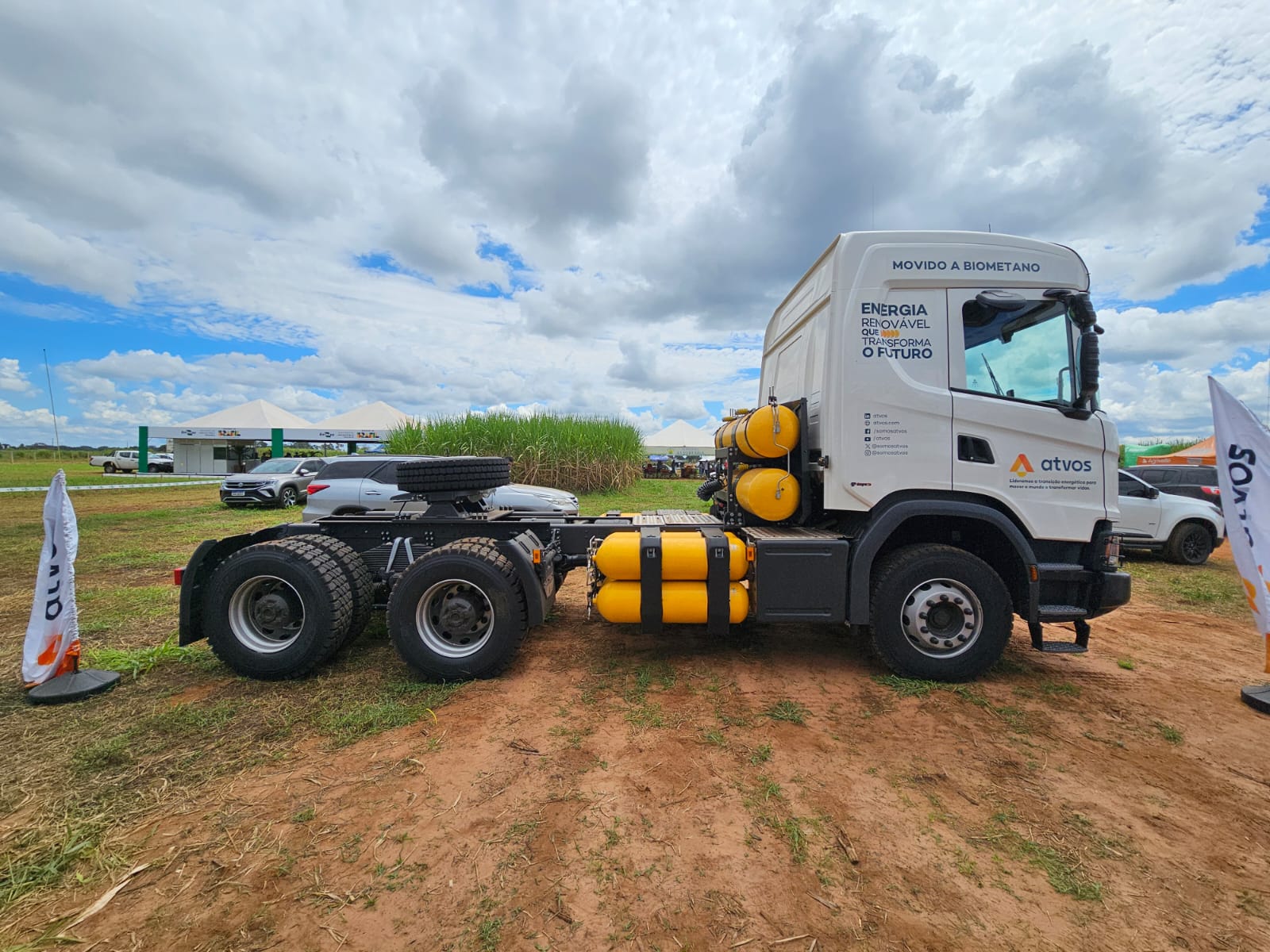
From the field to the pipelines: Mato Grosso do Sul accelerates the energy transition and consolidates a new axis in renewable energy with the arrival of a giant biogas plant.
-
The Economist states that Brazil has a “secret weapon” against expensive oil and highlights how the country can reduce economic impacts even in international scenarios of high volatility.


The Historical Role Of Ethanol In Brazil’s Energy Matrix
Since the creation of the National Alcohol Program (Proálcool) in 1975, Brazil has built a unique trajectory by betting on ethanol as an alternative to oil. This strategy reduced external dependence, strengthened the agribusiness sector, and positioned the country as a global reference in biofuels.
Over five decades, the use of ethanol has avoided hundreds of millions of tons of CO₂ emissions compared to gasoline, while also contributing to the stability of the domestic fuel market during periods of international crisis. This legacy is concrete, measurable, and undeniable.
Flex-Fuel Vehicles And The Consolidation Of Biofuels In Light Transport
The introduction of flex-fuel vehicles in the early 2000s consolidated the Brazilian mobility model. The ability to switch between gasoline and ethanol increased consumer adoption and accelerated the penetration of biofuels in light transport.
By 2024, about 85% of new cars sold in Brazil were flex, according to automotive industry data. This dominance reinforced the perception that the country already had its own solution for the energy transition, reducing the urgency for electrification. However, Carbon Tracker’s report warns that this view may be misleading in the long run.
The Physical Limits Of Biofuel Expansion In Brazil
One of the main bottlenecks pointed out by the study is land use. Large-scale expansion of biofuels faces physical limits that cannot be ignored.
According to Carbon Tracker, fully replacing diesel with biodiesel in heavy transport would require something close to 25% of Brazilian territory dedicated exclusively to energy crops. This scenario would put pressure on food production, raise agricultural prices, and increase land use conflicts.
Currently, about 26.6% of Brazil’s territory is already allocated to agriculture, which drastically reduces the margin for expansion without significant socioeconomic impacts. The necessary scale is simply not viable.
Ethanol And Emissions: Why Biofuels Are Not Carbon Neutral
Another central point of the report is the analysis of the life cycle of ethanol. Although it is often treated as a clean fuel, it is not carbon neutral.
When considering all stages—land preparation, fertilizer use, harvesting, transportation, and processing—the ethanol emits about 0.42 kg of CO₂ equivalent per liter, according to life cycle analysis studies cited by Carbon Tracker.
This means that ethanol reduces emissions compared to gasoline, but does not eliminate the climate problem. In a global context moving towards net zero emissions targets, this difference becomes increasingly relevant for the energy transition in Brazil.
Flex-Fuel Vehicles As Transition Technology, Not Arrival Technology
Flex-fuel vehicles continue to play an important role in the short and medium term. They offer consumers flexibility, help reduce dependence on oil, and function as transition technology in countries with still uneven electrical infrastructure.
However, according to Carbon Tracker, prolonging incentives for combustion engines, even those powered by biofuels, may delay the modernization of the Brazilian automotive industry.
While Brazil maintains focus on flex-fuel vehicles, markets like the European Union, China, and the United States are rapidly advancing in electrification, setting deadlines for the end of sales of exclusively combustion vehicles.
Electrification As The Central Axis Of The Global Energy Transition
For Carbon Tracker, battery electric vehicles should assume the structural role of the next phase of the energy transition. The report does not advocate for the immediate abandonment of ethanol or biofuels, but highlights that they should act as a bridge, not as a final solution.
Electrification is no longer a future bet; it is a present reality. Countries that advance faster tend to capture investments, production chains, technological innovation, and skilled jobs. The risk for Brazil is remaining excessively dependent on intermediate technologies and losing ground in the new mobility economy.


Biofuels In Strategic Sectors Of The Economy
The report recognizes that biofuels will continue to be essential in segments that are difficult to electrify, such as aviation, maritime transport, and part of heavy long-distance transport.
In these cases, ethanol and other renewable fuels may contribute significantly to emission reductions. Nevertheless, no consistent climate neutrality scenario positions biofuels as the exclusive basis of the transportation system. The combination of electrification, energy efficiency, and strategic use of biofuels is indicated as the most realistic path.
What Comes Next For Mobility And The Energy Transition In Brazil
Brazil has unique conditions to lead the energy transition: a predominantly renewable electricity matrix, industrial experience with clean energy, and one of the largest automotive markets in the world. Paradoxically, these advantages can lead to complacency.
Ethanol was a game changer. Flex-fuel vehicles were too. But the next transformation has already begun. According to Carbon Tracker, it will be electric, integrated, and driven by global value chains.
Recognizing the limits of biofuels does not mean denying their importance, but understanding that the future of mobility requires going beyond. For Brazil, anticipating this change may mean leadership. Delaying it could represent a loss of competitiveness in a sector that is already transforming rapidly.








O autor esquece, que já é possível produzir hidrogênio a partir do etanol de cana de açúcar.
Essa tecnologia foi desenvolvida pela USP em parceria com a Hytron alemã, a Toyota japonesa e a Shell holandesa.
Os automóveis elétricos utilizam muitos Metais Críticos e **** de Terras Raras, que são ti sumos não renováveis.
Os biocombustíveis, por sua vez, são renováveis e, recentemente, a Unicamp, em parceria com a Embrapa, publicaram estudo, onde mostram como é possível zerar as emissões de carbono durante a produção de etanol de cana de açúcar.
Essa nova tecnologia desenvolvida pela Unicamp-Embrapa, associada a captura de carbono realizada pelas plantações de cana de açúcar, podem tornar a emissão de CO2 por carros movidos a biocombustíveis negativas.
Negar tal é ” tapar o ☀️ com uma peneira em vez de placas solares” reaproveitadas na China para as próximas placas novas e peróxita adicionada. Mercado de bilhões, e só uma empresa chinesa está na vanguarda recentemente. A e com o avanço será nós próprios carros ao ☀️. Na verdade combustíveis são fruto solar de qualquer maneira embora ter se formado a milênios Petros…kkkk