





 Portuguese
  English
  Spanish
  4 min of reading
  0 comments



The New Toll Rates For BR-324 And BR-116 May Surprise Users And Carriers With Significant Increases, While The Improvement Proposals Bring Economic And Social Impacts That Few Expected.
Drivers And Carriers Can Prepare For A Significant Increase In The Toll Rates On The BR-324 And BR-116 Highways.
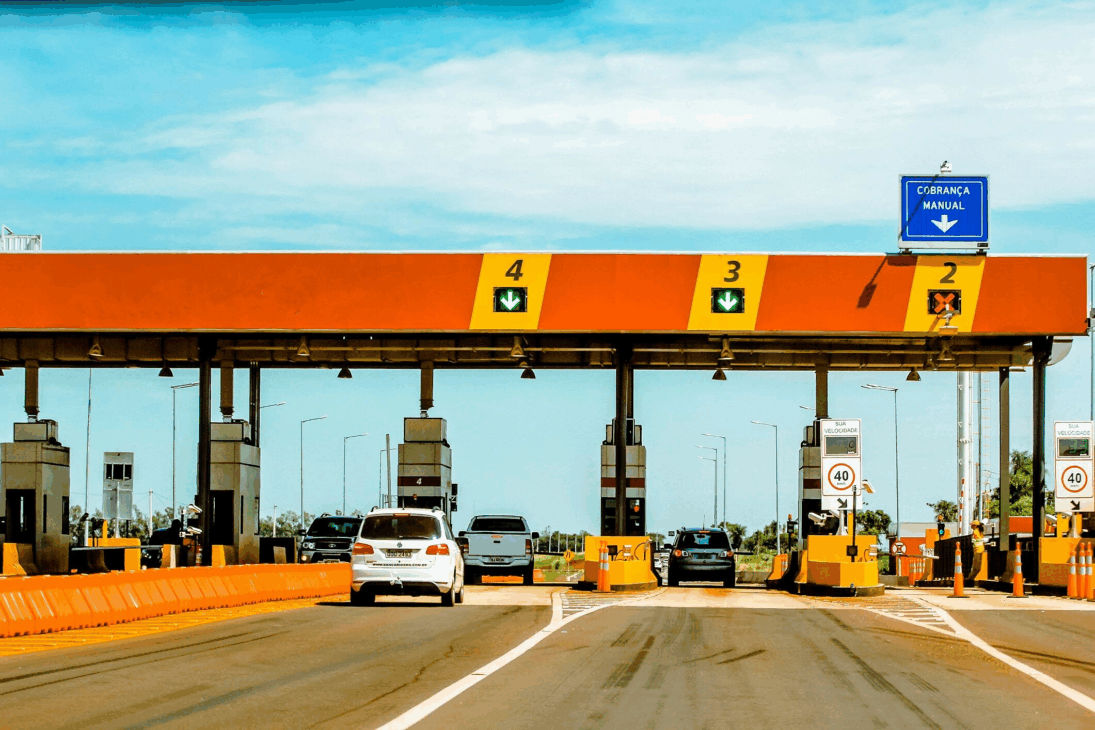
According To The National Association Of Cargo Transport Users (ANUTC), The Charges Could Be Up To Six Times Higher Than The Current Rates Once A New Company Takes Over The Concession Of These Roads, Which Were Previously Managed By ViaBahia.
This Analysis, Presented By The President Of ANUTC, Luiz Henrique Baldez, Considers Fundamental Factors To Justify The Increase, Such As The Profitability Of The Business, The Forecasted Investments, And The Maintenance Costs Of The Highways.
-
The government requests the Federal Revenue Service for a new system to automate the income tax declaration, reducing errors, time, and bureaucracy for millions of Brazilians.

-
Friends have been building a small “town” for 30 years to grow old together, with compact houses, a common area, nature surrounding it, and a collective life project designed for friendship, coexistence, and simplicity.

-
Pix in installments, international Pix, and contactless payment without internet: the Central Bank revealed the new features coming to the tool that is already used by almost every adult in Brazil.

-
This small town in Germany created its own currency 24 years ago, today it circulates millions per year, is accepted in over 300 stores, and the German government allowed all of this to happen under one condition.


According To Baldez, The Impact On Truckers’ Budgets Will Be Direct And Significant, With Rates That Could Range From Four To Six Times The Current Rates.
“The Toll Will Reach A Very High Level, Potentially Representing About 20% Of The Freight Cost, Which Will Inevitably Increase The Transportation Of Goods And, Consequently, The Prices Of Products That Reach The Population,” Explains The Association’s President.
In Addition, The New Concession Includes A Series Of Works And Improvements That Justify, According To ANUTC’s Analysis, The Increase In Charges.
New Toll Plazas Are Planned, Duplication Of An Extensive Stretch Of 356 Kilometers, Construction Of 50 Pedestrian Bridges, And More Than 200 Bus Stops.
However, Luiz Henrique Baldez Highlights That The Weight Of The Investments Is Concentrated In The First Ten Years Of The Concession And That The Required Profitability For The Company Should Be 13%, A Percentage He Considers High For The Sector.
“The Maintenance And Operation Costs Should Weigh More Heavily In The Calculation Of The Rates Than The Investments Themselves. In The Current Proposal, 50% Of The Rate Is Associated With Initial Investments, Which Raises The Final Charges Significantly,” He Remarks.
So Far, The Toll Rates By ViaBahia For Trucks Varied Between R$ 7 And R$ 54.90, Depending On The Size Of The Vehicle.
With The End Of The Concession, Drivers Have Been Exempt From Payment Since May 15, And The National Department Of Transportation Infrastructure (Dnit) Has Taken Over The Management Of The Highways.
To Discuss The Future Of Concessions, Seven Public Hearings Were Held In The Cities Of Salvador, Feira De Santana, Vitória Da Conquista, And In Bahia Itself.
Luiz Henrique Baldez Emphasizes The Importance Of These Highways In The National Scenario.
“We Are Talking About The Main Access Route To The Capital Of Bahia And One Of The Main Connections With The Southeast Of The Country, Where A Huge Volume Of Cargo Circulates. A Significant Increase In Tolls Will Greatly Raise Transportation Costs, Affecting The Entire Production Chain,” Alerts The President Of ANUTC.
What ANTT Says About The Investments And Economic Impacts
The National Land Transportation Agency (ANTT), Responsible For The Public Hearings And The New Concession Project, Offers A Different Perspective.
According To Stéphane Quebaud, Manager Of Highway Studies And Projects At ANTT, The Concession Aims To Significantly Improve The Infrastructure And Logistic Efficiency Of The Region.
“With The New Concession, We Expect To Reduce Travel Time And Operational Costs For Carriers, In Addition To Increasing Safety On Highways,” Affirms Quebaud.
The Project Foresees Total Investments Of R$ 15.7 Billion In Capital (Capex) And R$ 8 Billion In Operational Expenses (Opex).
The Initial Schedule Includes Emergency Interventions, Such As Repairing Damaged Pavement, Reinforcing Signage, And Improving Road Safety.
Subsequently, A Complete Recovery Of The Roads Is Planned, Restoring The Original Conditions Of The Road Network.
Another Point Highlighted By ANTT Is The Potential For Job Creation And Economic Development.
According To The Agency, The Concession Should Create About 228,000 Direct, Indirect, And Induced Jobs In The 27 Municipalities Crossed By The Highways, Stimulating The Regional Economy.
The Challenges For Users And The Social Impact
In Addition To The Toll Increase, Drivers Face The Challenge Of Balancing Costs And Quality Of The Highways.
The Quality Of The Road Network Is Essential For The Safety And Efficiency Of Transportation, But The Charges Cannot Become A Barrier To Economic And Social Development.
Experts Say That A Very High Toll May Increase The Price Of Food And Industrialized Products, Directly Affecting The Final Consumer.
This Is Because The Cost Of Freight Becomes One Of The Main Components Of The Final Price Of Goods.
Another Important Factor Is Related To The Competitiveness Of The Productive Sector.
If The Cost Of Transportation Rises Too High, Companies May Opt For Alternative Routes, Which Are Often Longer And Less Safe, Or Even Reduce Investments In The Region, Compromising Local Development.
Current Scenario And The Future Of Highway Concessions In Brazil
The Debate Over Highway Concessions In Brazil Is Longstanding And Complex.
Many Experts Argue That Private Concessions Can Bring Improvements In Infrastructure And Services, But The Fair Price For Users Must Always Be The Primary Focus.
With The New Proposal For The BRs 324 And 116, It Is Clear That The Balance Between Investment And Toll Is Still A Challenge That Requires Transparency And Dialogue With Society.
The National Scenario Also Points To A Gradual Increase In Transportation Costs, With A Direct Impact On Inflation And The Economy.
For The Government, It Is Essential To Ensure That Concession Contracts Consider The Interests Of Users And Promote Sustainable Development In The Served Regions.
Meanwhile, Cargo Drivers And Ordinary Users Of These Important Highways Are Attentively Following The Discussions That Will Define The Coming Years For The Roads.








Seja o primeiro a reagir!