





 Portuguese
  English
  Spanish
  9 min of reading
  0 comments


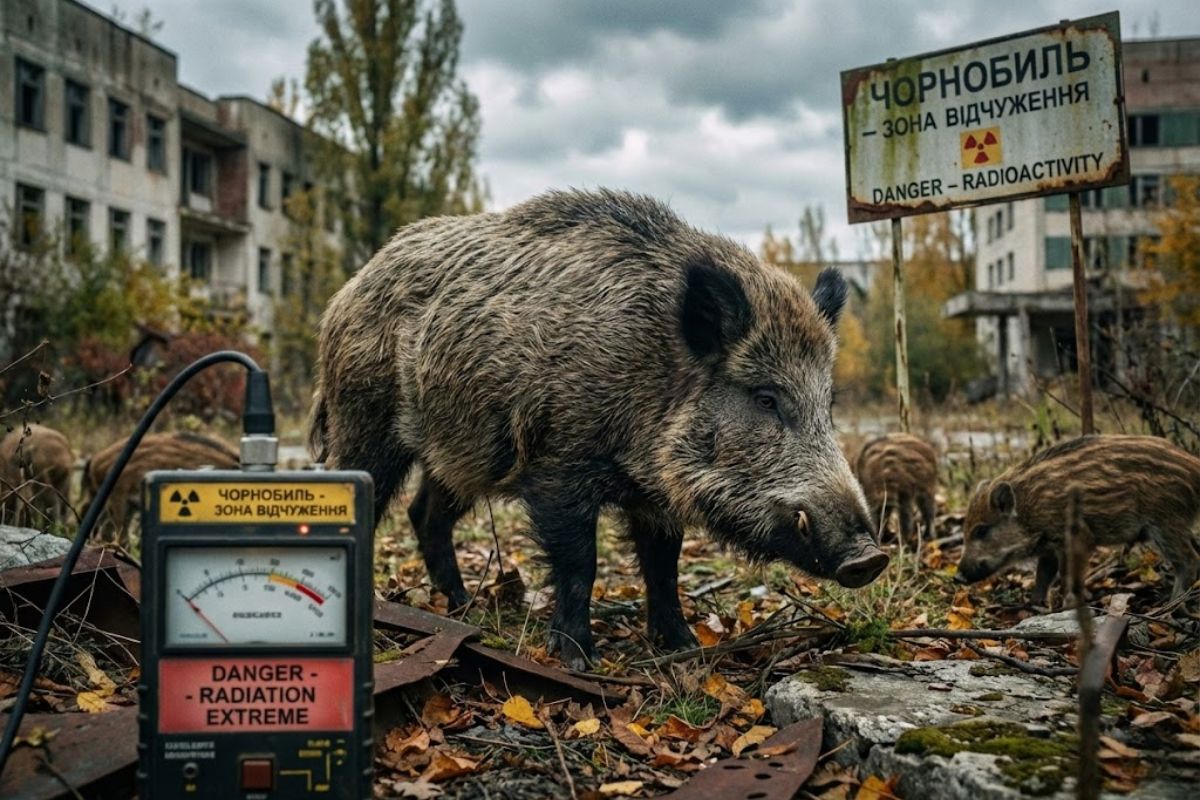
Even After the Nuclear Disaster of 1986, the Chernobyl Exclusion Zone Became an Unintended Laboratory Where Wild Boars Persist with High Contamination. The Explanation Combines Cesium Isotopes, Subterranean Truffles, Human Absence, Rapid Reproduction, and a Cycle That Takes a Long Time to Break in the Soil.
Wild boars have become Chernobyl’s most uncomfortable paradox: an animal that coexists with radiation levels comparable to those of the disaster period and yet continues to thrive, while other species show a gradual decline in contamination. The enigma is not just biological. It is a story about how the contaminated environment still behaves as if the accident happened “yesterday” when it comes to wild boar meat.
At the same time, the exclusion zone changed the logic of wildlife. With more than 350,000 people evacuated, the territory became a space with less human presence, and animal populations grew rapidly, even though radiation caused diseases and deaths. At the center of this scenario, wild boars expose a rare combination of resistance, diet, and reproduction that defies common sense.
What Happened in Chernobyl and Why the Exclusion Zone Remains Dangerous

It has been more than 38 years since the Chernobyl disaster, described as the largest catastrophe in the history of nuclear energy.
-
A simple stitch in wood with nylon thread can reduce adhesives, speed up production, and make sheets up to 4 times stronger and 14 times more difficult to break.
-
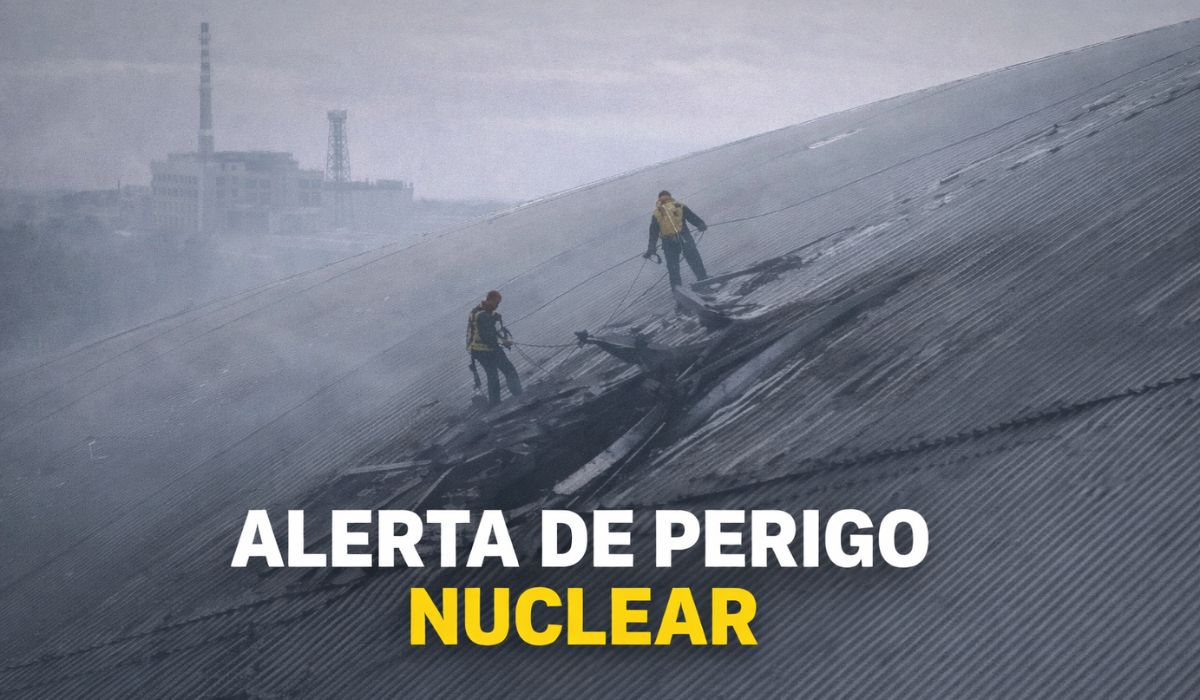
The gigantic steel shell built to contain Chernobyl for a century has been pierced by a drone, exposing a critical system and creating a hole that could cost over 500 million euros to repair.
-
Brazilian Navy reaches a new level by taking over an airport with a 1,600-meter runway used by 1,800 military personnel and autonomous attack drone testing.
-
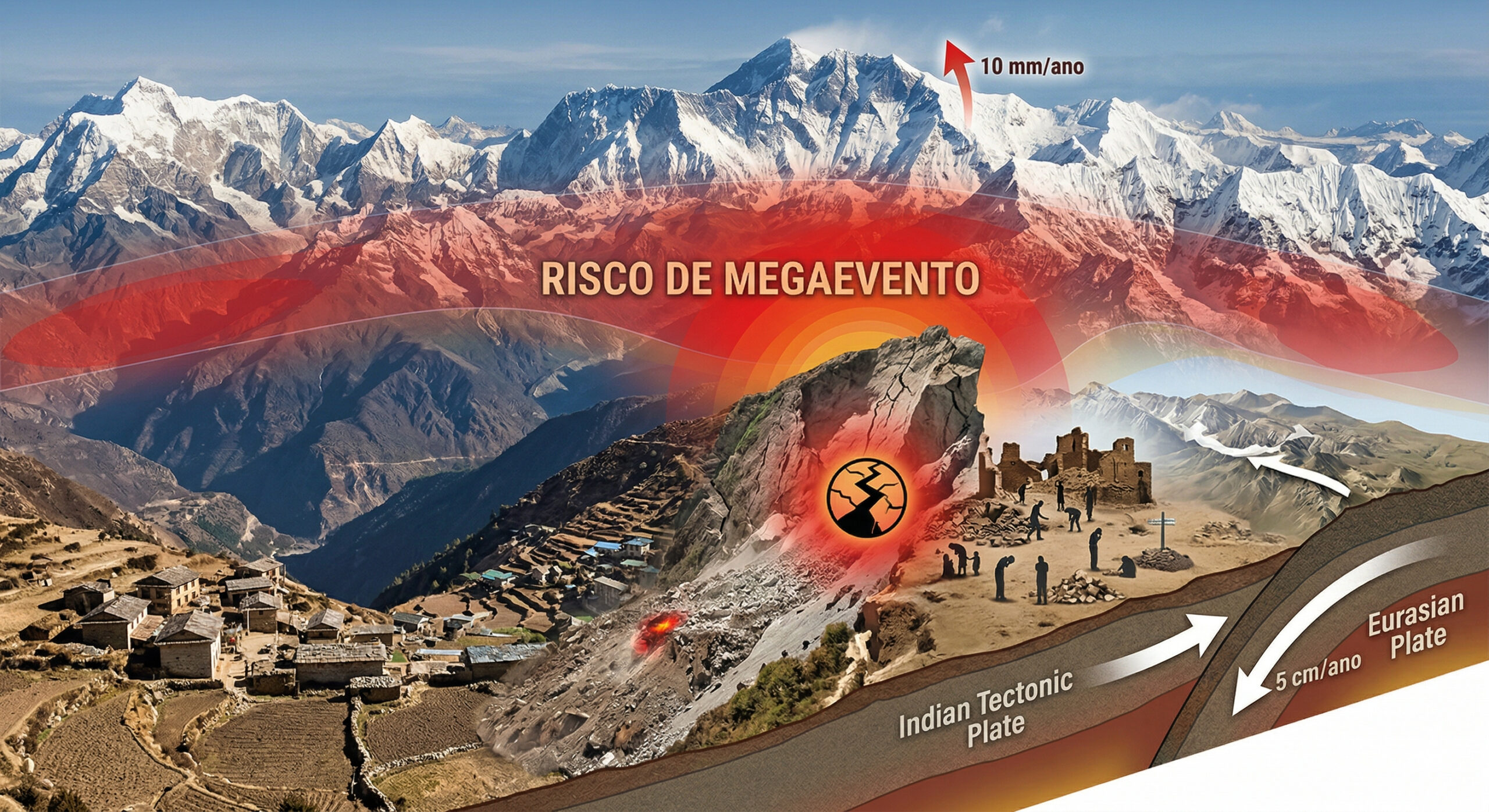
The Himalayas continue to grow to this day, with tectonic plates advancing 5 cm per year, mountains rising up to 10 mm annually, and the 2015 earthquake that killed 9,000 people may have increased the risk of an even larger seismic mega-event.

The explosion of the reactor released a huge amount of radioactive substances into the environment and led to the complete evacuation of the exclusion zone.
The account mentions more than 350,000 people evacuated, up to 50 deaths directly related to the disaster, and nearly 4,000 deaths associated with the long-term effects of radiation.
Additionally, people would still be dying in the region around the plant, reinforcing that the area has never returned to “normal”.
Why Scientists Expected a Decrease in Contamination and What Was Observed in Other Animals
The 1986 disaster released cesium-137, a radioactive isotope with a half-life of just over 30 years. Since more than three decades have passed, scientists assumed that the level of the isotope in the contaminated area would have decreased by at least 50%, which seemed logical and, in part, was confirmed in various samples.
The reasoning presented is that cesium gradually dispersed, was washed away by rainwater, bound to minerals, or migrated to deeper layers of soil. As a result, the element would cease to be absorbed by plants, and then by animals, at least not in the same quantities.
This expectation was reflected in examples such as deer, whose contamination had reportedly decreased year after year. Most of the food samples in the exclusion zone, according to the tests described, not only had half the original concentration of cesium but much less.
The Paradox of Wild Boars in Chernobyl and Why Meat Became the Critical Point

Everything seemed to follow the script until it was time to measure wild boars. It was then that the anomaly appeared: the level of contamination in wild boars remained as if the disaster had happened “yesterday”, decades later.
The report emphasizes that the radiation in the meat of wild boars can be so high that it makes it unsafe for consumption, simply dangerous. This has turned Chernobyl’s wild boars into a scientific mystery, dubbed the “wild boar paradox.”
Some scientists even suggested that cesium might dissolve better in fatty tissue and remain longer, but the research described did not confirm that hypothesis.
Instead, the path to resolving the paradox was different and required difficult measurements.
The Turning Point of 2023 and the Isotope That Was Not What Everyone Was Looking For
The mystery was said to have been solved in 2023, when a team managed to trace the origin of radioactivity using more recent measurements.
The result surprised because it indicated that wild boars had been carrying a different isotope of cesium all along.
The text points to cesium-135, an isotope with a much longer half-life than that of cesium-137 and much harder to detect, even with equipment.
This detail changes the risk interpretation because it shifts the explanation to a contamination cycle that can persist much longer in the soil and food chain.
Subterranean Diet and Truffles: Why Wild Boars Continue to Accumulate Cesium
The proposed explanation connects to diet. Researchers observed wild boars and linked the contamination pattern to underground foods, primarily truffles known as “deer truffles,” fungi located at a depth of 8 to 16 centimeters.
The logic presented is that cesium infiltrates the soil very slowly. Thus, subterranean fungi may only be starting to absorb material associated with the Chernobyl accident, while still remaining contaminated by other isotopes.
The text also mentions that cesium-135 would have entered the soil much earlier, in the 1960s, when nuclear bomb tests were taking place.
In some samples, scientists would have confirmed that a significant portion of the cesium in wild boar meat is linked to nuclear weapons testing, reaching up to 68% in certain cases.
The crux of the matter is the mechanism: cesium descends slowly in the soil, is absorbed by fungi, and then enters the bodies of wild boars. As the process is slow, contamination does not decrease at the rate many would expect.
The Example of Germany and How Radioactive Wild Boars Became a Problem Outside the Exclusion Zone
The account reinforces that the phenomenon is not exclusive to the exclusion zone.
In Germany, part of the wild boar population is so radioactive that hunters who hunt one must deliver the animal to the authorities for inspection, not due to excessive control, but because the meat can often be dangerous and, in those cases, must be destroyed.
This would have caused a side effect: many hunters would have stopped hunting, and wild boars spread, creating a new problem.
The account describes this scenario as unexpected because many imagine radiation only in Chernobyl, not in regions like Germany.
The indicated explanation is the same combination: nuclear testing from the 1960s and a diet of truffles.
And the text concludes that the level of contamination in wild boar meat will not decrease for a long time because cesium needs to disappear from the soil for the contamination cycle to be broken.
The Parallel with Reindeer in Norway and Why Fungi Can Concentrate Cesium
The text draws a parallel with reindeer in Norway. In 1986, the wind is thought to have carried pollutants for many kilometers, and in Norway, continuous rains caused cesium-137 to deposit in the soil, reaching lakes and forests, contaminating plants, fruits, and other components of the diet.
A specific point appears as key: a type of fungus or algae that grows on trees, referred to as “lichen,” which lacks a root system and absorbs nutrients from the air.
This would make it perfect for absorbing cesium-137. Reindeer would eat this material and become radioactive without realizing it.
The report states that the meat became dangerous for consumption, and checks made over time found reindeer still highly radioactive, showing how food chains with fungi and algae can prolong contamination.
Not Mutants, But Damage: What Radiation Did to the Studied Animals
The narrative confronts the popular expectation of “mutants.” According to the report, the initial shock of the explosion and chronic exposure to lower doses caused morphological changes, physiological, and genetic abnormalities in studied species. The effect would be real, but not in the form of monsters.
The cited reasons resemble impacts seen in humans: increased tumors, immune deficiencies, changes associated with premature aging, circulatory system alterations, developmental defects, and other damages.
Radiation killed more, made more ill, caused more deformities, but did not create unrecognizable creatures.
There is also the observation that some healthy animals in the exclusion zone may have arrived after the catastrophe, rather than being direct descendants of those who survived the initial phase of the disaster.
Human Absence and Population Explosion: Why Wildlife Thrived in the Exclusion Zone
Despite the deaths and illnesses, the text states that animal populations grew rapidly after the accident, and science attributes part of this to the lack of people.
The absence of humans means less hunting, less traffic, less daily disturbance, and more open space.
One cited example is that the number of deer reportedly increased several times over 10 years without humans.
It is also said that the density of wolves in the exclusion zone is more than seven times greater than in other similar areas.
The animals of Chernobyl are also described as larger and unafraid of people, not due to “monstrous mutation,” but simply because they are not used to encountering humans and have not learned to avoid them as in the rest of the world.
Why Wild Boars Resist Better: Accelerated Reproduction, Early Maturity, and Broad Diet
The text presents wild boars as one of the animals best equipped to survive in extreme conditions.
The list of attributes includes high fertility, early maturity, the ability to eat almost anything, long life, and great adaptability to heat and cold.
The comparison with deer shows the practical advantage. Wild boars can reproduce at any time of year if they find a male.
In cycles of 12 to 15 months, females can have two litters, with up to seven piglets in each. Within six months, the piglets would be ready to reproduce, and the cycle repeats.
The contrast is that deer have a short annual breeding window, a long gestation period, and fewer young. The disaster would have occurred in April, which, in this example, would prevent a deer from getting pregnant as it would be outside the breeding season.
In evolutionary terms, the argument is that even with radiation reducing lifespan, wild boars can produce several generations rapidly, maintaining their population.
This accelerated reproduction helps to explain why wild boars thrive even when individuals become ill and die. The species compensates for losses with speed of replacement.
Fukushima as Confirmation: Wild Boars Also Dominated Another Exclusion Zone
The story broadens the picture with Fukushima, described as another nuclear disaster in 2011. To this day, an area of 12 miles around the plant remains a no-go zone.
There, wild boars are also said to be thriving. Researchers reportedly confirmed that the local population increased dramatically, with a numerical example presented as a jump from 3,000 to 13,000 in a few years.
Wild boars would use houses and abandoned buildings as places for reproduction and shelter.
At the same time, meat samples showed 300 times more cesium-137 than what is considered safe, attributed to their diet, although the animals showed no immediate signs of the effects of radiation.
There is also the perception among farmers that these animals have become pests, with authorities offering rewards to hunters for taking down wild boars, even though the speed of reproduction surpasses human control capacity.
Wolves, Cancer, and Other Stories from the Exclusion Zone
The text cites that wolves in the Chernobyl exclusion zone would be genetically different from wolves outside, not because of radiation directly, but due to isolation and context.
Still, a curious piece of information appears: scientists have observed that irradiation led to protective mutations, and these wolves developed natural resistance to cancer.
The narrative states that scientists are studying how to use this ability to treat cancer in humans.
Also mentioned are horses deliberately reintroduced into the exclusion zone, a group of 36 animals that thrived in a human-free environment and started using abandoned buildings as shelter.
Finally, there is a reference to pets left behind in the panic of 1986, whose descendants still live in the exclusion zone, with recent efforts to rescue them, quarantine them, examine them, vaccinate them, and sterilize them before sending them to new homes.
What the Story of Wild Boars Reveals About Chernobyl Today
The case of wild boars shows that time does not “automatically resolve” radioactive contamination when the element continues to circulate in deep layers of soil and returns through the food chain.
The combination of hard-to-detect cesium, slow infiltration, subterranean fungi, and diet extends the duration of the problem.
At the same time, the absence of humans opened space for wildlife to grow and reorganize the exclusion zone, creating the paradox of a dangerous region for humans that, in certain aspects, became a refuge for various species.
In this context, wild boars are the most unsettling symbol because they thrive, but carry dangerous levels of contamination that make their meat a risk.
Do you believe that the absence of humans weighs more for the prosperity of wild boars than radiation weighs to limit this population, or is the balance between the two factors still impossible to estimate?








-

Uma pessoa reagiu a isso.