





 Portuguese
  English
  Spanish
  5 min of reading
  0 comments


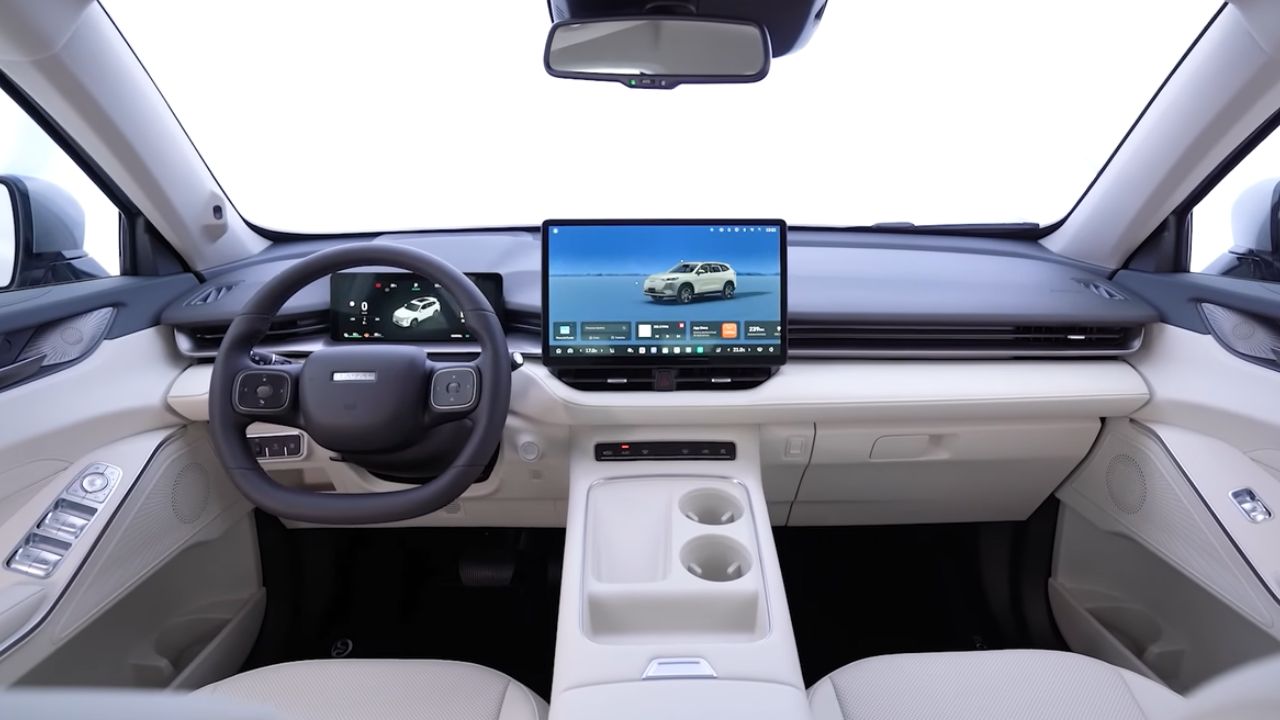
PHEV 35 Version And New Aesthetic Details Arrive For The Best-Selling Hybrid SUV In The Country, Keeping Competitive Prices And Raising Market Standards, According To Source A Roda.
The GWM Haval H6, one of the key contributors to the success of the Chinese brand in Brazil, has just received important updates for the 2026 line, highlighting the new PHEV 35 version (successor to the PHEV 34). The most surprising news is that, despite the facelift and the increase in power and technology, the prices of all versions have been maintained, as reported by the channel A Roda. This aggressive strategy aims to consolidate the H6’s leadership in the plug-in hybrid segment, which has already outperformed major competitors in monthly sales, proving to be the preferred body style among Brazilians.
The launch is not just a name change. The model features visual alterations, primarily at the front, a subtle yet strategic gain of torque and power in the powertrain, and the integration of a new suspension system. The goal is to address criticisms regarding drivability while capitalizing on the excellent acceptance of the car in the Brazilian market, where the GWM Haval H6 set a sales record in October, exceeding 3,100 units and consolidating over 25,000 cars sold in total this year, according to source A Roda.
Updated Design And More Visual Sophistication
The aesthetic changes in the GWM Haval H6 2026 focus primarily on the front and rear, aiming for a touch of greater sophistication. At the front, the most noticeable change is in the lighting setup. The main full LED headlights have been retained, but there has been a modification in the LED strip, which now incorporates an extra LED, also acting as a replacement for the fog lights. The bumper has been redesigned, and the grille has replaced the old “chromed bumps” with a new pattern of “scales”, giving it a more contemporary look. The driver assistance package ADAS 2 Plus with ACC and automatic parking maneuver remains.
-
Fiat launches the new 2027 Toro hybrid with 48V, 176 hp, an electric motor of 15.5 hp, a 0.85 kWh battery, up to 7% fuel savings, 8% fewer emissions, and possible exemption from IPVA.

-
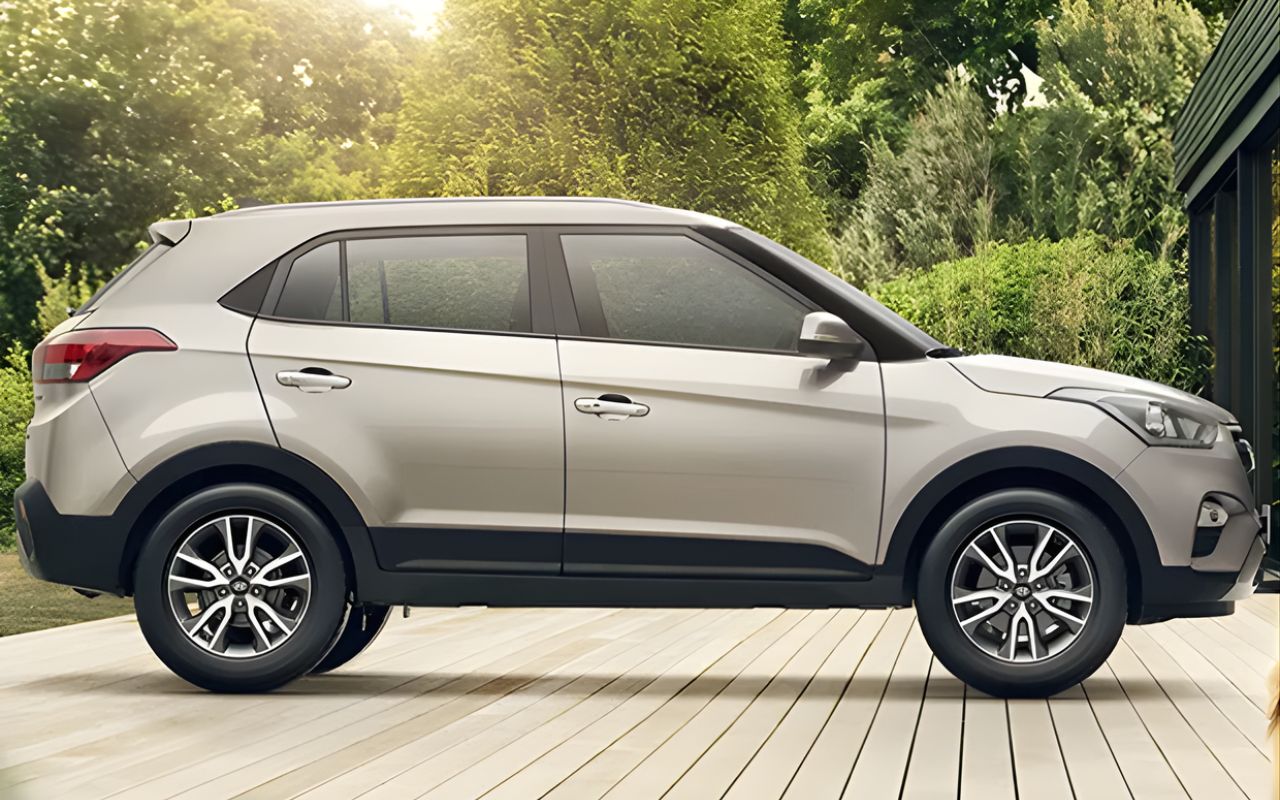
Used automatic cars from Hyundai that are reliable, offer comfort, good performance, and cost between R$ 45,000 and R$ 75,000.
-
Electric car surprises on the Transamazon Highway as it tackles a mud pit; Saveiro and Hilux get stuck and need to be pulled out, while a milk truck crosses alongside with ease and draws attention.

-
The war in Iran could be the push needed for the electric vehicle market to truly explode because when the price of oil exceeds 100 dollars a barrel, combustion cars become a luxury, and China already dominates 60% of the global electric market.


At the rear, the main difference lies in the color of the light strip. Previously red, it now adopts a more crystallized design, resembling a “crystal necklace” and adding refinement to the SUV. The badges (GWM, H6, and PHEV) are now black, replacing the previous chrome. Structurally, the vehicle retains its dimensions: 4.68 meters in length, 1.89 meters in width, and a wheelbase of 2.73 meters, ensuring ample interior space and 560 liters of capacity in the trunk. The diamond-cut 19-inch wheels are exclusive to the PHEV 35 SUV version, while the other versions (HEV and GT) continue with their respective designs and colors.
Enhanced Hybrid Performance And Focus On Total Torque
The PHEV 35 version brings technical improvements focused on optimizing the hybrid system’s performance. The powertrain still consists of the 1.5 turbo internal combustion engine and two electric motors (one in the front and another in the rear, configuring 4×4 traction without a driveshaft). The only numerical change occurred in the combustion engine, which shifted from 150 horsepower and 23.4 kgfm of torque to 150 horsepower and 24 kgfm of torque.
This increase in torque in the internal combustion engine, combined with the electric motors, resulted in a total gain of approximately 0.98 kgfm, raising the combined torque to an impressive 78.7 kgfm. This figure is extremely high, considering it surpasses that of some V12 supercars, as cited by the source. With this power, the SUV, which weighs over 2,000 kg, can accelerate from 0 to 100 km/h in 4.9 seconds. The battery has also been adjusted to 34.9 kWh, providing an electric range of 119 km (Inmetro) or 170 km (WLTP cycle). Another important feature is support for fast charging (DC) of up to 48 kW, allowing the 35 kWh battery to be charged in about 50 minutes.
Internal Technology And Enhanced Suspension For Brazilian Asphalt


The interior of the GWM Haval H6 has received notable enhancements in technology and comfort. The steering wheel is now new, with a two-spoke design, and the premium sound system has been updated to feature 14 speakers (up from 8). The standout feature is the new multimedia system with the Coffee OS 2 (third generation, version 3.3). The system is notably fast, highly customizable, and packed with features. It allows for 3D vehicle monitoring, voice commands via “Hello, GWM”, and relaxation modes such as “Nap Mode” and “Camping Mode” that control seats and air conditioning. The 12.3″ screen also offers fixed integration of Apple CarPlay and Android Auto at the bottom, allowing simultaneous access to the 360/540° cameras and climate control while mirroring the smartphone.
However, one of the most important changes, which directly addresses a recurring criticism from the public, is in the suspension. The system (McPherson at the front and Multilink at the rear) has been retained, but GWM introduced a new shock absorber with “automatic stop”. This modification was made to eliminate the feeling that the wheel “drops” or that the car bounces too much after going over bumps and potholes, promising a smoother and firmer ride on Brazilian asphalt conditions. According to the source, this change will be tested soon in real-world evaluations.
Prices Maintained And Consolidated After-Sales Package
GWM decided to absorb the costs of the facelift, software improvements, and the new suspension, maintaining suggested prices (with only standard adjustments for the HEV and PHEV 19 versions):
| Version | Previous Price (R$) | New Price (R$) | Note |
| Haval H6 HEV | 220,000 | 223,000 | Full Hybrid |
| Haval H6 PHEV 19 | 245,000 | 248,000 | Plug-In Hybrid |
| Haval H6 PHEV 35 | 288,000 | 288,000 | Plug-In Hybrid (Highlight Model) |
| Haval H6 GT | 325,000 | 325,000 | Sporty Plug-In Hybrid |
In addition to competitive prices, the brand continues to invest in its solid after-sales service. GWM offers 5 years of warranty with no mileage limit for the vehicle and 8 years or 200,000 km for the battery. The maintenance plan, every 12,000 km, has a cumulative cost up to 50,000 km of R$ 5,273, a value considered competitive. Excellence in customer service is also a factor of great engagement, as highlighted by the source.
With the launch of the new GWM Haval H6 2026, the Chinese brand demonstrates not only the intent to maintain its sales success but to elevate the overall quality of its product, directly responding to consumer demands. The combination of more torque, new cabin technologies (such as the Coffee OS 2 system), and the corrected suspension, all while keeping prices stable, positions the H6 for intense competition with its direct rivals in the hybrid SUV segment. The future production in CKD/SKD mode at the Iracemápolis factory also adds a layer of security regarding nationalization, a point valued by some of the Brazilian public.
GWM has done its homework, correcting critical points without passing on the cost to the consumer. Do you agree with this shift in the brand’s focus, investing in technical improvements instead of large visual flares? Do you think the H6 will continue to dominate plug-in hybrid sales with these new features? Leave your honest opinion in the comments; we want to hear from those who live this in practice!








-

-

-

-

-

8 pessoas reagiram a isso.