





 Portuguese
  English
  Spanish
 5 min of reading
  0 comments


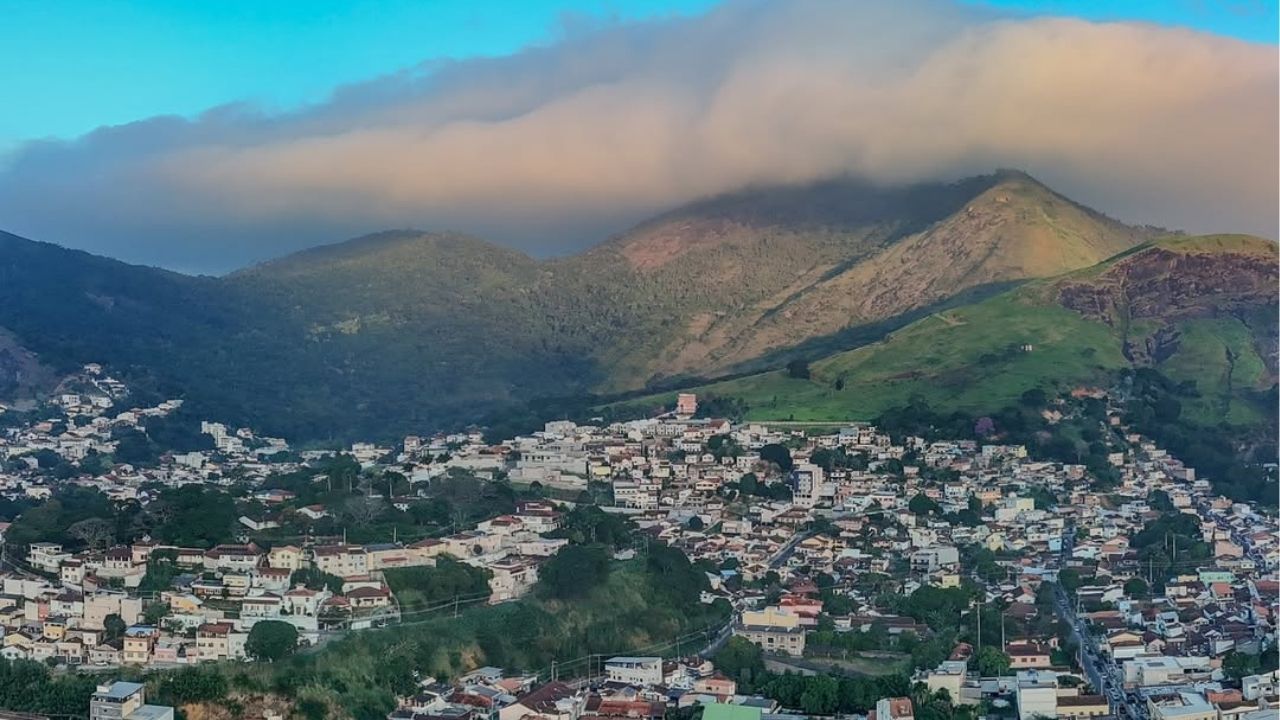
With 99.26% Schooling and About 68 Thousand Inhabitants, Valença (RJ) Stands Out for Strong Education, Historical Heritage, and Quality of Life.
Located about 115 kilometers from the state capital, in the southern part of the State of Rio de Janeiro, the municipality of Valença has been drawing attention for combining two factors that rarely appear together so consistently: a high schooling rate and historical preservation. According to official data from IBGE on basic education, the city records 99.26% schooling in the compulsory age range, ranking among the municipalities with the best performance in this indicator in the country. With approximately 68 thousand inhabitants, Valença maintains a well-structured urban infrastructure, offers higher education, and possesses an architectural heritage linked to the coffee cycle that still shapes its identity.
Known as the “City of Coffee,” Valença combines historical tradition with investments in education, establishing itself as a regional hub that attracts students and families seeking stability and quality of life.
Education in Valença: 99.26% Rate Places the Municipality Among Brazil’s Highlights
The 99.26% schooling figure refers to the presence of children and adolescents in school within the compulsory age range, an indicator monitored by IBGE based on data from the Demographic Census and educational surveys. This percentage reveals that nearly the entire population of school age is enrolled and attending the education network.
-
Friends have been building a small “town” for 30 years to grow old together, with compact houses, a common area, nature surrounding it, and a collective life project designed for friendship, coexistence, and simplicity.

-
This small town in Germany created its own currency 24 years ago, today it circulates millions per year, is accepted in over 300 stores, and the German government allowed all of this to happen under one condition.

-
Curitiba is shrinking and is expected to lose 97,000 residents by 2050, while inland cities in Paraná such as Sarandi, Araucária, and Toledo are experiencing accelerated growth that is changing the entire state’s map.

-
Tourists were poisoned on Everest in a million-dollar fraud scheme involving helicopters that diverted over $19 million and shocked international authorities.


This performance reflects the municipality’s consolidated educational structure, which includes an active municipal network, state schools, and private institutions. The maintenance of high rates over the years not only indicates access but also administrative organization and pedagogical oversight.
In addition to basic education, Valença is home to the Centro Universitário de Valença (UNIFAA), a higher education institution that serves students from various municipalities in the Sul Fluminense region. The presence of higher education strengthens the municipality as an educational hub, boosts the local economy, and expands professional opportunities.
Centro Universitário de Valença (UNIFAA) Boosts Regional Education Hub
UNIFAA plays a strategic role in the region’s academic formation. With undergraduate and postgraduate courses in various fields, the institution attracts students from neighboring cities and contributes to income circulation and professional qualification.
The presence of a university center strengthens urban dynamics, generates direct and indirect jobs, and creates a continuous educational environment that spans from basic education to higher education.
This factor helps to consolidate Valença as a mid-sized city with a structured educational vocation, something that sets the municipality apart from many others of similar population size.
Population of About 68 Thousand Inhabitants and Balanced Infrastructure
According to IBGE estimates, Valença has approximately 68,000 inhabitants, a number that places it as a medium-sized municipality in the interior of Rio de Janeiro. This size allows for a balance between urban infrastructure and a slower pace of life than that of the capitals.
The city has consolidated essential services, such as healthcare units, active commerce, banking networks, and complete administrative structures. Its urban profile favors short commutes and reduces congestion, a characteristic valued by families seeking quality of life outside major urban centers.
Its proximity to the Metropolitan Region of Rio de Janeiro, about a two-hour journey, also contributes to economic integration and access to more complex services when needed.
Historical Heritage of the Coffee Cycle Shapes Cultural Identity
Valença gained notoriety in the 19th century during the coffee cycle, a period when the Sul Fluminense region concentrated large coffee-producing farms. This legacy is still visible in the preserved colonial architecture, especially in historical properties and buildings in the urban center.
Among the highlighted tourist attractions are:
The Fazenda São Fernando, an example of coffee architecture.
The Serra da Beleza, known for its natural landscapes and ecological tourism.
The Parque Natural Municipal do Açude da Concórdia, a green area focused on environmental preservation and leisure.
These spaces reinforce the city’s cultural identity and keep the region’s economic memory alive.
Tropical High-Altitude Climate Favors Tourism and Quality of Life
Valença features a climate classified as tropical high-altitude, with milder temperatures compared to the state capital. This characteristic contributes to regional tourism and thermal comfort for much of the year.
The combination of mountainous terrain, green areas, and preserved architectural heritage creates an attractive environment for visitors and residents. Rural and historical tourism stimulates the hospitality, gastronomy, and local commerce sectors.
Balance Between the Tranquility of the Countryside and Urban Services
One of the municipality’s differentiators lies in the balance between tranquility and access to services. Very small towns often face a lack of infrastructure. In contrast, large centers present mobility issues and a high cost of living.
Valença positions itself in an intermediary zone: it maintains structured commerce, educational institutions, consolidated public services, and cultural offerings, without the levels of congestion and stress typical of metropolises.
This profile attracts families who prioritize educational stability and a more predictable urban environment.
Education as a Structuring Axis of Local Development
The schooling rate of 99.26% is not just an isolated number. It indicates institutional commitment to educational public policies and the maintenance of school attendance.
Cities with high schooling rates tend to show positive long-term impacts, such as:
Greater professional qualification
Reduction of school dropout
Improvement of social indicators
Strengthening of the local economy
By keeping practically the entire compulsory age population in school, the municipality builds a solid foundation for sustainable growth.
Valença in the Regional Context of Sul Fluminense
Located in the Sul Fluminense region, Valença is part of a group of municipalities historically linked to the coffee cycle and the industrialization of the state’s interior.
The city benefits from its strategic location between hubs like Volta Redonda and Barra do Piraí, maintaining its own identity and differentiated educational vocation.
The combination of history, structured education, and quality of life creates an urban profile that has been attracting families seeking alternatives outside the large capitals.
A Silent Model Gaining Relevance
With a moderate population, consolidated infrastructure, and a schooling rate above 99%, Valença is building a reputation based on concrete data. The municipality demonstrates that it is possible to combine historical preservation, structured educational offerings, and balanced urban environments.
Just 115 km from Rio de Janeiro, the so-called “City of Coffee” shows that quality of life and education can go hand in hand. In a national scenario where educational challenges are still widely discussed, the municipality’s performance stands out as a regional reference.
Valença does not assert itself by size or growth speed, but by the consistency of its indicators. And it is this combination of solid numbers and preserved historical identity that positions it as an example of balanced local development in the interior of the State of Rio de Janeiro.










-

Uma pessoa reagiu a isso.