





 Portuguese
  English
  Spanish
  6 min of reading
  27 comments


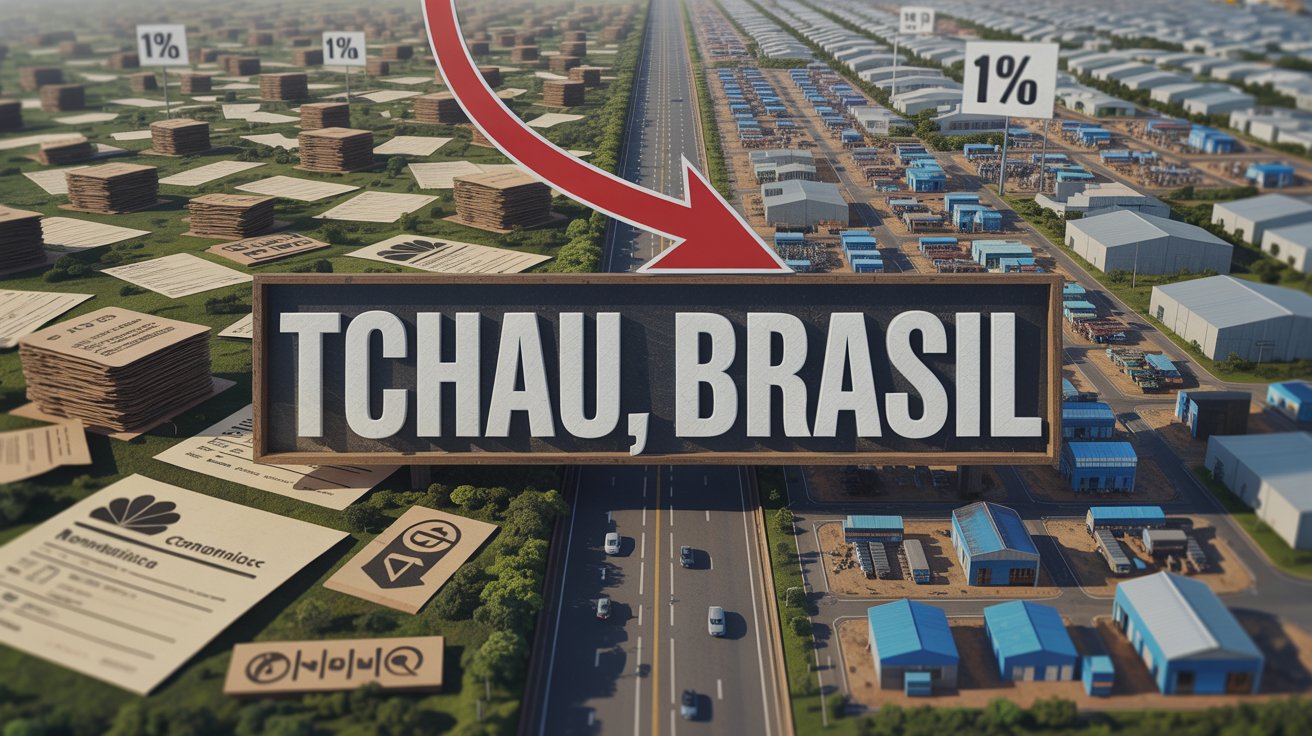


Brazilian Companies Seek Productive Alternatives in Paraguay, Driven by 1% Tax and Simpler Conditions, While Cases Like Lupo Reignite the Debate About the Weight and Structure of the Brazilian Tax System.
The decision of Brazilian companies to set up factories and offices in Paraguay, where the tax on certain export operations can be as low as 1%, has attracted everyone from small entrepreneurs to major names in the national industry, such as Lupo, and highlights the distance between the tax systems of the two countries.
In their quest to reduce costs and maintain competitiveness, these groups point to a sensitive issue: the complexity and weight of the tax burden in Brazil.
Lupo Case and Brazilian Tax Pressure
In an interview that brought the topic back to the debate, the president of Lupo, a traditional manufacturer of socks and underwear, recalled that the company was close to bankruptcy in the 1990s and, faced with the crisis, stopped paying taxes.
-
Havan buys historic football land in Blumenau for a million-dollar amount protected by a confidentiality clause and is already planning to change even the layout of streets to build a megastore in half-timbered style costing 80 million reais.

-
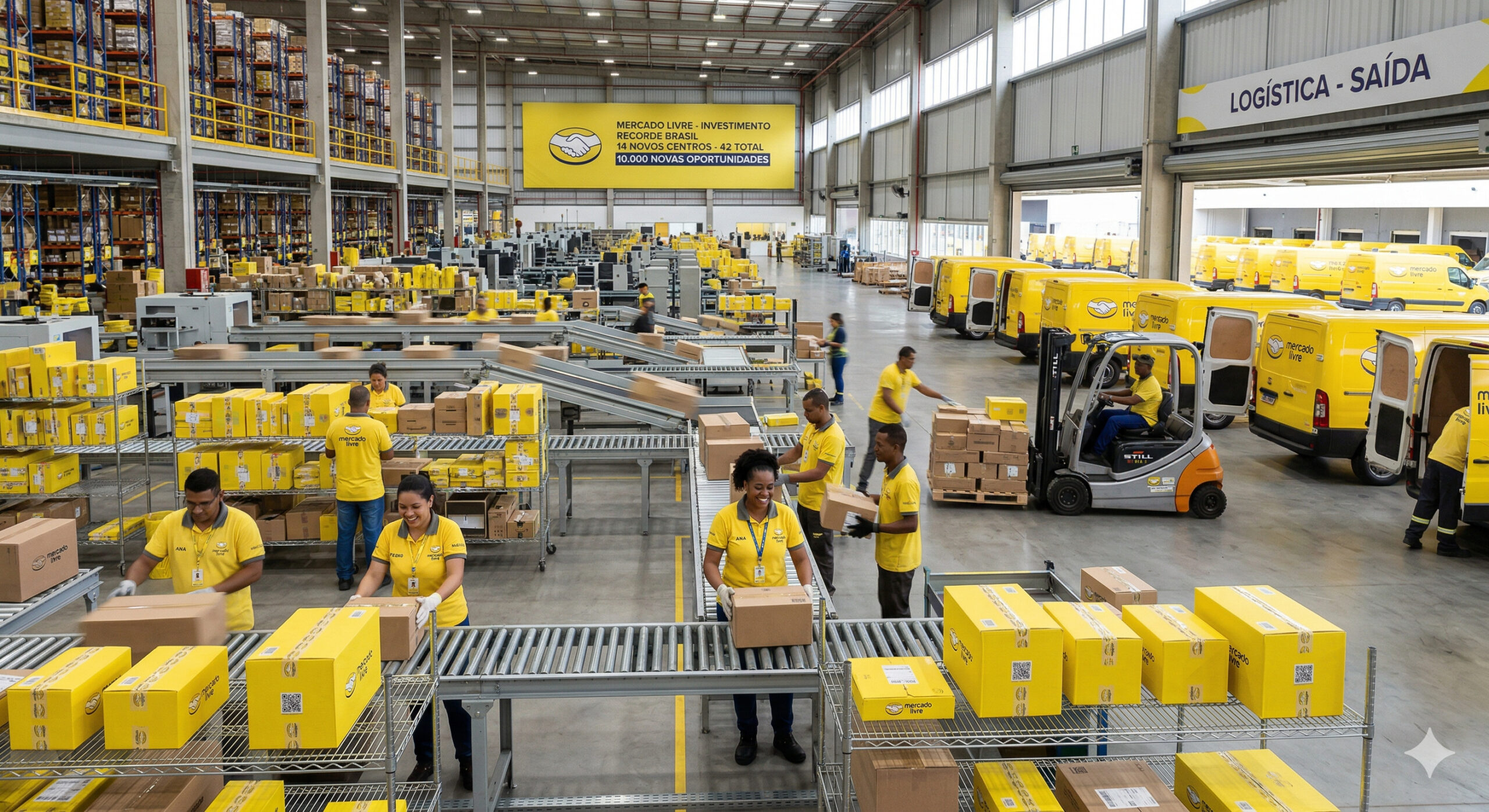
Mercado Livre “opens the vault” and announces a record investment of R$ 57 billion in Brazil in 2026, a value 50% higher than the previous year, with an expansion plan that includes 14 new logistics centers, totaling 42 units in the country and hiring an additional 10,000 employees.
-
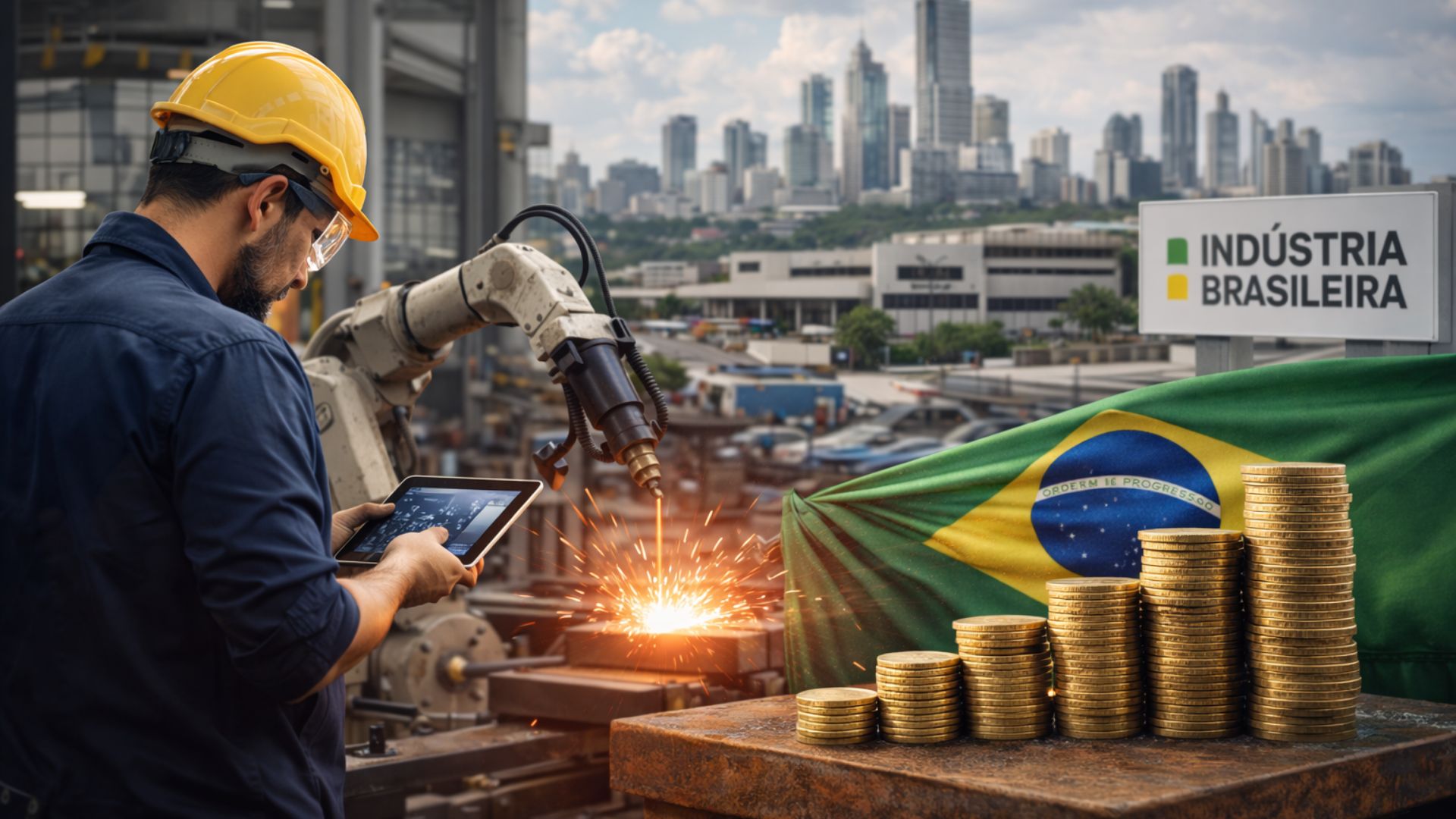
How investment in technology can revolutionize the national economy and enhance industrial gains, according to a study that highlights the direct impact on productivity, innovation, and wealth retention within Brazil.
-
The largest food company on the planet, JBS, has just opened a 4,000 square meter laboratory in Florianópolis to develop customized proteins that modulate muscle mass gain, immune response, and metabolic performance.


Years later, in 2000, the company joined a debt refinancing program with the federal government, paying off the liability in about three years, with interest and fines, but without receiving discounts on the principal amount.
The executive mentioned that, over time, the survival and expansion of Lupo began to depend on intense tax planning, based on tax benefits granted by different levels of government.
When one of these advantages was reduced, the company decided to open a new production unit outside the country, in Paraguay, where its main competitor, a Chinese manufacturer in the same segment, already operates.

This move, according to the account itself, did not mean abandoning Brazil, but redesigning the strategy to maintain margins and competitiveness in an environment of high costs, legal insecurity, and a heavy tax burden.
History of Refis and Impact on Brazilian Companies
The Lupo case fits into a broader context.
In the early 2000s, over 130,000 companies joined the first major federal tax debt refinancing program, known as Refis.
In a short time, the experience revealed weaknesses: in about two years, more than 70% of these companies were excluded due to noncompliance.
In practice, many taxpayers — unlike Lupo, which fully paid its debts — used the program as a temporary cash relief.
They would pay some installments, suspend collections, and wait for the creation of a new special plan, often with more advantageous conditions.
Over nearly two decades, the federal government launched successive refinancing rounds, consolidating an expectation of “periodic amnesties” that distorted the incentives for spontaneous compliance with tax obligations.
Another relevant effect was in the penal sphere.
By entering these programs and keeping payments up to date, companies and managers generally avoided penalties for tax evasion, as the regularization of the debt usually removed criminal liability.
At the same time, the prevailing understanding in the courts has been that financial difficulties or the choice to prioritize salaries and suppliers over the tax authority do not eliminate the manager’s criminal liability.
Only in specific situations did the courts recognize that the immediate maintenance of activity could justify the entrepreneur’s conduct.

With the approval of new tax transaction legislation in 2020, the federal government started to use more structured instruments for debt negotiation, aiming to end the cycle of large, broad, and recurring Refis and bring Brazil closer to practices adopted in other economies.
Paraguay Attracts Companies with 1% Tax
When deciding to open a factory in Paraguay, Lupo primarily targeted the maquiladoras regime, aimed at companies that produce for the external market.
Under this model, qualifying businesses pay a single tax of 1% on the value added in their operations, provided they meet requirements such as maintaining a minimum quota of national content.
These companies account for a significant portion of Paraguay’s exports today, with a strong presence in sectors such as auto parts and textiles.
A considerable part of these products is destined for Brazil, taking advantage of both geographic proximity and the Mercosur rules that facilitate trade between the two countries.
A video that circulated among tax professionals and entrepreneurs illustrates this disparity.
In it, an Argentine industrialist expresses astonishment at comparing the local tax burden with that borne by a manufacturer based in Paraguay.
However, there was no Brazilian businessman at the same table, even though the neighboring country has been a significant destination for investments from Brazilian groups seeking lower costs for years.
Differences Between the Tax Burdens of Brazil and Paraguay
The difference between the two systems is not limited to the 1% rate for maquiladoras.
In aggregate terms, the Brazilian tax revenue is around 32% of Gross Domestic Product, a level similar to that observed in OECD countries.
In contrast, Paraguay collects about 18% of GDP, a level close to the average in Latin America.
In practice, this means that the Brazilian government has significantly higher annual revenue per capita compared to its neighbor.
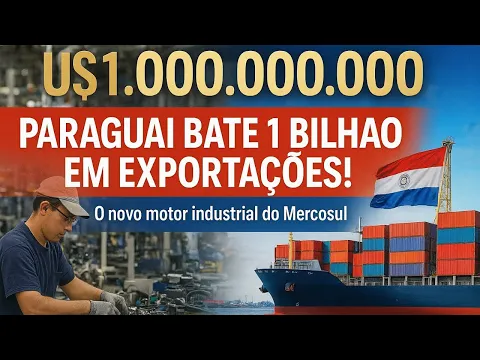

While Brazil collects, on average, around US$ 4,700 per person, Paraguay has about US$ 1,700 per inhabitant, according to recent studies from finance ministries.
This difference helps explain why Brazil offers a broader network of public policies, but also why companies face higher costs and complexity when operating in the domestic market.
Under these conditions, it is not surprising that approximately 70% of companies established under the maquila regime in Paraguay over the past 25 years originated from Brazil.
Many cite the lighter tax burden and access to relatively cheap electricity, leveraging the country’s hydroelectric matrix, as main attractions, along with the opportunity to export to Brazil with tariff advantages.
Obstacles Faced by Entrepreneurs in Paraguay
Although the Paraguayan tax design is seen as simpler and less burdensome, entrepreneurs based in the neighboring country report a series of challenges on the other side of the border.
Among the main points mentioned are difficulties in accessing credit, especially under conditions comparable to those available in Brazil, the scarcity of qualified labor, issues with logistical infrastructure, and a level of informality considered to be even higher than Brazil’s in several sectors.
Furthermore, international indicators show that Paraguay occupies a less favorable position than Brazil in corruption and human development rankings, which could pose additional long-term risks for productive investments.
Thus, despite the immediate tax advantage, the business environment is not free from obstacles and uncertainties.
Brazilian Tax Reform and Future Impacts
The movement of companies like Lupo, which divide their production between Brazil and Paraguay, reinforces the perception that a structural improvement of the Brazilian tax system is essential to reduce incentives for the migration of investments.
Currently, sales of products manufactured in Paraguay for the Brazilian market under the maquila regime come tax-free from internal taxes of that country, which enhances the competitiveness of these goods compared to items produced domestically.
In Brazil, the expectation is that the implementation of tax reform will gradually progress in relieving export taxes.
According to the approved schedule, only starting in 2027 will there be full relief on operations subject to federal taxes, and the same treatment will be extended to other consumption taxes by 2033.
Until then, Brazilian companies will continue to face a long transition, marked by parallel regimes and the need to adapt to new rules, while competitors based in neighboring countries take advantage of leaner systems and lower costs in indirect taxation.
In this scenario, the trend of Brazilians crossing the border to invest in countries with lower tax burdens is likely to continue, or will it lose strength as the reform advances and narrows the gap between producing here and abroad?







Gente não vai nessa se abrir lá nem segurança pra nada vc tem, lá não tem SUS, não tem nem água potável direito, se o narcotráfico mandar vc sair nem sua empresa leva de volta.
SUS e nada aqui é quase a mesma coisa, meses pra uma consulta e 3 milhões na fila de APOSENTADORIA. Em compensação, planos de saúde no Paraguai são baratos, assim como o custo de vida, em média 30% menor. Narcotráfico no Ceará esvaziou uma cidade inteira. Não estamos muito diferentes
Ueh, não era o EUA o maior exemplo, agora é Paraguai?
30 anos moro aqui, bom tenho ponto comercial para vender 3.,880 mts² com ponto para médicos dentistas clínicas import export, super ponto..! 585973215522