





 Portuguese
  English
  Spanish
  4 min of reading
  0 comments


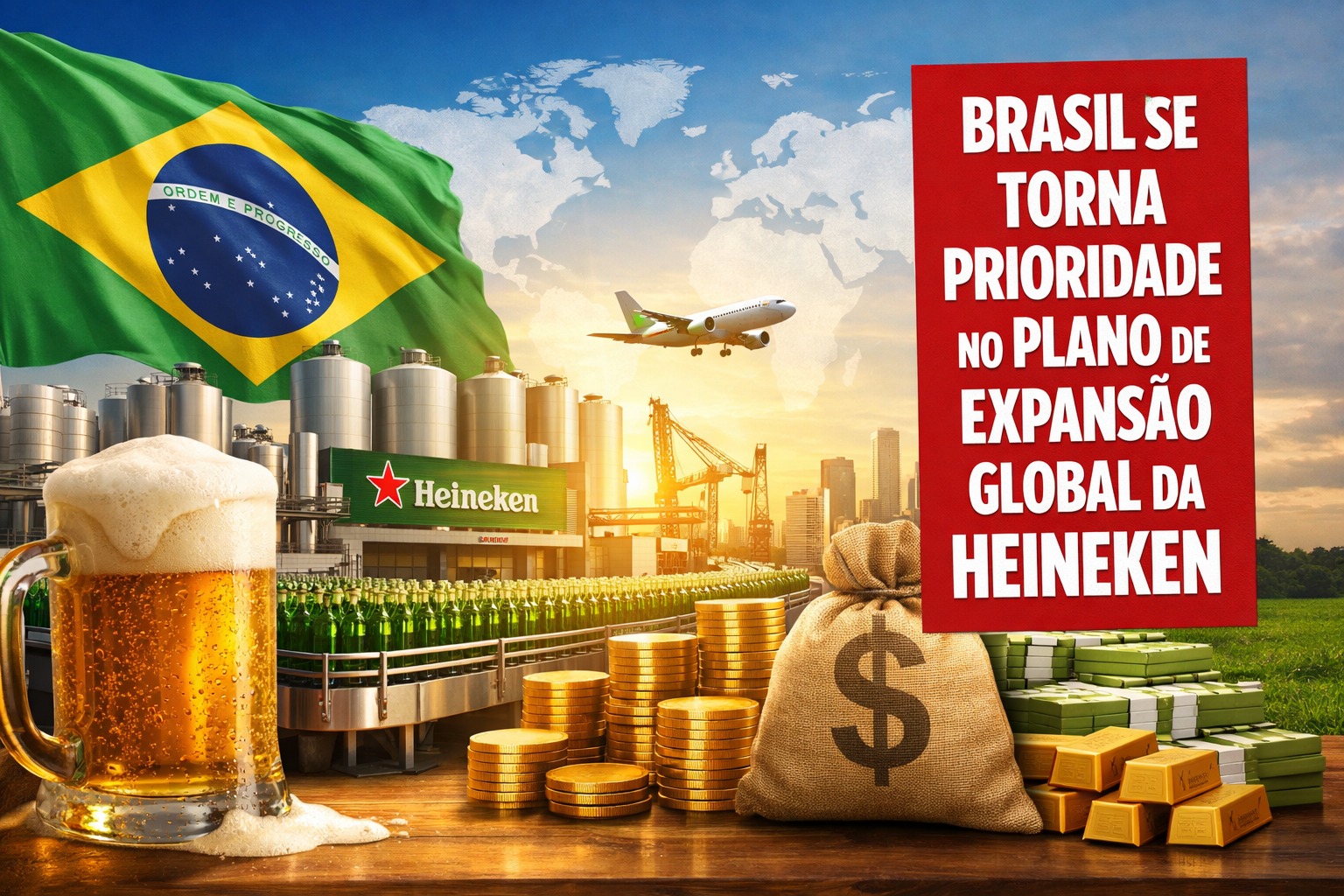
With Annual Consumption of 15 Billion Liters and 1.4% Growth in 2024, Brazil Attracts Billion-Dollar Investments, Reinforces Global Leadership, and Expands Industrial Focus on Premium Beers in the Country
Brazil consolidates its position as the third largest beer market in the world, with around 15 billion liters annually, 1.4% growth in 2024, and new industrial investments, including a 500 million-liter brewery inaugurated in November in Minas Gerais by Heineken, reinforcing the country’s strategic relevance.
High Consumption and Moderate Growth
The Brazilian beer market ranks among the largest in the world, only behind China and the United States in absolute annual consumption volume.
According to a study by Kirin, which has monitored the sector since 1975, approximately 15 billion liters are purchased every year in Brazil.
-
Historic bankruptcy of Centauro shocks the market, and the century-old company puts more than 500,000 products, machines, and complete infrastructure up for online auction.

-
New shoe factory in Ceará is expected to create 400 jobs and strengthen the local economy.
-
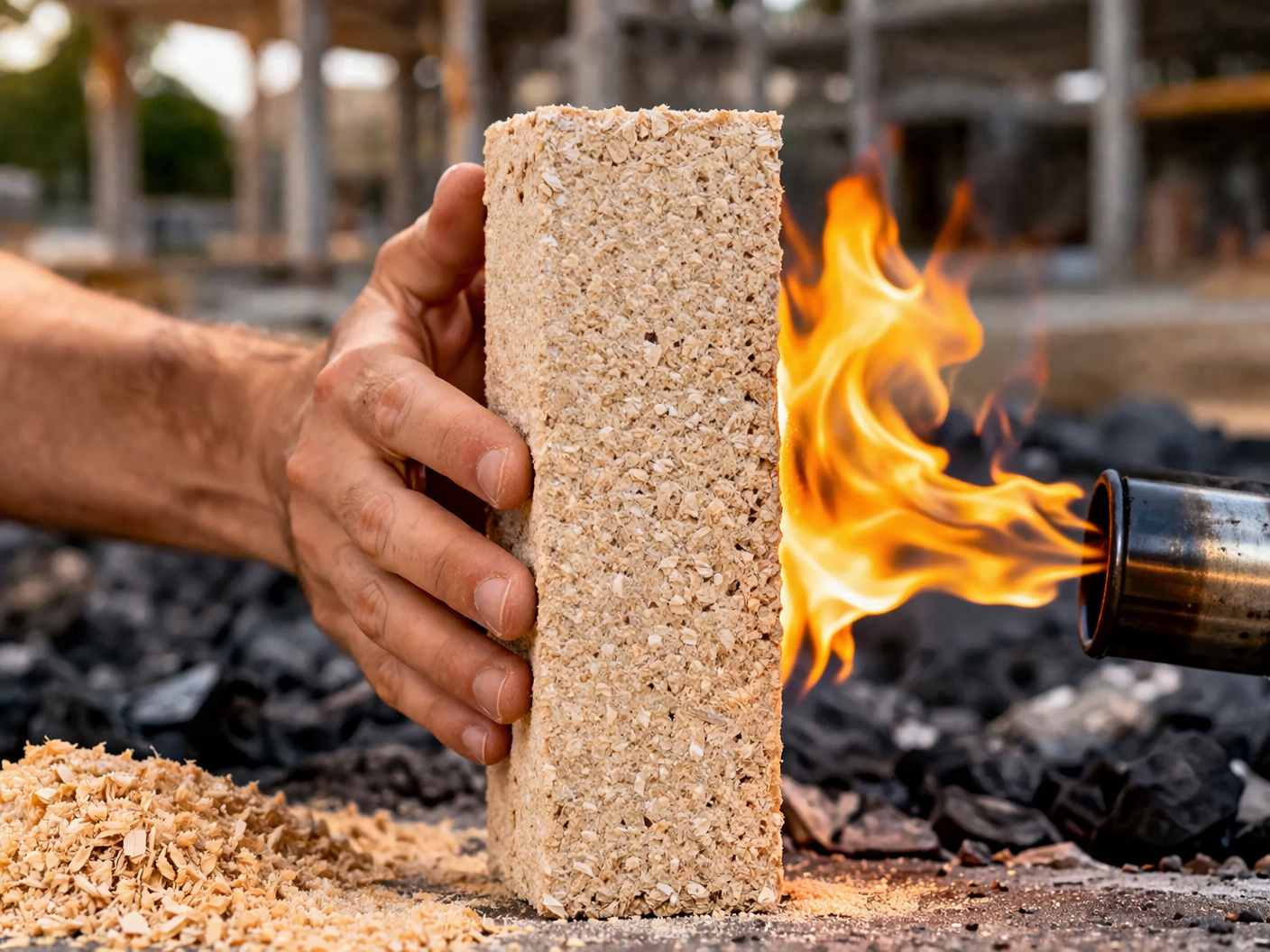
No one imagined it, but a mixture of sawdust with a mineral that fights fires surprises scientists with a result that changes the course of fire-resistant construction.
-
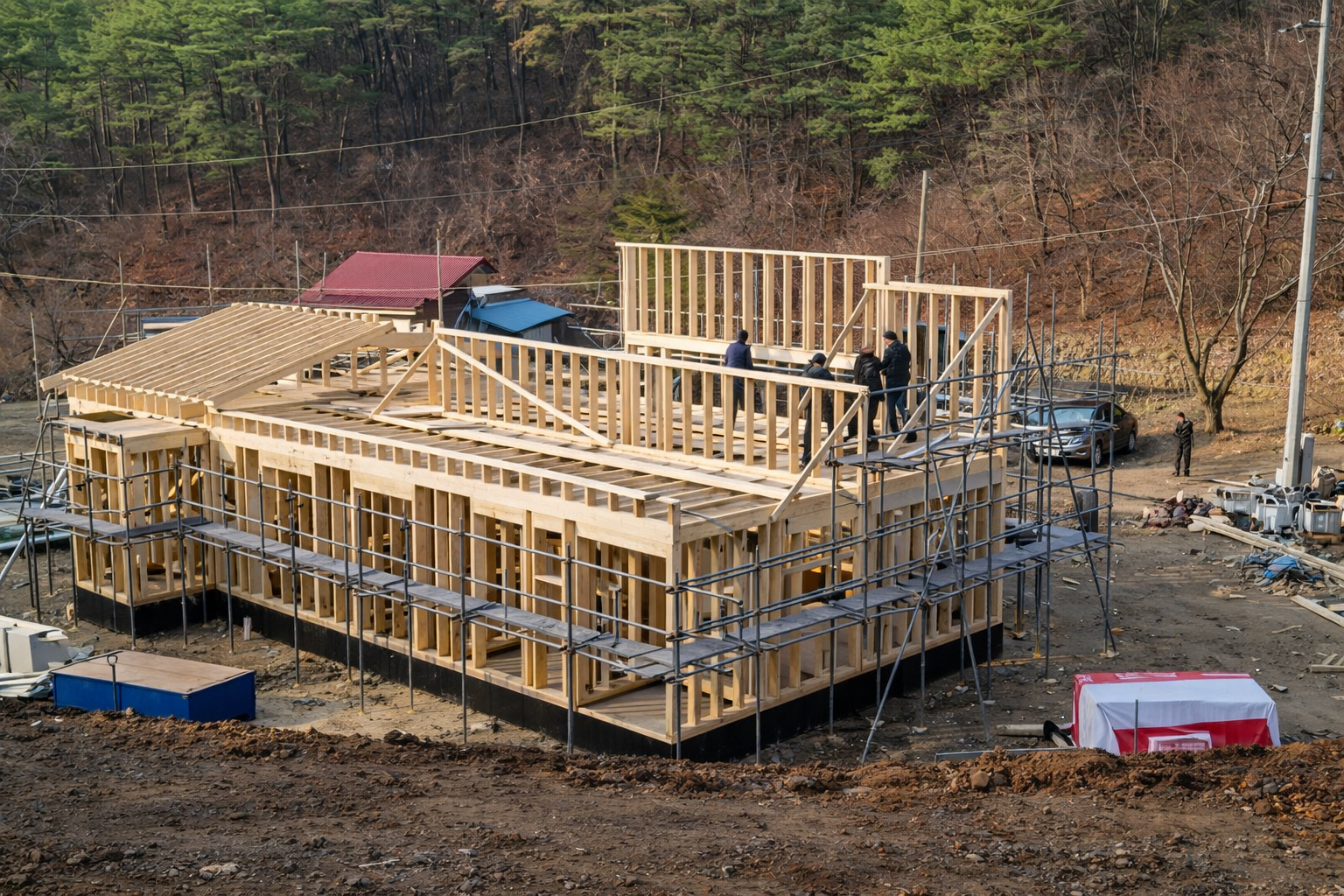
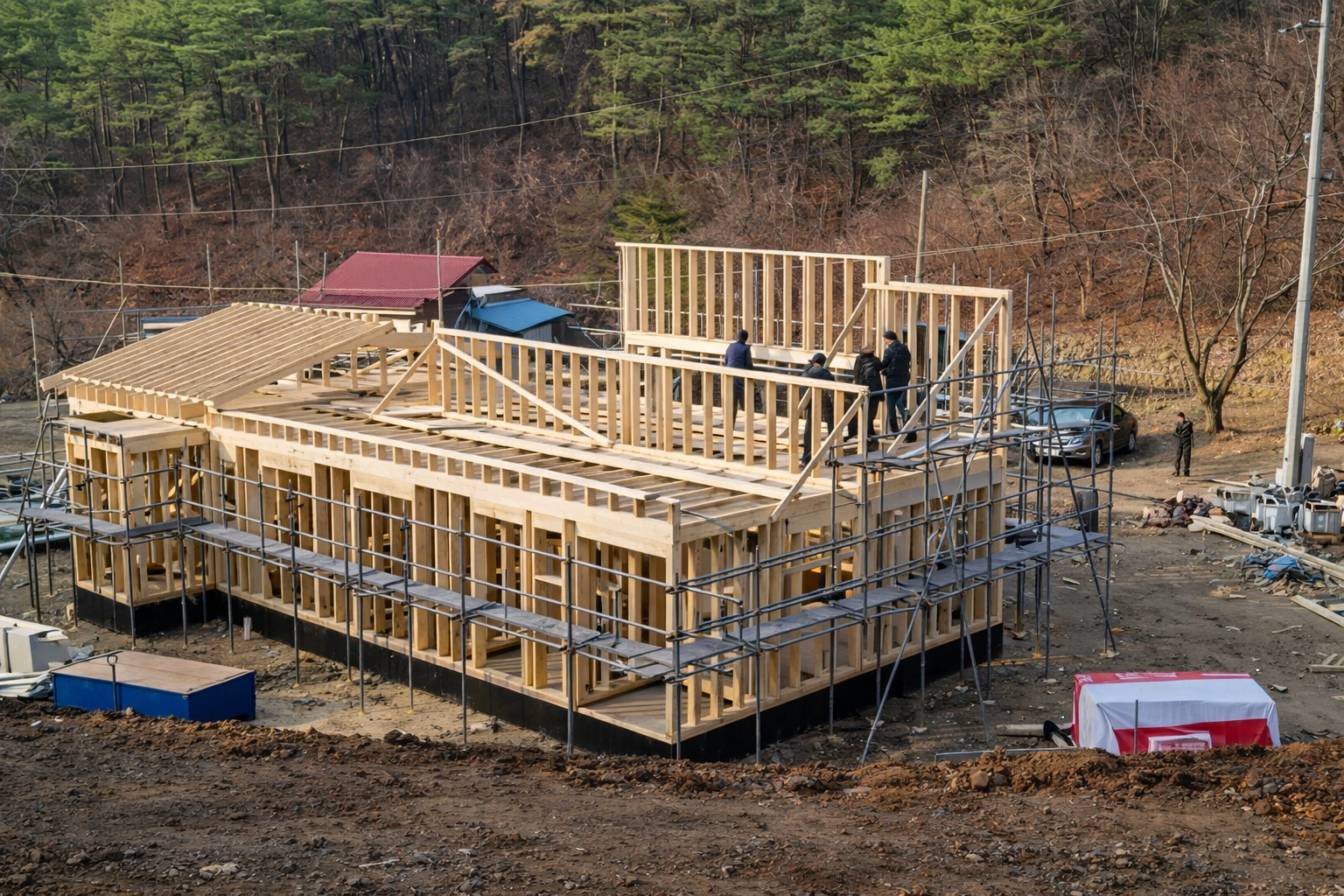
From empty land to a high-end house, wooden construction uses a lightweight system, metal structure for the foundation, ventilated ceramic cladding, and special windows to create an efficient and comfortable living space throughout the year.

Despite the impressive size, the recent market growth is limited, with only 1.4% expansion in 2024, reflecting gradual changes in consumption habits.
Still, the absolute size creates room for strategies focused on value, especially in more profitable segments where consumers are more willing to pay higher prices.
Industrial Investment and New Plant in Minas Gerais
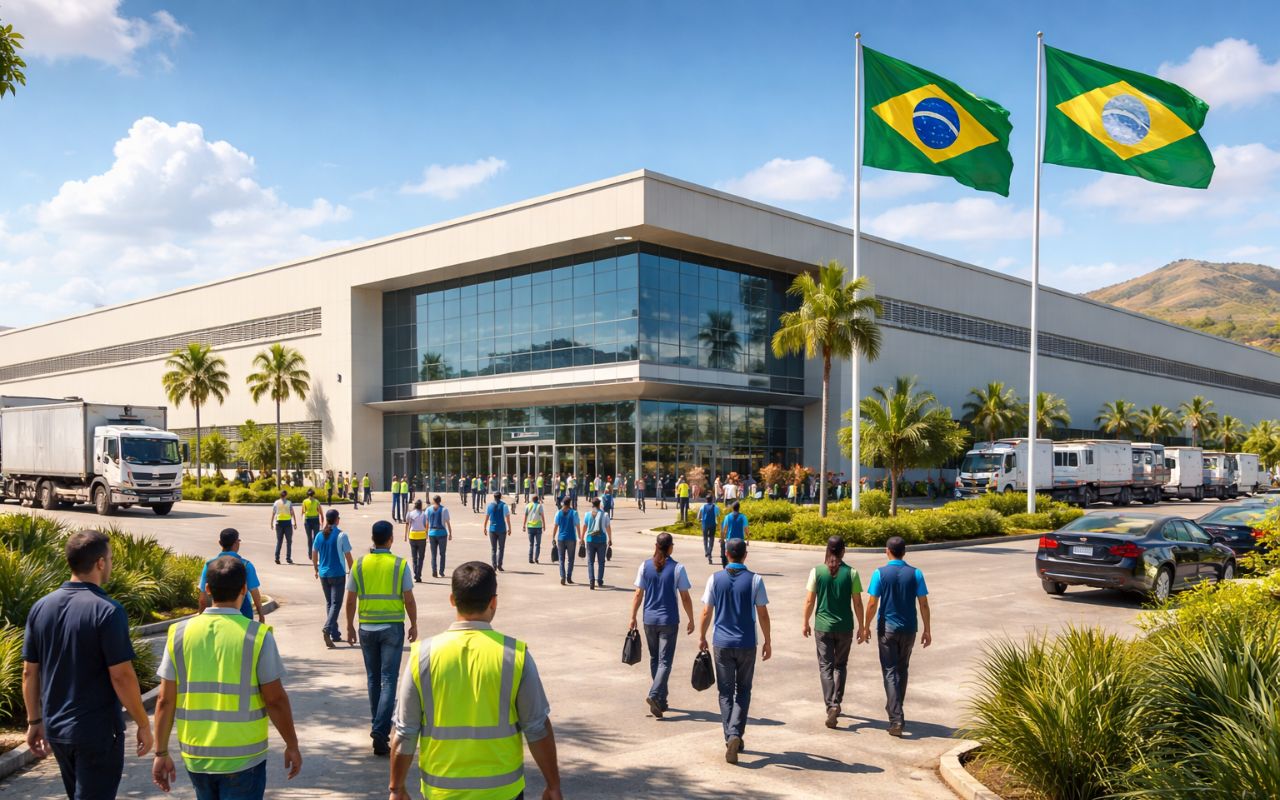
It was in this context that Heineken allocated about 2.5 billion reais to build a new brewery in the state of Minas Gerais.
The facility, inaugurated last November, represents the first production plant opened by the group in the world in five years.
This move reinforces Brazil’s central role in the company’s global strategy, after the country became its largest consumer market in 2019.
Focus on Premium Segment
When it started operations in Brazil fifteen years ago, the share of premium beers was less than 4% of total national consumption.
Currently, nearly 24% of the beers consumed in the country belong to this category, according to data presented by the company during the inauguration.
“We are confident that it is worth investing more here,” said Mauricio Giamellaro, President of Heineken in Brazil, at the event in Passos.
The growth trajectory of the premium segment is directly linked to Heineken’s expansion in the Brazilian market in recent years.
According to internal research, the company accounts for about two-thirds of the national market for pure malt beers.
The main brands in the portfolio are Heineken and Amstel, the latter being a pure malt beer positioned at a more competitive price point.
Acquisitions and Diversification
Brands like Eisenbahn and Baden Baden, targeting niches willing to pay more for semi-artisanal products, were acquired in 2017.
The operation involved a 3.4 billion reais deal with Kirin, expanding the company’s presence in specialized segments.
The Passos brewery will be dedicated exclusively to the Heineken and Amstel brands, freeing up capacity in other units for Eisenbahn.
In the premium segment, Heineken’s main competitor is Ambev, which has intensified its presence in recent years.
Based on third-quarter data, Ambev claims to lead recent sales, with a nearly 50% market share in this niche.
The competition has intensified following the entry of German Spaten into Brazil in 2021.
Production Capacity and Scale of Heineken’s New Plant
The new plant in Minas Gerais has an installed capacity of 500 million liters per year, a volume expected by mid-2026.
With this expansion, Heineken will increase its national production by about 10%, adding to the eleven units already in operation in the country.
The project is part of a sequence of investments totaling 6 billion reais over seven years.
The choice of Minas Gerais is considered strategic, as the state is currently the largest consumer of Heineken in Brazil.
Furthermore, the location serves as a logistical corridor for other major markets in the Southeast, reducing distribution costs.
“This is a relevant region for us,” said Rodrigo Bressan, Vice President of Production for the company in Brazil.
Intensive Production and Accelerated Pace
According to the executive, approximately 120,000 cans of beer will roll off the production lines at the Passos facility every hour.
The volume exceeds the local population, estimated at 112,000 inhabitants, highlighting the industrial scale of the newly inaugurated venture.
The high pace draws attention in a scenario of overall decline in alcohol consumption in the country.
Changes in Consumption Habits
Research indicates a retreat in alcohol consumption, especially among the younger population and residents of metropolitan areas in the Southeast.
A survey from Ipsos-Ipec indicates that 64% of Brazilians did not drink alcohol in 2025.
The percentage represents an increase of 9 percentage points compared to 2023, with a higher incidence among classes A and B.
For industry analysts, the reduction in consumption does not necessarily imply a generalized decline of breweries in the country.
“Innovation is what gives resilience to the sector,” says Ana Paula Tozzi, Executive Director of AGR Consultores.
According to her, premium beers and non-alcoholic labels concentrate the biggest growth opportunities in recent years.
Expansion of the Non-Alcoholic Beer Market
The separation between beer and alcohol has become clearer, opening space for new consumer profiles and occasions for consumption.
Heineken’s zero-alcohol version leads the segment, according to data from Nielsen.
The consultancy points out that one in ten Brazilian households already regularly consumes non-alcoholic beers.
“Heineken knows this and has its non-alcoholic product very well positioned,” says Cristina Souza, President of Tanjerin.
After five years without inaugurating any factories, global CEO Dolf van den Brink came to Brazil to celebrate the new unit.
During the November event, the executive stated that the company is projecting growth not only for five years but for fifty years.
This move reinforces the bet on a market that, even with lower per capita consumption, offers added value, industrial scale, and new avenues for expansion.
With information from Veja.








Seja o primeiro a reagir!