





 Portuguese
  English
  Spanish
  4 min of reading
  0 comments


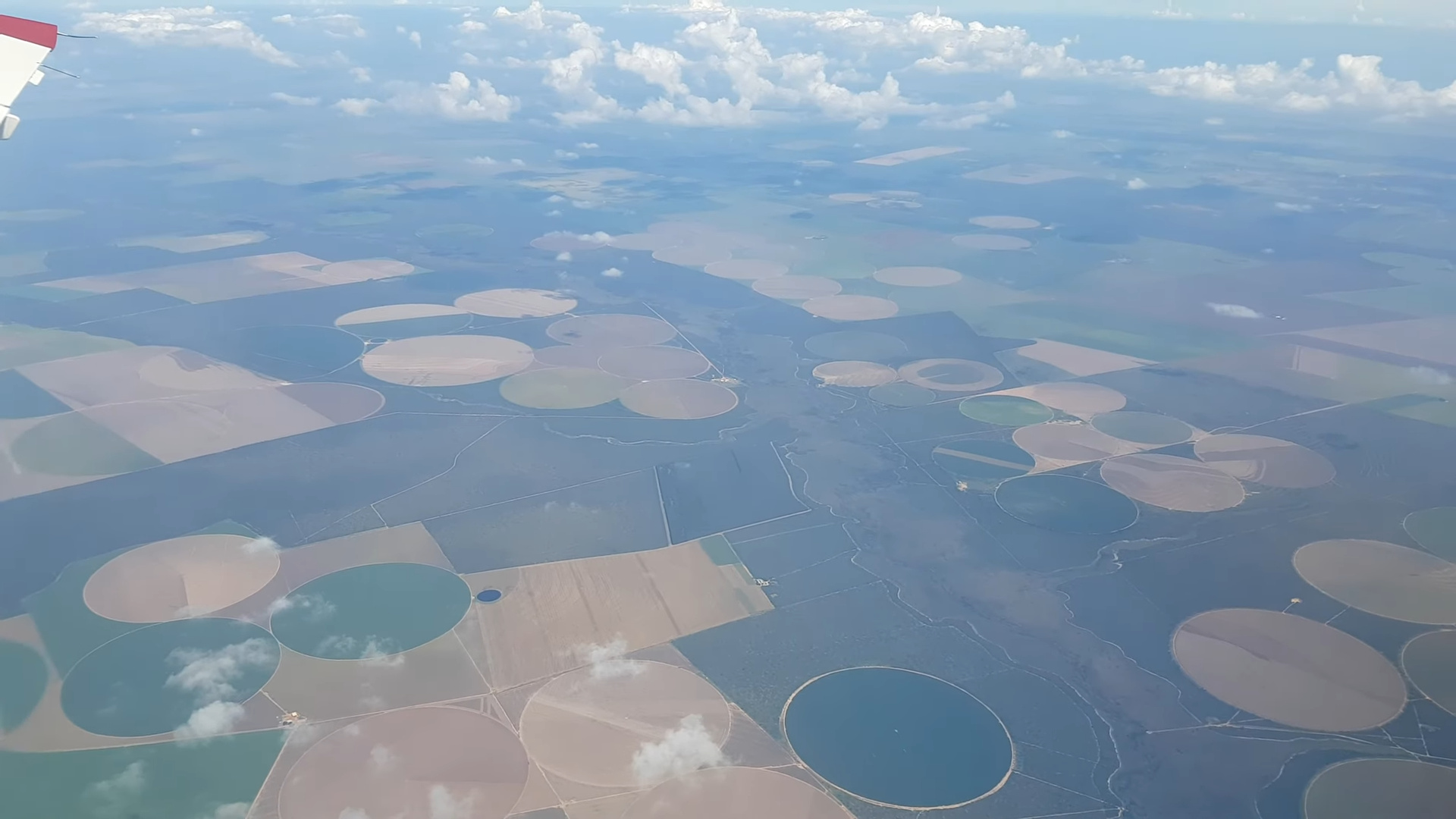
With 73 Million Hectares, MATOPIBA Produces Soybeans, Corn, and Cotton on a Scale Comparable to Entire Countries and Solidifies Itself as One of the Largest Agricultural Belts in the World.
The MATOPIBA, an acronym that encompasses parts of the states of Maranhão, Tocantins, Piauí, and Bahia, in Brazil, has become one of the most strategic agricultural regions in the world over the last decade. According to Embrapa, the region occupies a land area of approximately 73 million hectares, of which millions are already used in highly mechanized agricultural systems, with an emphasis on the production of soybeans, corn, and cotton.
Data consolidated by Embrapa and the Ministry of Agriculture (MAPA) indicates that, in the 2022/2023 harvest, around 4.8 million hectares of MATOPIBA were planted with soybeans, resulting in an approximate production of 18.5 million tons. This volume, alone, surpasses the annual soybean production of several countries, highlighting the region’s importance in the global grain market.
Where MATOPIBA Is Located and Why It Is Considered an Agricultural Frontier

MATOPIBA is predominantly located in theCerrado biome, covering the southern part of Maranhão, large parts of Tocantins, the southwest of Piauí, and the west of Bahia.
-
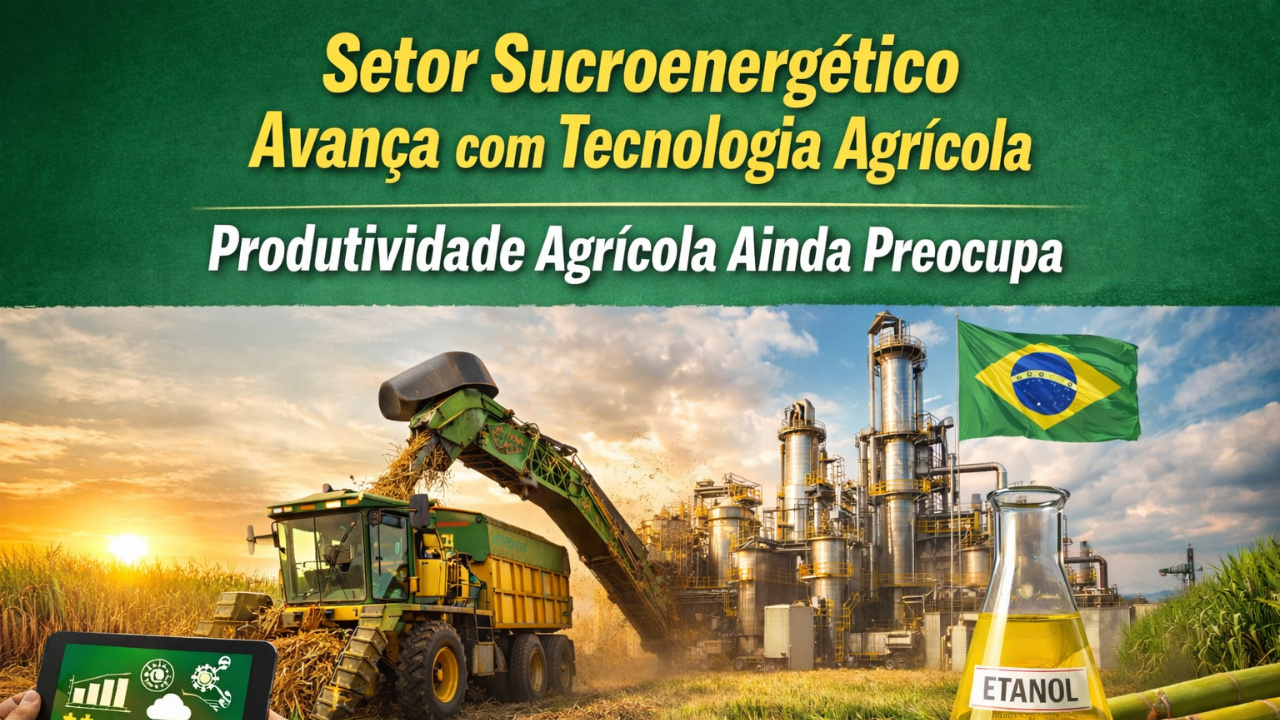
The sugar-energy sector advances with agricultural technology, but agricultural productivity still raises concerns.
-
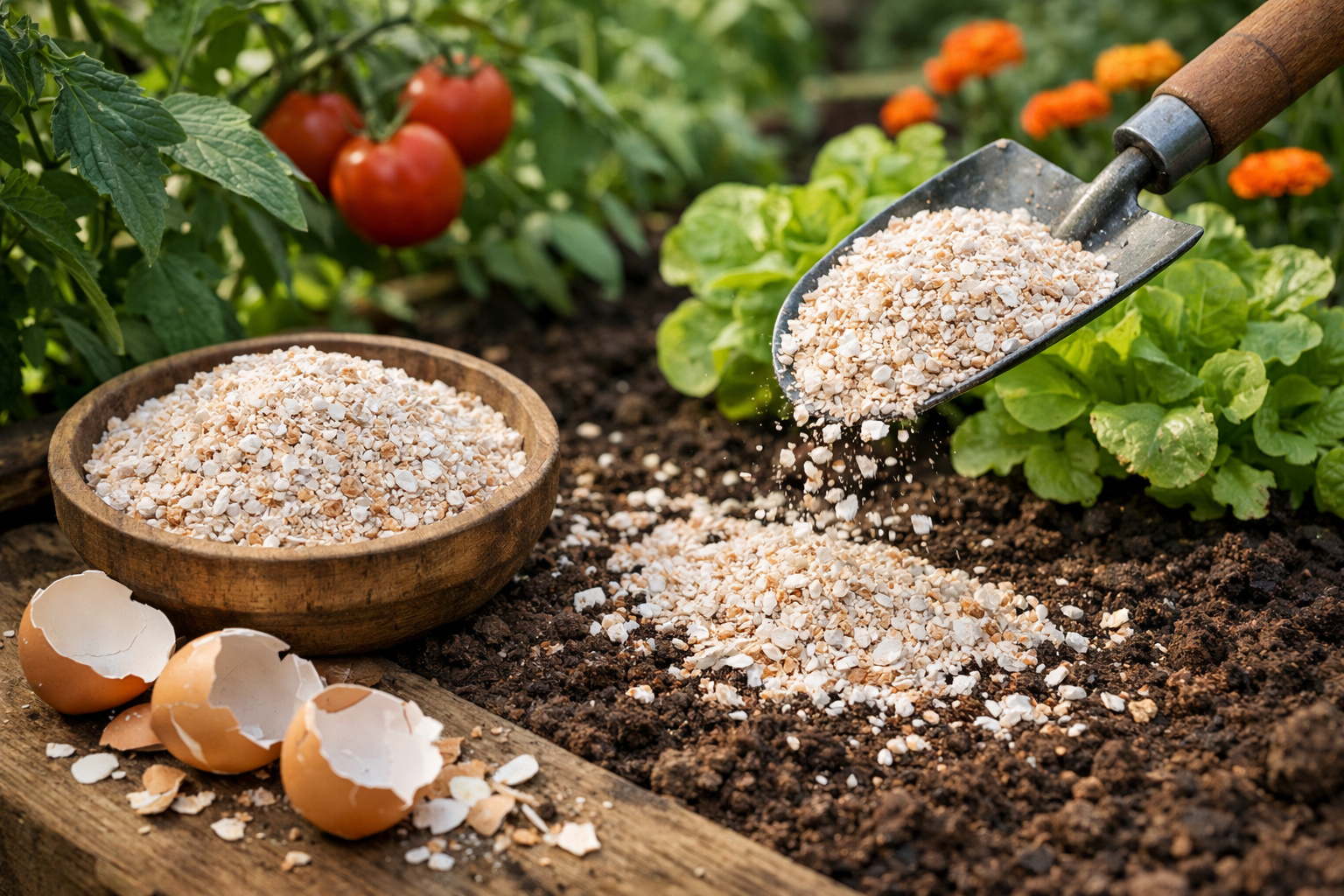
The eggshell that almost everyone throws away is made up of about 95% calcium carbonate and can help enrich the soil when crushed, slowly releasing nutrients and being reused in home gardens and vegetable patches.
-
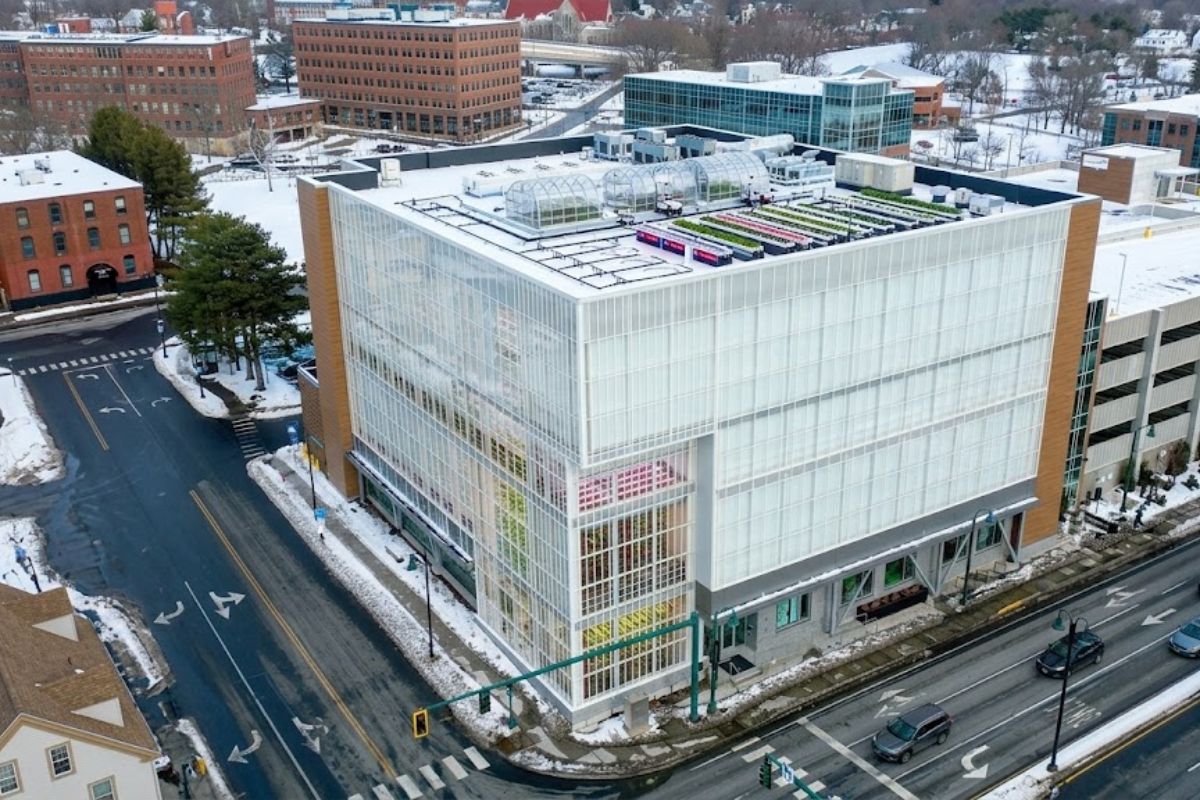
This farm in the United States does not use sunlight, does not use soil, and produces 500 times more food per square meter than traditional agriculture: the secret lies in 42,000 LEDs, hydroponics, and a system that recycles even the heat from the lamps.
-
The water that almost everyone throws away after cooking potatoes carries nutrients released during the preparation and can be reused to help in the development of plants when used correctly at the base of gardens and pots, at no additional cost and without changing the routine.


The region began to gain prominence from the 2000s onwards, when technological advances in soil correction, adapted seeds, and heavy mechanization allowed for the transformation of previously marginal areas into productive hubs.
According to studies by IBGE, the growth of agricultural production in MATOPIBA was one of the fastest in the country from 2010 to 2023, with significant increases in both the cultivated area and productivity per hectare.
Integrated Production on a Continental Scale
Unlike a single mega-farm, MATOPIBA functions as a continuous agricultural belt, formed by hundreds of large properties and agribusiness groups, interconnected by logistics infrastructure, warehouses, silos, and export corridors.
This regional organization allows for scale gains that are rarely observed outside of major agricultural powerhouses.
According to MAPA, the total production ofgrains in the region jumped from about18 million tons in the 2013/2014 harvest to approximately35 million tons in 2022/2023, a growth ofnearly 100% in less than ten years.
Official projections indicate that this volume could reach48 million tons by 2032/2033, with moderate expansion of the cultivated area and additional productivity gains.
Comparison with Entire Countries
To gauge the scale of MATOPIBA, one needs only to compare its figures with international statistics compiled by the Food and Agriculture Organization (FAO).
The annual soybean production in the region is approaching or surpassing the total production of countries like Paraguay, Bolivia, or Uruguay in certain harvests, even though it is concentrated in just one part of Brazilian territory.
In terms of area, the 73 million hectares of MATOPIBA are larger than the total area of European countries such as Portugal, Ireland, or Austria, even though not all of this area is currently converted into crops.
Technology, Mechanization, and Precision Agriculture
The advancement of MATOPIBA is directly linked to the intensive use of technology. The region operates with:
- large-scale harvesters,
- direct planting on a large scale,
- precision agriculture based on GPS,
- climate and soil monitoring,
- integrated logistics focused on export.
Technical reports from Embrapa indicate that the adoption of these practices has allowed for increased productivity without the need for proportional expansion of the area, reducing costs and improving the efficiency of land use.
Logistics and Access to Global Markets
Another decisive factor is logistics. MATOPIBA connects to strategic ports of the so-called North Arc, such as the Itaqui Port (MA), reducing distances to consumer markets in Asia and Europe. This logistical advantage has been fundamental for the competitiveness of the soybeans and corn produced in the region.
Despite the impressive scale, MATOPIBA faces significant challenges. Environmental agencies, researchers, and the federal government itself monitor impacts on the Cerrado, seeking to balance agricultural production, environmental conservation, and land regularization.
Sustainable intensification programs and traceability are being adopted to meet the requirements of international markets.
The case of MATOPIBA demonstrates how an integrated agricultural region, supported by science, technology, and logistics, can achieve a productive scale comparable to that of entire countries. More than just an agricultural frontier, MATOPIBA has established itself asone of the pillars of global food security, reinforcing Brazil’s role as an agro-exporting power in the 21st century.










-

-

-

-

-

-

24 pessoas reagiram a isso.