





 Portuguese
  English
  Spanish
 3 min of reading
  0 comments


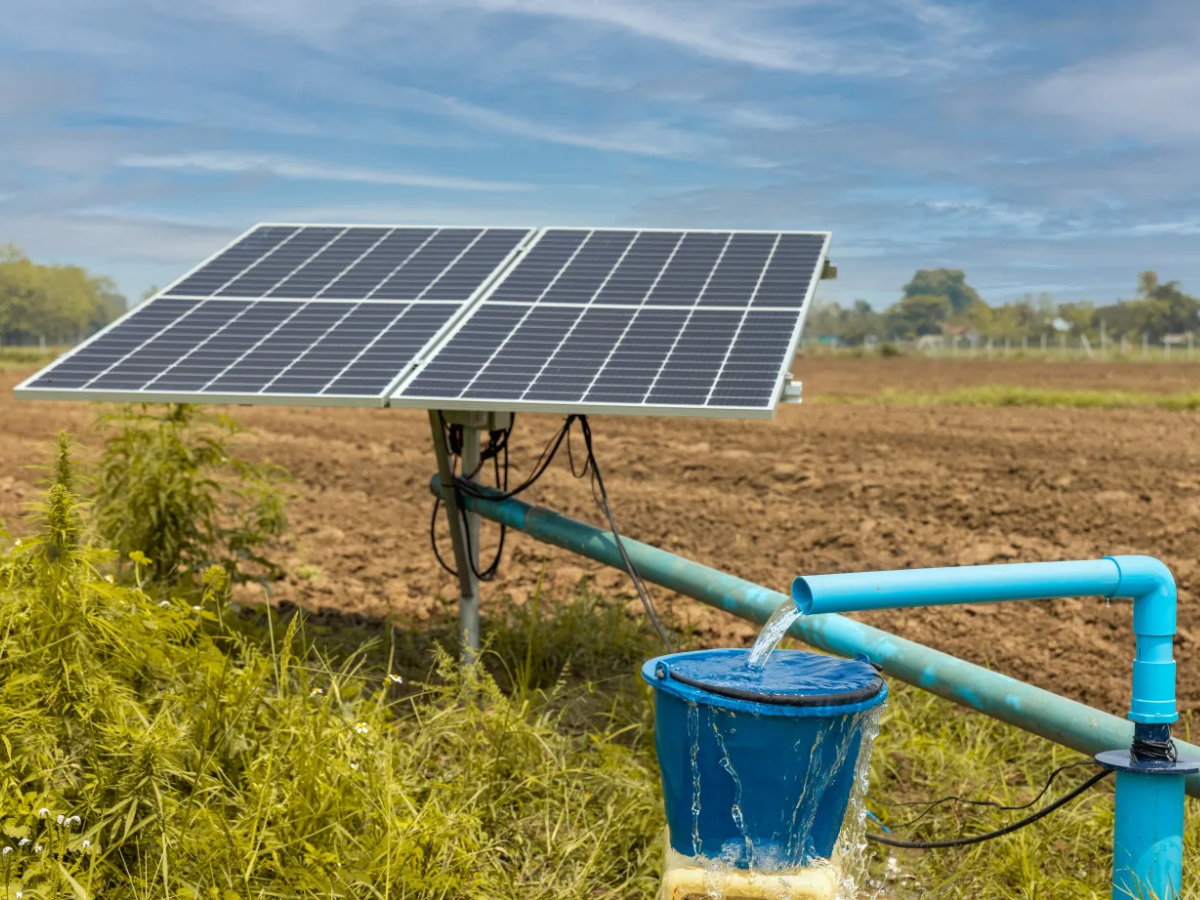
In The Semi-Arid Region Of Piauí, Installation Of Solar Panels Helps Hundreds Of Families To Plant, Raise Animals, And Spend Less On Electricity Bills.
About 150 families from the municipalities of São Francisco de Assis and Betânia in Piauí are experiencing a significant transformation in their routines and household economy. The reduction in electricity costs came with the installation of solar energy panels, through an initiative of the Cisterns Program, executed by the federal government in partnership with the NGO Obra Kolping.
Solar Energy Boosts Family Farming And Reduces Expenses In Piauí
With the help of abundant sunlight in the northeastern semi-arid region, families in rural communities in Piauí now have photovoltaic systems that power water pumps installed in cisterns.
This initiative is part of the implementation of the so-called “calçadão” cisterns, which include the installation of kits composed of a pump, a 100-watt solar panel, and a circuit breaker.
-
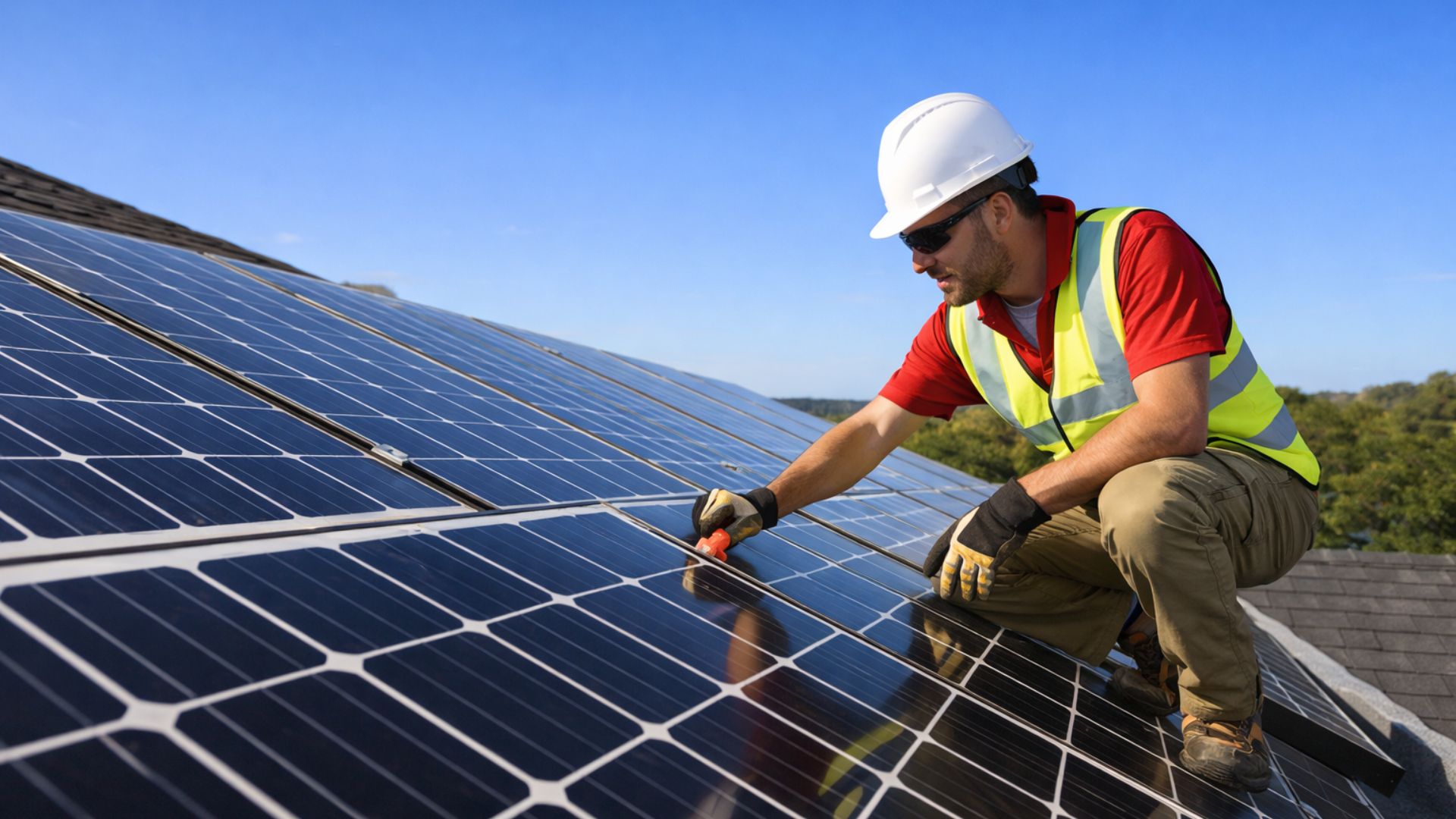
Seagri’s headquarters invests in solar energy with Neoenergia Coelba and promises to cut electricity costs, highlighting a strategic advance in sustainability and energy efficiency within state public administration.
-
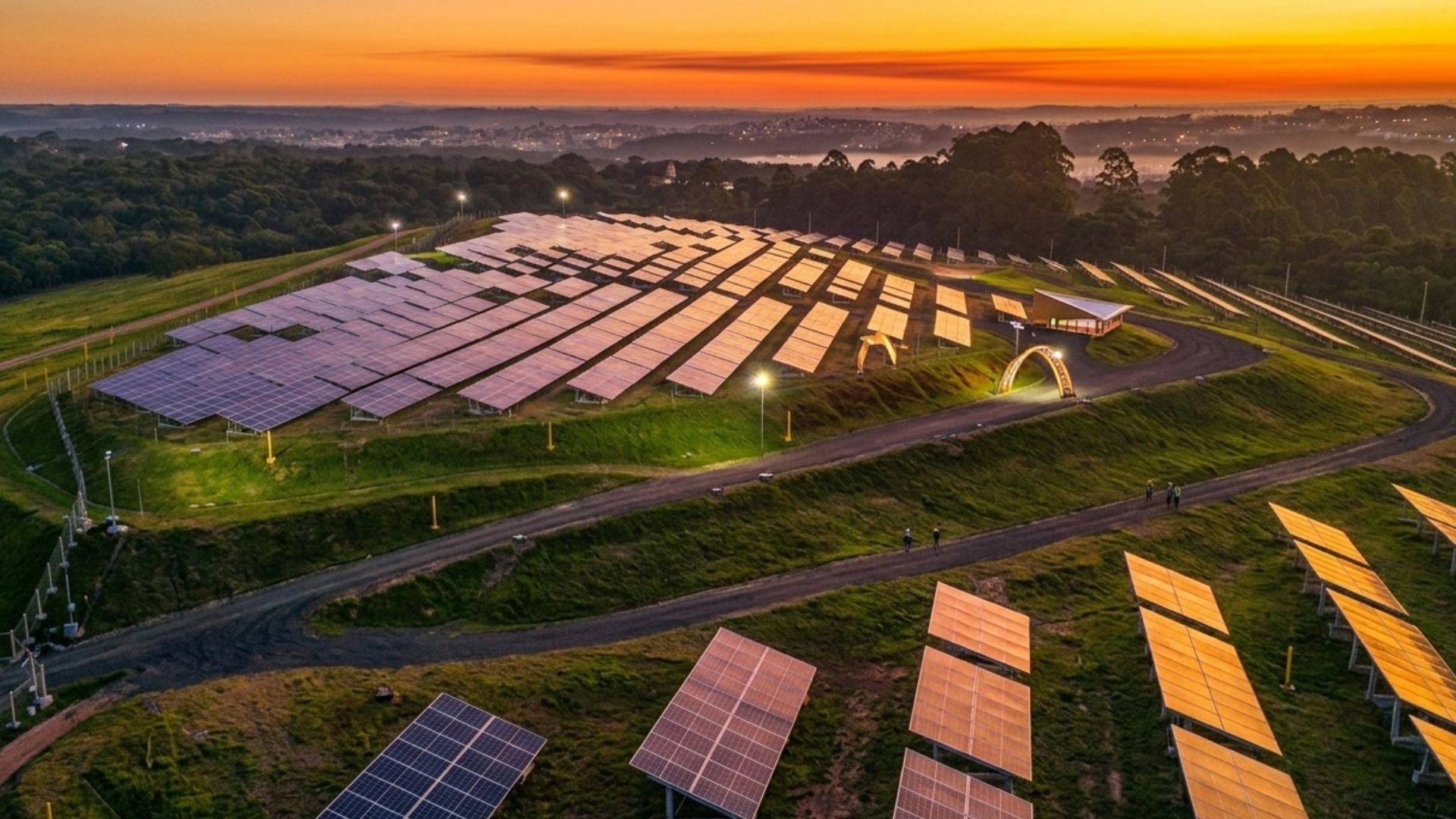
Solar Pyramid draws attention by converting solar energy into million-dollar savings and repositioning the City Hall of Curitiba as an example of innovation, sustainability, and intelligent use of public resources.
-
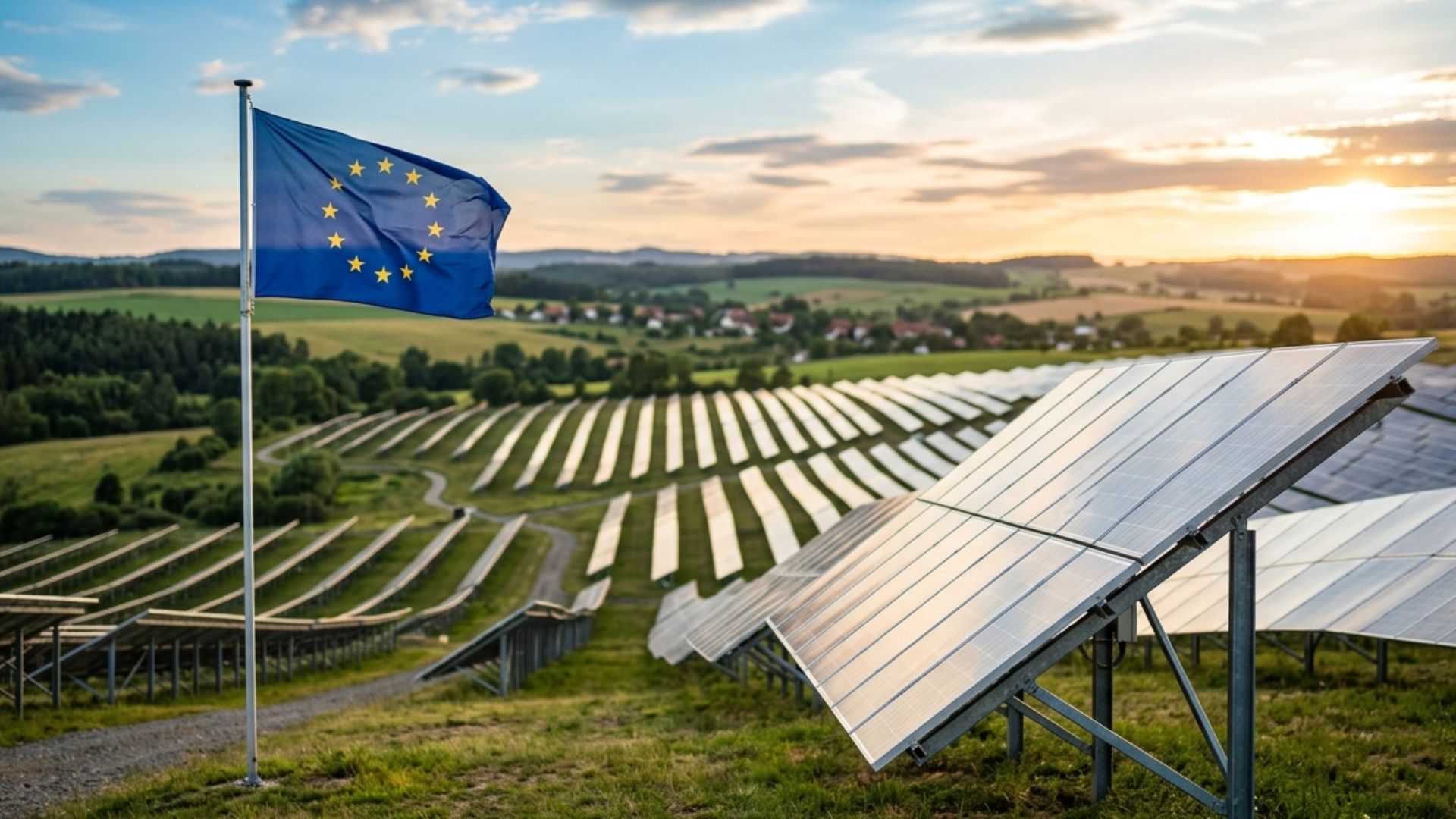
Europe records strong euro economy with solar energy in March and sparks curiosity about which country leads growth that redefines the energy market and reduces costs.
-
Piauí reaches a historic milestone in energy transition: State records nearly 160,000 households powered by solar energy and leads growth in the Northeast.
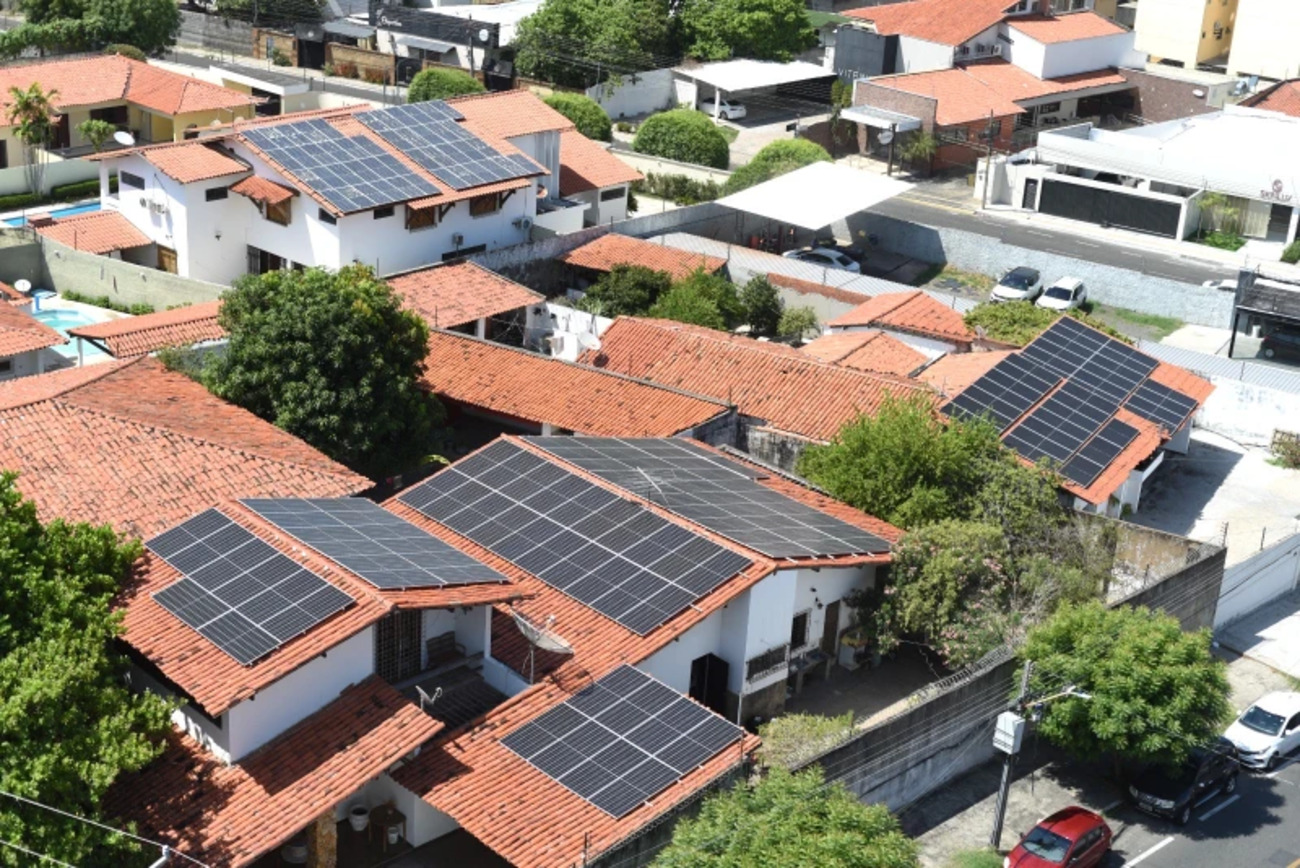

These equipment allows drawing stored water without any additional energy costs, ensuring supply for irrigation of crops, raising animals, and domestic use.
The savings on electricity bills are significant, especially for those who rely on family farming as their main source of income.
The Semi-Arid Region Of Piauí Takes Advantage Of High Solar Irradiation Index
Piauí is strategically located in the “Brazilian solar belt,” ensuring an average irradiation of 5.9 kWh/m² and approximately 12 hours of sunlight daily. This allows the pumps to be used throughout the entire daytime, even without storage batteries.
Each installed kit costs around R$ 1,300, a value considered affordable given the long-term benefits generated.
Although the system only works during the day, this limitation does not pose a barrier, given the high solar incidence in the region.
Testimonials Reveal Positive Impact On Rural Life
The farmer Raimunda Juliana Coelho shared the improvements she has experienced since the arrival of the cistern with solar energy.
“I have already managed to plant a tomato, I have already managed to plant vegetables, there is already green seasoning, lettuce, kale, cherry tomatoes, and regular tomatoes. There will be more rain, and we will be able to fill the cistern. Then, thank God, we will be able to plant a little more to get ahead, make feed for the animals, and for things for home consumption,” she reports.
The testimonial highlights how the combination of access to water and clean energy is promoting food security, family autonomy, and strengthening rural activities in Piauí.
According to Antônio Barbosa, coordinator of the program Uma Terra e Duas Águas, actions like this are essential for strengthening agroecology and sustainable living with the semi-arid region.
“These innovations, in fact, are what make families walk in the agroecological perspective, in production, respecting environmental issues, and in relationships between people. Innovation is perhaps the main hallmark of the semi-arid people,” he stated.
Technical Training And Guaranteed Maintenance
To ensure the continuous operation of the equipment, a free course aimed at the beneficiary families is scheduled for the second semester of this year.
The goal is to train them in the maintenance of the systems, including the solar panels, which have a 25-year warranty.
This action is part of a public policy that combines clean technology, economy, and sustainability, promoting real improvements in the lives of those living in the driest regions of the country.
Source: Agência Brasil








Seja o primeiro a reagir!