





 Portuguese
  English
  Spanish
  5 min of reading
  0 comments


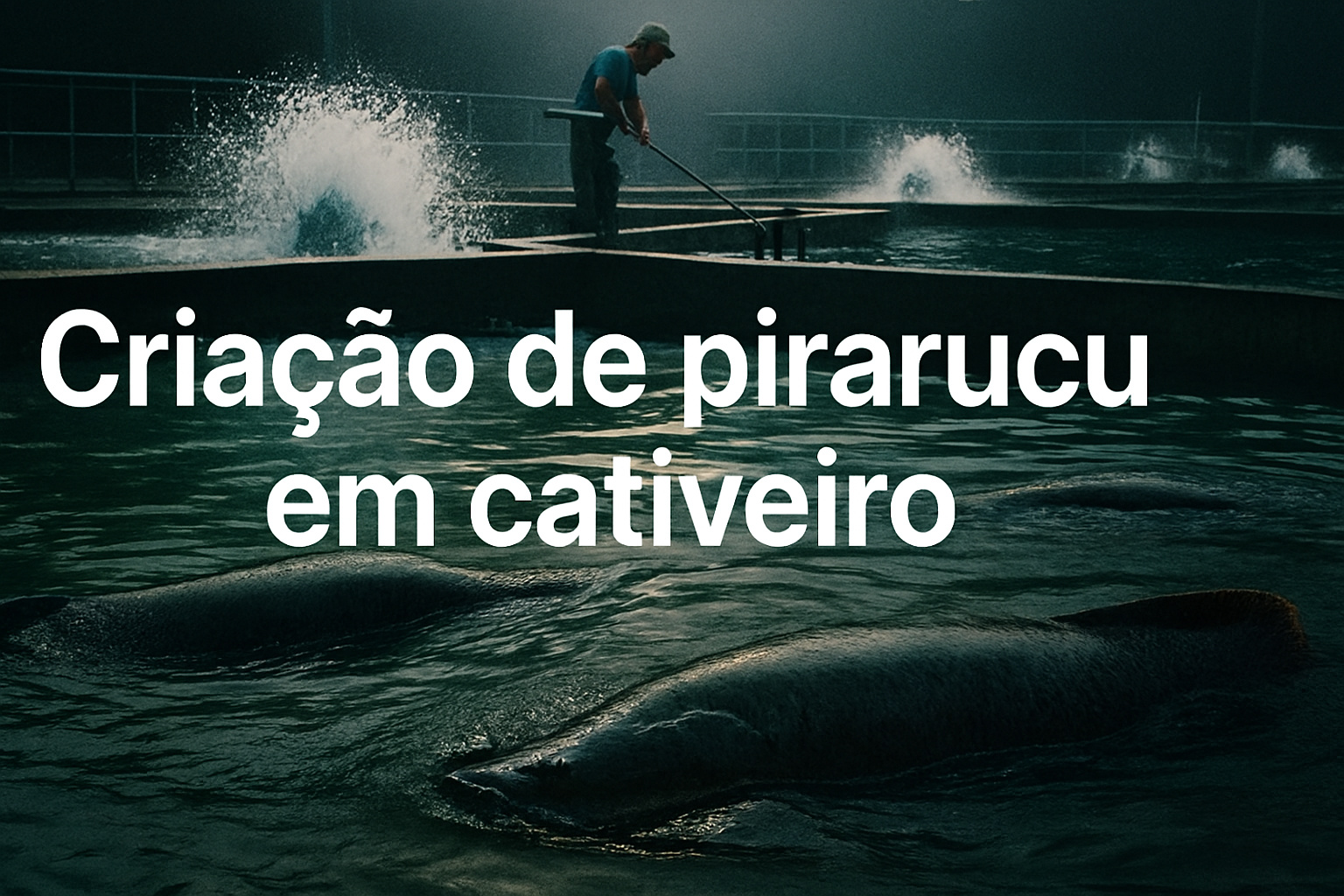
Intensive Pirarucu Farming Transforms Amazonian Nurseries Into Giant Tanks Where Fish Over 100 Kg Grow Like Production Machines.
Pirarucu farming has ceased to be an isolated experience in the Amazon and has become one of the most impressive activities in Brazilian aquaculture. In Rondônia, Acre, and Amazonas, rural properties that once relied on family farming now operate extensive tanks, powerful aerators, and daily management systems focused exclusively on a fish capable of exceeding 2 meters in length and weighing over 100 kg. The pirarucu, an iconic species of the Amazon basin and a symbol of traditional fishing, now serves as the central piece of a productive mechanism that never stops and drives a new economy in the North of the country.
The cycle begins in the larviculture phase, when small fry are strictly monitored in smaller tanks until they reach a size sufficient to move on to the fattening phase. Management at this stage is daily, with constant feeding, behavioral observation, and absolute control of water parameters.
Producers know that any temperature, oxygen, or pH variation can compromise entire months of work. Therefore, sensors and aerators remain active even during the night, ensuring that the environment remains stable for an animal with a sensitive metabolism.
-
The water that almost everyone throws away after cooking potatoes carries nutrients released during the preparation and can be reused to help in the development of plants when used correctly at the base of gardens and pots, at no additional cost and without changing the routine.

-
The sea water temperature rose from 28 to 34 degrees in Santa Catarina and killed up to 90% of the oysters: producers who planted over 1 million seeds lost practically everything and say that if it happens again, production is doomed to end.

-
An Indian tree that grows in the Brazilian Northeast produces an oil capable of acting against more than 200 species of pests and interrupting the insect cycle, gaining ground as a natural alternative in soybean, cotton, and vegetable crops.
-
The rise in oil prices in the Middle East is already affecting Brazilian sugar: mills in the Central-South are seeing their margins shrink just as ethanol gains strength.


The Pirarucu as a Feed Conversion Machine and a Colossus Within the Tanks
The most notable characteristic of farmed pirarucu is its ability to gain weight consistently, as long as it receives high-protein feed and a controlled environment. In a few months, specimens that arrived weighing just over 50 grams exceed 1 kg.
In two years, they can easily exceed 20 kg. In specialized properties, complete cycles lead the animal to weights ranging from 70 to 120 kg, depending on market strategy. This impressive growth makes the pirarucu one of the most efficient proteins in Brazilian aquaculture in terms of feed conversion.
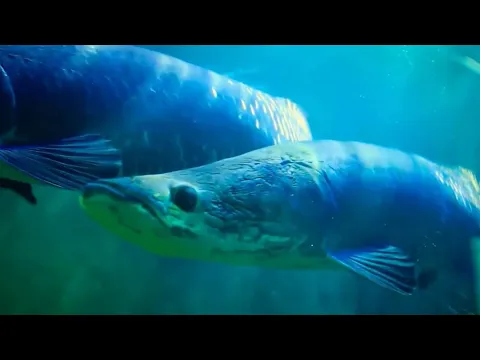

Fattening is marked by an intense rhythm. Feeding occurs several times a day with extruded feed that floats on the surface to facilitate monitoring.
During each meal, workers observe the behavior of the fish: aggressiveness, appetite, speed, and schooling formation are precise indicators of health and performance.
The experienced producer can identify within seconds if something is wrong and adjust the management on the spot. The operations function like a “living factory,” where every detail directly influences the final outcome.
Giant Tanks Operating Like Industrial Complexes of Water and Biomass
When visiting a pirarucu farm in the interior of Amazonas or Rondônia, it’s impossible to ignore the scale of the structures. Excavated tanks, hectares of nurseries, supply channels, and drainage areas form a mosaic designed to support the weight of hundreds of tons of aquatic biomass. What impresses is not only the size of the tanks but the organization of operations: each nursery has a specific routine with set times for feeding, measuring parameters, and observation.

Water is monitored with disciplined obsession. Levels of ammonia, nitrite, and oxygen are analyzed to ensure that the fish breathe without stress and grow at an accelerated pace. When necessary, pumps are activated to oxygenate, recirculate, or renew the water.
In larger properties, sensors send mobile alerts to those in charge, who can correct problems before they cause mortality. Nothing is left to chance, as each pirarucu represents a high-value economic asset.
The Slaughter of Giants and the Logistics Involving Tons of Fish
The harvesting process of pirarucu is a separate chapter in the routine of Amazonian aquaculture. The operation is planned in advance because moving dozens of animals that easily exceed 80 kg requires strength, technique, and coordination.
Workers enter the tanks and direct the fish to shallow areas, where they are captured with reinforced nets. Transport is done in boxes and trucks equipped for large volumes, and processing occurs in structures prepared to handle massive carcasses.
The pirarucu fillet, valued in the domestic market and highly appreciated in the gastronomy of white meat restaurants, is one of the most prized in national aquaculture.
Due to having very few bones and a delicate flavor, it has become an export product and an important item on Brazil’s protein agenda. This movement has elevated the pirarucu from “regional fish” to a protein of national and international economic interest.
Sustainability and Economic Impact in the Amazon
Pirarucu farming has not only met the growing demand for quality protein but has also helped reduce pressure on the species in its natural environment. In many Amazonian areas, wild pirarucu has historically been targeted for predatory fishing, reaching critical levels. Aquaculture has changed this reality.
Today, communities that lived exclusively from traditional fishing have started to invest in tanks, nurseries, and modern farming structures, increasing income without compromising environmental balance.
The economic impact is visible: rural properties have been restructured, families have found new sources of income, and local cooperatives have begun to organize the production chain more efficiently.
The market continues to expand and is likely to become one of the pillars of Amazonian aquaculture in the coming years, especially due to the size, yield, and gastronomic acceptance of the species.
Why the Pirarucu Is One of the Most Promising Fish in Modern Aquaculture
No other Brazilian fish combines so many favorable characteristics: rapid growth, appreciated meat, efficient feed conversion, relative hardiness, and high commercial value. By transforming Amazonian nurseries into true deposits of aquatic biomass, the pirarucu aquaculture reveals one of the most intense and productive systems in the country.

The operation functions like an industrial machine that never stops, supplying restaurants, markets, and exporters with a product that previously depended exclusively on wild fishing.
The pirarucu, giant of the Amazon waters, has become more than just a regional symbol. It has become a protagonist of modern protein, raised with technique, intensity, and industrial scale, in a process as impressive as the size of the fish itself.








-

-

-

-

-

26 pessoas reagiram a isso.