





 Portuguese
  English
  Spanish
 5 min of reading
  1 comment


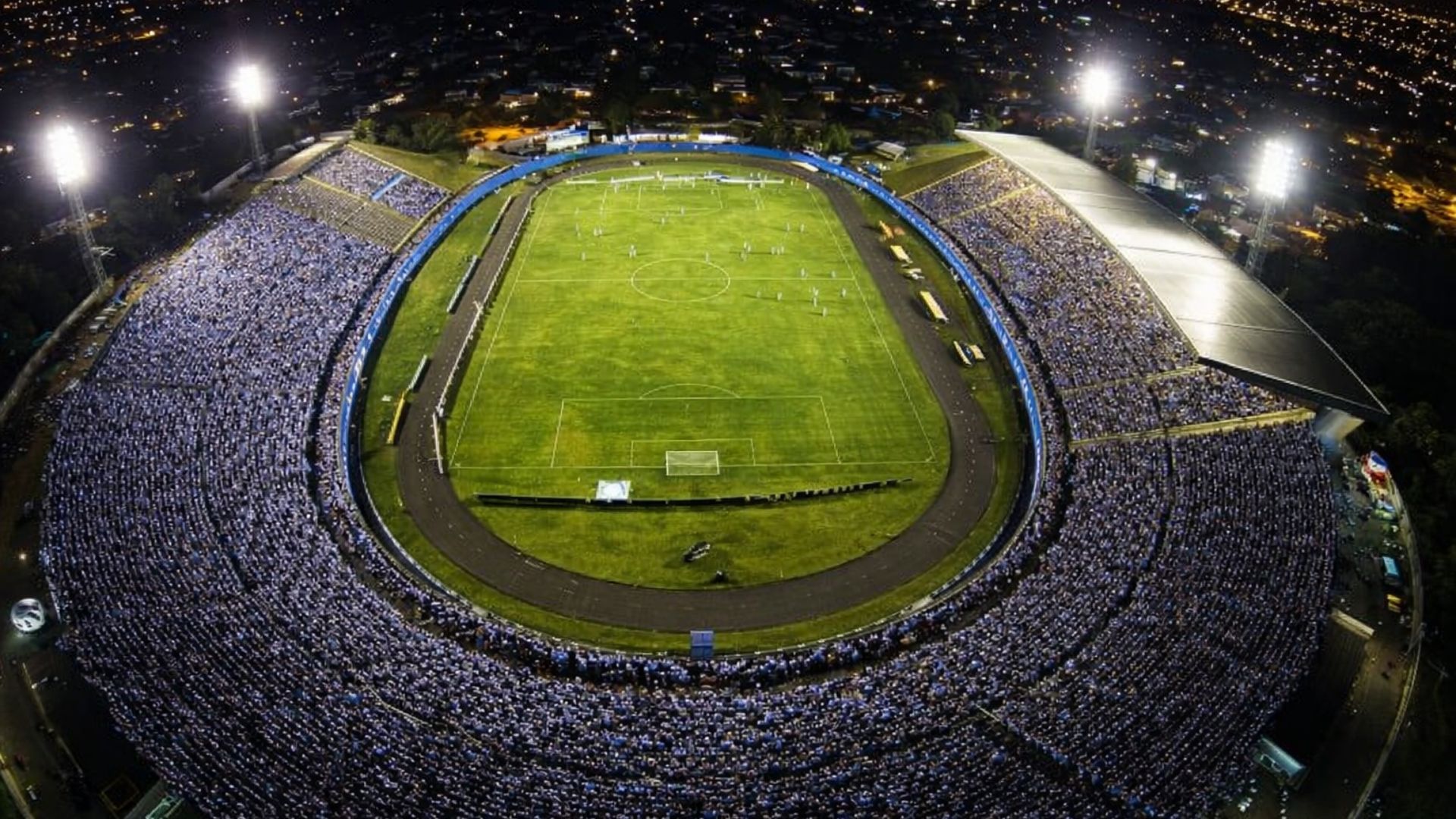


Built In Record Time, Taking Advantage Of The Natural Topography Of The Land And Marked By Historical Games, The Café Stadium Consolidated Londrina On The National Sports Map And Became A Regional Symbol
Inaugurated in 1976, the Café Stadium — officially called Estádio Jacy Scaff — represents much more than a space for soccer matches. With a capacity for around 31 thousand spectators, the stadium has established itself as the largest and most important sports venue in northern Paraná, remaining one of the main urban symbols of Londrina. Since then, its unique architecture, sporting history, and social function have helped shape the sporting identity of the city and the region.
The information was released by specialized content on sports architecture and the history of regional soccer, highlighting analyses published on channels dedicated to the memory of Brazilian stadiums and the Londrina Esporte Clube, as well as historical records from the City Hall of Londrina and the Municipal Sports Foundation. These materials help to understand why the Café Stadium remains relevant even after almost five decades of operation.
Why Does The Café Stadium Have A Horseshoe Shape

Unlike modern arenas with closed shapes, the Café Stadium draws attention for its horseshoe design, open at one end. This feature was not merely a stylistic choice. On the contrary, the construction of the stadium took advantage of a natural depression in the land, popularly known as a “hole,” where the stands were fitted.
-
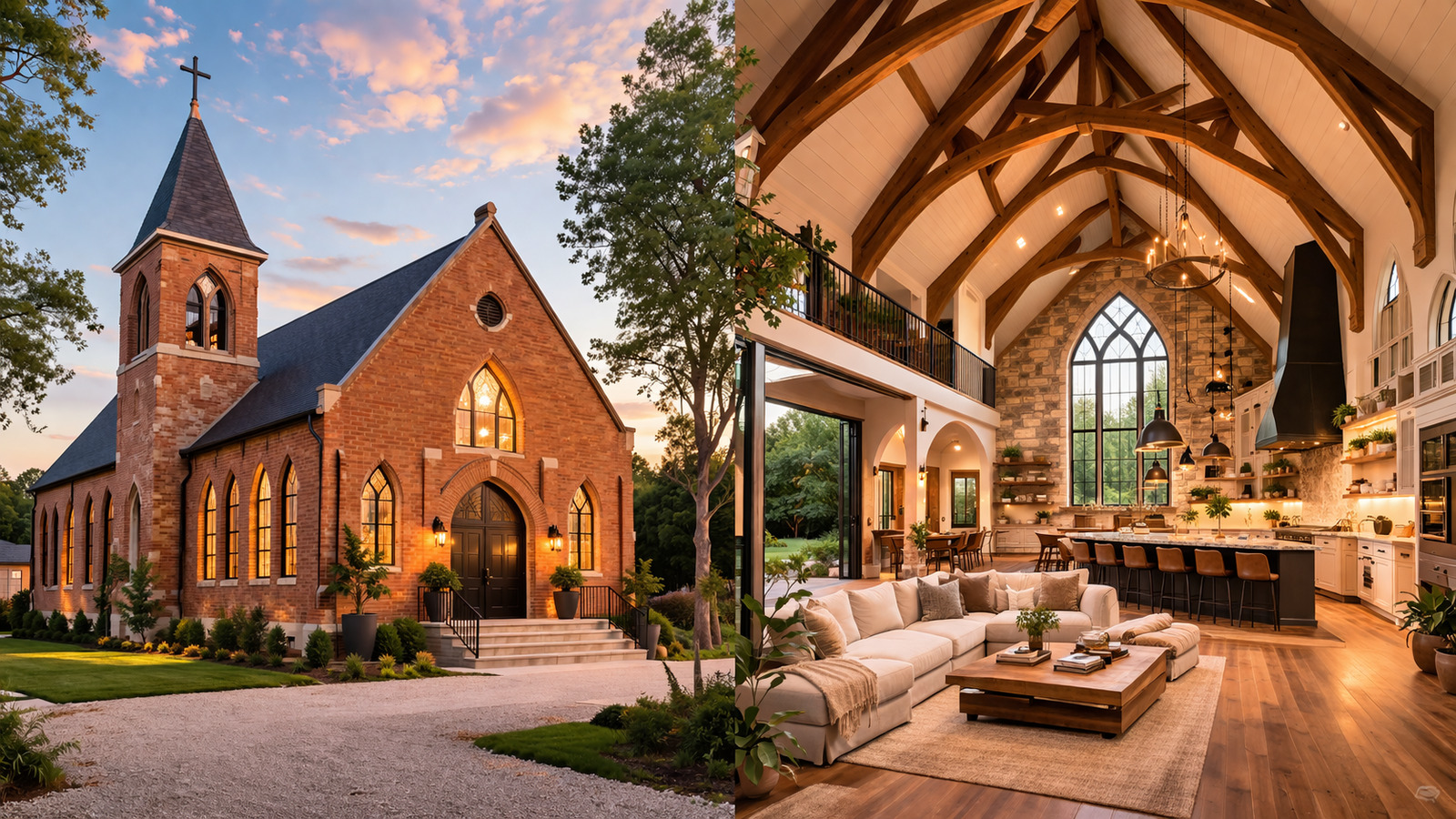
Church from 1888 becomes a mansion of over 330 m² in Canada after a renovation of R$ 3.4 million and is eventually sold for nearly R$ 4.3 million.
-
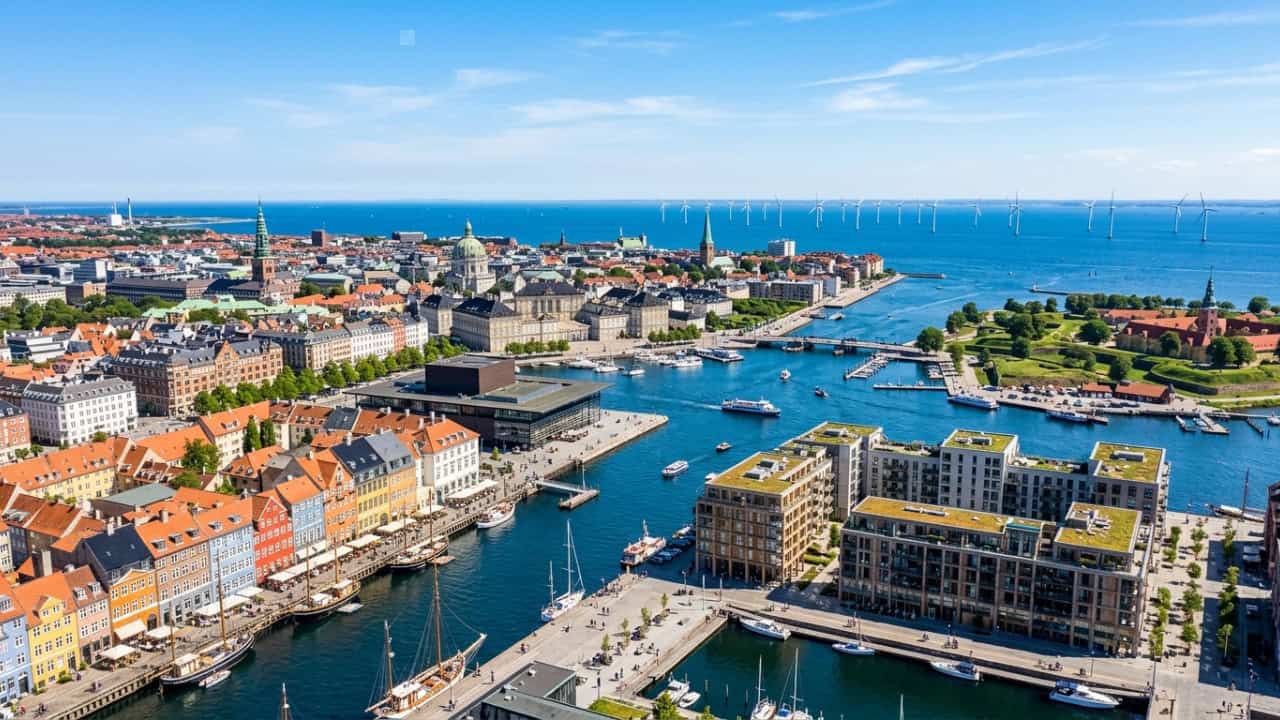
How an innovative city combines high technology, well-being, and sustainability to become the largest reference in clean energy on the planet.
-
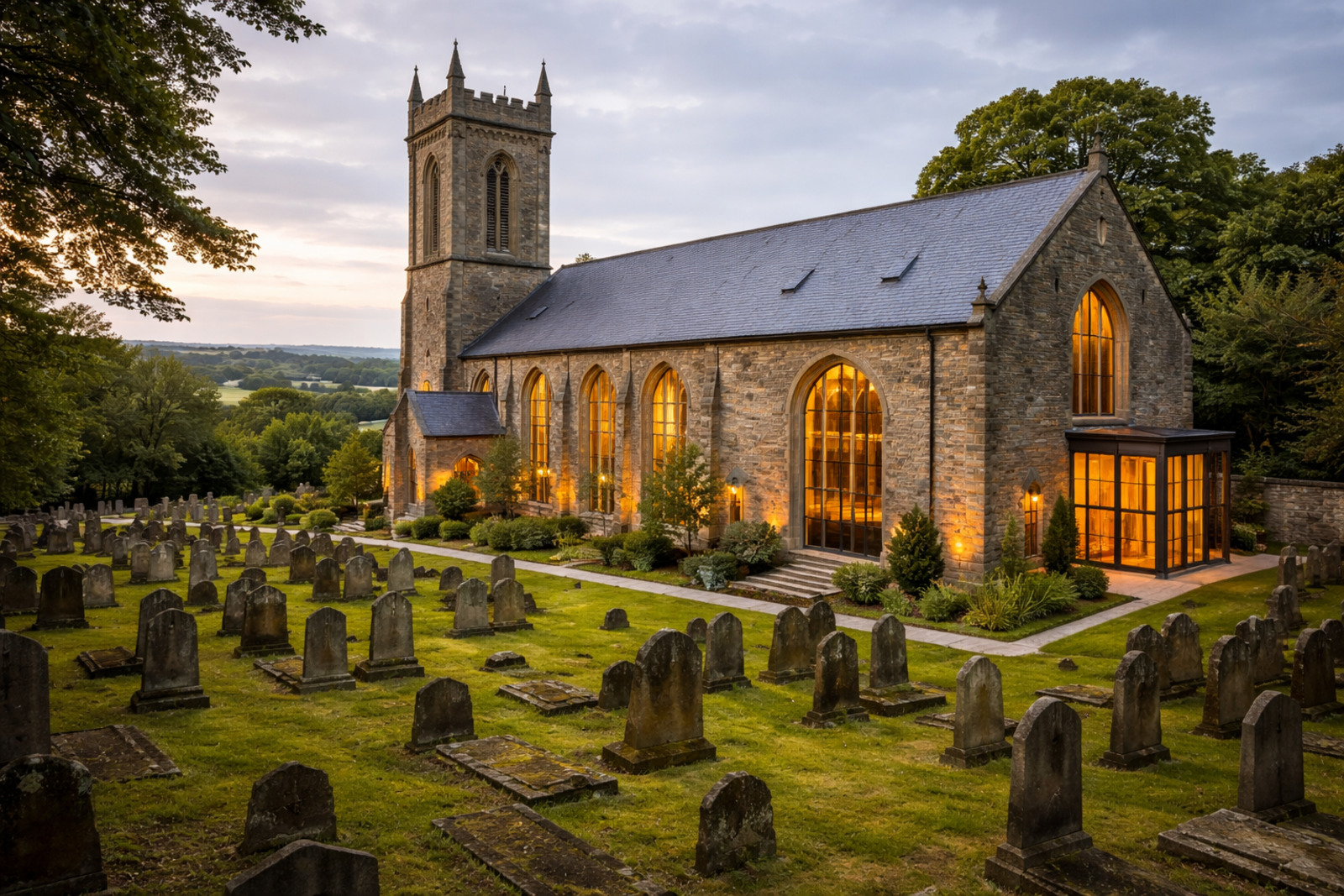
Couple buys 1846 church in ruins for R$ 660,000, invests R$ 3.2 million in renovations, transforms it into a millionaire mansion, and even preserved a historic cemetery with over 300 graves.
-
He started running at 66 years old, broke records at 82, and is now a subject of study for having a metabolic age comparable to that of a 20-year-old, in a case that is intriguing scientists and inspiring the world.

This use of the topography reduced earthmoving costs, accelerated the construction schedule, and ensured excellent visibility of the field from nearly all sections. Additionally, the open shape favors natural ventilation, improving thermal comfort for spectators on days with large crowds, which is relevant for a city with a hot climate for much of the year.
Nevertheless, the architectural design did not compromise the grandeur of the stadium. On the contrary: the Café Stadium has become a visual landmark, easily recognized and intimately linked to the urban landscape of the northern zone of Londrina, where it is located, on the banks of Avenida Henrique Mansano.
Structure, Location, And Regional Importance
With its 31 thousand seats, the Café Stadium quickly became a reference for sports events in the interior of Paraná. Built in record time to meet the growing demand of the Londrina Esporte Clube (LEC), which was experiencing a period of national prominence in the 1970s, the stadium began hosting decisive matches of the Campeonato Paranaense and the Campeonato Brasileiro.
Located near the Ayrton Senna International Autodrome, the stadium has easy access and a wide surrounding area, facilitating the movement of spectators. On important game days, the area transforms into a meeting point, with street vendors, snack bars, and a large popular crowd, creating a festive atmosphere before the matches.
Population data from the IBGE show Londrina as one of the main urban centers in the interior of Paraná, attracting residents and visitors from neighboring cities. This factor contributes to the Café Stadium receiving spectators from across the region, reinforcing its role as a regional sports center and not just a municipal one.
How The Café Stadium Compares To The Maringá Stadium
The rivalry between Londrina and Maringá, known as the Café Classic, is also reflected in the comparison between their stadiums. While the Café Stadium features an open horseshoe shape, the Willie Davids Stadium in Maringá has a closed oval design.
From a structural perspective, the Café Stadium is larger, with around 31 thousand seats, compared to approximately 21,600 spectators at Willie Davids. Furthermore, the Londrina stadium is located in the northern zone of the city, while the one in Maringá is situated in Vila Olímpica, in Zone 7. These architectural and urban differences reinforce distinct identities, yet equally significant for their fans.
Still, it is the Café Stadium that stands out as the largest sports venue in northern Paraná, both in capacity and historical relevance.
Historical Moments That Marked The Stadium
Over the decades, the Café Stadium has hosted events that went beyond local soccer. The inaugural match, played against Flamengo with Zico, ended in a 1-1 draw and has become a symbolic landmark in the city’s collective memory.
Another decisive moment occurred in 2000, when the stadium hosted matches of the South American Pre-Olympic Tournament. At that time, Londrina received the Brazilian national team, which featured names like Ronaldinho Gaúcho and Alex, projecting the city onto the international sports scene and reinforcing the stadium’s strategic importance.
Additionally, the Café Stadium remains home to the “Tubarão”, the nickname for Londrina Esporte Clube, where the fans support the team in state and national campaigns. The management of the stadium is carried out by the Foundation of Sports of Londrina, linked to the City Hall, ensuring its public use and maintenance over time.
A Stadium That Goes Beyond Soccer
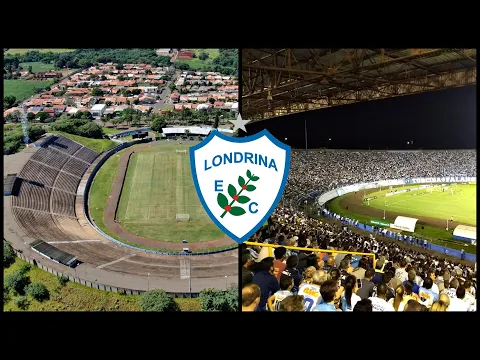

Although soccer is its main vocation, the Café Stadium has established itself as a multi-use venue. Over the decades, the space has hosted large musical shows, cultural events, and activities that have broadened its social function.
This versatility has helped keep the stadium active even outside the sports calendar, reinforcing its role as a strategic urban facility. Thus, the Café Stadium does not live only on matches but also on collective experiences that have marked generations of Londrinenses.
For those wishing to learn more details about its trajectory, the channel HE DID NOT SAY THAT produced a detailed visual content that presents everything from the accelerated construction of the stadium to its consolidation as a symbol of the Londrina Sport Club, contextualizing its historical and architectural importance.






A fonte nova em Salvador foi o primeiro estadio no brasil em forma de ferradura! O lado aberto, tem vistas para o lago do dique do Tororó