





 Portuguese
  English
  Spanish
  5 min of reading
  6 comments


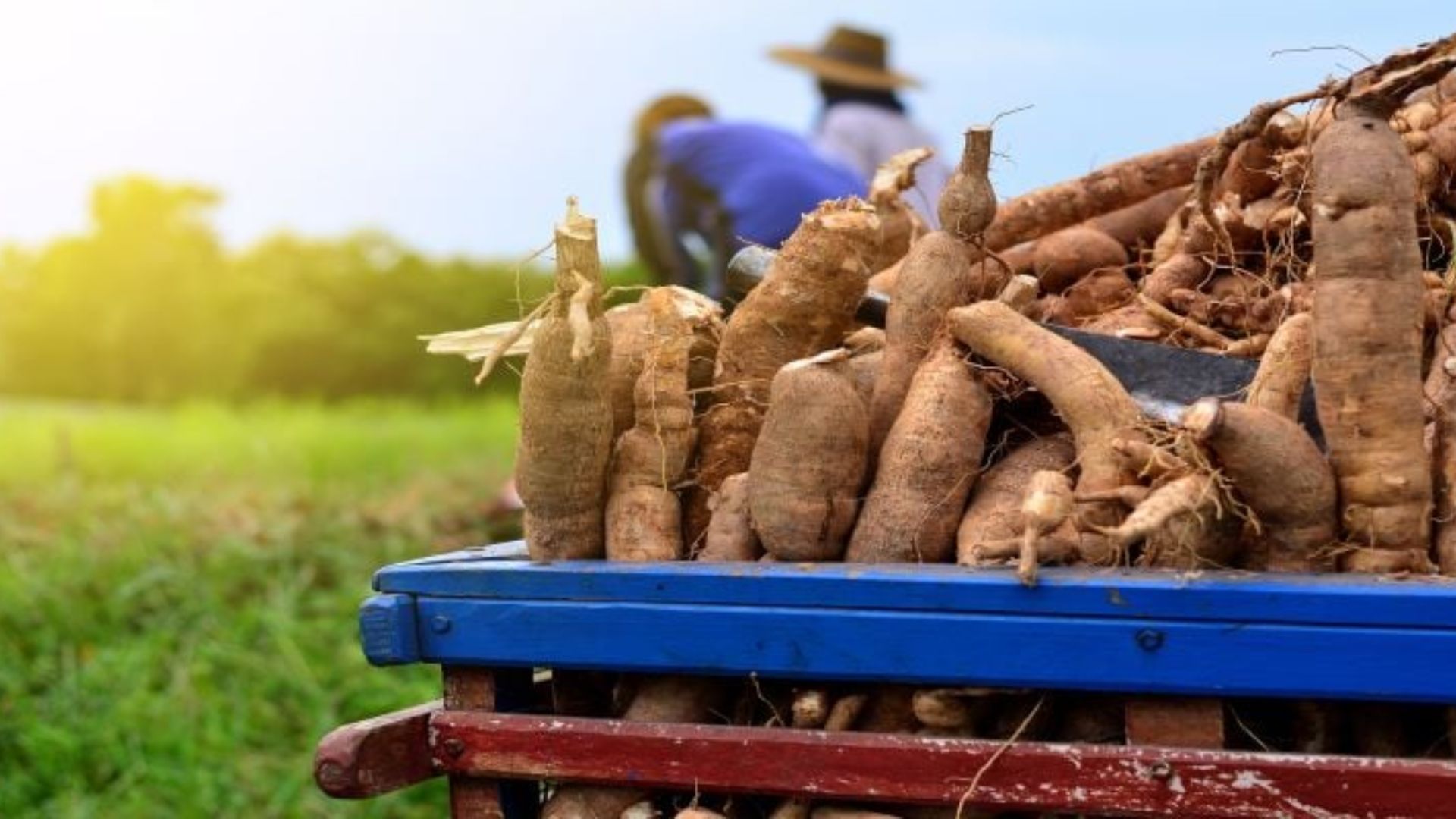


Cassava, Essential to the Nation’s Diet, Will Undergo Strict Controls in 2025 to Ensure Chemical Safety and Quality Across the Production Chain.
Present in meals from all regions of the country, cassava supports Brazilian food security and, at the same time, demands the care typical of a high-risk raw material.
The root that gives rise to the flour served with beans, the tapioca at breakfast, and the starches used in pasta, cookies, and processed foods accumulates compounds capable of releasing cyanide, a potentially lethal toxin.
In 2025, this ambiguous nature will be formally framed by official limits for hydrogen cyanide in flour and increasingly controlled processing chains that regard cassava as a critical ingredient from a safety perspective.
-
The water that almost everyone throws away after cooking potatoes carries nutrients released during the preparation and can be reused to help in the development of plants when used correctly at the base of gardens and pots, at no additional cost and without changing the routine.

-
The sea water temperature rose from 28 to 34 degrees in Santa Catarina and killed up to 90% of the oysters: producers who planted over 1 million seeds lost practically everything and say that if it happens again, production is doomed to end.

-
An Indian tree that grows in the Brazilian Northeast produces an oil capable of acting against more than 200 species of pests and interrupting the insect cycle, gaining ground as a natural alternative in soybean, cotton, and vegetable crops.
-
The rise in oil prices in the Middle East is already affecting Brazilian sugar: mills in the Central-South are seeing their margins shrink just as ethanol gains strength.

The natural toxicity of the plant arises from cyanogenic glycosides, especially linamarin, present in the pulp, skin, and other parts of the cassava.
When the root is grated, cut, or bruised, enzymes from the plant itself degrade these compounds and release hydrogen cyanide, capable of causing anything from nausea and dizziness to severe poisoning episodes, depending on the ingested dose.

To reduce the risk, technical materials classify varieties as sweet and bitter according to the cyanide content per kilogram of fresh root: table cultivars, also called sweet cassava, macaxeira, or aipim, typically show less than 50 to 100 milligrams of HCN per kilogram, while bitter or toxic roots exceed this range and must be processed before consumption.
Poisoning Risks and International Reports
The association between poorly processed cassava and health problems is well-established in reports from different countries.
Studies describe outbreaks of acute poisoning from dishes made with cassava flour containing high levels of cyanogenic compounds, where insufficient processing and the use of very bitter varieties resulted in mass poisoning.
In these situations, the most common symptoms include intense nausea, vomiting, abdominal pain, dizziness, and respiratory distress, with reports of fatalities when the cyanide load exceeds the body’s detoxification capacity.
In scenarios of prolonged poverty and nearly exclusive diets based on bitter cassava, the concern shifts to chronic exposure.

In African countries, research links the repeated consumption of poorly detoxified roots and flours, associated with protein-poor diets, to neurological diseases such as konzo and tropical ataxic neuropathy, characterized by irreversible spastic paralysis.
In these cases, it is not a single poisoning episode, but the daily accumulation of small doses of cyanide in populations with low intake of essential amino acids.
Official Limits and International Alignment
In light of this history, international organizations have established numerical limits for cyanide in cassava products.
Joint assessments by the FAO and WHO concluded that cassava flour containing up to 10 milligrams of hydrogen cyanide per kilogram is not associated with acute toxicity under normal consumption conditions.
This value is part of the Codex Alimentarius standard and guides specific regulations in different regions of the world.
In Brazil, documents from the National Health Surveillance Agency recommended, since 2024, alignment with the Codex.


In 2025, this guideline materializes in Normative Instruction No. 351, which updates IN No. 160 and establishes the maximum tolerated limit of 10 mg/kg of hydrogen cyanide for cassava flour.
The normative text also updates parameters for metals, mycotoxins, and other contaminants to harmonize national and international standards.
From Root to Final Product
In practice, the root is no longer seen merely as a traditional crop and instead features in a regulatory framework that requires proof of control over its main natural risk.
In artisanal flour houses, regional agro-industries, and industrial plants, the journey of cassava to dry flour, water flour, or tapioca is organized into successive stages aimed at eliminating cyanogenic glycosides.
The process includes peeling and washing the roots, grating or grinding, pressing the mass to extract the liquid, drying or toasting, sifting, classifying, and packaging.
Each phase contributes to detoxification.

Extended pressing promotes the removal of soluble compounds along with the liquid, which has significant cyanide levels and requires proper disposal.
The drying and toasting step, carried out in heated ovens, accelerates the volatilization of remaining hydrogen cyanide in the mass.
Embrapa and technical assistance publications reinforce that the way each stage is conducted determines the final safety of the product.
Production of Starches and Industrial Flour
The same principles apply to the production of starch and flour.
Manufacturing involves grated mass, successive washings, sifting, decantation of starch, removal of the purest fraction, and controlled drying.
Sector studies indicate that the process, when carried out with good practices, reduces the presence of impurities and residues of cyanogenic compounds, ensuring the physical-chemical standards required by the industry.
Variation of Cyanide Levels in Different Regions
Even with advancements in processes and legislation, recent measurements show that cassava derivatives still present significant variation in cyanide content.
Flours, dried roots, fermented masses, and other products may record values below the 10 mg/kg limit, but samples with higher concentrations still occur.

The variation is more frequent when using highly bitter varieties, when processing is reduced, or when storage conditions are inadequate.
National Production and Economic Role
In Brazil, surveys show that many varieties exhibit levels compatible with traditional detoxification.
Studies in Amazonian regions report average cyanide values in fresh pulp generally below the extreme concentrations found in very bitter cultivars, with significant drops after fermentation, pressing, and toasting.
Still, there are genetic materials with elevated levels, requiring complete processing and discouraging in natura consumption.
From an economic perspective, cassava has consolidated itself as one of the main sources of carbohydrates in the tropics and as a strategic raw material for the starch industry.
The root supplies the production of flour, starch, gum, and other derivatives widely sold in the country and used in breads, cookies, sauces, gluten-free products, and processed foods.







O ácido cianídrico é altamente volátil se for servido a animais basta picar e deixar sob sol para em seguida servi, o ponto ideal é quando a mandioca estiver durinha e riscando o piso como se fosse um giz. Sou técnico em agropecuária
O que a ANVISA quer, por ser um órgão estatal, e ao mexer em algo já consolidado há gerações como alimentação brasileira, sem problemas, que já não nos sejam repassados por nossos antepassados, é encontrar meios de criar mas burocracia e taxação de impostos para o cidadão do campo
Achei muito exagero.