





 Portuguese
  English
  Spanish
  5 min of reading
  9 comments


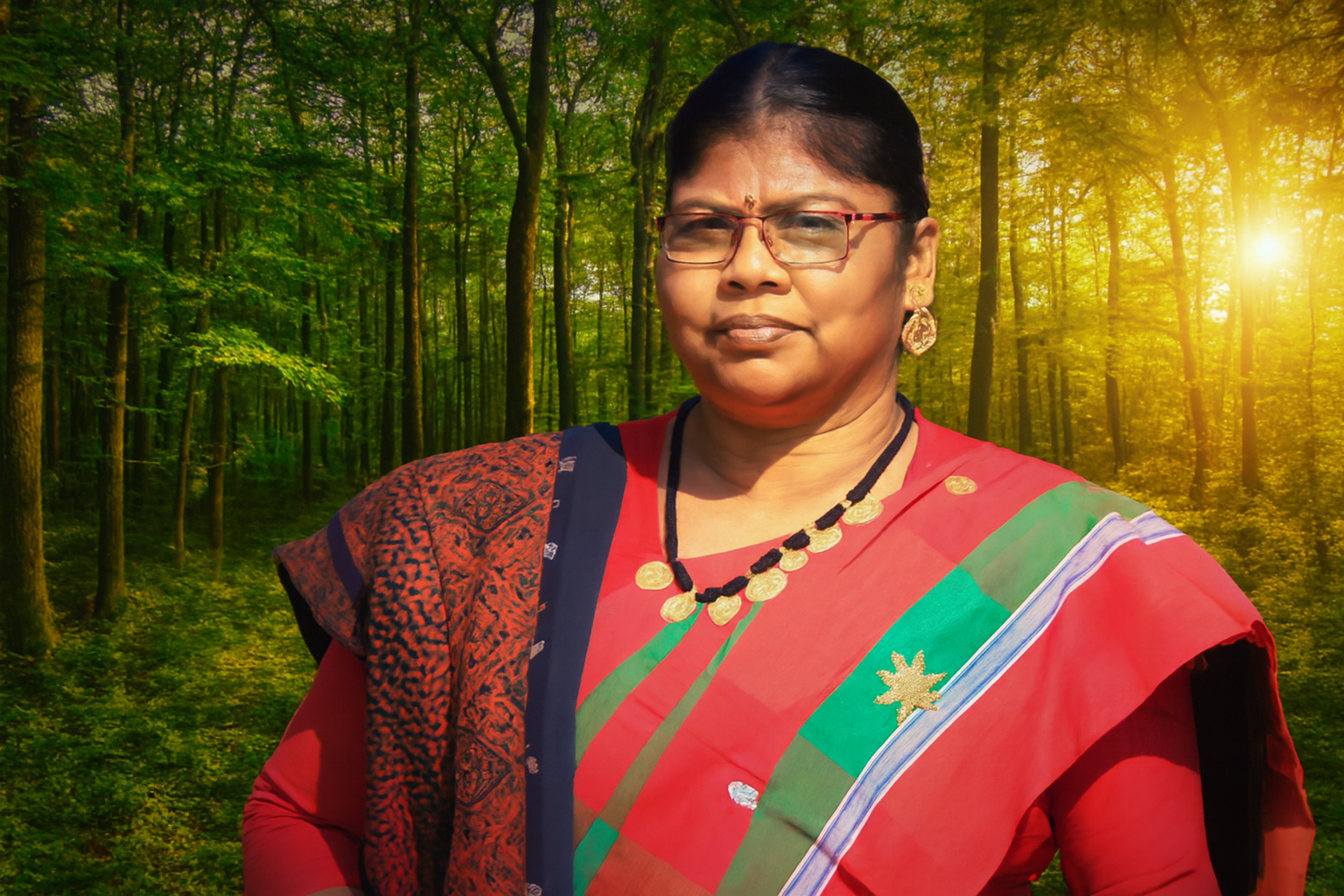


With Over 10 Million Trees Planted, Chami Murmu Transformed One of the Driest Regions of India into a Forest and Inspired a National Reforestation Movement.
In eastern India, in the state of Jharkhand, a simple woman, born in a poor rural community, accomplished what few governments have: rebuild an entire forest with her own hands. Her name is Chami Murmu, founder of the organization Sabuj Sena (Green Army) and responsible for planting over 10 million trees over three decades. Her story, confirmed by official Indian sources like the Times of India, Hindustan Times, and the Ministry of Environment of India, is considered one of the largest individual environmental mobilizations in the country.
From Poor Village to Symbol of Environmental Resistance
Chami was born in the small village of Rajdhanwar, in a region marked by drought and forest degradation caused by logging and agricultural expansion. The arid landscape shaped her childhood. She saw springs disappear, soils become infertile, and local communities lose their livelihoods.
Motivation came from a personal tragedy: while still young, Chami lost her husband in an accident. The pain became a driving force. Alone, she began to plant trees along the banks of dry rivers, believing that, over time, they would bring back water and life to the place.
-
From sertanejo star to international investor: Ana Castela invests millions in a mansion in the USA, creates a themed accommodation in Orlando, and shows that the “boiadeira” also wants to grow away from the stage.

-
The 10 most stunning motorhomes in the world: a $3 million trailer with a rooftop nightclub and garage for a Ferrari, “palaces on wheels” with Italian marble, private cinema, and five-star hotel luxury for billionaires.

-
Trump wanted to spend $400 million on the White House, but the courts prohibited the million-dollar construction.

-
How the Egyptians erected giant structures like pyramids, temples, and obelisks without modern technology, cranes, or engines still amazes the world and reveals the power of engineering based on ramps, levers, ropes, and colossal organization.



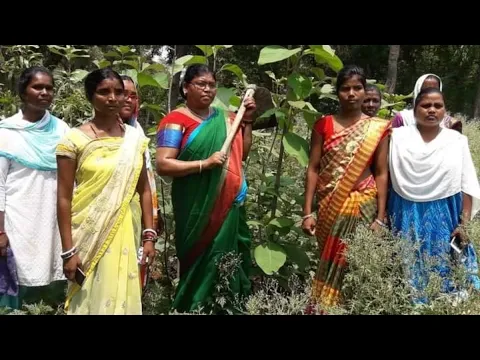
The initiative attracted the attention of other residents, who began to help. What started with a few scattered seedlings grew into a collective force. In 1991, Sabuj Sena was born, a community organization that today has thousands of volunteers, mostly women and youth dedicated to ecosystem restoration and environmental education.
The Impact of Reforestation in Jharkhand
Chami and her team’s work transformed entire parts of Jharkhand, one of the states most affected by desertification in the country. According to the local government, the forest cover in the region has increased by about 15% over the last 25 years, a direct result of community initiatives led by her.
The trees planted by her group — including mango, neem, tamarind, jacaranda, and sandalwood trees — reversed erosion processes and helped restore the natural course of smaller rivers that had dried up.
Studies from the Forest Survey of India show that areas reforested by Sabuj Sena now host hundreds of species of birds and insects, as well as small mammals that had disappeared.
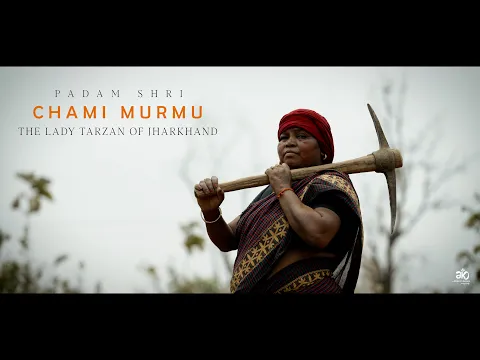

The social impact was equally profound. In villages where unemployment and migration once predominated, the reintroduction of trees generated new sources of income through sustainable cultivation of fruits, seeds, and honey. Families began to plant again, and rural schools started receiving materials on preservation, inspired by Chami’s story.
Recognition and National Awards
The Indian government officially recognized Chami Murmu’s work in 2019 when she received the Nari Shakti Puraskar, the highest civilian honor awarded to women in the country. The award was personally presented by India’s president, Ram Nath Kovind, in a ceremony held in New Delhi.
On that occasion, the Ministry of Women and Child Development described Chami’s work as “an exceptional example of community-led environmental transformation by a woman.” Since then, she has been invited to participate in national conferences on climate change and sustainable reforestation.

In interviews with the Times of India and BBC Hindi, Chami often downplays her significance. “I’m not a hero. I just do what anyone would do if they saw their own land dying,” she said. This simplicity, coupled with the scale of her impact, caused her story to go viral in environmental education campaigns and school programs across the country.
Education and Engagement: The Legacy of Sabuj Sena
In addition to planting trees, Chami Murmu focuses part of her efforts on educating youth about the role of forests in everyday life. Sabuj Sena conducts workshops in villages to teach composting, agricultural waste utilization, and techniques for replanting native seedlings.
Each new tree is monitored by community members who take turns caring for the plantings. According to Chami herself, over 70% of the trees planted survive after the first three years, a rate considered very high in large-scale reforestation programs.
In some villages, the presence of the restored forest has raised the water table, reactivating wells that had been dry for decades. Farmers report increased productivity in gardens and the return of pollinator species.
A Global Example of Transformation through Human Effort
Chami Murmu’s story has crossed the borders of India. International organizations, such as the United Nations Environment Program (UNEP), have already highlighted her work as a model of local action with global impact.
Indian scientific journals classify the Sabuj Sena project as a case of “low-cost reforestation based on community mobilization”, a concept that has been replicated in other regions of South Asia.
Now, at 60 years old, Chami continues in the field, personally monitoring new planting areas and encouraging young people to follow her example. She says she does not plan to stop: “As long as I have strength in my hands, I will keep planting. The future depends on what we do now.”
A Movement that Blossoms from the Earth and Pain
Chami Murmu’s journey is both personal and collective. It is the story of a woman who lost everything, looked at the ground, and decided to rebuild the world from it.
Her legacy shows that environmental restoration can arise from human suffering and that, when willpower overcomes scarcity, even an arid region can be reborn in green.
On a planet facing droughts, fires, and environmental degradation, the lesson left by Chami resonates as a reminder of hope: it is not the size of the project that transforms the world, but the persistence of those who never stop planting.








Maravilhoso…
Lindo exemplo de superação e de persistência!!
E incrível como e o Sr humano ao menos leiam há reportagem completa e va plantar uma árvore ao menos.