





 Portuguese
  English
  Spanish
  4 min of reading
  0 comments


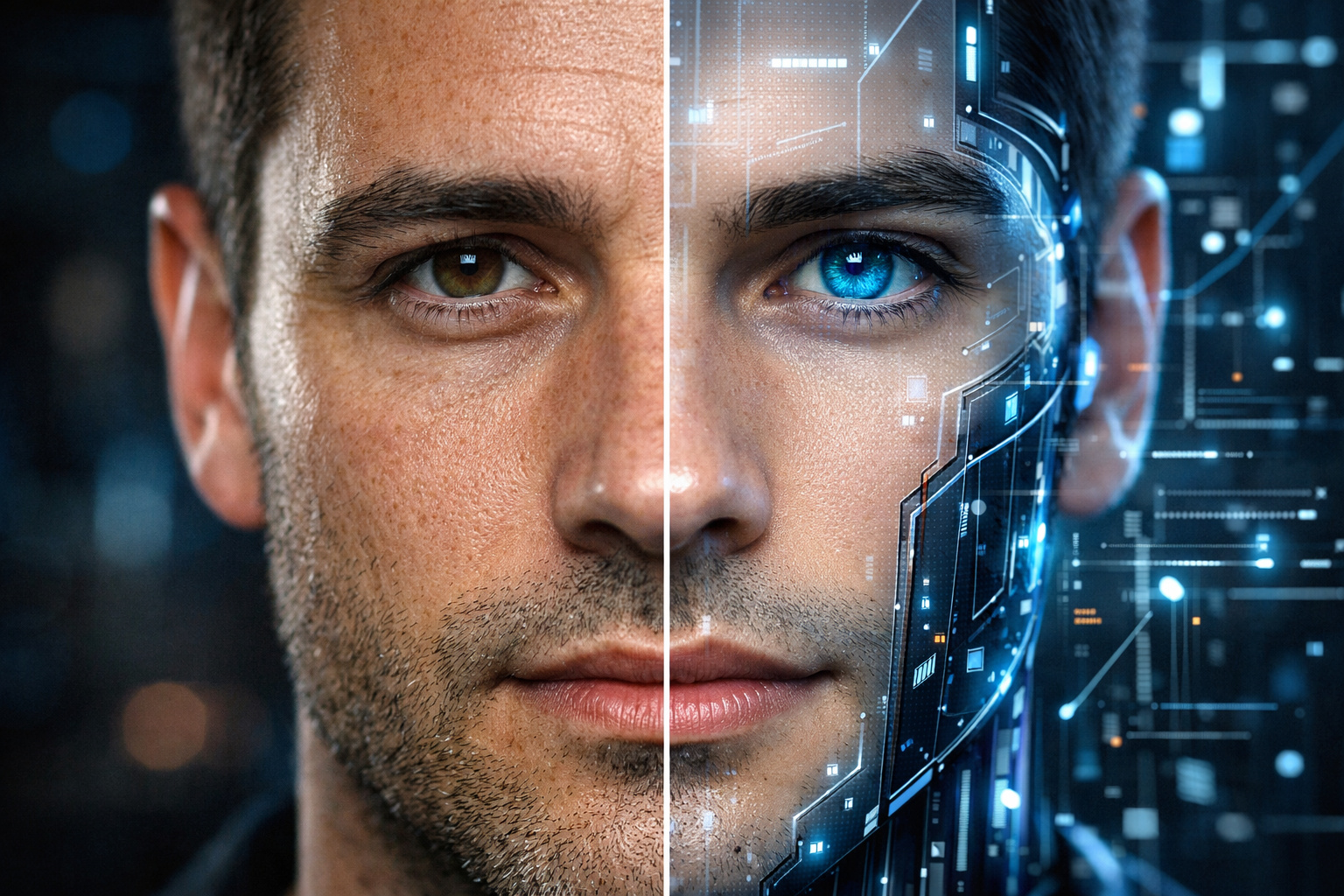
Advanced AI Tools Produce Ultra-Realistic Videos That Deceive Millions of Users, Raise Questions About What Is Real, and Demand a New Critical Look on the Internet
In recent weeks, ultra-realistic videos created by artificial intelligence have gone viral on social media. At first glance, many of these images appear real. However, when users look more closely, clear doubts arise. After all, what is truth and what was created by a computer? This scenario has already confused millions of internet users, especially at a time when technology is advancing faster than the public’s perception ability.
Moreover, curious examples have helped boost this phenomenon. A fictional talk show hosted by Marisa Maiô, biblical characters acting as digital influencers, and even a video of a supposed emotional support kangaroo boarding a plane caught attention precisely because they seemed plausible. Nonetheless, artificial intelligence generated all this content, reinforcing the high level of sophistication achieved by current tools.
The information was disclosed by specialized technology outlets, based on interviews with experts and recent analyses of the advancement of AI video generation tools, as reported in articles published in recent weeks.
-
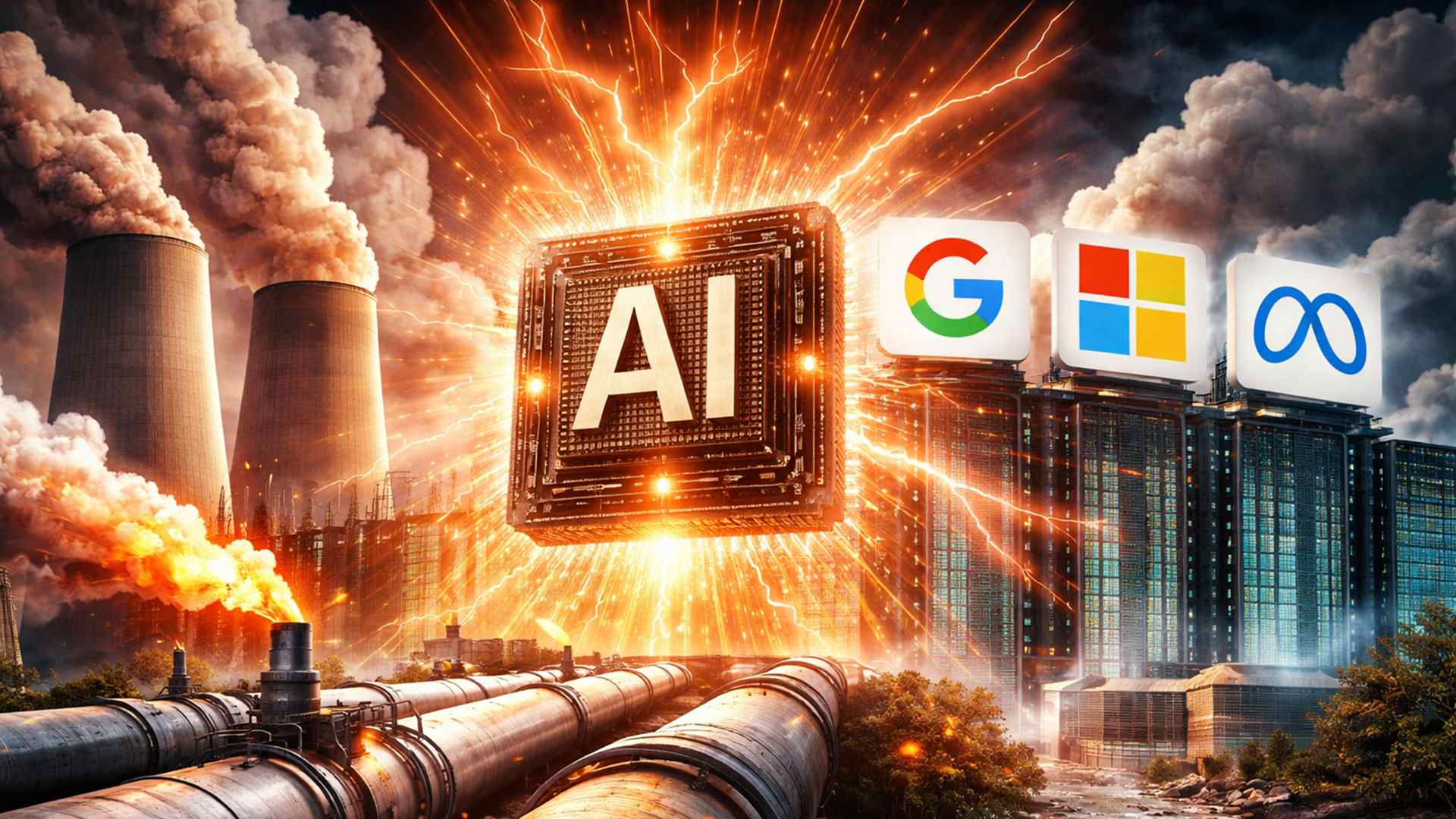
Artificial intelligence is skyrocketing energy consumption, raising emissions from tech giants and pushing Google, Microsoft, and Meta closer to natural gas.
-
Mercor paid $1.5 million per day for doctors, lawyers, and former Goldman Sachs bankers to teach artificial intelligence to do their jobs, and in 17 months, it went from zero to $500 million in annual revenue while its own contractors accelerated the replacement of their own work.

-
Casio Unveils Moflin, Robotic Pet With Artificial Intelligence Designed To Provide Emotional Comfort And Simulate A Permanent Affectionate Bond

-
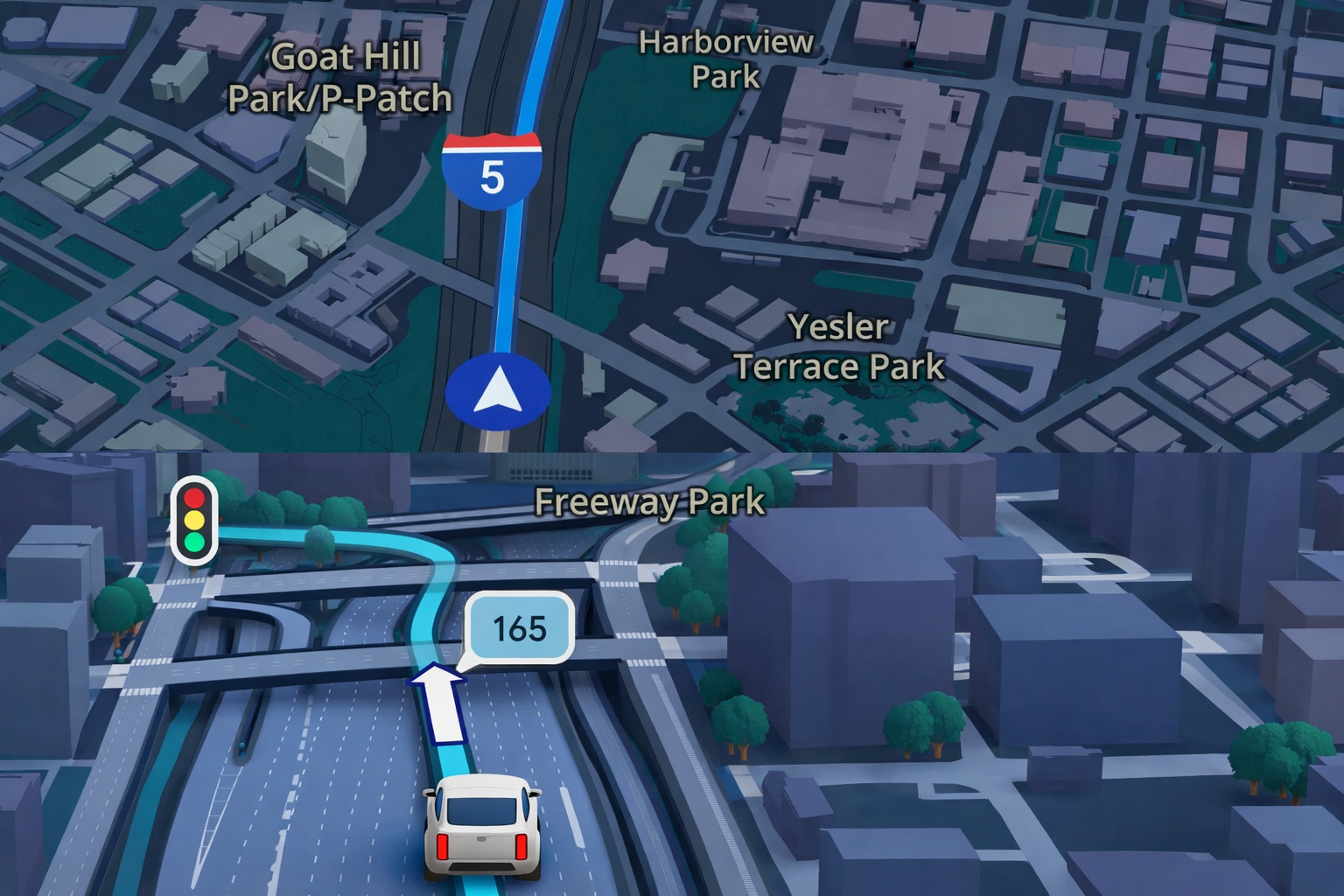
Google Maps Revolutionizes GPS Navigation With Gemini Artificial Intelligence, Ask Maps Feature, and Advanced 3D Visualization for Route and Travel Planning

The Advancement of Veo and the Leap in Realism of Videos Generated by AI
Much of the ultra-realistic videos circulating the internet today come from Veo, an artificial intelligence tool developed by Google. The platform allows users to create videos of up to 8 seconds from text commands, known as prompts. This way, any user can generate highly realistic scenes without needing advanced technical knowledge.
In addition to visual quality, Veo stands out for other significant advancements. Among them are the addition of ambient sound, realistic artificial voices, and the correction of common flaws that betrayed videos created by older AIs. As a result, movements, facial expressions, and lighting have begun to look more natural, making identification even more difficult.
Given these rapid advancements, a central question arises: how can one identify videos made by artificial intelligence amidst so many seemingly real contents? According to experts, the answer requires heightened attention and a change in behavior on the part of users.
Nearly Invisible Details Help Identify Videos Made by Artificial Intelligence

“It has become increasingly difficult to identify videos made by artificial intelligence,” says Ricardo Marsili, an AI specialist. According to him, when people consume content casually on social media, these videos often go unnoticed. Still, some signs tend to raise suspicions when observed closely.
Among the main indicators, specialists cite strange micro-expressions, such as unusual eye and lip movements. Additionally, lip-sync may exhibit minor flaws even when the speech sounds natural. Another recurring point involves exaggerated smiles that do not follow realistic human patterns.
The hands also reveal many errors. In several cases, AI fails to render and move the fingers accurately, creating hands with too many fingers or inconsistent joints. Similarly, skin texture may appear too smooth, as if a permanent filter is applied to the image.
Other signs include inconsistencies in light and shadows, blurred edges on objects, and situations that defy the laws of physics, such as people or items appearing and disappearing without logical explanation. Therefore, observing the overall scene becomes essential.
Watermarks, Digital Traces, and the Role of Context
In addition to visual details, some AI tools include watermarks in generated files. In the case of Veo, the video often displays the word “Veo” in the bottom right corner. Additionally, the system adds an invisible watermark called SynthID, embedded in the file’s data, making complete removal difficult.
However, as Marsili warns, there are always attempts to circumvent these mechanisms. “There are always people trying to remove or alter these watermarks,” he explains. Still, technology companies continue to develop new tracking methods to hinder the misuse of these images.
Even with these solutions, experts stress that context remains the primary filter. According to Marsili, users should question whether the setting, clothing, and behavior make sense. When something seems too spectacular, the best course of action is to be suspicious.
Be Skeptical and Check Sources Becomes a Basic Rule
For Fabrício Carraro, program manager at the Alura technology school and artificial intelligence specialist, the future of information directly depends on users’ attitudes. He argues that everyone will need to adopt a critical skepticism towards any visual or audio content shared online.
As technology evolves, distinguishing reality from fiction becomes more difficult. Therefore, checking information from trusted sources, seeking confirmation from other outlets, and questioning received content, especially via WhatsApp, turns into an indispensable practice.
In a scenario where fake videos seem real, user attention becomes the primary line of defense against misinformation.
Have you ever watched a video that seemed too real and later discovered it was made by artificial intelligence?










-

Uma pessoa reagiu a isso.