





 Portuguese
  English
  Spanish
  5 min of reading
  0 comments


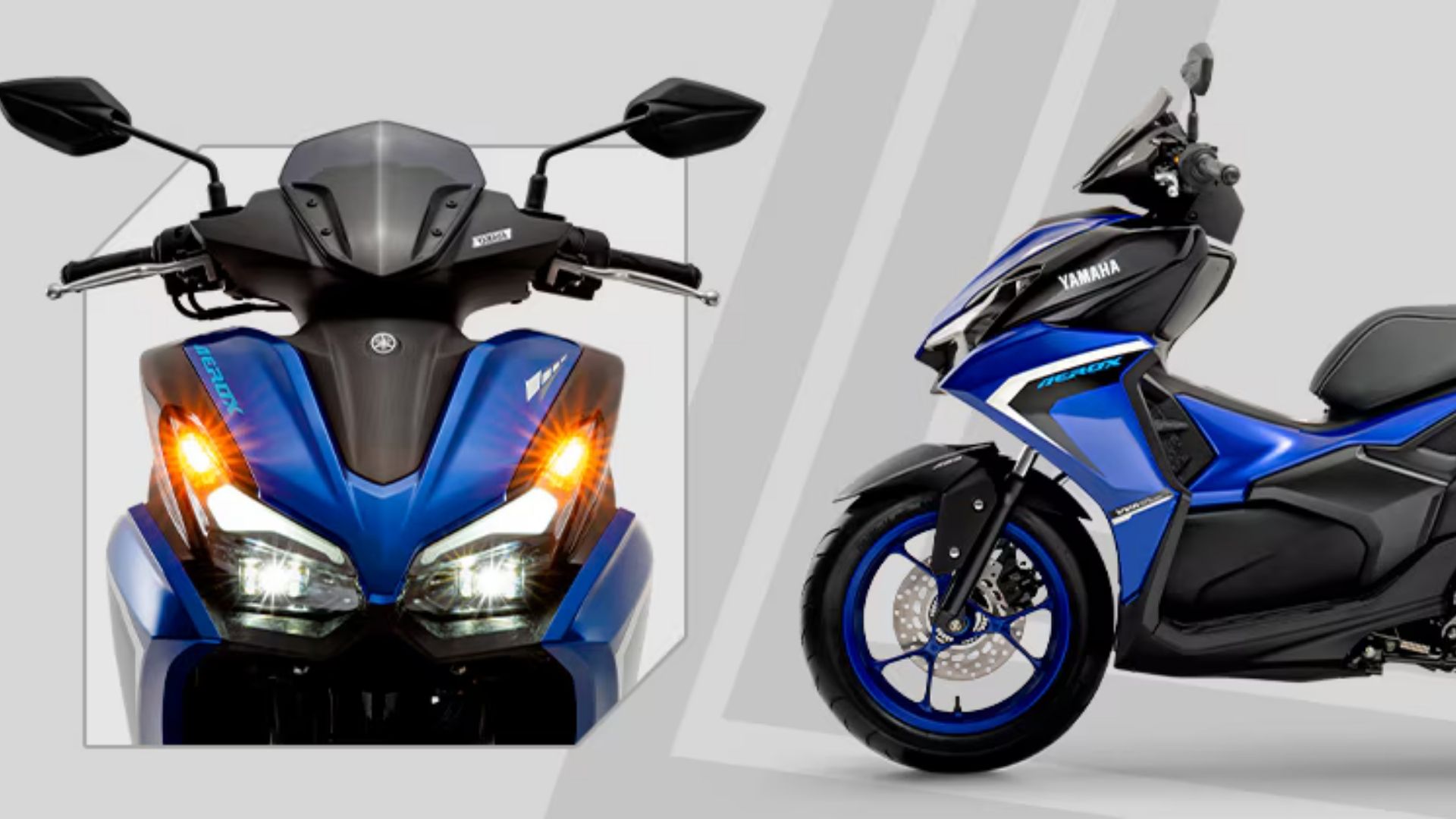
Distinct Strategies of Yamaha Reveal Contrast Between Electrification in India and Brazilian Bet on Sport Scooter with Internal Combustion, with Clear Differences in Power, Autonomy, Embedded Technology, and Urban Market Positioning.
Yamaha has begun operating in different markets with two well-defined interpretations of the same urban scooter concept with a sporty appeal.
In Brazil, the manufacturer confirmed the arrival of the Aerox 160 ABS Connected at dealerships in January, betting on an internal combustion engine, official power of 15.1 hp, and a suggested public price of R$ 18,990, excluding shipping costs.
At the same time, in India, the brand unveiled the Aerox E, a fully electric scooter developed specifically to meet local demands.
-
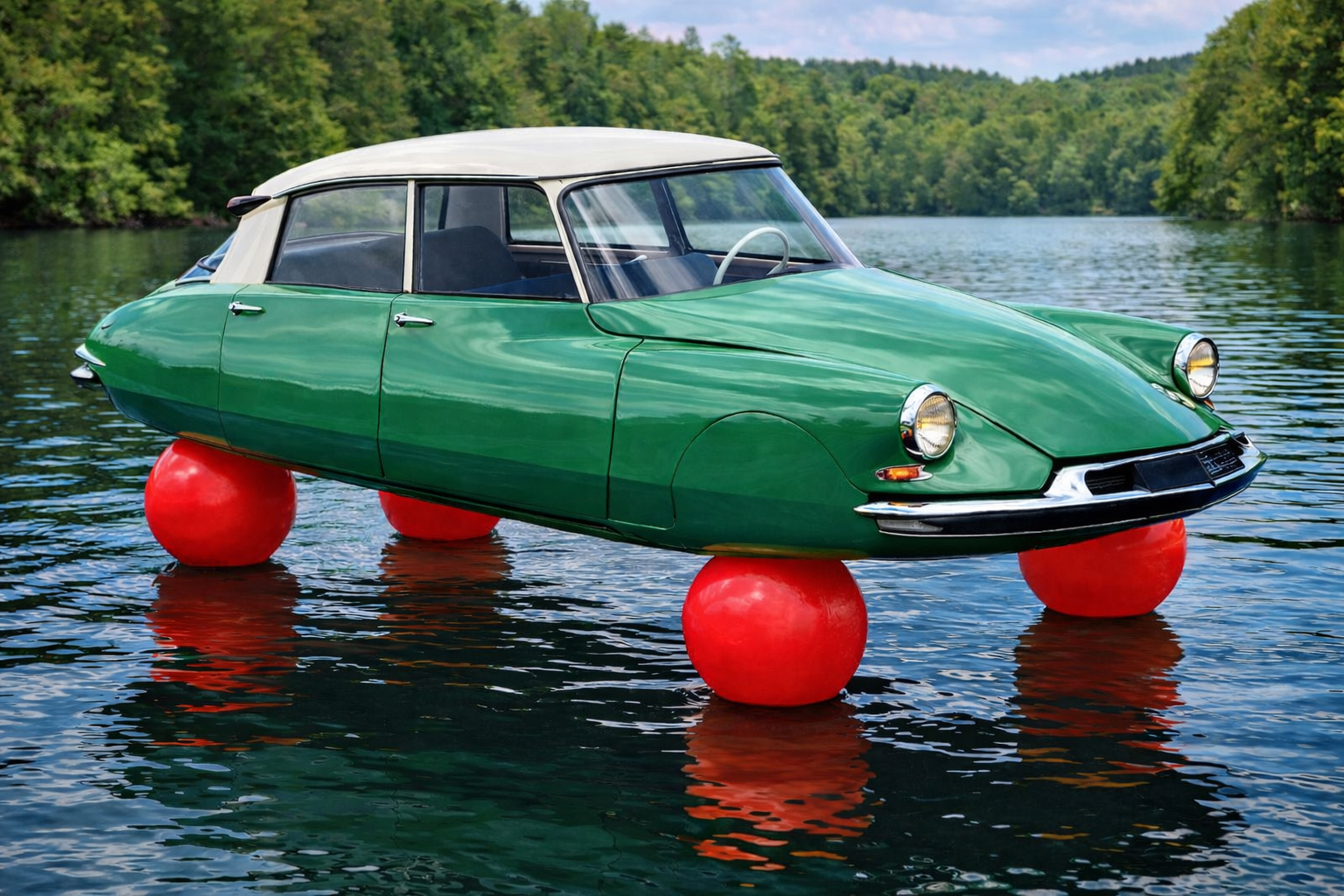
A French brand placed a car on four huge red balloons to prove that its suspension made the vehicle “float,” and the surreal scene became one of the most iconic and unusual images in automotive history.
-
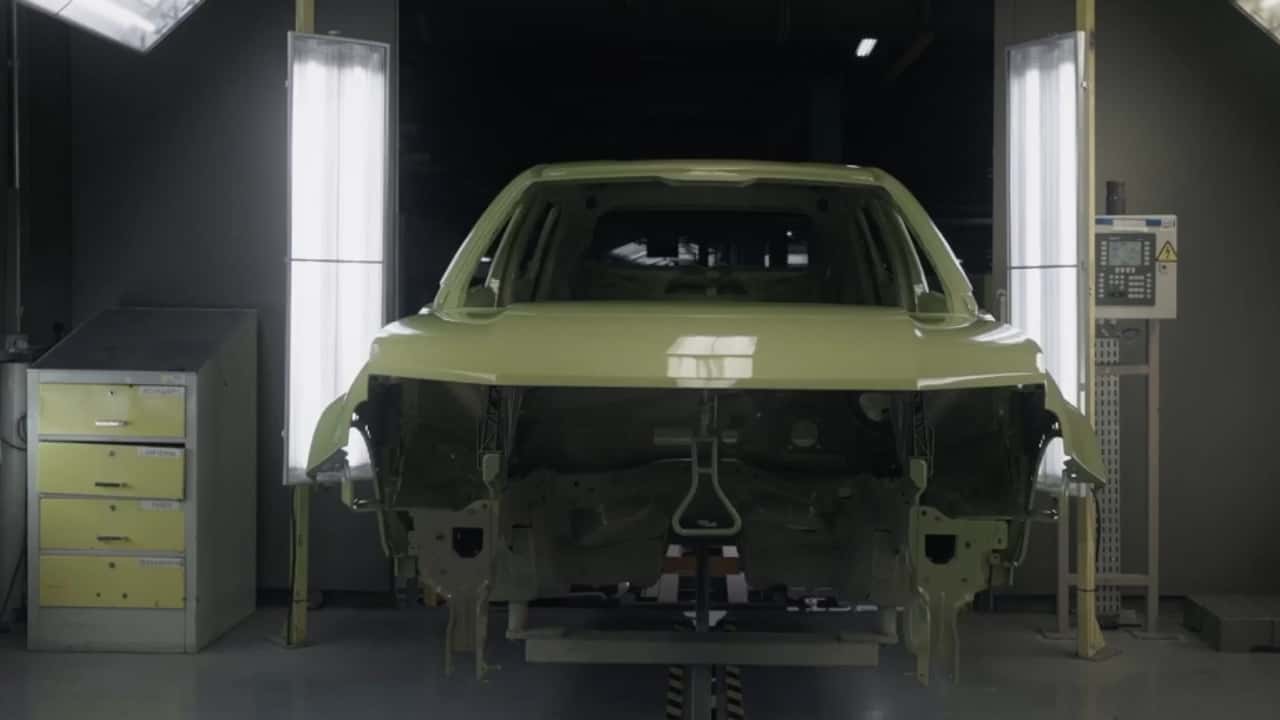
Jeep Avenger begins production in Brazil, debuting as the brand’s new entry-level SUV and inaugurating an unprecedented phase by becoming the first national Jeep manufactured outside of Goiana, as part of a R$ 3 billion plan.
-
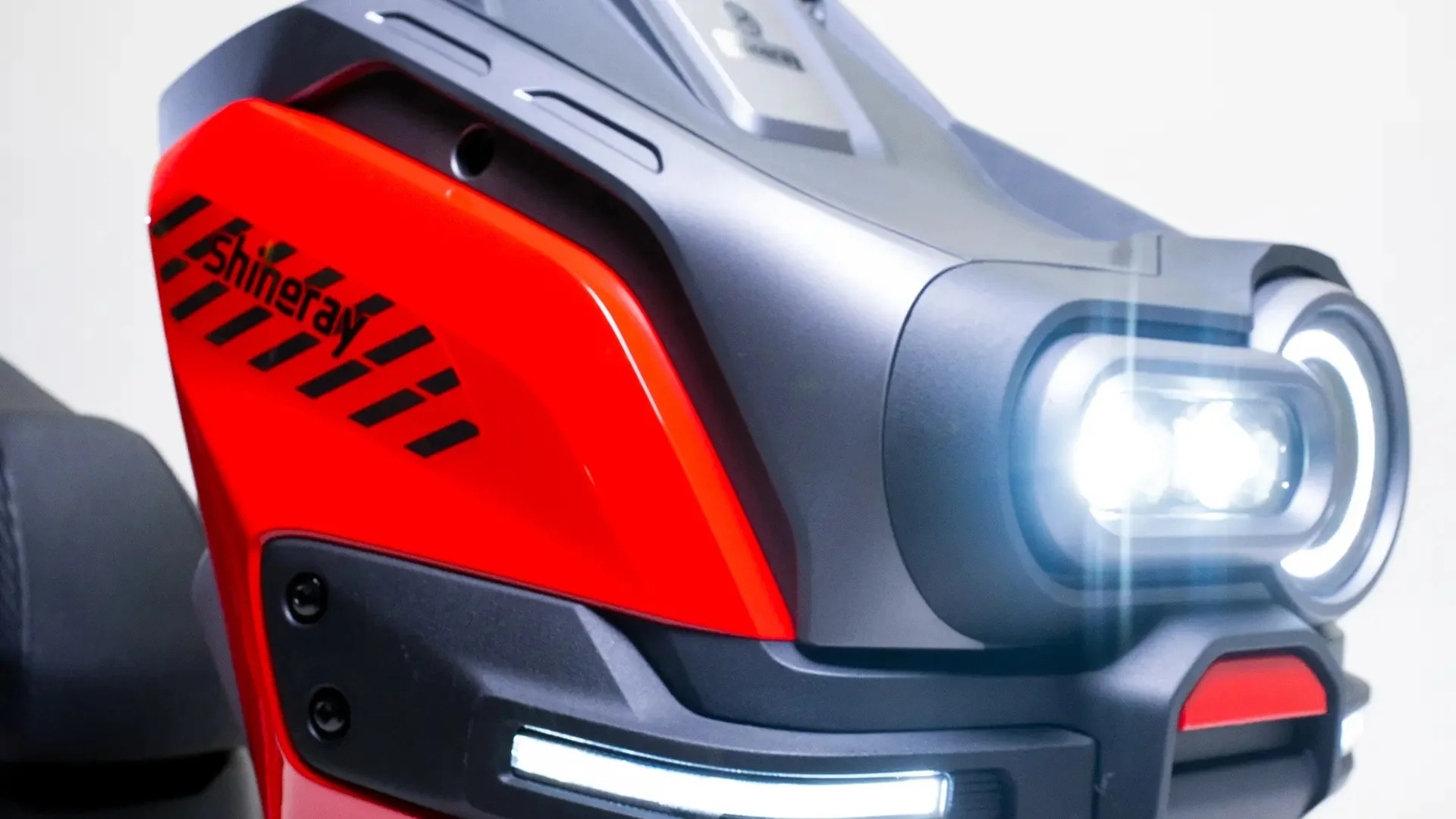
Costing R$ 12,490, the new Shineray Urban Lite 150 “cheap one” arrives in Brazil with a CVT transmission, digital dashboard, and LED lights, making it more affordable than the Biz and targeting those who want to abandon the bus.
-
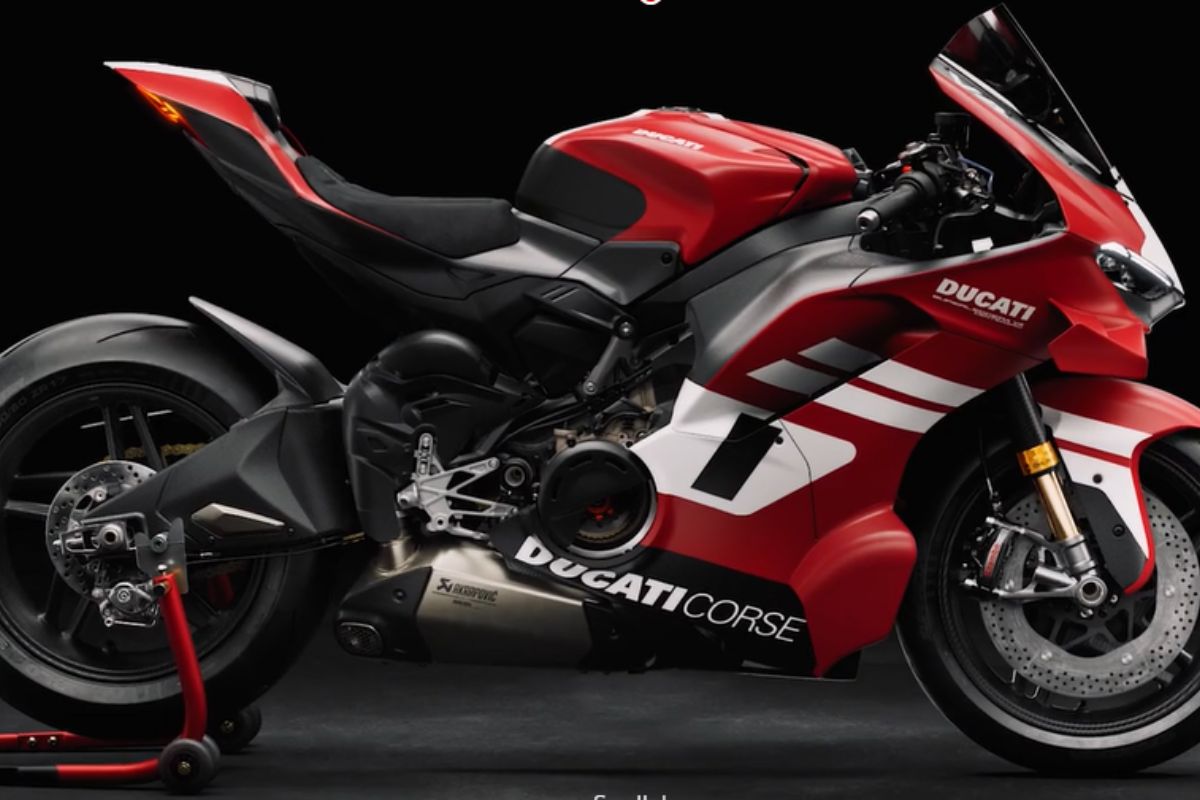
Ducati brings to Brazil the Superleggera V4 Centenario: 228 hp that become 247 with a track kit, carbon fiber and carbon-ceramic brakes, estimated price between R$ 1.5 and 2 million, deliveries only in 2027.

According to information released by Yamaha itself and echoed by specialized publications, the electric model promises up to 106 km of autonomy and offers four throttle responses, combining three driving modes with an additional function aimed at performance enhancement.
Aerox 160 in Brazil Bets on Internal Combustion Engine and Connectivity

In the Brazilian market, the Aerox 160 follows the line of sport scooters aimed at urban use, featuring a design inspired by the brand’s sports models and a technology package designed for daily use.
Yamaha positions the model as Connected, thanks to integration with the Y-Connect app, which allows for tracking usage information, riding data, and connectivity functions directly on the smartphone.
The mechanical set is known within the manufacturer’s lineup, with CVT automatic transmission and calibration aimed at providing balanced responses in urban traffic.
According to the technical sheet published by Yamaha itself, the scooter delivers 15.1 hp at 8,000 rpm and a maximum torque of 1.4 kgf.m at 6,500 rpm, figures that became definitive after an update to the data released at launch.
This revision caught the industry’s attention.
Initially, the brand had reported a power of 15.4 hp, but later adjusted the value, keeping the torque unchanged.
Regarding pricing, Yamaha indicates R$ 18,990 as the suggested public price for cash, not considering additional shipping costs.
Aerox E Electric Emerges in India with Focus on Zero Emissions

The Aerox E presented in India goes beyond a simple engine swap.
It is a project aligned with the advancement of electrification in major urban centers of the country, where public policies and incentives have been accelerating the adoption of zero-emission vehicles.
In a global corporate statement, Yamaha announced the launch of two electric scooters in the Indian market, including the Aerox E, described as a sport model developed in-house and produced locally.
In its design, the electric scooter maintains a sporty identity, with striking lines and LED lighting, preserving the association with the Aerox family.
The 14-inch wheels and wider rear tires adhere to the logic of stability and agility required in intense urban use.
Electric Motor of 12.6 hp and Reported Autonomy of Up to 106 km
The propulsion system of the Aerox E consists of an electric motor with a maximum power of 9.4 kW, equivalent to 12.6 hp, as well as a declared torque of 4.8 kgf.m.
As is typical of this type of engine, the power delivery occurs immediately, favoring accelerations and pick-ups in traffic.
The energy is stored in two removable batteries that together have a capacity of 3 kWh.

Within the urban cycle reported by the brand, the autonomy can reach up to 106 km, while the total weight of the assembly is reported as 139 kg.
On the other hand, Yamaha has not published, in its global communication, a complete technical sheet with all the details of the electric system.
This information appears mainly in reports and technical materials produced by specialized industry outlets.
Driving Modes, Boost and Embedded Technology
One of the highlights of the Aerox E is the offer of different throttle responses.
The model features three driving modes, Eco, Standard, and Power, in addition to the Boost function, designed for situations that require quicker responses, such as starts or short overtakes.
Another functional feature is the reverse gear, a common solution in electric scooters useful for maneuvers in tight spaces.
The color TFT display reinforces the technological appeal, with integration to Y-Connect for turn-by-turn navigation, access to usage data, and general vehicle information.
Cycle, Brakes, and Positioning Restricted to the Indian Market

In the cycling set, the Aerox E was presented with disc brakes on both wheels, equipped with Nissin calipers and an ABS system.
The project integrates the electric motor into the chassis, while the transmission is positioned on a double oscillating arm, a solution aimed at dynamic balance.
According to Yamaha itself, the scooter was developed to meet the demands of an urban category equivalent to medium-sized scooters in the Indian market.
Regarding commercialization, the manufacturer made it clear that the Aerox E has an exclusive focus on India.
There is currently no forecast for sales in other countries, and the official price of the electric model has not been disclosed.
When comparing the two launches, the parallel strategy adopted by Yamaha becomes evident.
In Brazil, the bet falls on an internal combustion scooter, with connectivity and a defined price positioning.
In India, the brand invests in an electric alternative, with removable batteries and autonomy aimed at urban use.
In a scenario of transforming transportation in large cities, which of these approaches is likely to gain more space in the daily lives of consumers?








-

-

-

-

-

-

22 pessoas reagiram a isso.