





 Portuguese
  English
  Spanish
  3 min of reading
  0 comments


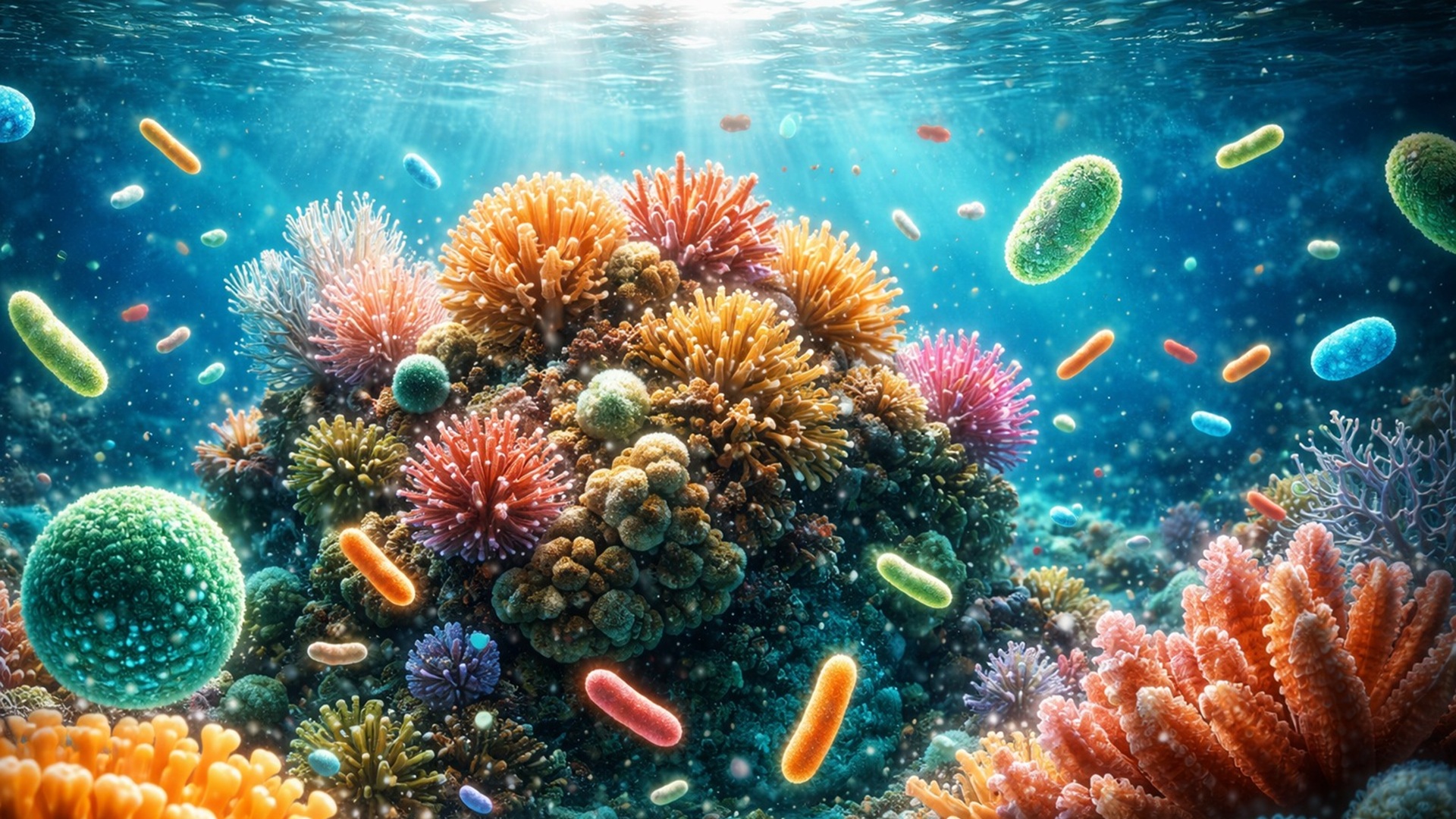
Research with Six-Hour Sampling in Northern Gulf of Aqaba Demonstrates That Coral Reefs Impose Daily Rhythms on Microscopic Life, Altering the Abundance of Bacteria, Microalgae, and Predators Over 24 Hours With Nocturnal Peaks and Seasonal-Comparable Variations
A study shows that coral reefs organize daily rhythms of microbes in the surrounding waters, altering quantity and composition over 24 hours in the northern Gulf of Aqaba, with direct implications for the flow of energy, nutrients, and monitoring ecosystem health.
Coral Reefs as Daily Regulators of Microscopic Life
Coral reefs act as time markers for nearby microbes, triggering daily cycles that reshape microscopic life in the surrounding waters.
In just one day, the number and types of microbes can change significantly, indicating active reef involvement.
-
A nutritionist reveals that the real villain of your breakfast is not butter or eggs, but rather the excess of white bread, cookies, and refined sugar that you consume every day without realizing the damage it causes.

-
The Android as we know it has its days numbered after a new rule from Google that could end free APKs and completely transform the system by 2027.

-
Archaeologists use satellite technology and find a mysterious structure of 500 m² buried up to 6 meters beneath an ancient city in Egypt.

-
Supercomputer calculates when humanity may disappear from Earth, predicts a scorching supercontinent, temperatures of up to 70 degrees, and a planet moving towards becoming uninhabitable.


The research demonstrates that reefs not only harbor larger organisms but also impose repetitive rhythms on microbial communities.
These daily patterns reveal the reefs as ecosystem engineers, capable of influencing who is present and in what abundance throughout the day.
Methodology with Frequent Sampling and Integrated Analyses
To capture rapid changes, scientists collected water samples at frequent intervals and applied genetic tests, ecological analyses, and advanced imaging.
The integrated approach allowed for the observation of short-duration variations that would go unnoticed in spaced-out collections.
The results indicate active reef influence through processes such as grazing, predation, and interactions with microbes associated with the reef itself.
These mechanisms help explain the daily dynamics observed in the waters adjacent to coral reefs.
Study in Gulf of Aqaba and Seasonal Comparison
Published in Science Advances, the study monitored microbial communities above a reef in the northern Gulf of Aqaba in the Red Sea. The reef waters were compared to nearby oceanic areas during winter and summer.
Sampling every six hours revealed previously undocumented daily and seasonal cycles. The variations affected bacteria, microalgae, and small predators that feed on other microbes, highlighting consistent differences between reef and open ocean waters.
Nocturnal Predation and Reduction of Microbes in Reef Waters
The waters above the reef showed fewer bacteria and microalgae than nearby open waters. The pattern suggests active removal of these microbes by reef organisms, reinforcing the regulatory role of coral reefs.
At night, populations of heterotrophic protists increased dramatically. In some cases, growth reached up to 80%, indicating that predation is a central factor in the daily microbial changes observed over the 24-hour cycle.
Noon Peaks of Symbionts Associated with Corals
A noteworthy result involved the family Symbiodiniaceae, dinoflagellates that live in close association with corals. Genetic signals from these organisms peaked around noon in the reef waters.
The pattern suggests daily cycles of release, growth, or renewal linked to sunlight and coral metabolic activity. The strength of these rhythms was comparable to, and at times greater than, the seasonal differences recorded.
Daily Rhythms as a Functional Indicator of the Ecosystem
Daily microbial rhythms proved to be a critical component for understanding how energy and nutrients circulate in the reef ecosystem. The time of day emerges as an essential variable in studies of microbial communities associated with coral reefs.
By combining genetic sequencing, flow cytometry, imaging tools, and biogeochemical measurements, the work provides one of the most detailed temporal views of microbial life around reefs, with potential for monitoring.
Implications for Monitoring Reef Health
The findings suggest that daily microbial patterns may serve as sensitive indicators of the functioning and health of reefs. Changes in these cycles may signal alterations in the ecosystem before visible effects on larger organisms.
The study reinforces that observing variations throughout the day is key to assessing the dynamics of coral reefs. The consistent repetition of cycles across the seasons enhances the utility of these signals for ongoing environmental monitoring.
Reference
“Microbial Dynamics in Coral Reef Waters: Diel Cycles in Contrasting Seasons,” Herdís GR Steinsdóttir, Derya Akkaynak, and Miguel J. Frada, January 1, 2026, Science Advances.









Seja o primeiro a reagir!