





 Portuguese
  English
  Spanish
  4 min of reading
  0 comments


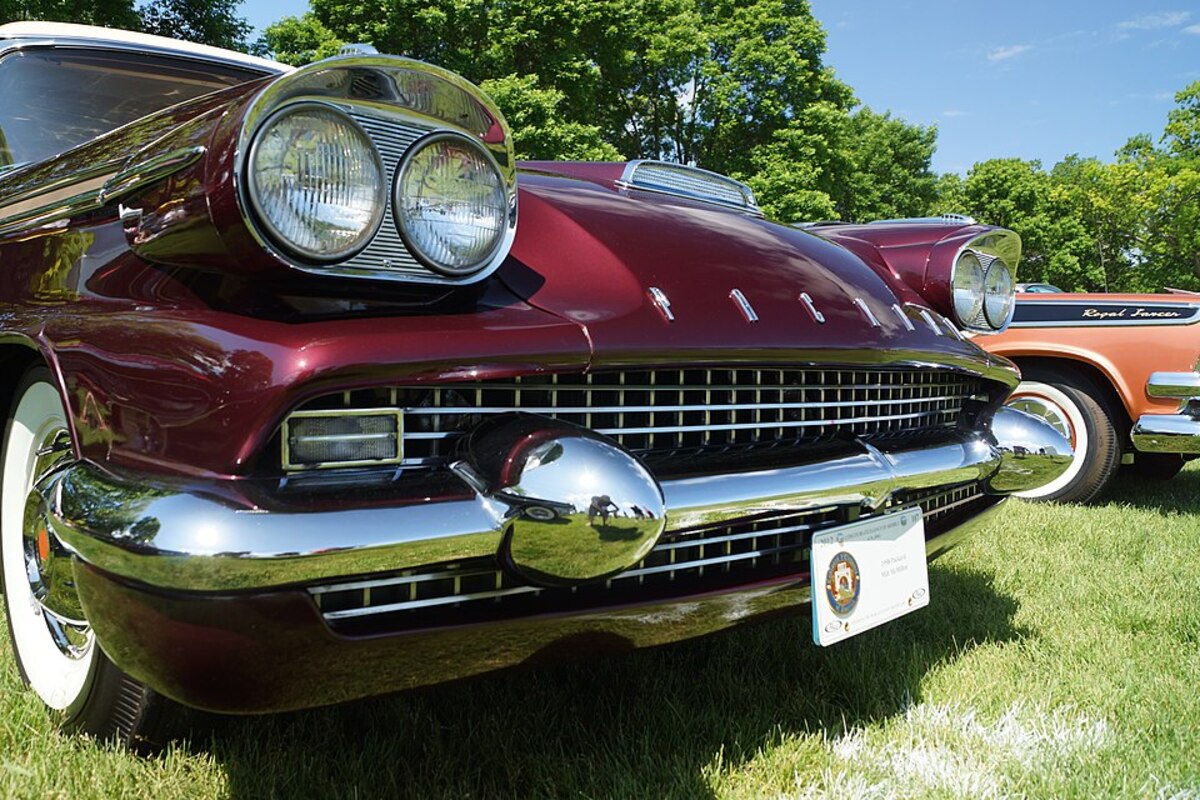
Five Brands That Shaped The History Of The Automobile — And Disappeared: Cord, Duesenberg, Hispano Suiza, Isotta Fraschini And Packard Continue To Inspire Generations, Even Off The Streets
Many people imagine that the history of the automotive industry is limited to the major brands that have survived to this day. But the first 140 years of this sector hold hundreds of curious stories, impressive models, and brands that, although they have disappeared, left a marking legacy.
Some even rivaled the largest manufacturers on the planet. And it was precisely these that prompted a question posed to five automotive experts: what are the five most important brands that no longer exist?
The final selection included heavyweight names: Cord, Duesenberg, Hispano Suiza, Isotta Fraschini, and Packard. Each, in its own way, marked the industry, innovated in technologies, and helped shape what we know today as luxury or high-performance cars.
-
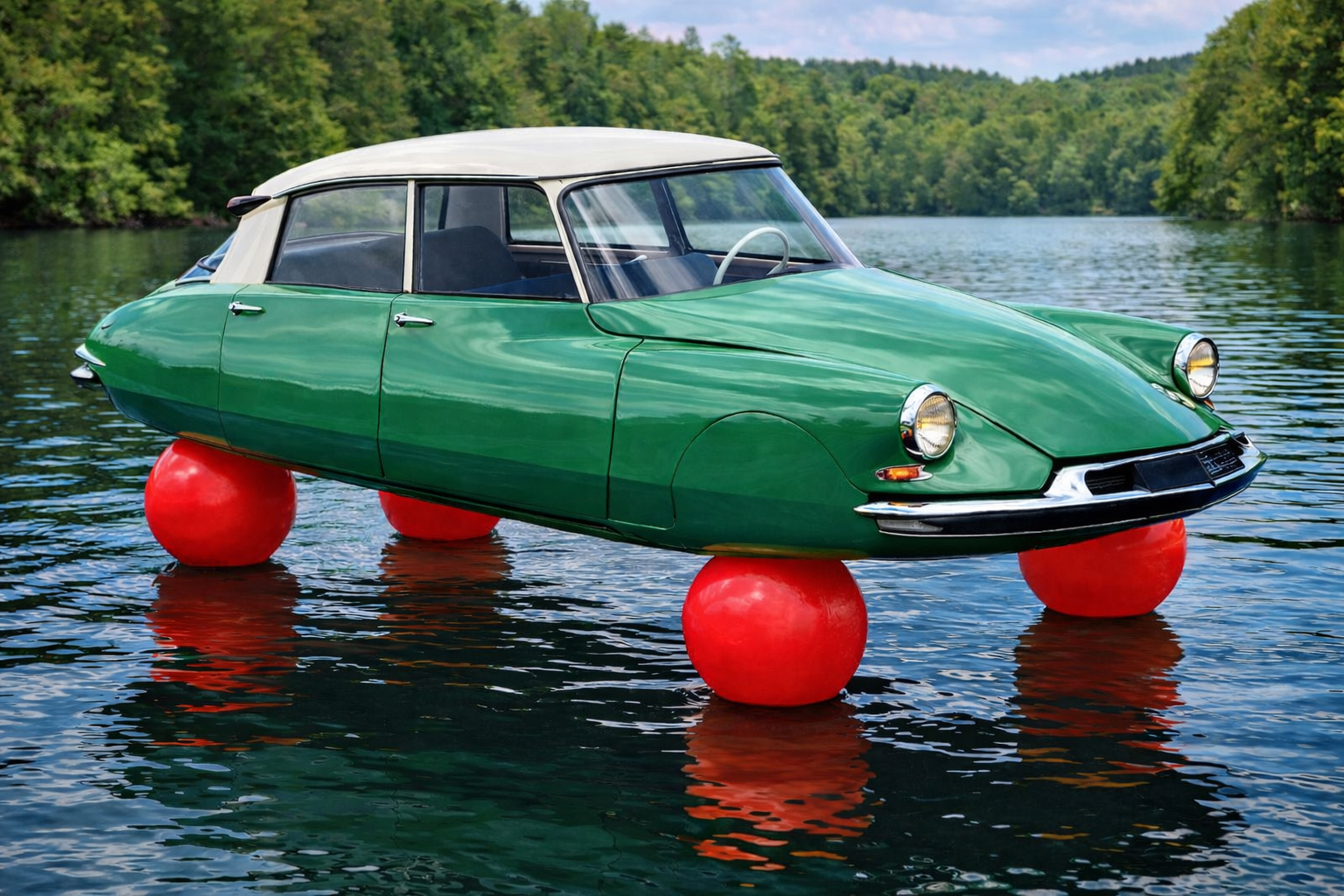
A French brand placed a car on four huge red balloons to prove that its suspension made the vehicle “float,” and the surreal scene became one of the most iconic and unusual images in automotive history.
-
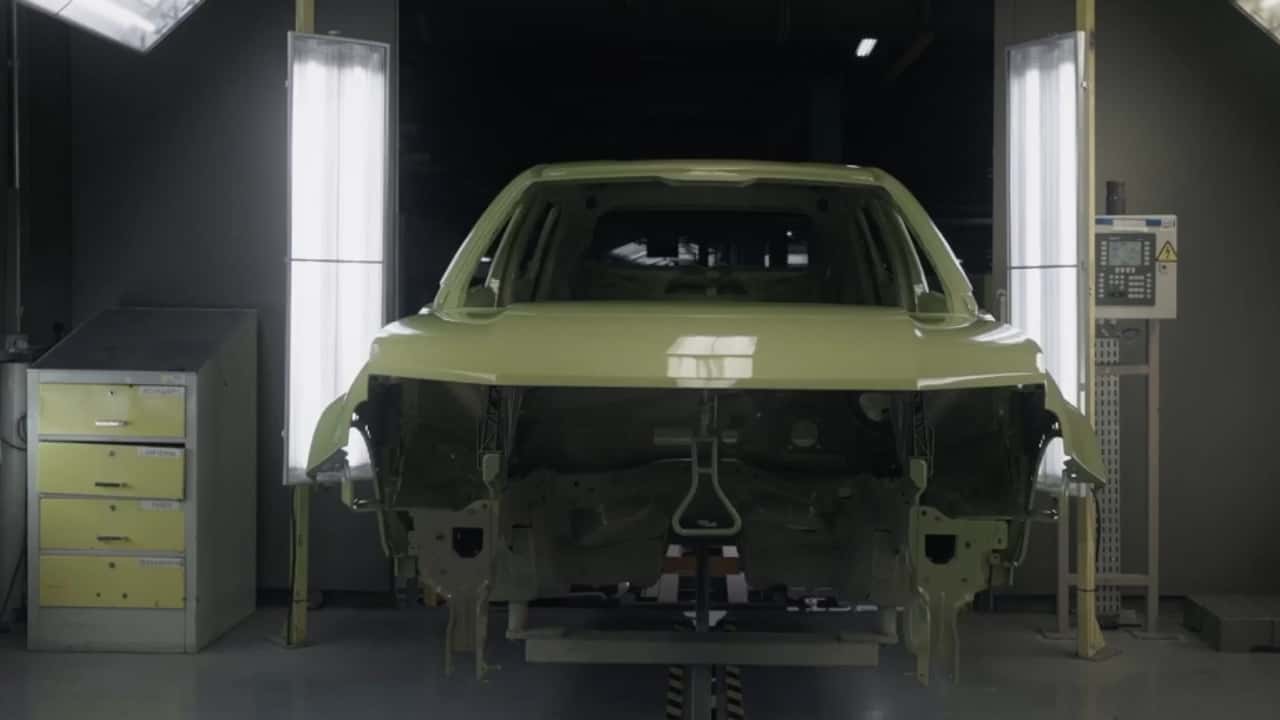
Jeep Avenger begins production in Brazil, debuting as the brand’s new entry-level SUV and inaugurating an unprecedented phase by becoming the first national Jeep manufactured outside of Goiana, as part of a R$ 3 billion plan.
-
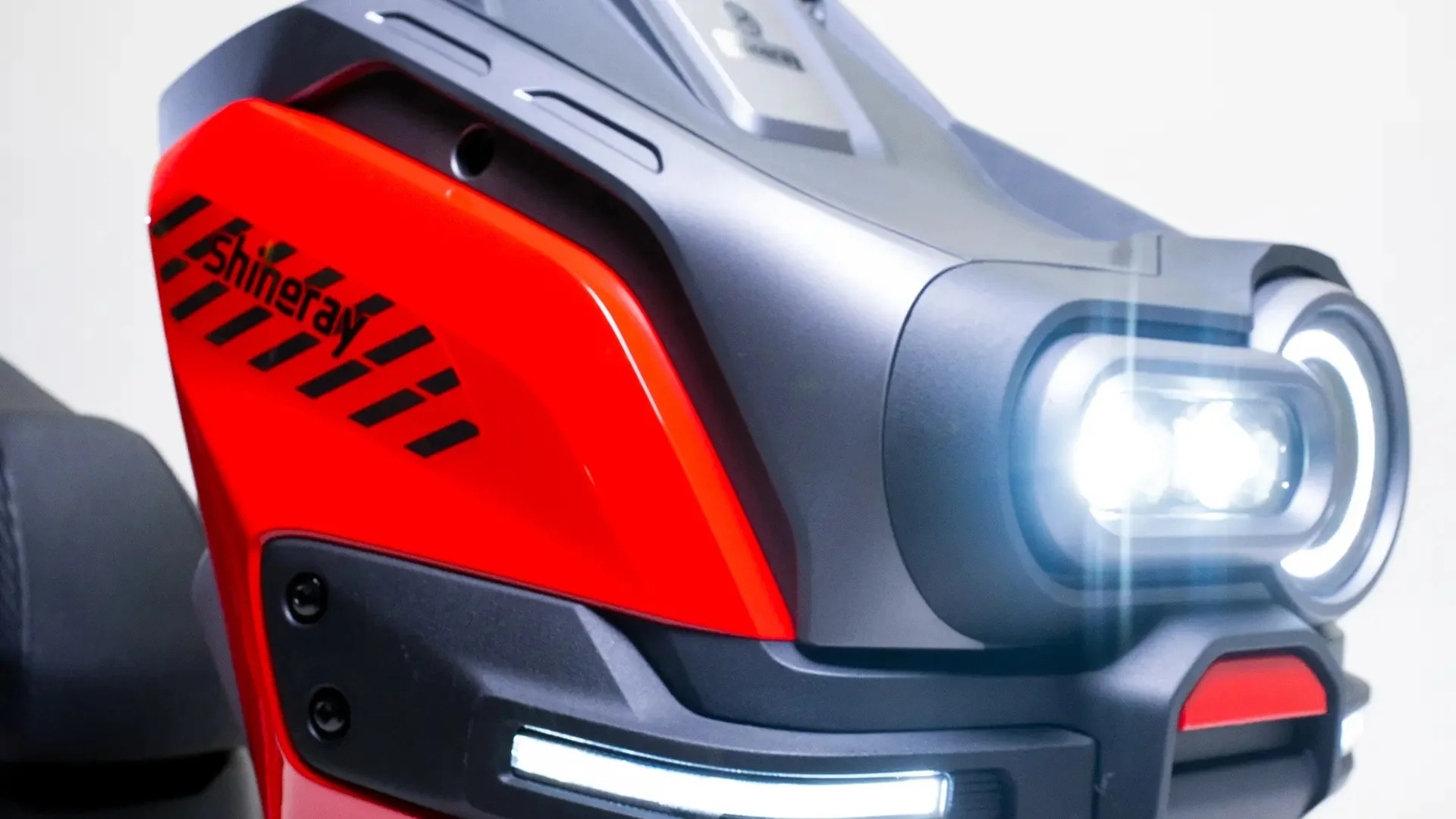
Costing R$ 12,490, the new Shineray Urban Lite 150 “cheap one” arrives in Brazil with a CVT transmission, digital dashboard, and LED lights, making it more affordable than the Biz and targeting those who want to abandon the bus.
-
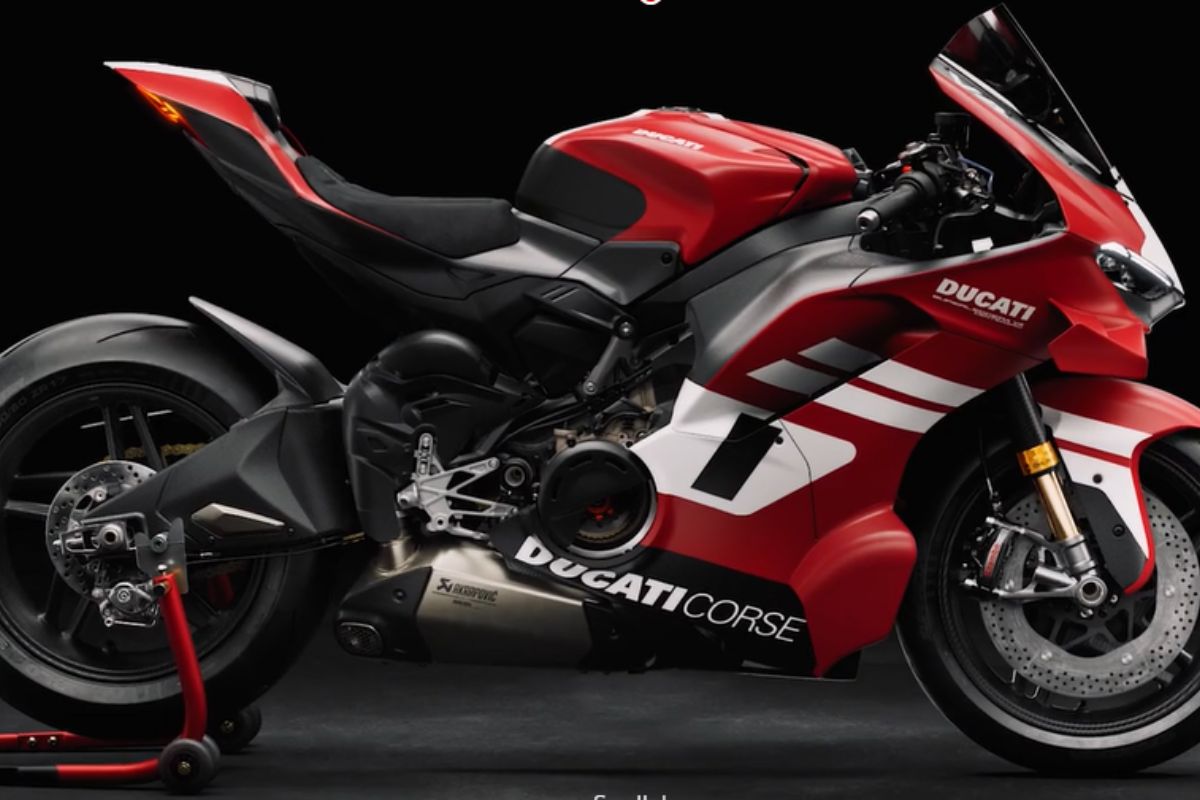
Ducati brings to Brazil the Superleggera V4 Centenario: 228 hp that become 247 with a track kit, carbon fiber and carbon-ceramic brakes, estimated price between R$ 1.5 and 2 million, deliveries only in 2027.

Below is a summary of the history of these five brands that made history — but did not withstand the test of time.
Cord: The Front-Wheel Drive And Aesthetic Boldness
Cord was the first American brand to bet on front-wheel drive. This happened in 1929, with the launch of the L-29 model. Its founder, Errett Lobban Cord, believed that the future of the popular car would involve front-wheel drive and constant velocity joints.
The L-29 used an inline 8-cylinder engine, with 125 horsepower. But the 1929 Crisis knocked the project down. About 5,000 units were sold in just three years.
But the brand’s great moment would come later: in 1936, the 810 model was launched, a car far ahead of its time. It had independent front suspension, a hood with side vents instead of a radiator grille, and eliminated the running boards on the sides of the body.
The headlights were retractable and inspired by aircraft of the time. The 810 even had a supercharged version, reaching 170 hp. The advertising of the time said: “Whoever overtakes a Cord knows that they only do so with the permission of the Cord driver.”
Duesenberg: Power, Luxury And Victory On The Tracks
Founded in 1913 in the United States, Duesenberg quickly gained fame for manufacturing high-performance cars with refined finishes.
In 1921, it received support from Errett Cord, the same as the previous brand, to expand its production. It participated in competitions and won at Le Mans and Indianapolis in 1924, 1925, and 1927.
The models from the 1920s and 1930s caught attention for their design and power. The Duesenberg J, launched in 1929, delivered 265 hp with an inline 8-cylinder engine, dual overhead cam, and four valves per cylinder. The later SJ model used a mechanical supercharger and reached 320 hp.
They cost more than the Rolls-Royce of the time and were a success among Hollywood stars.
Hispano Suiza: Sophistication And Airplane Engines
The Swiss Marc Birkgt had a dream of building electric cars but eventually succumbed to gasoline engines. He founded Hispano Suiza in Spain and was fortunate: King Alfonso XIII became one of the brand’s biggest enthusiasts. Birkgt even transferred part of the production to France to gain international prominence.
During World War I, the factory started producing airplane engines. The return to car manufacturing occurred in 1919, but it was only in 1930 that the HB6 model made history.
It had a 6.6-liter engine, 135 hp, and overhead cam. Its successor, the H6C, arrived in 1932 with a V12 engine of 9.4 liters and later gained an 11.3-liter version with 250 hp.
The end began with the king’s departure and the arrival of the Franco dictatorship in 1939. The brand ceased automobile production in 1946, selling its assets to ENASA.
Isotta Fraschini: Italian Luxury And Innovation In The 20s
Founded in Milano, in 1900, Isotta Fraschini started as a workshop that resold French brands. But the desire to create its own models spoke louder. It gained prominence with the Tipo 8, which featured the first 8-cylinder engine produced in Italy.
The quality of the finishing meant that the brand was considered a direct rival of Rolls-Royce. It also manufactured trucks and aircraft engines. Automobile production was interrupted in 1927, but the company tried to return several times over the following decades.
Packard: Powerful Engines And American Pride
The story of Packard begins with dissatisfaction. James Packard owned a Winton car and, after being snubbed by the manufacturer when suggesting improvements, decided to found his own brand. Thus was born Packard, which soon stood out for its cutting-edge engineering.
In the 1920s, it created six-cylinder engines. In the 1930s, it bet on V12 engines to equip its coupes, sedans, and convertibles. These engines had cast iron blocks and aluminum heads, with 7.3 liters and 160 hp. It also produced engines of 1, 2, 4, and 8 cylinders throughout its history.
Despite the tradition and passion for engines, Packard could not withstand the market decline in the post-war era. It even merged with Studebaker but closed its doors in the 1950s, unable to compete with giants like Ford and GM.
The Legacy Of The Brands That Time Took Away
Cord, Duesenberg, Hispano Suiza, Isotta Fraschini, and Packard did not withstand the economic changes and the advance of competitors. But each of them left an indelible mark on the history of the automobile.
Their models still evoke admiration in museums, antique car fairs, and collections around the world. For car enthusiasts, knowing these stories is more than curiosity: it is understanding how the past shaped what we drive today.
With information from Autoo.









Seja o primeiro a reagir!