





 Portuguese
  English
  Spanish
  4 min of reading
  0 comments


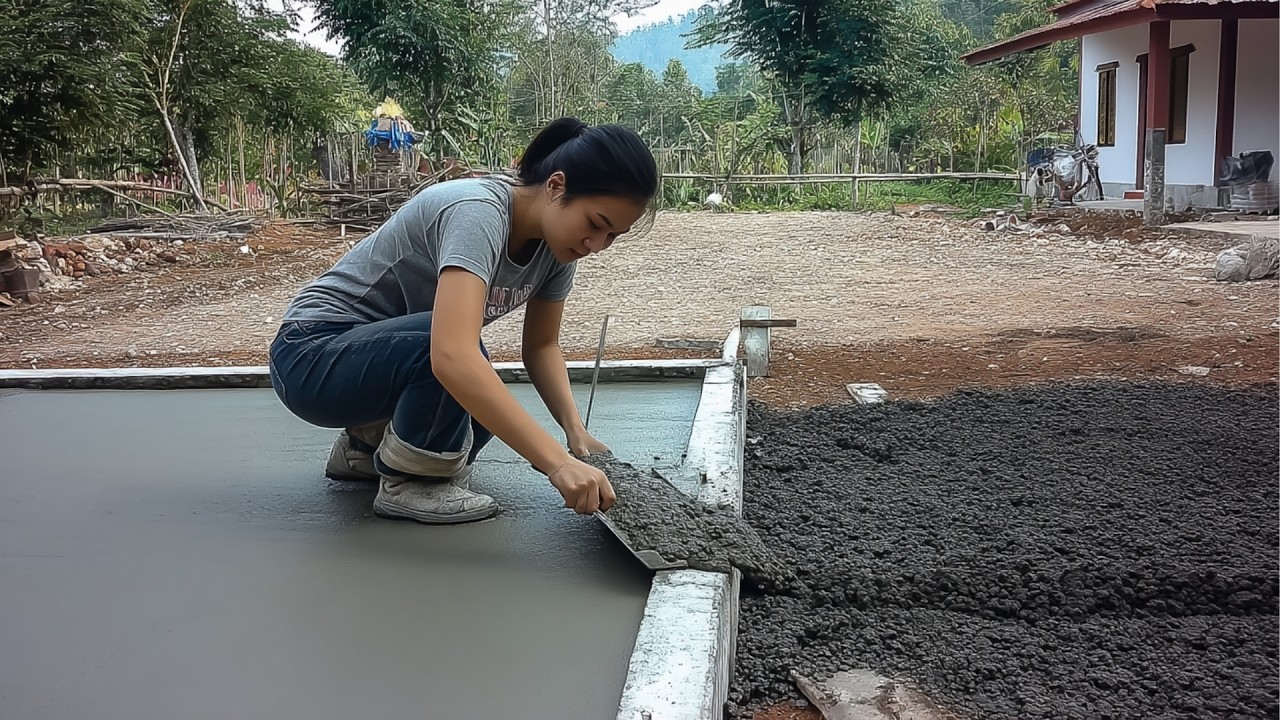
Young from channel @LyTieuToan builds a village with a pool in the hills of Vietnam, builds the house with her own hands, lives isolated from civilization, and creates a functional home from scratch.
In the green hills of Vietnam, far from urban centers, industrial concrete, and fast routines, a young woman decided to take a radically different path. Instead of buying or renovating a ready-made house, she chose to build everything with her own hands, literally starting from the beaten ground to create a complete, functional home integrated with the natural landscape.
The project, documented by the channel @LyTieuToan, showcases a construction that doesn’t arise from haste, but from the patient repetition of simple gestures: clearing the land, cutting wood, aligning bricks, molding concrete, and digging the ground. Each step is executed manually, without heavy machinery, without a fixed team, and without waste.
Construction of the village begins with ground preparation in the hills of Vietnam
Before any wall could rise, the first challenge was to tame the sloping terrain. The images show the young woman clearing the area, removing excess soil, and creating stable levels to receive the construction. The choice to work directly with the natural topography reduces environmental impacts and avoids large earth movements.
-
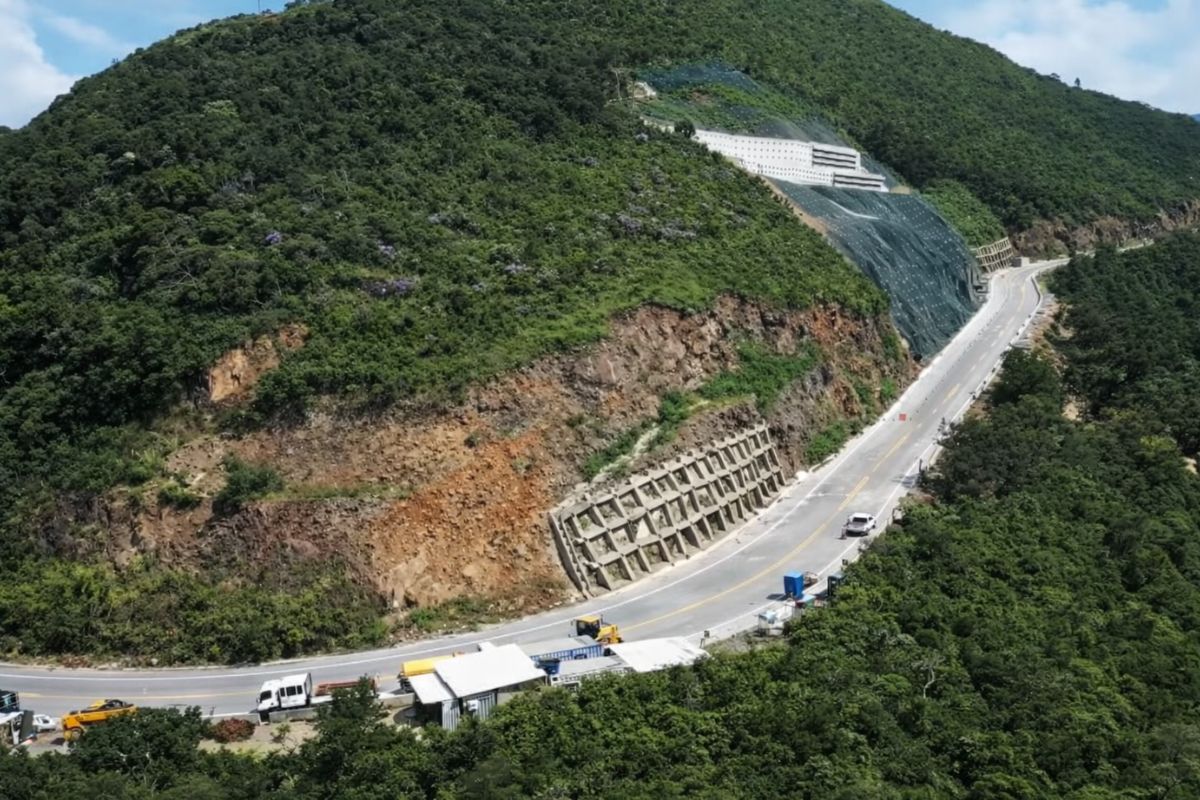
The section of Serra da Rocinha on BR-285 is now open in Timbé do Sul: 50 m tensioned curtains and top-down technique stabilize the slope, with a stairway duct controlling the water.
-
Scientists use sawdust mixed with clay to create a lighter brick, promising efficient thermal insulation and impressing by transforming waste into a solution for construction.

-
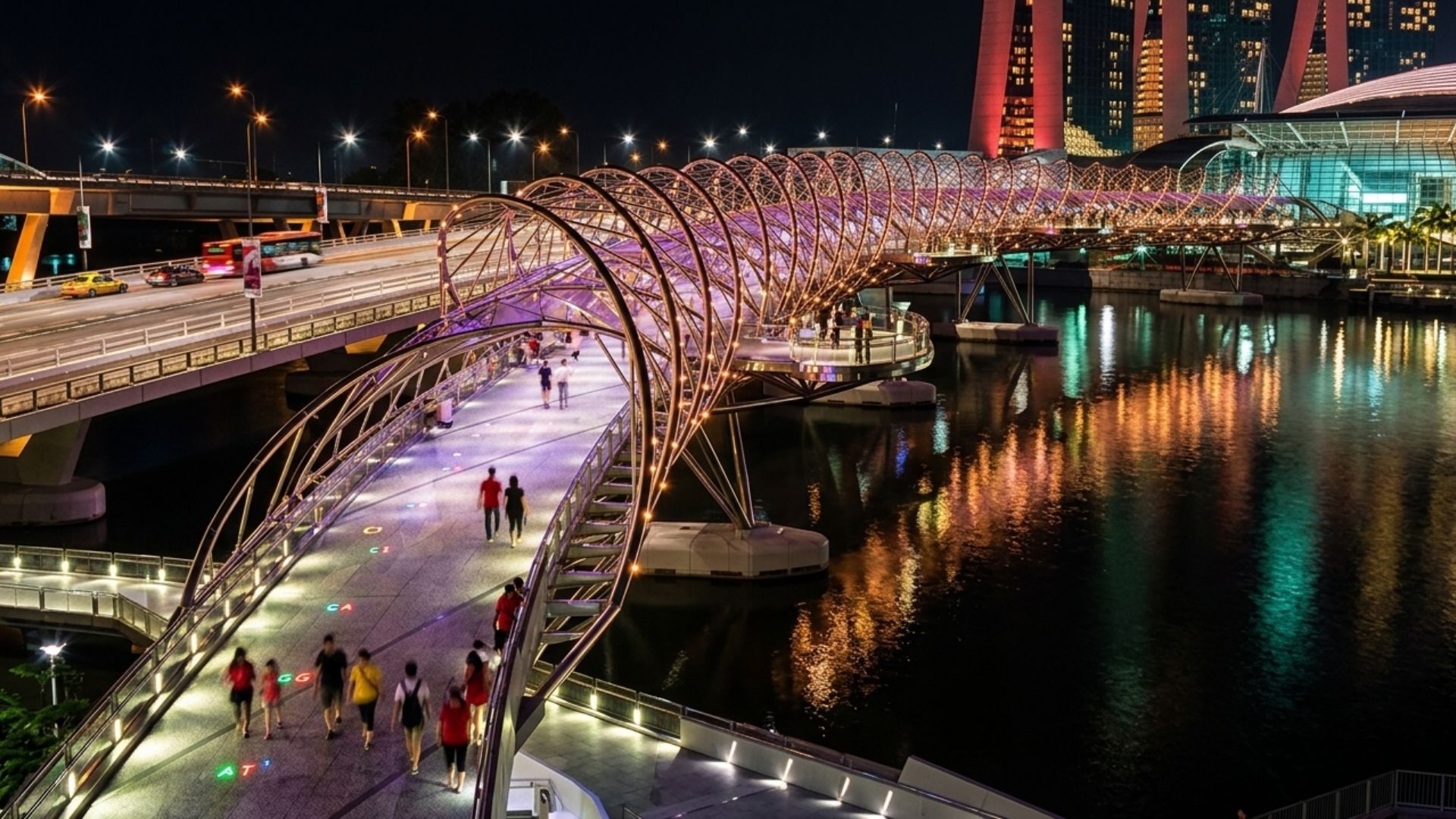
With a DNA shape, this bridge in Singapore draws attention in modern architecture and surprises tourists by transforming a simple crossing into an unforgettable visual experience in the urban heart.
-
Giant underwater pipeline begins to take shape with a R$ 134.7 million project at the Port of Santos: the 1.7 km structure uses 12-meter and 700 mm pipes to supply water to 450,000 people in Guarujá.



Small low brick walls are laid around the perimeter, serving as soil retention and initial structural base. Each row is manually leveled, ensuring stability for what would come next.
House structure is raised with wood, bricks, and hand-molded concrete
The village begins to take shape with a mixed structure, combining wooden pillars, traditional masonry, and concrete molded on-site. Nothing is prefabricated. The beams are positioned one by one, adjusted in place, respecting weight, alignment, and balance.

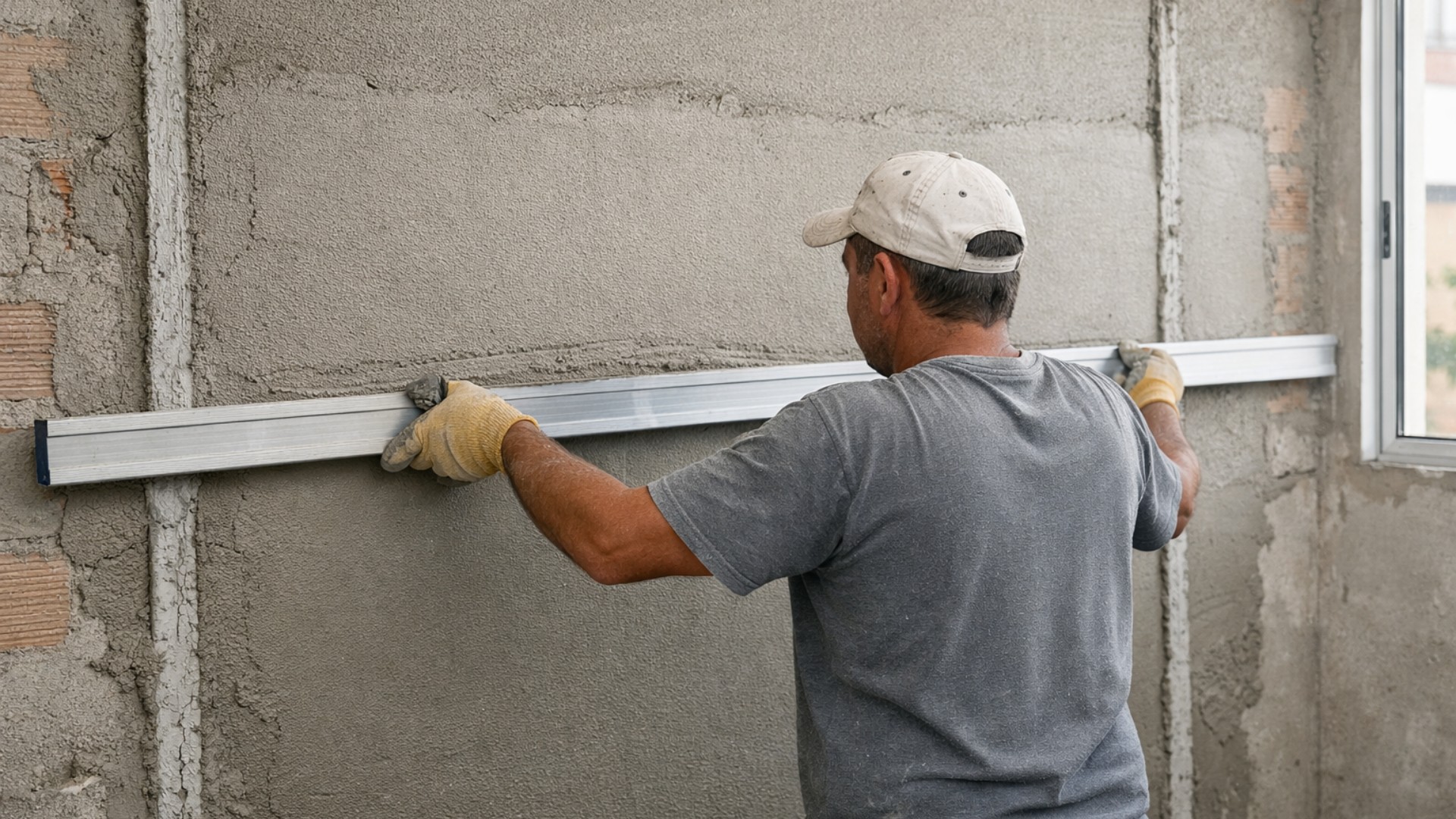
The exposed brick walls reveal an aesthetic care that is also structural. The plaster appears only where necessary, maintaining the natural texture of the material. The house is born simple but solid, designed to last and withstand the region’s climate.
Curved pool is hand-dug and integrated with the natural landscape
One of the most striking elements of the project is the curved pool, built next to the house. Unlike conventional models, it does not follow straight lines or industrial patterns. The shape follows the terrain and reinforces the idea of integration with nature.
The excavation is done manually. Later, the walls are raised with bricks, reinforced with concrete and carefully waterproofed.

The interior finish receives specific paint, creating a striking visual contrast with the surrounding green. The pool is not just a leisure item, but part of the concept of living, resting, and refreshing in the very space constructed.
Running water and sanitation system is built from scratch
When the main house is ready, the work does not end. The young woman moves on to essential structures that transform the shelter into a functional home. A complete bathroom is built, with a running water system and a septic tank buried deeply, connected by manually installed pipes.
This care shows that the project goes beyond aesthetics. There is sanitary planning, concern for hygiene and sustainability, even in an environment isolated from civilization.

Interior of the house reflects simplicity, functionality, and purpose
Inside the village, everything follows the same logic: nothing is excessive, nothing is lacking. A wooden bed is mounted directly into the structure of the living room. Tables, support surfaces, and internal elements are custom-built, utilizing available materials.

The external staircase, made of masonry and concrete, connects the levels of the construction and also serves as direct access to the pool area. A small gate marks the entrance, reinforcing the feeling of home and welcome, even in an isolated environment.
Manual construction becomes a way of life in the hills of Vietnam
What sets this project apart from other “DIY house” content is that it is not limited to the construction of a property. It is about the construction of a way of life. Every decision carries intention: where the water flows, where the fire remains, how the space is used for work, rest, and living.

The village was not built to impress with luxury, but with coherence. Everything has a function. Everything was thought out. Everything was handmade.
Self-sufficient village becomes a symbol of autonomy and resilience
At the end of the work, what is seen is a silent village, firm and integrated with the hills of Vietnam. A space that does not depend on large infrastructures or ready-made solutions. It exists because someone decided to learn, err, redo, and insist.
More than a house with a pool, the project documented by @LyTieuToan shows how manual construction, when guided by patience and purpose, can transform raw land into a home — and continuous effort into identity.








-

-

-

-

-

20 pessoas reagiram a isso.