





 Portuguese
  English
  Spanish
  3 min of reading



The Peregrino Offshore Field, the Largest Field Operated by Equinor Outside Norway, Has Restarted Production Aiming to Reduce Carbon Emission Intensity
Equinor – a Norwegian energy company – has decided, after more than two years, to resume production at the Peregrino offshore field in Brazil, prior to the start of Phase II – which is expected to occur later this year.
On Tuesday (19), Equinor announced that production at the Peregrino field was restarted on July 16, 2022, with the aim of increasing the company’s total production and reducing emission intensity.
In this regard, Verônica Coelho, Equinor’s country manager in Brazil, stated that the company’s top priority is the safety of its workers and operations. According to her, investments in technology, new equipment, and maintenance allowed the company to safely resume production at Peregrino, as well as prepare for the start of the new project: Peregrino Phase II.
-
New escalation of tensions and oil crisis in the Middle East forces world powers to accelerate energy transition plans.

-
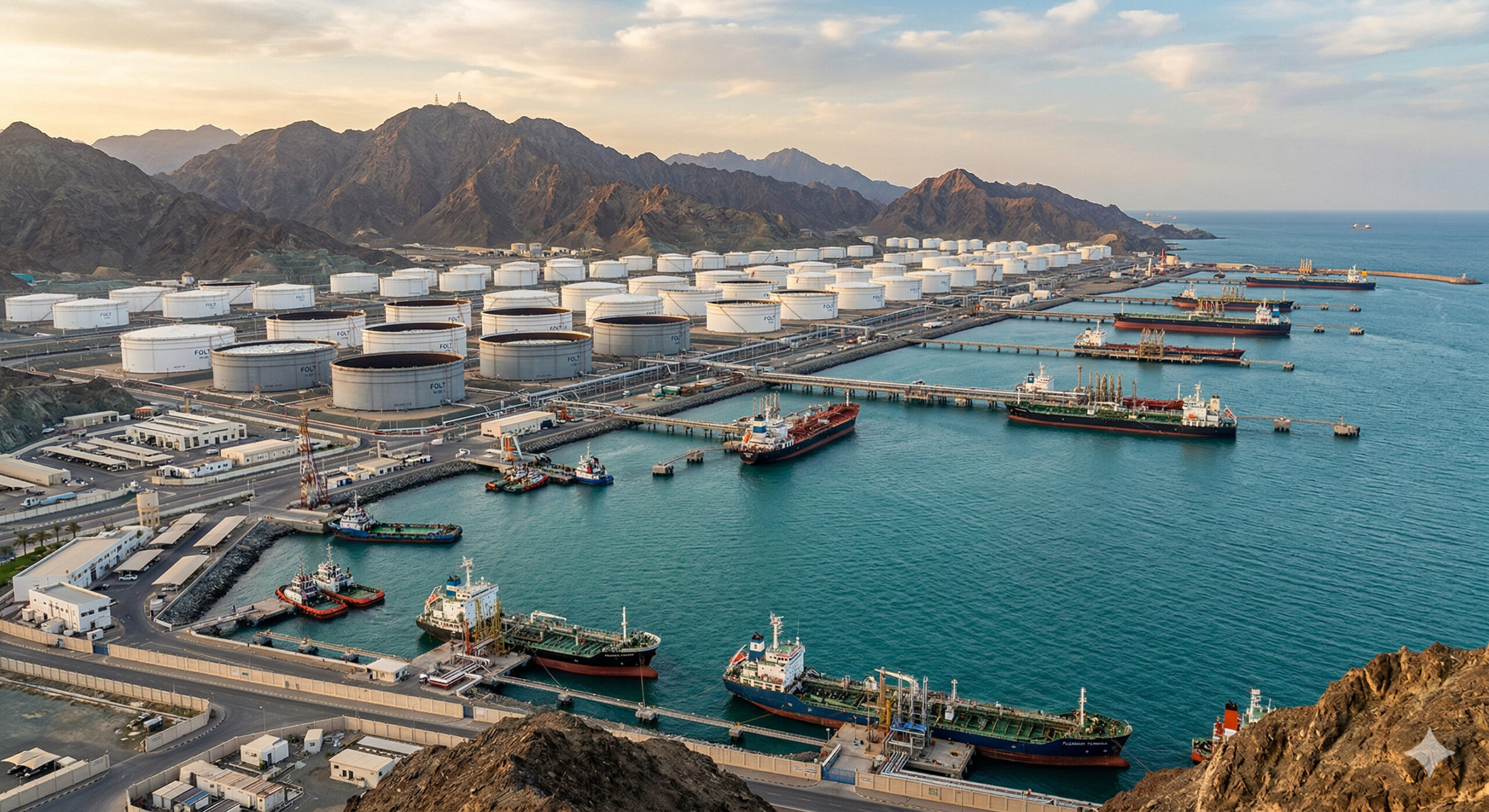
Giant reservoirs with a capacity of 18 million cubic meters have turned Fujairah into one of the largest energy vaults on the planet. This facility, located outside the Strait of Hormuz, stores oil on a colossal scale and has become a silent piece that supports the global flow of fuels.
-
The next exploration auction in the pre-salt will offer 23 blocks in the Campos and Santos basins and may change the interest of oil companies in Brazil.
-
The next exploration auction in the pre-salt will offer 23 blocks in the Campos and Santos basins and could change the interest of oil companies in Brazil.
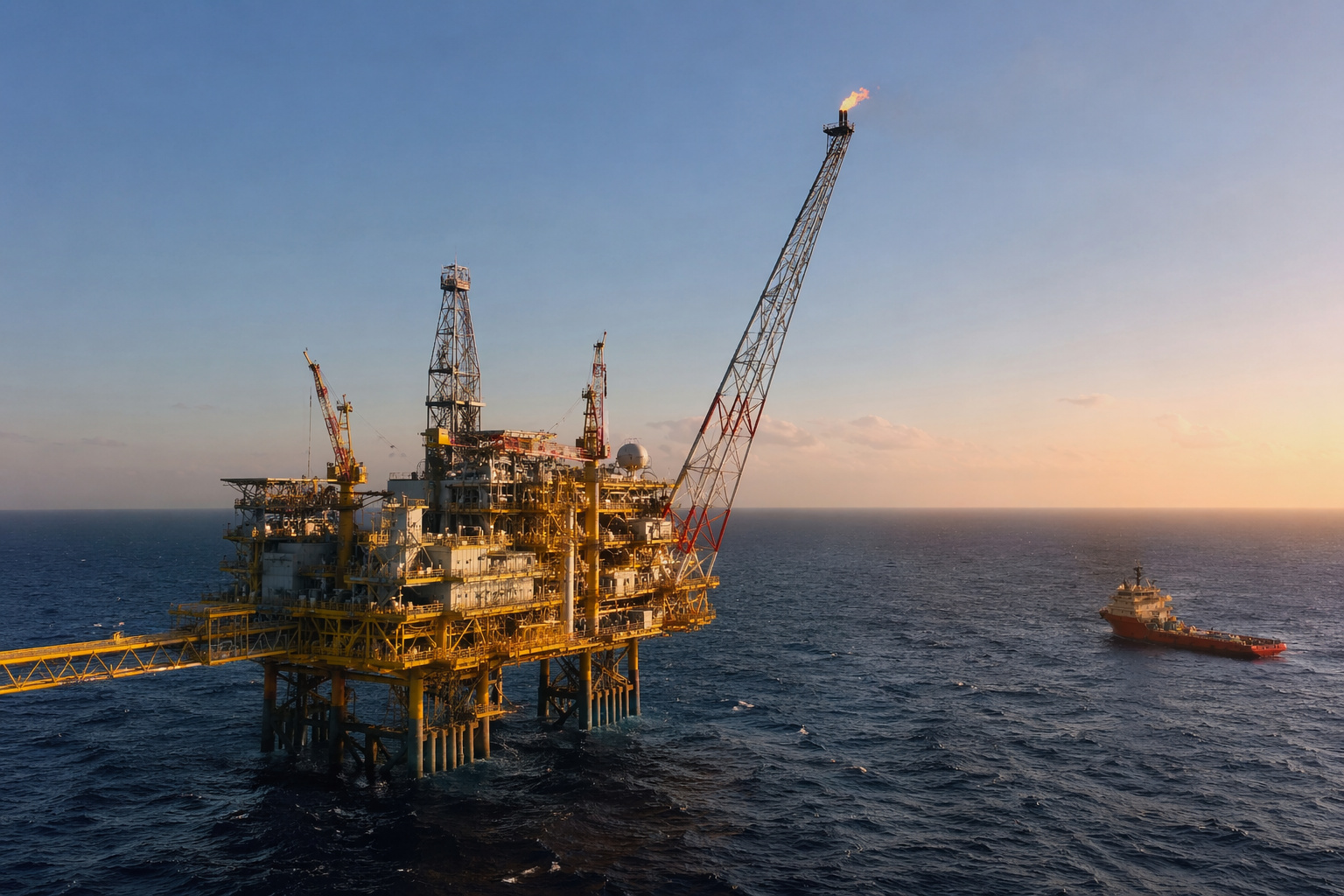
Production at the offshore field was halted in April 2020 due to the detection of a rupture in the water injection riser during a leak test. Since then, the Norwegian company has carried out a significant maintenance program, updates, and repairs on the FPSO vessel responsible for operating in the field, in addition to installing a new platform, Peregrino C.
As explained by the company, these investments enabled the safe restart of production, increased the field’s global capacity, and improved carbon emission intensity.
In this sense, Coelho added that she is proud of how the teams worked hard throughout the Covid-19 pandemic to modernize the facilities and allow the Peregrino offshore field to resume operations. She also stated that over 1,200 people have been working together in recent months to achieve this goal.
According to Equinor, Peregrino is the largest offshore field operated by the company outside Norway, and it is the first in a series of major field developments in Brazil. The company also revealed that the remaining reserves of Peregrino Phase I are estimated at 180 million barrels.
New Wellhead Platform Installed at the Peregrino Offshore Field as Part of the Peregrino Phase II Project
In parallel with maintenance and improvements on the FPSO, a third wellhead platform, Peregrino C, was also installed, which is progressing towards the start of production, with first oil expected in the third quarter of this year.
This new platform is part of the Peregrino Phase II project, which aims to extend the field’s lifespan and value, in addition to adding 250 to 300 million barrels. Peregrino Phase I refers to an FPSO unit supported by two wellhead platforms – Peregrino A and Peregrino B. Peregrino II, in turn, consists of a new wellhead platform – Peregrino C – and related facilities.
Equinor Aims to Reduce Carbon Emissions at the Peregrino Field by 100,000 Tons of CO2 Per Year
Moreover, Equinor emphasized that significant investments have been made to reduce CO2 emissions from the Peregrino offshore field, in line with the company’s low-carbon strategy. It is expected that, when operational, Phase II will reduce absolute emissions at the Peregrino field by 100,000 tons of CO2 per year.
The Norwegian energy company aims to achieve this objective by implementing digital solutions to optimize energy consumption, in addition to gas turbines that drastically reduce and replace diesel consumption.
The Peregrino oil field, located in the Campos Basin, began production in 2011. Equinor is the operator of the field, holding a 60% interest, while its partner, Sinochem, owns the remaining 40% interest.
Regarding the most recent business dealings by Equinor in Brazil, it is worth noting that the Norwegian company extended the contract for the Floatel Victory last month. Under this agreement, the Floatel International unit will provide Maintenance and Safety (MSU) services on the Peregrino FPSO until the end of this year.







Seja o primeiro a reagir!