





 Portuguese
  English
  Spanish
  4 min of reading
  0 comments


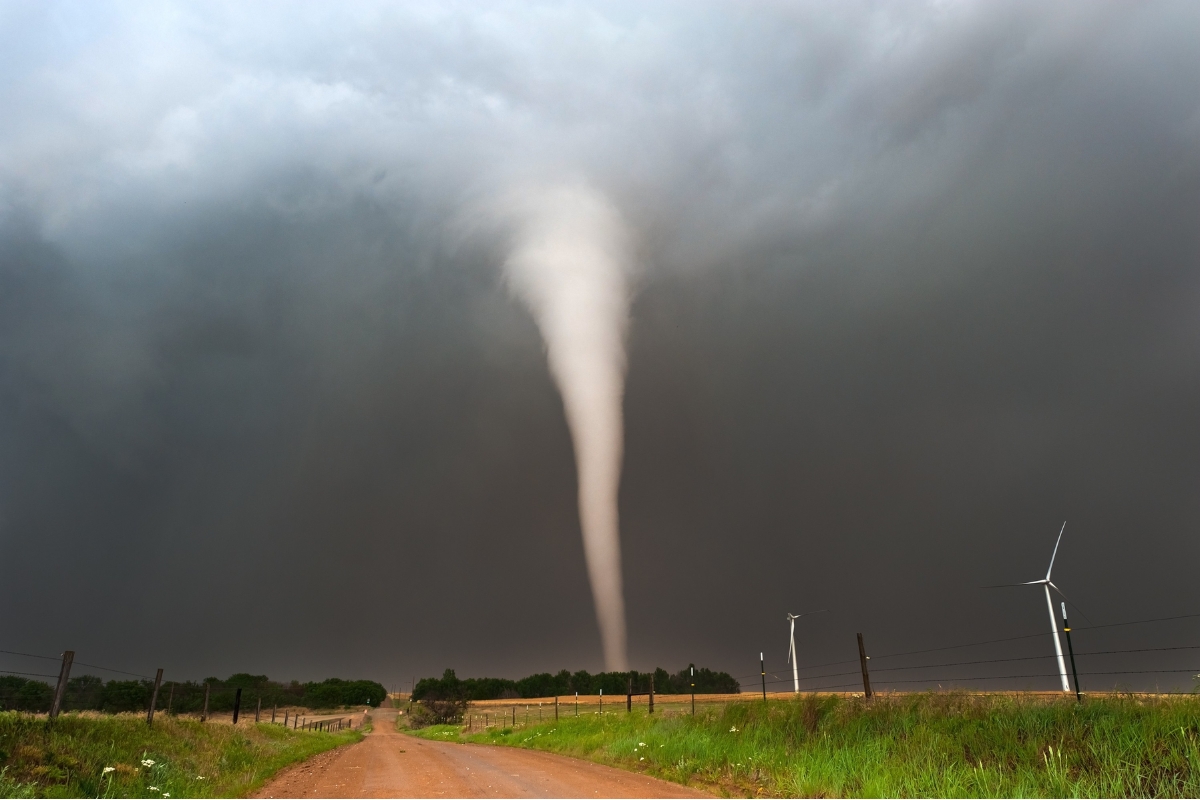
Matt Suter was 19 years old when he was struck by an F2 tornado in Missouri, thrown 1,307 feet away and found alive in a field, in a real case that defies physical logic.
In March 2006, Matt Suter experienced one of those real cases that seem like a headline exaggeration, but were officially confirmed. At 19 years old, he was swept away by a tornado in the state of Missouri, USA, traveled 398 meters, and survived the impact.
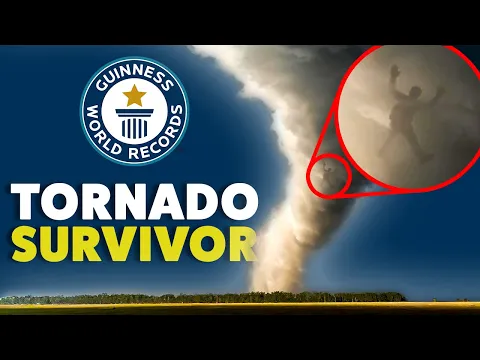
The episode was so extraordinary that it made it into the Guinness World Records. To this day, Suter is recognized as the person who survived the greatest distance traveled within a tornado, in one of the most impressive events ever documented by modern meteorology.
What happened that night in Missouri
The case occurred on March 12, 2006, near Fordland, during a tornado outbreak that hit the Missouri Ozarks region. On that day, atmospheric conditions favored severe storms, with the formation of supercells, structures capable of generating very destructive tornadoes.
-
An impact crater has turned into agricultural land in Finland, and its almost perfect outline creates a circular design so strange that it resembles a landscape from another planet viewed from space.

-
Embraer proves that the KC-390 Millennium achieves 100% reliability in tests in the Arctic, operating in extreme cold in Sweden with short takeoffs, quick deployment, and simultaneous transport of heavy vehicles and troops.

-
Extratropical cyclone and cold front generate alerts for storms with winds of up to 90 km/h, occurring between April 6 and 10, advancing through 3 regions and risk of heavy rains in the South, Southeast, and Midwest.

-
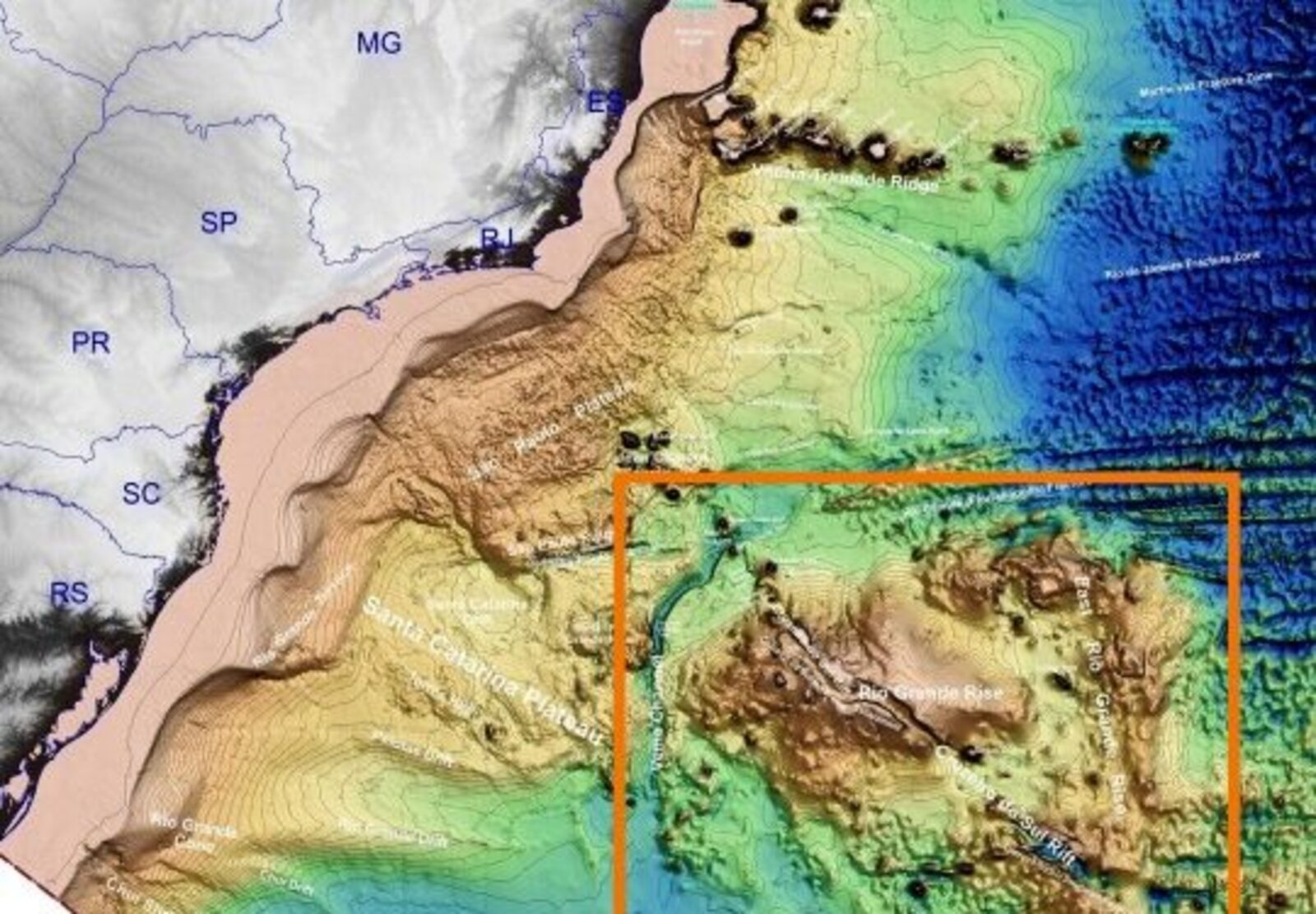
Trapped between layers of lava for 44 million years, an ancient tropical island in the Atlantic is back on the map and puts Brazil in contention for valuable minerals on the seabed.

Matt was inside his grandmother’s mobile home when the tornado struck the area. In a matter of seconds, the structure was destroyed. Amid the chaos, he suffered a blow to the head, lost consciousness, and was ripped from the residence by the force of the vortex.
The real force of an F2 tornado
The tornado was classified as F2 on the Fujita scale, used at the time to measure the intensity of the phenomenon based on observed damage. An F2 is already considered significant and can cause severe destruction to fragile structures, tear off roofs, uproot large trees, and launch heavy objects.
The estimated winds for this category range from 181 to 253 km/h. In a mobile home, the risk is even greater, because this type of structure offers much less resistance than a conventional building with a reinforced foundation.

Was he really “sucked” by the tornado?
The word often appears in headlines because it helps convey the violence of the episode, although technically the process is more complex. A tornado creates a field of rotational and upward winds that can lift debris, parts of the struck structure, and, in extreme cases, people.
In the case of Matt Suter, the combination of the instant collapse of the mobile home, the internal turbulence of the tornado, and the wind speed caused him to be thrown an extraordinary distance. It was not just a gust: it was a direct exposure to one of the most dangerous regions of the system.
The 398 meters that became a world record
The distance of 398 meters, equivalent to 1,307 feet, is the most well-known fact of the case and what secured the Guinness recognition. The record is not for “surviving a tornado” in a generic way, but for the greatest distance survived inside a tornado.
This detail is important because it separates the proven fact from sensationalism. The mark is specific, verifiable, and makes Matt Suter a unique case within the records of survival in extreme weather events.
How he survived something so unlikely


After being thrown, Suter regained consciousness in a field, far from the point where the house was destroyed. The most surprising thing is that reports from the time indicate relatively minor injuries, something completely unexpected for an episode with this level of violence.
From a physical standpoint, surviving this is extremely rare. An F2 tornado can turn wood, glass, and metal into high-speed projectiles. Moreover, the human body was not designed to withstand sudden elevation, intense rotation, impacts, and an unpredictable fall amid debris.
Why mobile homes are so dangerous in tornadoes
Matt’s story also highlights a safety point often emphasized in the United States: mobile homes are not a safe shelter during tornado warnings. Even moderately intense tornadoes can quickly destroy them, leaving those inside completely exposed.
This explains why this type of construction frequently appears in reports of tragedies during severe weather outbreaks. When the structure breaks apart, the resident faces not only the wind but also debris, flying objects, and the risk of being swept away by the system.
The detail about the word “teenager”
Many viral versions of the story describe Matt Suter as a “teenager,” which can lead to confusion. He was 19 years old, so in English he falls into the category of teenager, but in Portuguese the word “adolescente” is often understood as someone underage.
The most accurate way, therefore, is to refer to him as a 19-year-old young man. This adjustment does not diminish the impact of the case in any way, but avoids a common distortion in more sensational headlines.
A real case that continues to impress
The story of Matt Suter spread because it contains all the elements that capture attention: natural disaster, improbable survival, exact number, and official confirmation. Even so, the case withstands scrutiny. The core of the account is true, the record exists, and the distance was recognized by Guinness.
More than just a curiosity, the episode shows the brutal force of tornadoes and how survival in such phenomena can depend on absolutely exceptional circumstances. It is not just a catchy story: it is one of the most impressive cases ever recorded in meteorology.







Seja o primeiro a reagir!