





 Portuguese
  English
  Spanish
  5 min of reading
  0 comments



Hypershell X Pro Exoskeleton with AI, 800W and only 2 kg reduces up to 30 kg on legs and transforms walking and trails
In 2025, the wearable exoskeleton Hypershell X Pro began to gain global attention after its presentation at CES, one of the largest technology fairs in the world. According to the CES organization itself, models from the Hypershell line were recognized in the official innovation program for integrating artificial intelligence, sensors, and motor assistance systems in a portable format, consolidating the category of everyday use exoskeletons.
The device, equipped with artificial intelligence and advanced sensors, was designed to reduce physical effort during walking and trails, acting directly on the movements of the legs. According to analyses published by specialized outlets such as New Atlas, the equipment has about 800 watts of power and weighs approximately 2 kg without the battery, using smart modes to adapt assistance to the user’s movement.
Weighing around 2 kg and operating with high-power assistive motors, the system uses sensors and algorithms to anticipate movements and reduce muscle load during locomotion. Independent tests and reviews indicate that the exoskeleton can significantly reduce physical effort, making activities such as walking, climbing, and running less demanding for the user.
-
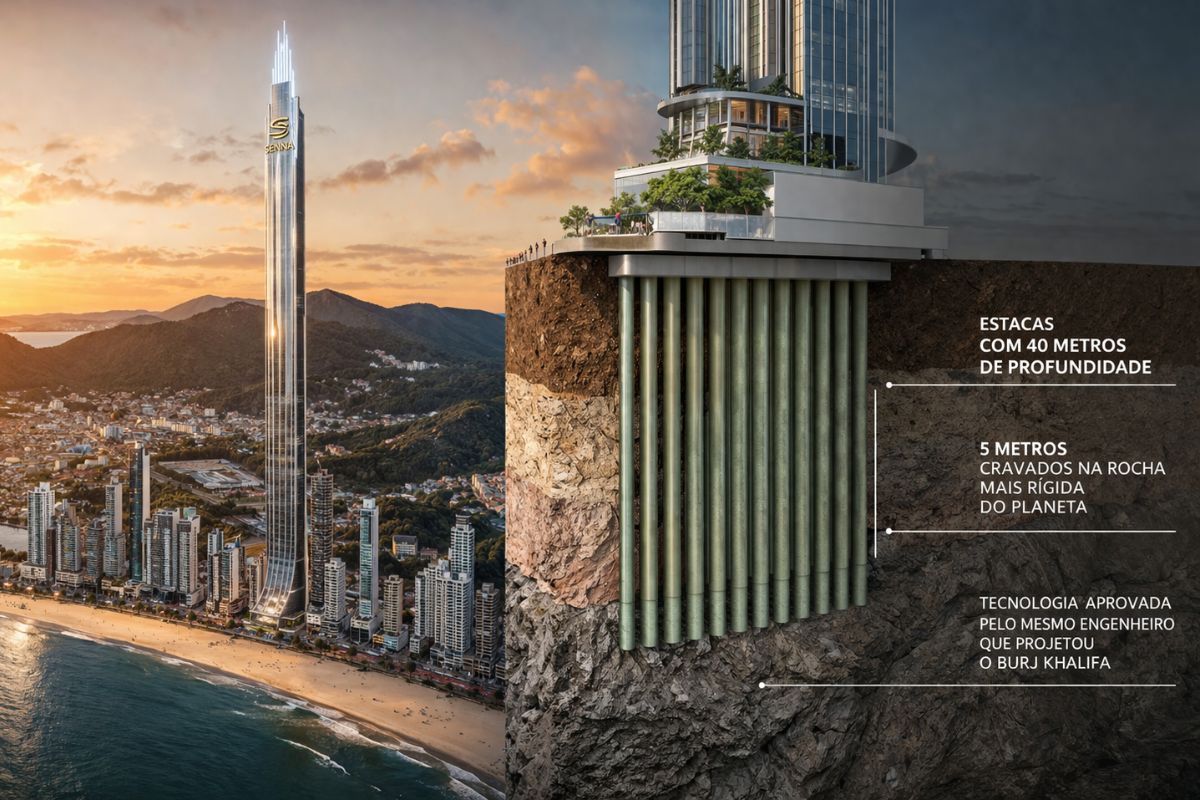
The Senna Tower in Balneário Camboriú is using stakes considered unique in the world that go down 40 meters and are driven 5 meters into the hardest rock on the planet, with technology approved by the same engineer who designed the Burj Khalifa.
-
The drought may be pushing a much larger crisis than just a lack of water; in addition to affecting crops, reservoirs, and cities, it can also help strengthen bacteria that no longer respond well to antibiotics.

-
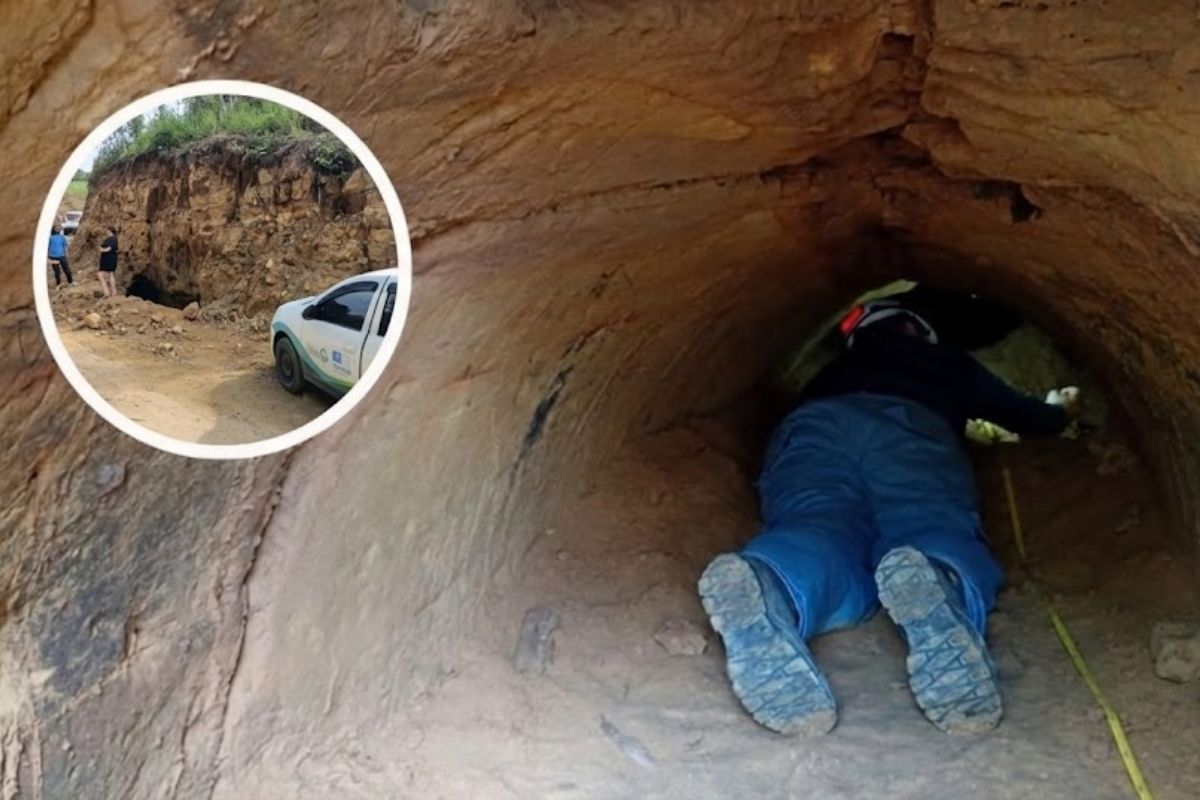
A resident of Santa Catarina found a tunnel over 10,000 years old dug by animals the size of a car on her own property, and the video of the discovery has already surpassed 3 million views on social media.
-
The coldest region of Brazil will experience very hot weather in the first days of April, with maximum temperatures reaching up to 35 degrees in Rio Grande do Sul, and only in the last week of the month an intense cold front is expected to finally lower the temperatures in the South and Southeast.


Hypershell X Pro Exoskeleton: how intelligent assistance works on legs
The Hypershell X Pro is a wearable exoskeleton powered by artificial intelligence that attaches to the hips and thighs. It uses a combination of sensors, including inertial measurement units, gyroscopes, and barometers, to identify the user’s movement in real time.
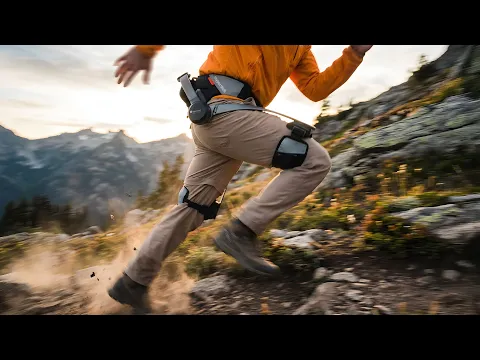

The system detects when the person is about to take a step and applies assistance even before conscious perception. During movement, the exoskeleton pulls the leg up during the lift phase and pushes down at the moment of contact with the ground.
This synchronized action reduces the effort required in each step, making intense physical activities significantly lighter.
Artificial intelligence with a response time of 2 milliseconds anticipates user movements
The control system, called AI MotionEngine, operates with a network of 12 sensors that continuously monitor posture, strength, and displacement. The response time is only 2 milliseconds, allowing the exoskeleton to act before the user perceives the need for additional effort.
The system automatically recognizes different types of movement, including walking, running, climbing, descending, stairs, trails, and cycling. The transition between modes occurs automatically, without the need for manual intervention.
This level of automation transforms the equipment into an adaptive system that responds instantly to changes in terrain and intensity.
Exoskeleton reduces up to 30 kg on legs and increases strength by up to 40%
According to data released by the manufacturer and confirmed by independent testers, the Hypershell X Pro reduces the perceived load on the legs by up to 30 kg and increases strength by up to 40%. In practice, this allows users to carry heavy backpacks with less effort, cover greater distances, and tackle steep climbs with less fatigue.

Testers reported that demanding trails required less physical effort and that the device provides a feeling of lightness even on challenging terrain. This reduction in load represents a significant gain in physical performance without requiring additional conditioning.
Exoskeleton allows 84-year-old woman to climb mountains without extreme effort
One of the most relevant reports was published by the Exoskeleton Report, involving an 84-year-old woman with a history of triple bypass surgery.
According to the test, she was able to complete trails in mountainous regions alongside younger people without significant cardiovascular pain. The assistance from the system reduced physical effort and impact on the cardiovascular system.
Additional reports indicate that older users or those with physical limitations can resume activities they had abandoned. This case highlights the potential of the exoskeleton as a tool for enhancing mobility across different age groups.
Price of Hypershell X Pro: exoskeleton costs US$ 1,199 and does not require prescription
The Hypershell X Pro has been available for sale since January 2025 for US$ 1,199, an amount lower than R$ 7,000 at the approximate exchange rate. The device is not classified as medical equipment and does not require a prescription or professional supervision. It can be purchased directly by consumers and configured in a few minutes via an app.
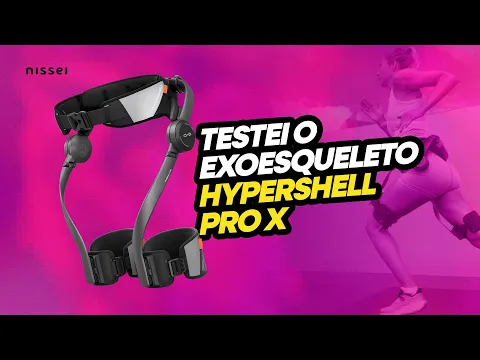
The initial adjustment is made only once, with automatic adaptation to the user’s body. The system accommodates about 80% of body profiles. The ease of acquisition positions the product as one of the first exoskeletons accessible to the average consumer.
Battery of the exoskeleton allows up to 17.5 km of assisted walking
The autonomy of the equipment is measured in distance, allowing up to 17.5 km of assisted walking on a single charge. A full recharge takes about 80 minutes, with a partial charge of 50% in approximately 35 minutes. The system uses a USB-C connection and supports fast charging of 65 watts.
The model features a dual battery and hot-swappable design, allowing replacement without shutting down the system. This configuration ensures continuous use on long trails and in real-world conditions.
One of the limitations pointed out by testers is related to use with large capacity backpacks. The exoskeleton occupies the hip area, where trekking backpacks rest.
Backpacks between 60 and 80 liters can create friction with the equipment, causing discomfort. For short trails, the problem does not manifest. Compatibility with load-carrying equipment is still an area for product evolution.
Exoskeleton market expected to reach US$ 30 billion by 2032
The Hypershell is part of a rapidly expanding market. According to Fortune Business Insights, the exoskeleton sector was valued at US$ 1.76 billion in 2024 and could reach US$ 30.56 billion by 2032.
Global companies are already developing solutions for industry, logistics, and military use. The differentiator of Hypershell is the focus on the end consumer and recreational use. This positioning creates a new segment within the industry, aimed at assisted personal mobility.

The equipment has an IP54 certification, ensuring protection against dust and water splashes. Tests have been conducted in various environments, including deserts, snow, and muddy trails.
The operating range varies from -20°C to 60°C, allowing use in extreme weather conditions. The robustness of the system reinforces its applicability in real environments, in addition to laboratory tests.
Exoskeleton originates on Kickstarter and evolves into award-winning global product
The Hypershell originated as a crowdfunding project on Kickstarter, attracting supporters before becoming a commercial product.
The transition from prototype to product available in global marketplaces and awarded at CES represents significant validation. Many of the early users were people looking to resume physical activities limited by age or physical condition.
One of the most reported aspects by users is the perceived difference when turning off the device after prolonged use. The immediate feeling of increased weight in the legs highlights how much the system was assisting in movements.
This effect practically demonstrates the magnitude of the assistance provided by the exoskeleton during continuous use.






Seja o primeiro a reagir!