





 English
  Francês
  Alemão
  Italiano
  Japonês
  Norueguês
  Portuguese
  Spanish
  6 min of reading
  0 comments


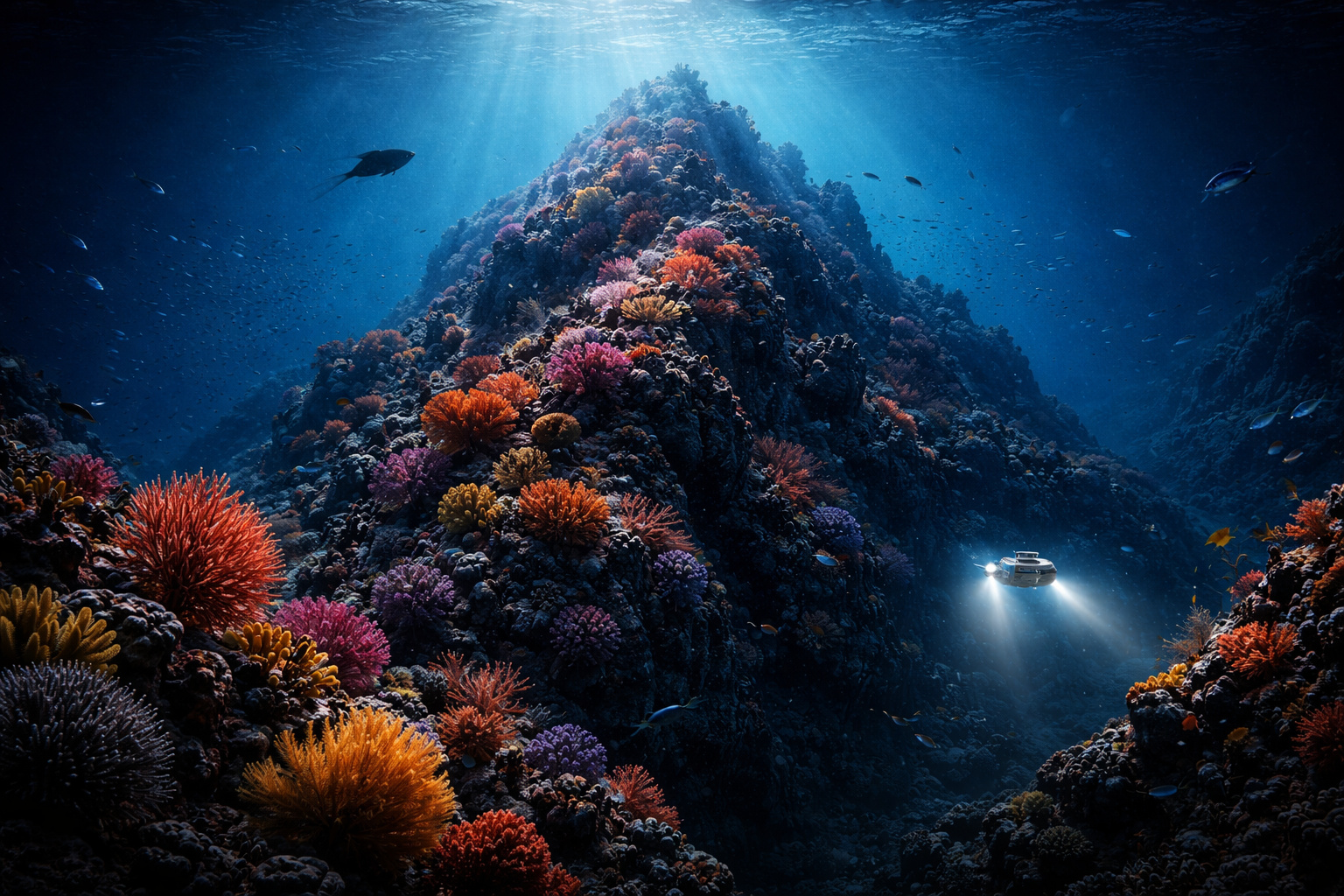
Expedition maps submarine mountain of 3,109 m in the Pacific, reveals more than 100 unknown species and exposes how much of the ocean is still unknown
In July 2024, the research vessel Falkor (too) set sail over a chain of mountains on the Pacific floor that geologists already knew by name: the Nazca Ridge. What no one knew was what exactly lay beneath. Twenty-eight days later, the team from the Schmidt Ocean Institute had mapped a submarine mountain 3,109 meters high that was not on any map in the world — taller than Olympus Mons, the highest point in Greece — inhabited by more than 100 species that science had never cataloged. And this in a region where only 26% of the ocean floor has been mapped in high resolution.
Unknown submarine mountain in the Nazca Ridge surprises scientists
The Nazca Ridge is an extensive chain of submarine mountains located in the South Pacific, in international waters approximately 1,450 km off the coast of Chile. Although its existence was already known to geologists, the detailed composition of the chain remained virtually unexplored.
Using a multi-beam sonar system installed on the hull of the Falkor (too), the team was able to map the ocean floor with metric precision. The equipment works by emitting sound waves that propagate to the seabed and return to the ship, allowing the reconstruction of the submerged topography with a high level of detail.
-
350-year mystery may have been solved: remains of a soldier who inspired the hero of The Three Musketeers found beneath a church in the Netherlands.

-
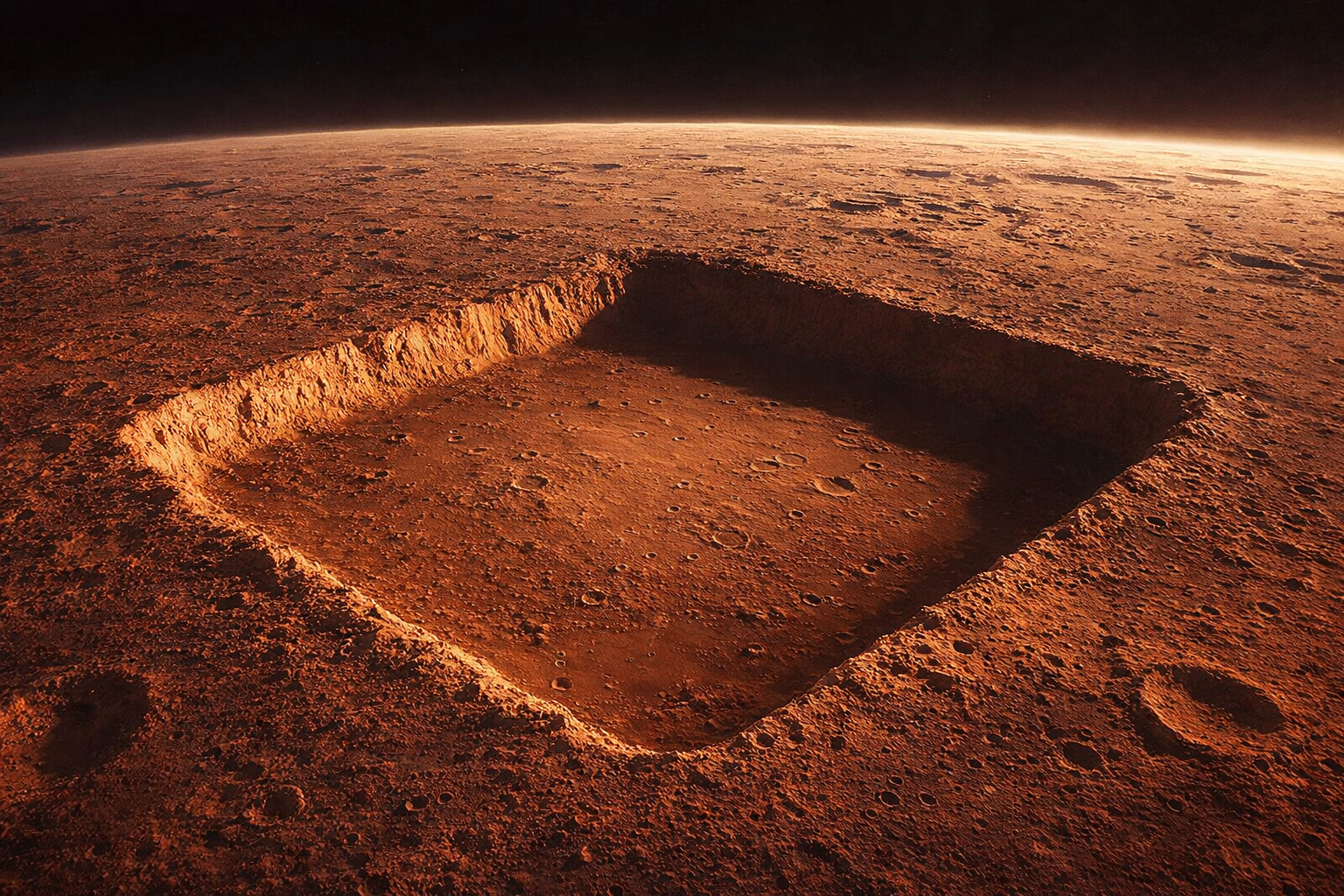
NASA photographed a nearly perfect square with 3 km sides on Mars, 13 times larger than the Great Pyramid of Giza, but the official explanation is natural erosion; still, no one has explained why the four sides have almost identical lengths.
-
Starlink breaks the barrier of 10,000 satellites in orbit and takes its expansion to an unprecedented level, with a direct impact on global internet, technological competition, and the race for space.

-
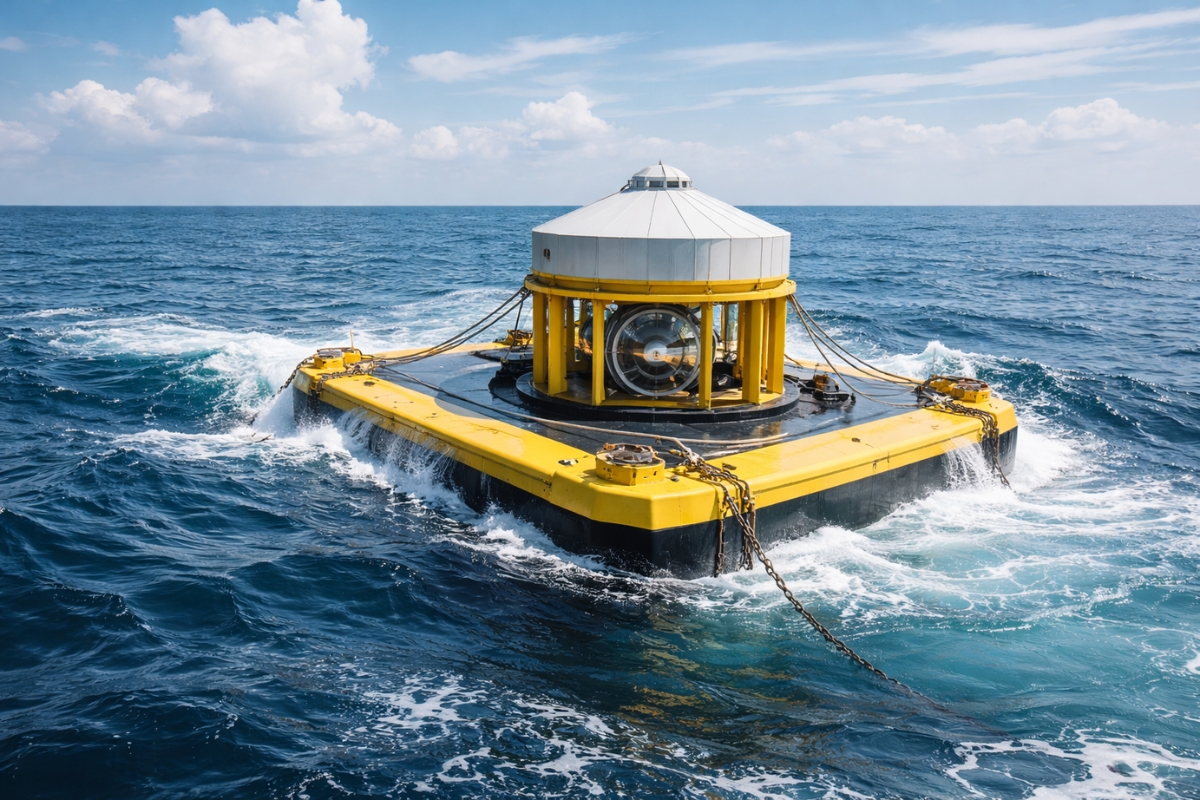
Japan finds an alternative to oil amid rising prices by transforming ocean balance into electricity with a new technology that maintains efficiency even when the sea changes.


It was during this process that the unknown mountain emerged. Its base is at a depth of 4,103 meters and the top is 994 meters below the surface. This means a total elevation of 3,109 meters above the ocean floor, spread over an area of approximately 70 km², a size comparable to the central region of a large metropolis.
Scale of the discovery places mountain among the largest ever identified on the seafloor
The size of the structure is impressive even when compared to known references. With more than 3,000 meters in height, the mountain surpasses Olympus Mons in Greece, which is 2,917 meters, and approaches continental geological formations.
Moreover, the top of the mountain remains nearly 1,000 meters below the surface, in a zone of permanent darkness, inaccessible to divers and only explorable by specialized robotic vehicles.
This combination of depth, isolation, and lack of previous mapping explains why a structure of this size remained unknown until 2024, even though it is relatively close to the South American coast.
Geological formation of the Nazca Ridge explains the origin of submarine mountains
The Nazca chain has a volcanic origin and is directly associated with the movement of the Nazca Plate over a hotspot in the Earth’s mantle. This process occurs when molten material rises through the crust, forming mountains over millions of years.

As the tectonic plate moves, the newly created formations are pushed away from the point of origin, making way for new structures. This mechanism generates a sequence of mountains with different geological ages, forming a continuous chain along the ocean floor.
This same process is responsible for the formation of the Hawaiian archipelago, with the difference that, in the case of the Nazca Ridge, all structures remained submerged.
ROV SuBastian reveals deep ecosystem with millennia-old corals and unknown biodiversity
The direct exploration of the mountain was carried out by the ROV SuBastian, a remotely operated underwater vehicle capable of reaching depths of up to 4,500 meters. Equipped with high-definition cameras, powerful lighting, and robotic arms, the equipment allowed for real-time observation of the environment.
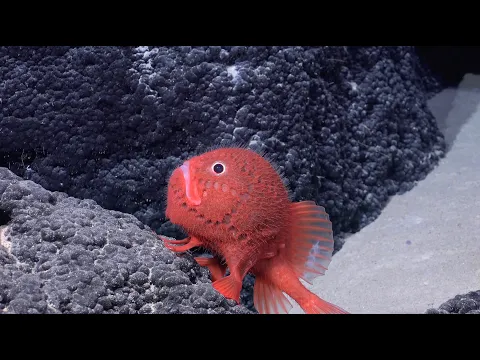

The images revealed a highly complex ecosystem, including extensive fields of glass sponges, formations of bamboo corals several meters high, and structures of corals known as bubblegum, characterized by their pink coloration.
On one of the slopes, a reef of approximately 800 m² was identified, where various species coexist, such as scorpion fish, brittle stars, and king crabs. Many of these organisms grow at extremely slow rates, indicating ages that may exceed a thousand years.
More than 100 unknown species expand biological record of the region by almost 30%
During three expeditions conducted in 2024, researchers recorded more than 150 previously undocumented species in the region, with at least 100 of them considered potentially new to science.
Before these missions, the total number of species cataloged in the Nazca and Salas y Gómez ridges was approximately 1,019. After the expeditions, this number exceeded 1,300, representing a significant increase in a short period.
Among the identified organisms are sponges with unprecedented morphologies, unclassified crustaceans, and species of echinoderms found at depths never recorded before.
Submarine mountains function as isolated biological islands in the deep ocean
One of the most relevant aspects of the discovery was the finding that each mountain harbors a distinct ecosystem. Species present in one formation were completely absent in another, even when separated by relatively small distances.
This isolation occurs because the abyssal plain that separates the mountains acts as a natural barrier for fixed organisms. Dispersal depends on larvae transported by ocean currents, which limits genetic exchange between populations.
The result is the formation of unique biological systems, where each mountain functions as an independent “island” on the seafloor, with direct implications for conservation strategies.
Nazca Ridge has more than 200 submarine mountains still little explored
The discovered mountain is just one among more than 200 structures that make up the Nazca Ridge, which extends for approximately 2,900 km to the region of Easter Island.
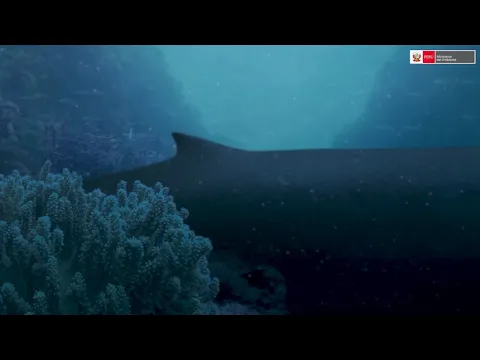
Much of these formations remain unexplored in detail, especially as they are located in international waters. During the 2024 expeditions, more than 52,000 km² of ocean floor were mapped, but this represents only a fraction of the total area of the chain.
The trend is that new expeditions will reveal even more unknown structures, reinforcing the idea that the ocean floor remains one of the last unexplored frontiers of the planet.
Only 26% of the ocean floor has been mapped and reveals the dimension of the unknown
According to the Schmidt Ocean Institute, only about 26% of the ocean floor has been mapped with sufficient resolution to identify detailed structures. Considering that the oceans cover about 71% of the Earth’s surface, most of the planet remains unknown.
This limitation is mainly due to the need for direct sonar mapping, which requires expensive and time-consuming expeditions. Satellites can detect large variations but lack the precision to reveal smaller details.
International projects like Seabed 2030 aim to completely map the ocean floor by the end of the decade, but the current pace is still far from this goal.
Discovery reinforces urgency of protecting ecosystems in international waters
The region of the Nazca Ridge is located outside the jurisdiction of any country, making it vulnerable to activities such as predatory fishing and deep-sea mining.
The High Seas Treaty, adopted by the UN in 2023, seeks to create mechanisms to protect international areas, but it still depends on ratification by a minimum number of countries to come into effect.
The discovery of intact and highly biodiverse ecosystems strengthens the scientific argument for transforming the region into a marine protected area before human activities cause irreversible impacts.
What the 2024 expedition demonstrated is that a single mountain can harbor hundreds of unique species. Considering that there are more than 100,000 submarine mountains over 1,000 meters high in the planet’s oceans, the potential for discoveries is enormous.
Most of these structures have never been visited. Each new expedition has the potential to rewrite entire parts of scientific knowledge about marine biodiversity, evolution, and deep ecosystems. The 3,109-meter mountain is not an exception; it is just a sample of what is still hidden beneath the ocean.






Seja o primeiro a reagir!