





 Portuguese
  English
  Spanish
  7 min of reading
  0 comments


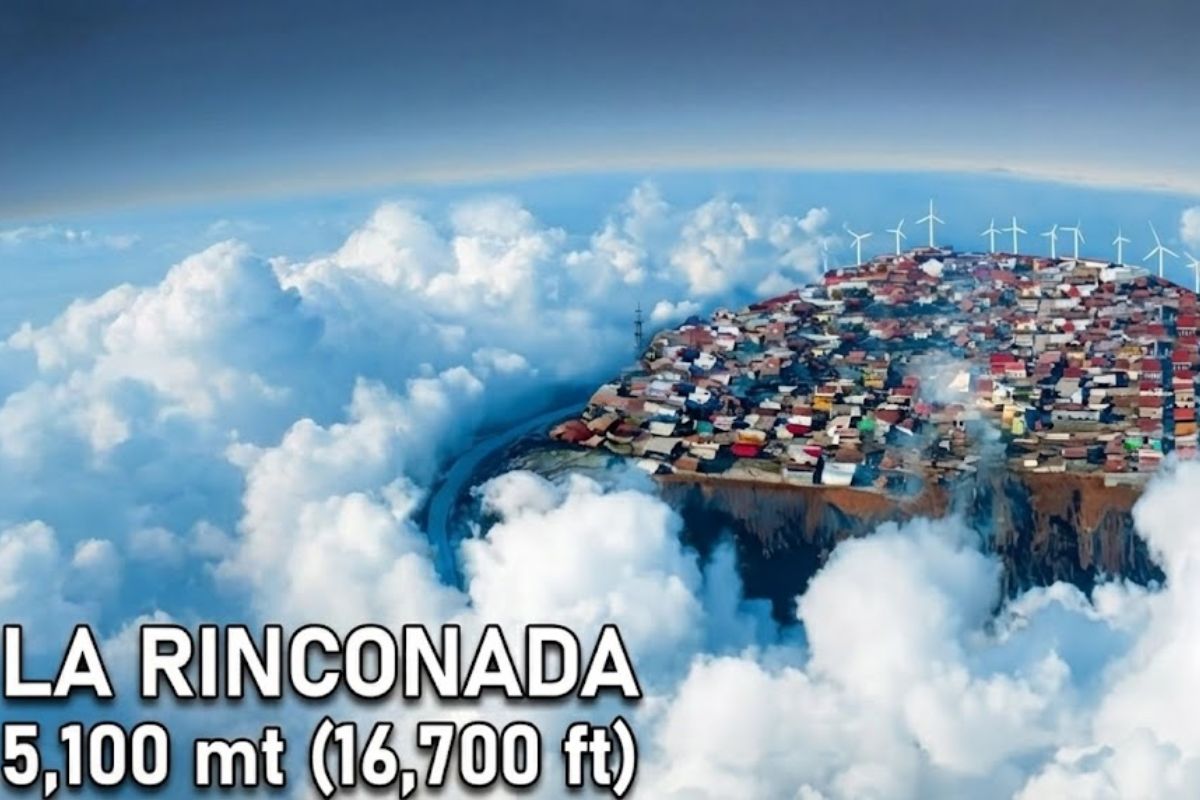
In La Rinconada, at 5,100 meters in the Peruvian Andes, around 50,000 residents live among trash, open sewage, illegal gold mines, air with little oxygen, constant violence, toxic chemicals, and an exhausting routine that reduces life expectancy to just 35 years in the 21st century.
La Rinconada seems like an apocalyptic movie set, but it’s real and overcrowded. In the world’s highest settlement, at 5,100 meters above sea level, people live with only about 50% of the oxygen available at sea level, surrounded by ice, trash, and mines that can kill at any moment, while scavenging for small particles of gold to survive.
In this city nestled in the Peruvian Andes, not a single tree can grow, the ground is frozen even in summer, and many residents live in metal shacks without heating, bathroom, or kitchen. What draws so many people to this extreme place is a single dream: to find enough gold to escape, although for most, wealth never arrives.
Life Above the Clouds and at the Limits of the Human Body

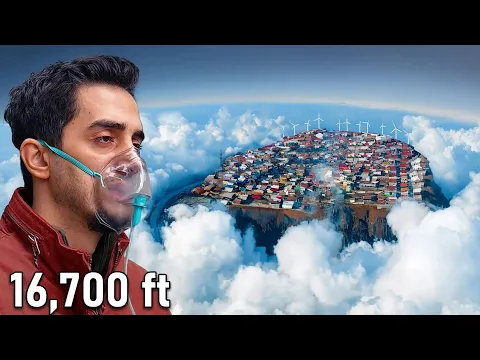
La Rinconada in Peru is described as the closest inhabited place to heaven on Earth. The city is so high that it is literally above the clouds, about 300 meters above Mont Blanc, the highest point in the European Alps.
-
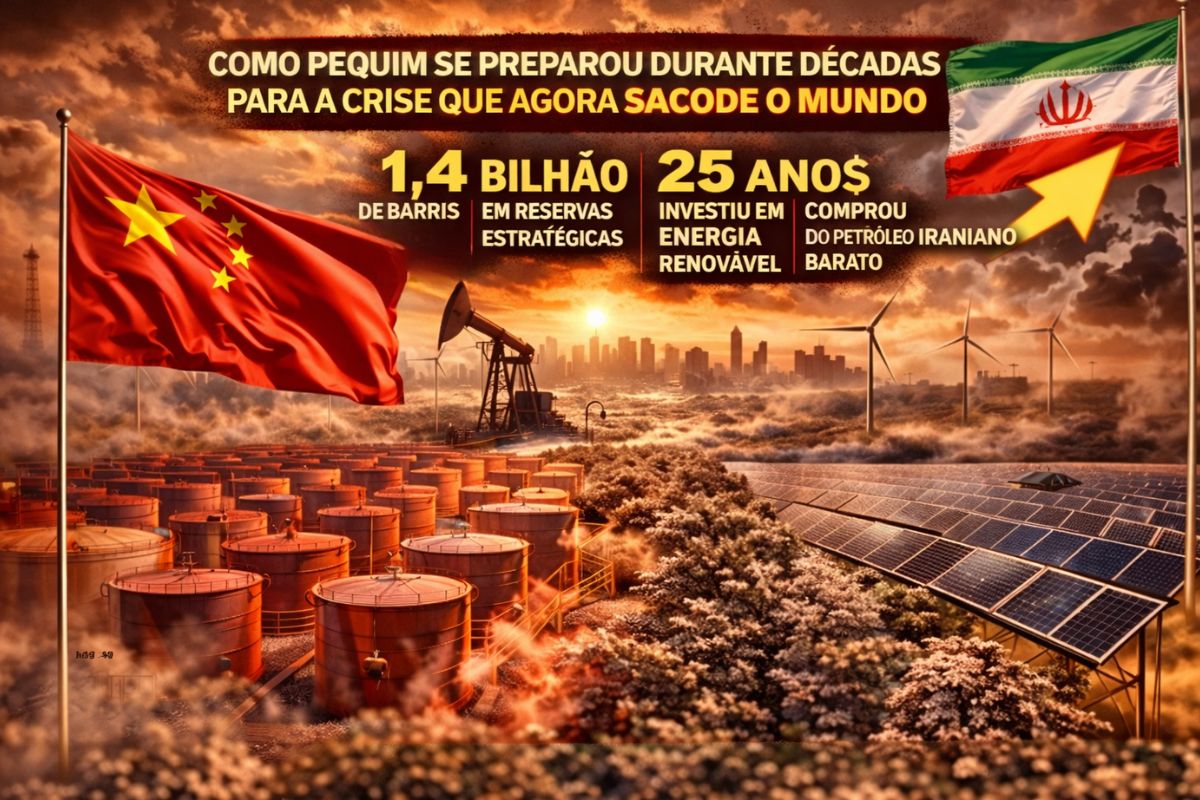
China has accumulated up to 1.4 billion barrels of oil in strategic reserves, invested 25 years in renewable energy, and purchased 80% of cheap Iranian oil: how Beijing has prepared for decades for the crisis that is now shaking the world.
-
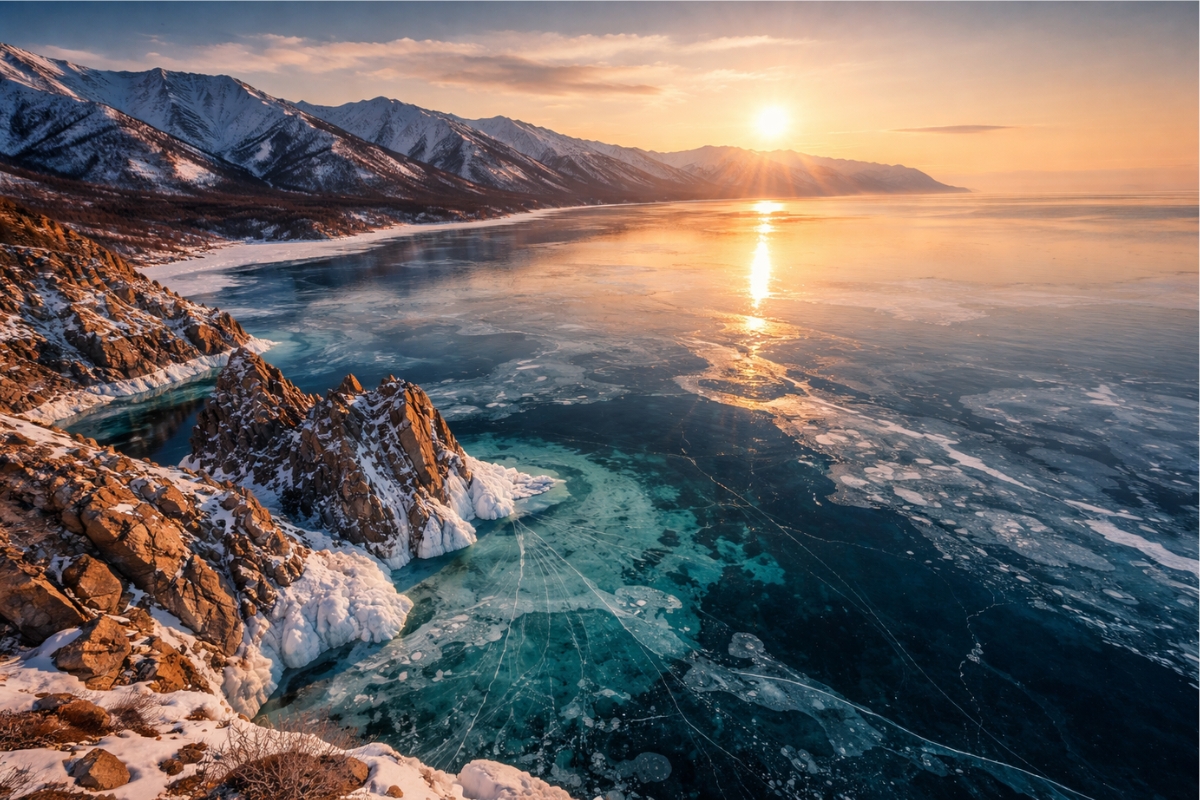
A single lake holds 20% of the planet’s non-frozen freshwater and is also the deepest and oldest on Earth.
-
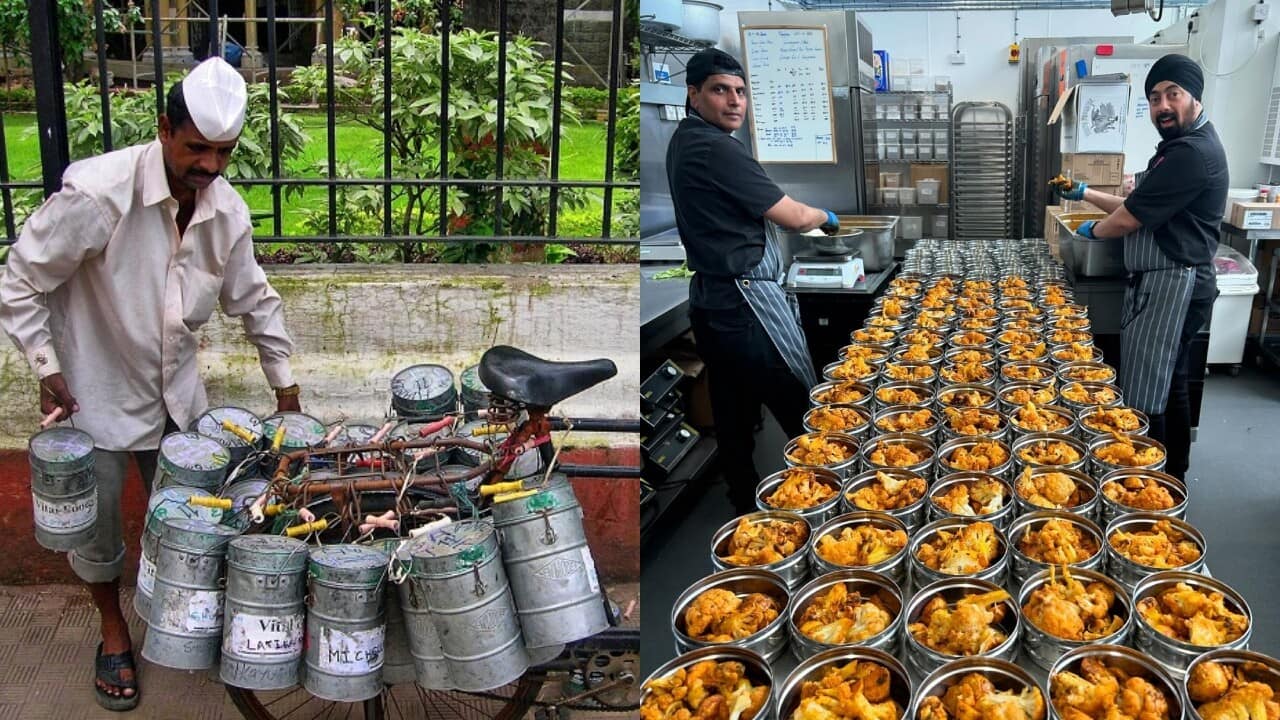
How 5,000 Indian dabbawalas manage to deliver around 200,000 lunchboxes a day in Mumbai for over 130 years using bicycles, crowded trains, and a manual system that continues to operate with impressive accuracy.
-
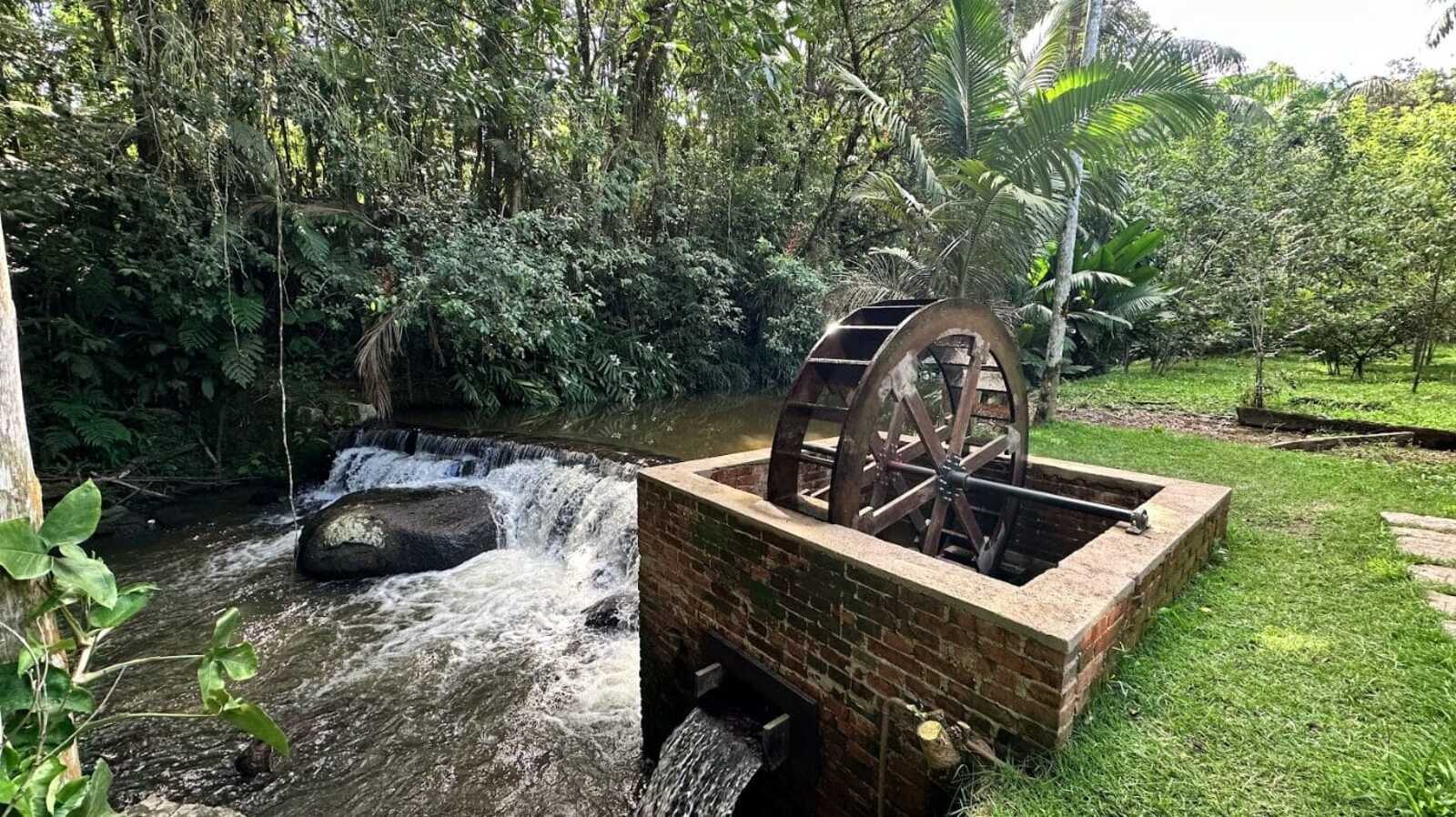
While restoring a historic mansion from 1910, a brick structure with an old turbine that generated energy from the Rio do Testo emerged, along with a hidden door and a rare floor concealed under layers of wax.

At this altitude, the atmosphere is so thin that the body of anyone born or living there for years adapts radically.
Local residents, according to reports, produce about twice the amount of red blood cells compared to a person living at sea level in an attempt to compensate for the low oxygen air. Those arriving from the outside suffer quickly.
Headaches, dizziness, nausea, cough, shortness of breath, and extreme fatigue arise within hours, and oxygen saturation can drop to around 65%, well below the 95% to 100% considered normal.
Trash, Sewage, and Water Contaminated by Mercury and Cyanide

Before the shine of gold appears, the smell of trash comes first. La Rinconada is surrounded by tons of waste that stretch for kilometers, forming hills and more hills around the city. Daily, thousands of people throw trash in the streets and in areas that have become improvised dumps, as there is no public waste collection service.
The problem doesn’t stop there. There is no structured sewage system, and waste freely runs through the streets, mixed with ice and mud.
The water that flows from the glaciers is collected by hoses that snake through the houses, but it arrives contaminated with mercury and cyanide used in gold processing. Even so, families plant and raise animals near these watercourses, which helps explain why the average life expectancy in La Rinconada is only 35 years.
Extreme Cold, Precarious Houses, and Always Exhausted City
Despite being close to the tropics, night temperatures drop to around minus 10 degrees Celsius, and the ground remains frozen.
The houses are largely improvised metal shacks, without thermal insulation, kitchen, bathroom, and often without electricity. Only a few streets have power, leaving much of the city submerged in darkness every night.
To meet their basic needs, thousands of people depend on the same public restrooms and showers, which are always crowded and in poor conditions. The dry air causes sore throats, chapped lips, and constant fatigue.
Even so, children continue to play in the streets late into the night, as if their bodies have learned to cope with the permanent discomfort. To relieve the altitude sickness, many turn to coca leaves and herbal teas like the so-called emoliente, a traditional practice that promises to reduce headaches and fatigue.
Gold, Illegal Mines, and the Brutal Cachorreo System
The engine of La Rinconada is gold. Every day, workers walk kilometers uphill to reach the mines, entering tunnels filled with dangerous gases, the risk of explosions, collapses, and poisoning.
The city earned the nickname Devil’s Paradise because it is dominated by illegal companies that control the mines with an iron fist, warnings of gunfire for intruders, and almost no real protection for workers.
Inside the tunnels, the logic is different. The concept of a fixed salary practically does not exist. Many miners work under an old and illegal system known as cachorreo.
The scheme works like this: for almost the entire month, they work for the company without receiving anything. On just one day, they can mine on their own, taking home the gold they find. If they’re lucky, they leave with a good amount.
If they’re unlucky, they spend an entire month working for free. To try to circumvent the system, some hide promising stones to use on the day reserved for cachorreo.
Women Prohibited in the Mine and Children Marked by the Cold

Life in La Rinconada is also marked by deep beliefs and inequalities. Women are prohibited from working inside the mines because part of the population believes that the mountain, associated with the figure of Sleeping Beauty, would become jealous and cause disasters like earthquakes if a woman touches the gold.
Thus, many of them end up scavenging for leftover ore in discarded stones, trying to find small particles that escape the official process.
Children, in turn, are easily identified by frostbite marks on their cheeks, the result of daily exposure to intense cold. There is school, but it is small and limited.
There is elementary education and some structure for high school, but to pursue higher levels one must move to cities like Puno or Juliaca. Those who cannot leave end up going to work in the mines early, repeating the family cycle.
Fragile Security, Little Government Presence, and Constant Violence
La Rinconada operates almost like an abandoned territory. The city has only a small police station, described as a dungeon with few rooms, and almost no consistent effort from the Peruvian government to tackle crime and illegal mining operations.
There is no structured hospital, just a very small clinic with two to four rooms. More complex treatments require long journeys, which are not always possible.
Crimes such as thefts and stabbings are reported as common, especially because many residents carry cash and gold with them, as there are no banks.
Exchange houses have iron bars on the counter to deter thieves, and the sense of insecurity accompanies both residents and visitors.
In many cases, transporting the ore is seen as one of the most dangerous jobs, precisely because of the risk of robberies.
Pollution, Acid Lake, and the True Cost of Gold
Behind every piece of jewelry, there is a heavy environmental cost. Reports indicate that a single ring weighing about 8 grams of gold can generate approximately 20 tons of waste in the production process.
At the top of the mountain, an acid lake has formed as a result of mining, with reddish water due to iron sulfate-rich rocks that oxidize on contact with air and water.
To separate the gold, an amalgam with mercury is used, which, when heated with a torch, releases toxic vapors into the atmosphere. Local estimates suggest around 2 grams of mercury evaporate for every gram of gold obtained, spreading through the air that residents breathe daily.
Add to this the thin air and contaminated water, and the result is an environment that silently corrodes health, while gold continues its journey to the global market.
Adapted Bodies, Overburdened Heart, and a Daily Struggle for Breath
Living in La Rinconada means literally breathing less each minute. At altitudes above 5,000 meters, each breath carries about half the oxygen available at sea level, forcing the body to work at an accelerated pace to keep vital organs functioning.
The blood of residents is described as twice as dense as that of an average person, which increases the risk of blockages in blood vessels and heart problems.
Reports of saturation around 80% among adapted residents contrast with levels near 70% in visitors, who need to constantly rely on oxygen tanks to remain upright. Even those coming from high cities like Puno, at 3,800 meters altitude, feel the impact when ascending to La Rinconada.
Digestive problems, days of discomfort, and extreme fatigue are part of the package. Still, thousands insist on staying, betting that the next workday might finally bring the gold that will change everything.
Between the Dream of Wealth and Brutal Reality in the Mountains of La Rinconada
Reports from experienced miners show that a few manage to earn above the national average, sometimes making up to 2,000 soles or more when they find good ore. But the general rule is different.
Income is irregular, accidents in the mines occur many times more than in developed countries, and compensation for death hovers around 600 dollars, a small amount considering the daily risk of collapses, explosions, and gas poisoning.
While the Peruvian government remains discreet in the face of illegal activities and worker abuse, La Rinconada continues to grow amid the ice, trash, and the deceptive sparkle of gold.
The result is a place where life is short, harsh, and unstable, but where hope persists.
In light of all this, would you risk living in La Rinconada for a chance to get rich, or do you think no amount of gold is worth this kind of life?





Seja o primeiro a reagir!