





 Portuguese
  English
  Spanish
  4 min of reading
  0 comments


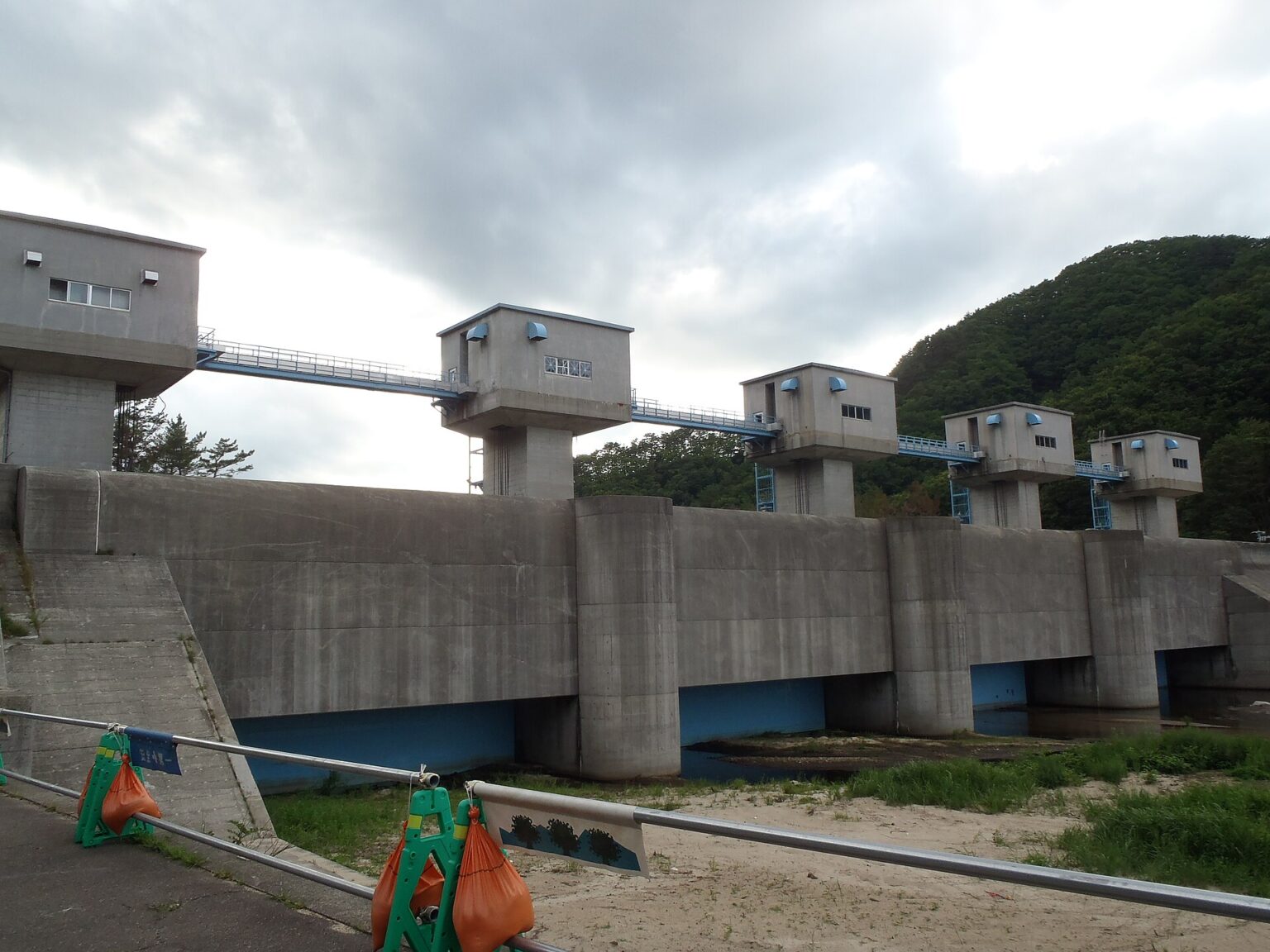
A Controversial Decision By A Japanese Mayor Resulted In The Construction Of A Gate That Nobody Wanted But Ended Up Saving His Town From A Great Tragedy
For decades, Kotoku Wamura was criticized for insisting on the construction of a large gate to protect Fudai, a small village in Japan with just over 3,000 residents. As mayor, he advocated for a project that cost ¥ 3.56 billion (approximately US$ 30 million in 2011) and took more than a decade to complete.
Many considered the work a waste. But in 2011, when a magnitude 9.1 earthquake triggered a devastating tsunami, the village was spared. The wave destroyed several cities along the Japanese coast. But Fudai remained intact.
“No matter how you look at it, the effectiveness of the gate and the seawall was truly impressive,” stated the then-mayor of Fudai, Hiroshi Fukawatari, in 2011.
-
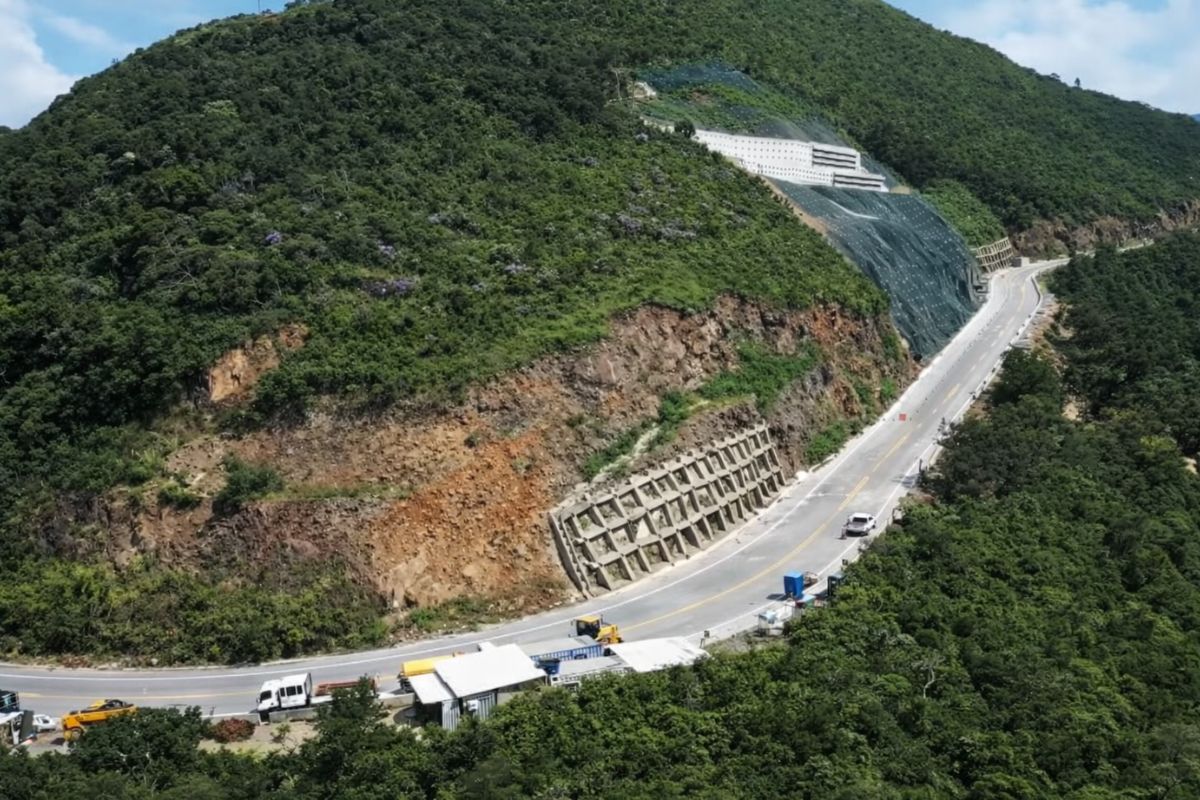
The section of Serra da Rocinha on BR-285 is now open in Timbé do Sul: 50 m tensioned curtains and top-down technique stabilize the slope, with a stairway duct controlling the water.
-
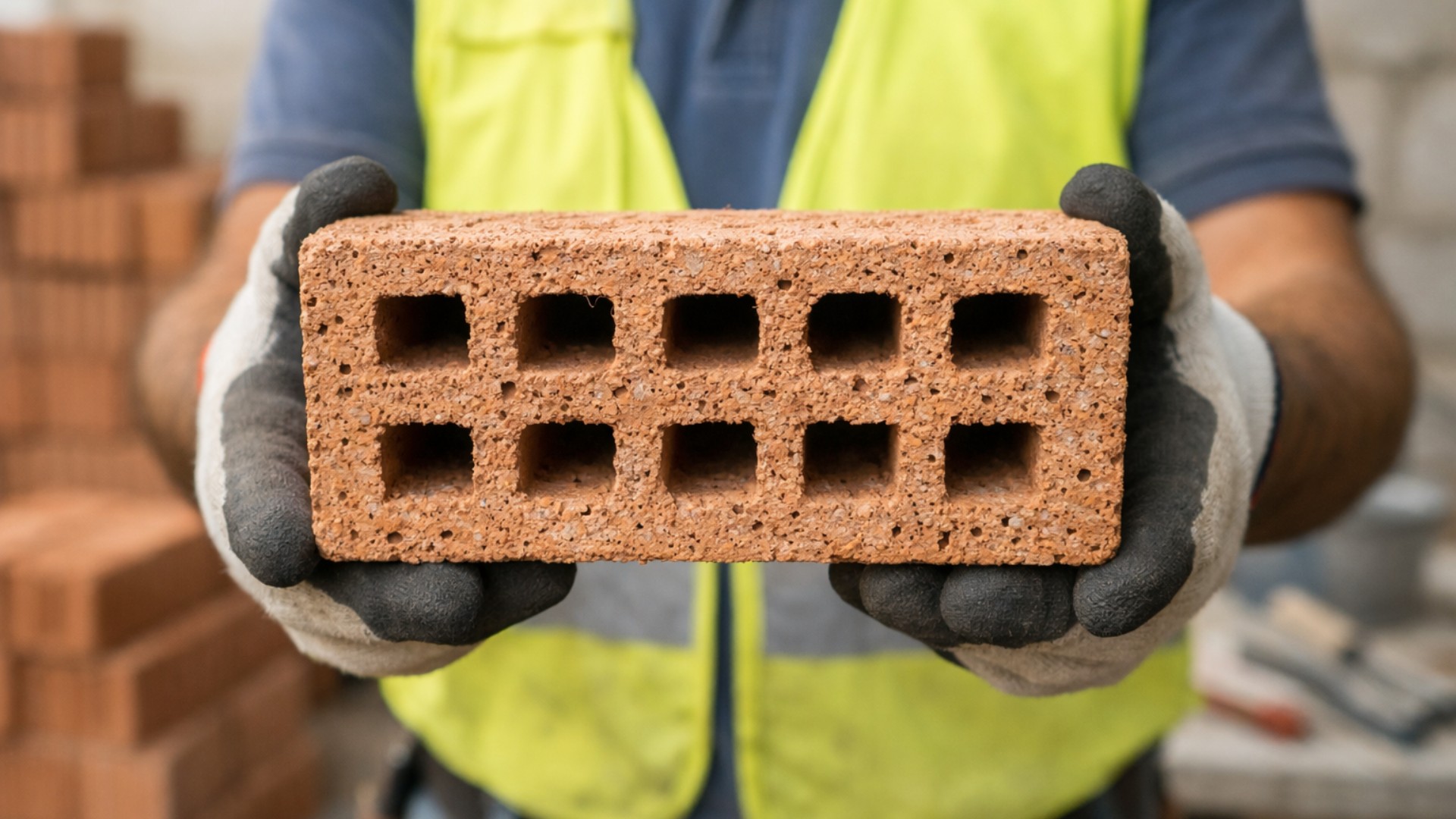
Scientists use sawdust mixed with clay to create a lighter brick, promising efficient thermal insulation and impressing by transforming waste into a solution for construction.
-
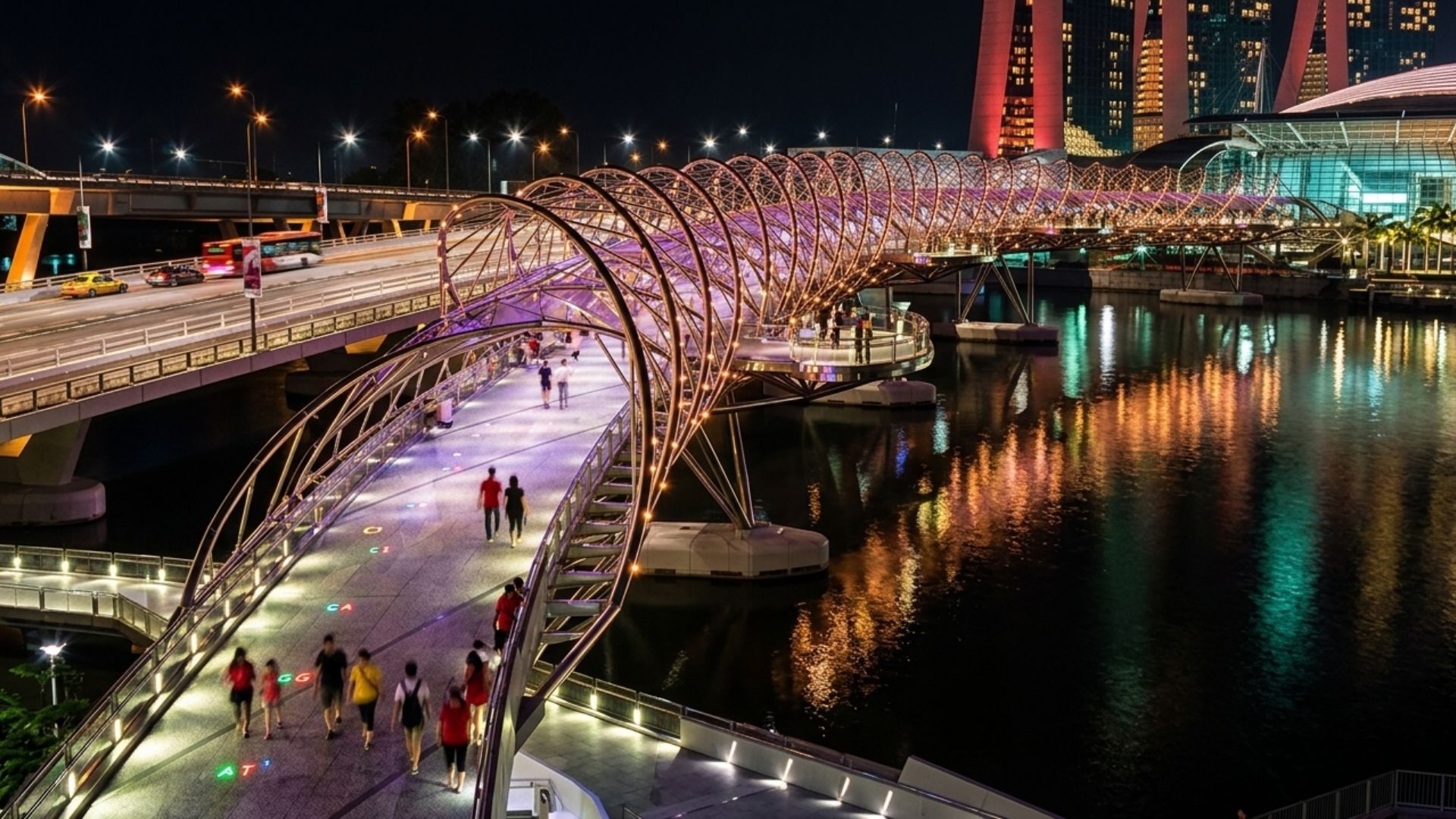
With a DNA shape, this bridge in Singapore draws attention in modern architecture and surprises tourists by transforming a simple crossing into an unforgettable visual experience in the urban heart.
-
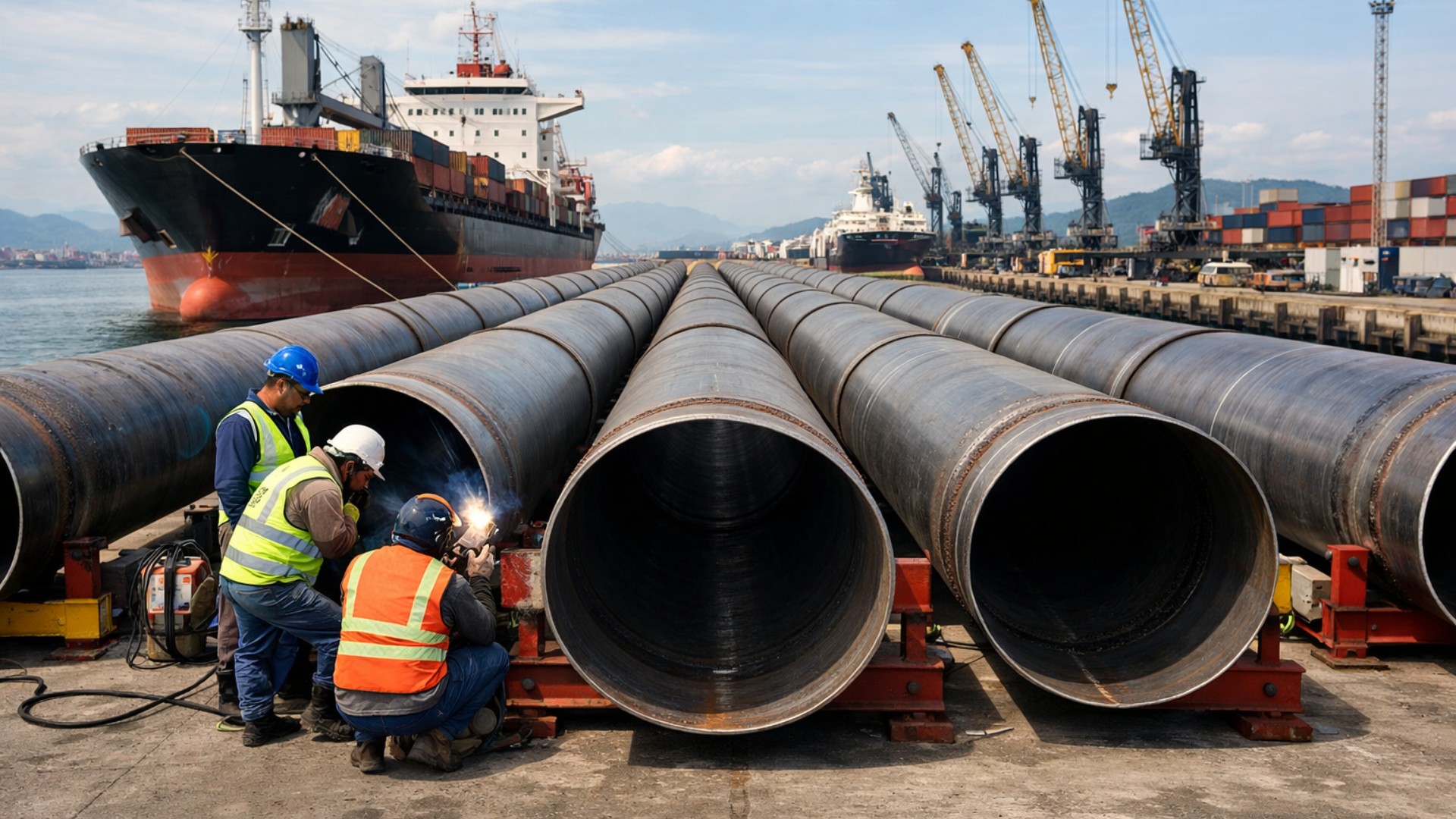
Giant underwater pipeline begins to take shape with a R$ 134.7 million project at the Port of Santos: the 1.7 km structure uses 12-meter and 700 mm pipes to supply water to 450,000 people in Guarujá.
A Life Of Determination From The Mayor Of Fudai
Kotoku Wamura had a political career spanning over 40 years, being elected mayor ten consecutive times. He led Fudai through a period of growth, but he was always mindful of the dangers of the sea.
Born in 1909, Wamura witnessed the 1933 tsunami, which reached 28.7 meters in height and devastated his village. He was also familiar with accounts of the even worse tsunami of 1896. In both cases, hundreds of Fudai residents perished.
“When I saw bodies being unearthed from the piles of earth, I didn’t know what to say. I had no words,” Wamura wrote in his book “A 40-Year Fight Against Poverty.”
From childhood, he heard stories from elders about past tsunamis. Some told of a stone on top of a hill that marked the water level during a previous disaster.
To him, this was a clear warning that a great tsunami would strike the village again. His goal was to ensure that, when it happened, Fudai would be protected.
The Gate Project
In 1967, Wamura secured support to build a seawall 51 feet (15.5 meters) at the village’s fishing port. The height seemed excessive to some, but it was ultimately accepted.
However, the most ambitious project was a gate of the same height in the cove where most residents lived. Constructing such a large structure was a significant challenge, both financially and logistically.
For a small community, investing such a large sum in a project whose effectiveness might never be tested seemed unnecessary. But Wamura was convinced. He understood the destructive power of the sea.
Local authorities suggested a smaller gate, first of 20 feet (6 meters), then 30 feet (9 meters), and finally 35 feet (10.5 meters). Wamura rejected all these proposals. For him, only a 51-foot structure could ensure safety.
In 1972, construction began, but resistance to the project remained. During the 12 years of work, the gate was ridiculed. Many considered the project an overreaction and a waste. Wamura, however, did not back down. In 1984, the work was completed, and three years later, he retired from politics.
Upon leaving office, Wamura gave a simple speech: “Even if you encounter opposition, have conviction and finish what you started. In the end, people will understand.”
He passed away in 1998 without seeing his work put to the test. Many still criticized him. But in 2011, everything changed.
The Natural Disaster Of 2011
Japan is one of the most earthquake-prepared countries. The nation is located in an area of intense seismic activity, and large earthquakes are common.
However, the 2011 quake exceeded all expectations. It was a triple disaster: first the earthquake, then the tsunami, and finally, the nuclear crisis at the Fukushima plant.
Fudai was in the path of the waves. The force of the tsunami downed trees, destroyed homes near the coastline, and swept away boats. However, when the alarm was raised, workers activated the gate’s remote system.
The massive steel panels closed, isolating the village from the destruction. A firefighter even had to manually close a jammed panel.
The tsunami hit the village but stopped at the gate. Behind it, Fudai was safe. No homes suffered significant damage. Only one life was lost: a person who went out to check their boat at the port, outside the protection of the wall.
The Legacy Of Wamura
After the disaster, residents began visiting Wamura’s grave to pay their respects. Once ridiculed, he was now recognized as the man who saved the village.
Years after his death, his conviction proved correct. He insisted on a protection that many considered excessive. But when the worst happened, his decision saved hundreds of lives.
The legacy of Kotoku Wamura is an example of how vision and determination can overcome skepticism. His gate stands as a symbol of careful planning and the importance of learning from history to avoid future tragedies.
With information from ZME Science.








-

-

-

7 pessoas reagiram a isso.