





 Portuguese
  English
  Spanish
  6 min of reading
  2 comments


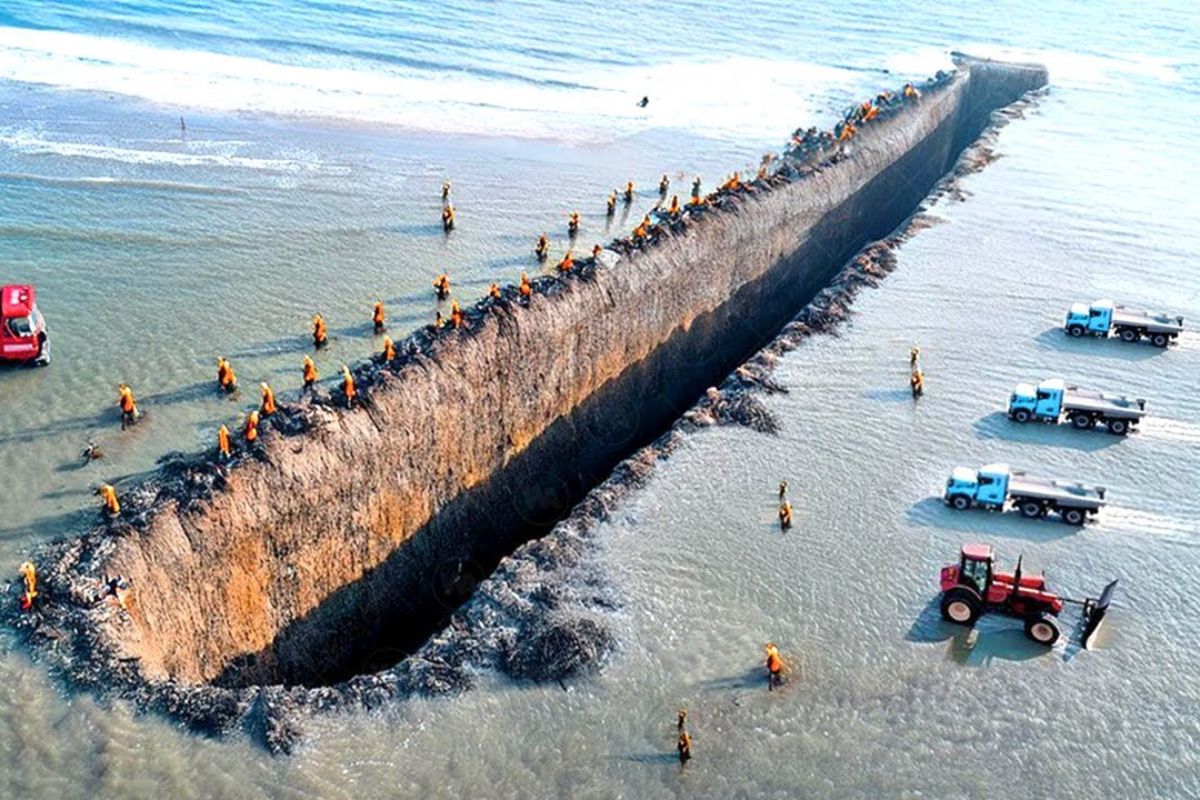


In Areas Previously Taken Over By Dust, Craters, And Emissions, Old Lignite Coal Mines Were Decommissioned And, In A Process That Took Decades, Received Water From Rivers, Aquifers, And Reuse, Gained Stabilized Banks, Channels, Trails, And Acid Control, Changing The Landscape Without Anyone Seeing The Past.
The Old Coal Mines That Dominated Parts Of The Former East Germany Left Open Pits, Heavy Infrastructure, And Exposed Soil For Decades. The Turnaround Came When Flooding Began To Be Treated As An Engineering And Environmental Management Project, Not As Abandonment.
According To The Report, Lignite Extraction In Central Germany Has Been Around For About 150 Years And Has Transformed Approximately 683 Square Kilometers Of Rural Area, Displacing People And Putting Pressure On Water, Land, And Emissions. Since The 1990s, With Political Changes, New Energy Sources, And Closure Of Depleted Areas, The Country Accelerated The Conversion Of Old Coal Mines Into Lakes, On A Scale Of At Least 140 Flooded Pits.
From Brown Coal To The “Lunar” Landscape Of Surface Mining

In The 1980s, A Satellite Over Central Germany Would See A Mosaic Of Open-Pit Mines Extracting Lignite, A Brown Coal Used To Generate Electricity.
-
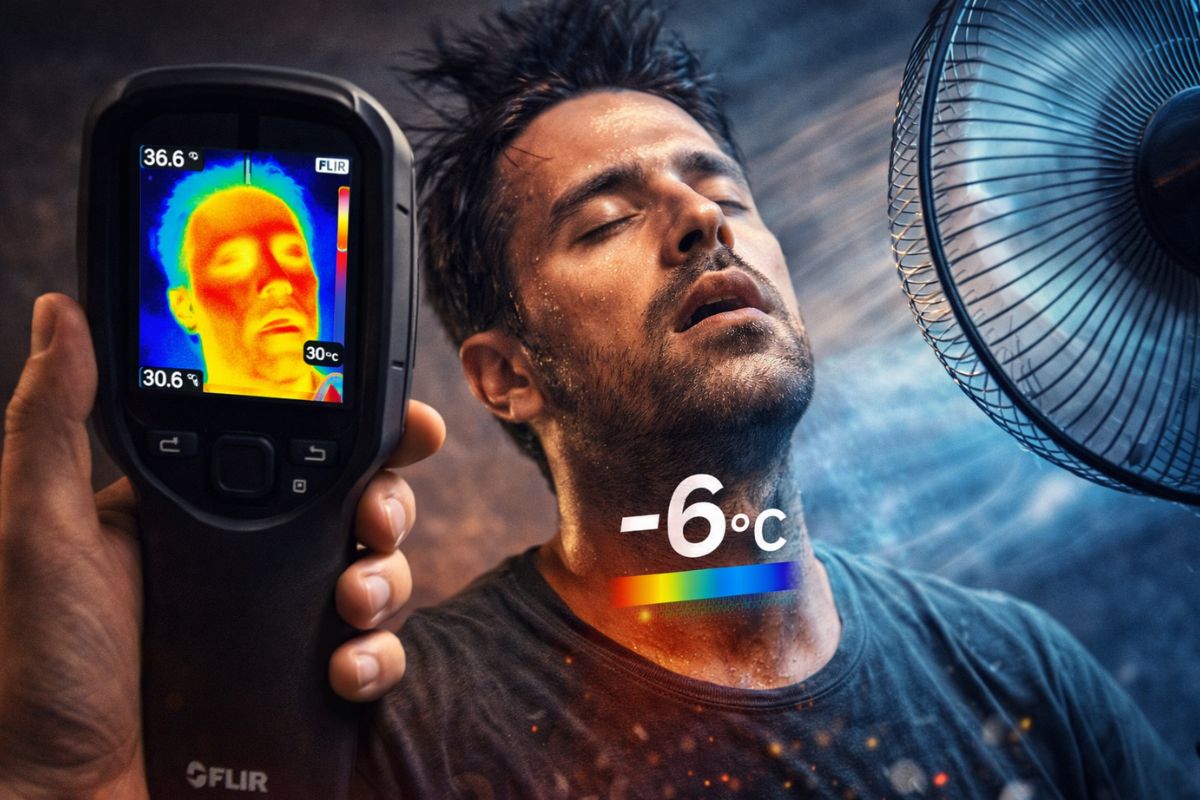
A scientist proved with a thermal camera that the fan does not cool the environment but reduces the temperature of your skin by up to 6 degrees thanks to a natural mechanism of the human body that almost no one understands how it really works.
-
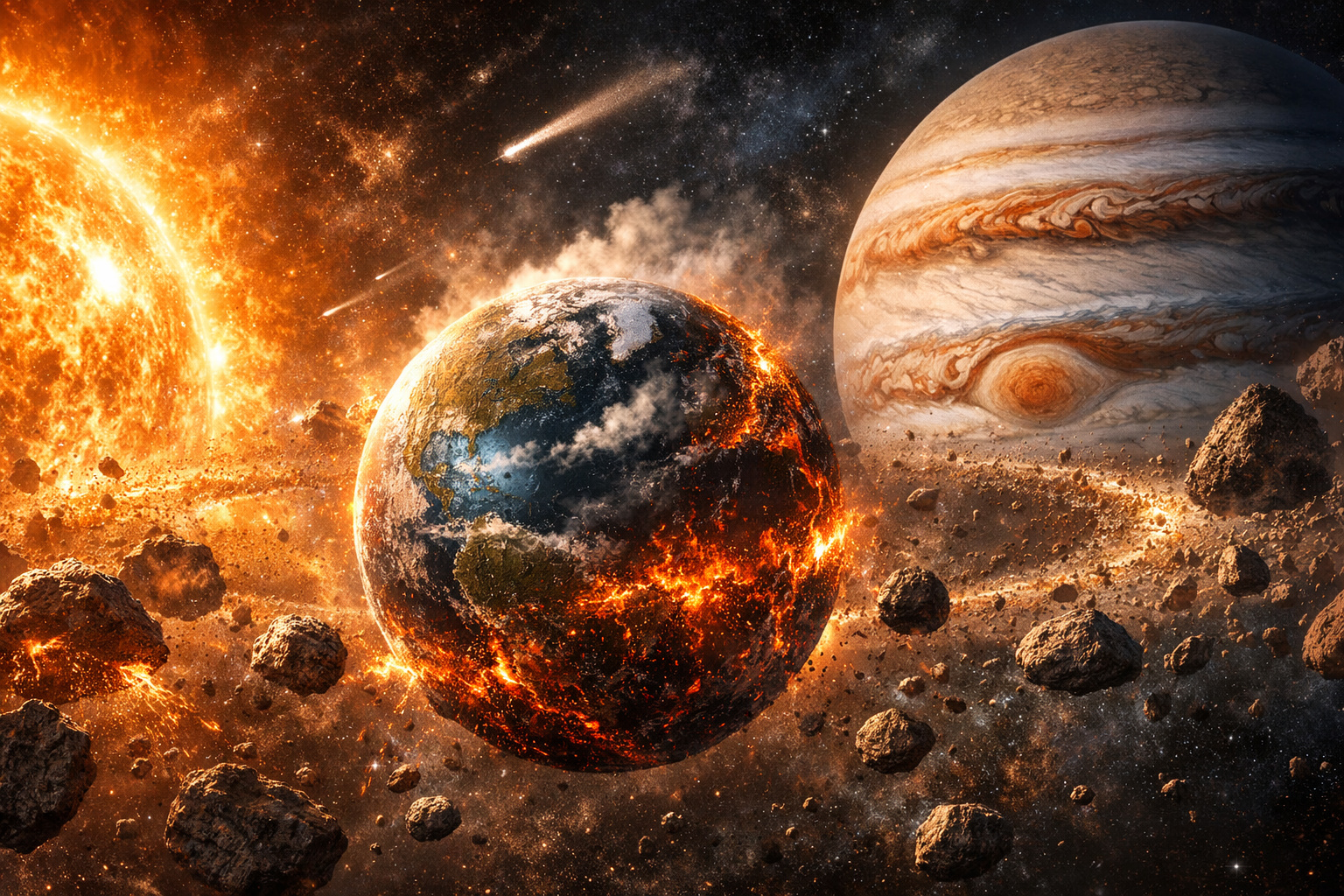
Scientists find a new explanation for the origin of Earth, which may have formed solely from material close to the Sun, changing an old theory and indicating that Jupiter may have been the cause of it all.
-
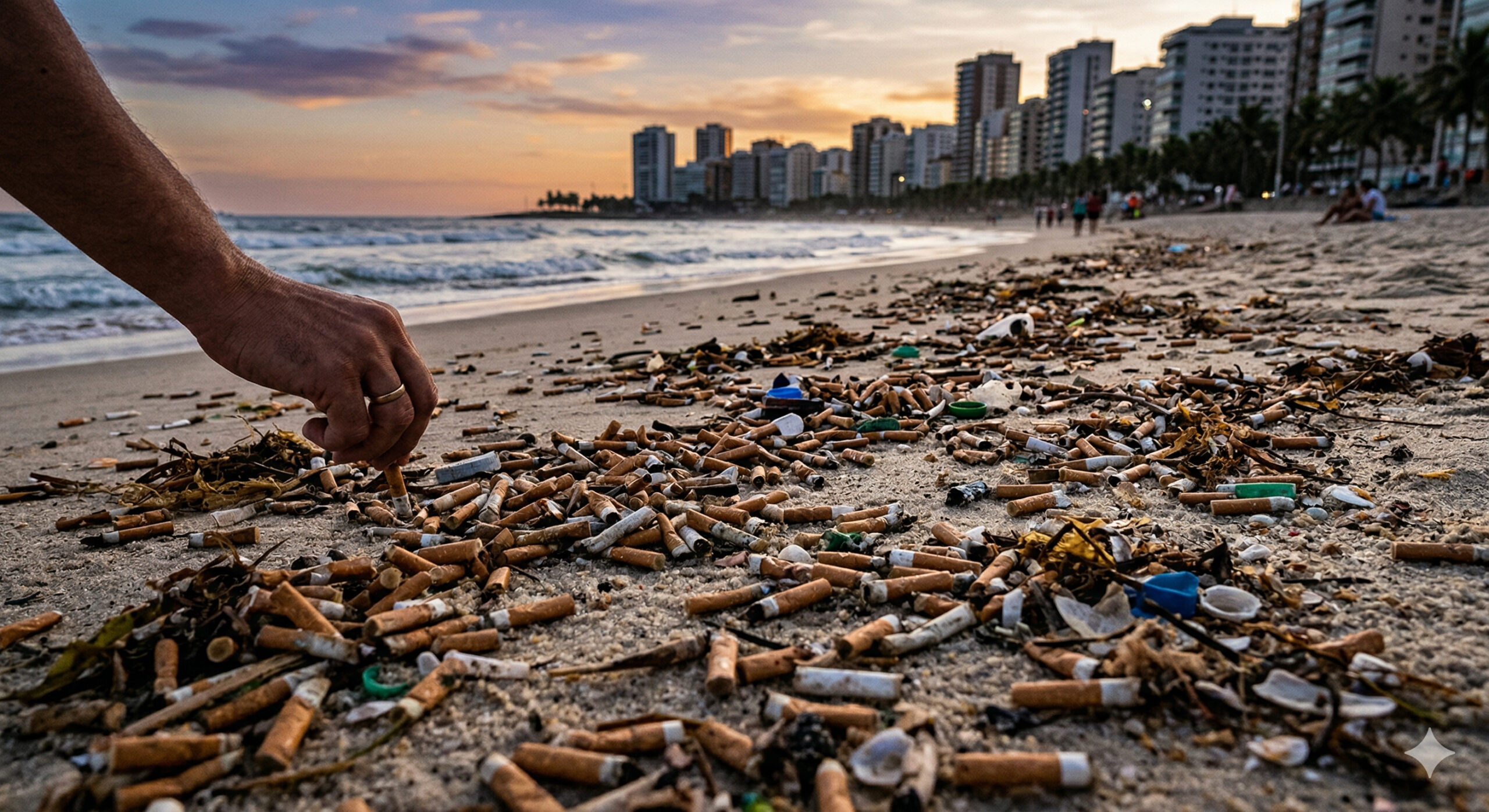
Brazilian beaches are among the most contaminated in the world by cigarette butts, with levels up to 40 times above the global average and areas where this waste already represents the majority of all the trash found.
-
2,000-Year-Old Machine Gun: Roman weapon found in Pompeii fires arrows at 109 m/s with an automatic gear mechanism, leaving perfect geometric patterns on the walls and proving its real use in the siege of 89 B.C.
Since The Deposits Are Close To The Surface, The Operational Logic Was To Remove Upper Layers Instead Of Opening Tunnels.
Over Time, The Mining Fronts Grew, And The Impact Accumulated: Removed Soil, Affected Water, And A Landscape Described As So Degraded That It Inspired The Idea Of “Mars Trip” Tours.
This Is The Starting Point Of The Conversion Project For The Old Coal Mines.
The Turn Of The 1990s And The Decision To Flood Craters

The Report Places The Change In The 1990s When Part Of The Mines Began To Close And Public Concern Increased.
The Old Coal Mines Did Not Disappear From The Map; Some Remain Active, But The Areas Where “The Coal Was Gone” Needed A Destination.
The Idea Of Turning Pits Into Recreational Lakes Emerged Back In The Former GDR In 1973, When A Mine Near Stenberg Was Flooded And Became A Lake That Later Served As A Model After Reunification.
In The Subsequent Management, Remaining Mines Were Controlled By Vattenfall Or Transferred To The Federal Company LMBV, Associated With Rehabilitation And Recreational Use.
Engineering Before The Water: Dismantling, Earthworks, And Stabilization
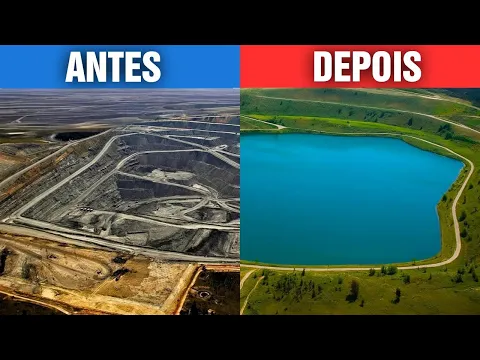

The Conversion Of Old Coal Mines Into Lakes Does Not Begin With Water.
The Report Describes A Sequence Of Pre-Works: Dismantling Quarry Infrastructure, Removing Heavy Equipment, And Reshaping The Terrain To Reduce Risks.
An Example Cited Is The Lake Formed At The Site Of The Catbus Nord Mine, Associated With Lakes Cottbuser Ostsee.
Before Filling, About 706 Million Cubic Feet Of Soil Were Redistributed, Including To Create Islands And Bays And To Fill An Old Coal Rail Ramp.
The Site Operated With About 140 Excavators Per Day, In Addition To Reinforcement And Shaping Of Banks, With Additional Stabilization Steps Until The Site Was Considered Ready To Receive Water.
Where Does The Water That Fills The Lakes Come From And Why Does It Take Decades
The Water Used To Fill These Pits Is Described As Coming From Large Rivers, Like The Spree And The Black Ster, As Well As Groundwater, Rain, And Treated Wastewater Associated With Active Areas.
In Some Cases, Craters Could Fill “On Their Own” Over Time, But The Project Accelerates And Controls A Natural Process.
The Report Also Emphasizes That The Transformation Of Old Coal Mines Into Lakes Is Slow: From The End Of Mining To The Desired Final Level, It Can Take Decades, Because It Is Not Just Filling.
The Stability Of The Terrain And The Behavior Of The Banks Define The Speed And Safety Of The Filling.
When The Lake Becomes A Destination: Trails, Channels, And Increased Visitors
After Being Stabilized, Several Lakes Start Functioning As Recreation Hubs, With Fishing, Swimming, Water Sports, And Bike Paths.
The Area Cited As An Example Of A Network Is “Leipziger Neuseenland,” Where There Are At Least Four Active Mines And Where Managers Plan To Flood About 20 Mines In The Coming Decades, Connecting Lakes And Rivers In A Network Of Navigable Routes That Could Exceed 125 Miles.
There Is Also A Network Of Trails Around Each Lake, Forming Intersections That Reach Close To 310 Miles.
Two Lakes Mentioned As Developed, Senftenberger See And Geierswalder See, Are Linked By A Canal That Is Said To Have Cost More Than 50 Million, Focusing On Family Recreation, Beaches, Cafés, Restaurants, And Activities Ranging From Tours And Diving To Land-Based Activities.
In This Context, The Report Points Out A 10% Annual Increase In The Number Of Visitors.
Safe Water Or Acidic Water: The pH Problem And Corrections
Transforming Old Coal Mines Into Lakes Opens An Inevitable Technical Debate: Water Quality.
The Report States That If The Pit Is Just Filled, The Acidity May Be “Similar To Vinegar,” Associated With Exposed And Turned Minerals During Mining.
To Make The Lake Safe For People And Animals, Corrections Like Dilution With More Water And The Addition Of Lime To Raise The pH Come Into Play.
If This Fails, The Text Points Out Risks Such As Excess Phosphorus, Pollution From Industrial Nitrogen, And High Salinity.
A Cited Visual Example Is The Light Turquoise Color Of Some Lakes, Attributed To The Addition Of Quicklime To Neutralize The Acidity Of A Closed Mine.
Biodiversity And Environmental Services In Previously Degraded Areas
One Of The Central Arguments Of The Report Is That By Replacing Craters With Bodies Of Water And Transition Zones, The Old Coal Mines Have Become Ecological Corridors And Attractors Of Life.
The Number Presented Is About 30,000 Species Of Animals And Plants Attracted To The Region.
The List Includes Wolves, Birds, And A Plant Referred To As “Great Horsetail,” As Well As Species That Would Have Been Pressured By Intensive Agriculture In Other Areas Of Europe.
The Lakes Also Appear As Flood Mitigation Systems, With The Savings Described As Amounting To Tens Of Millions For The Government By Avoiding Recurring Damage.
Renewable Energy Where There Once Was Coal: Solar, Wind, And New Thermal Uses
In The Described Picture, The Horizon That Once Had Power Plants And Dust Now Has Wind Turbines And Fields Of Solar Panels.
At The Same Time, The Report Notes That About 22% Of Electricity In Germany Still Comes From Burning Lignite And 12% From Hard Coal, While About 33% Is Already Generated By Renewable Sources.
The Old Coal Mines Factor Into This As Ready Infrastructure For New Projects.
In Cottbus, An Artificial Lake Over An Abandoned Mine In Lusatia Is Cited As The Site For The Country’s Largest Floating Solar Farm, With A Planned Maximum Capacity Of 21 Megawatts, Expected To Start In 2023.
Heat, Batteries, And Storage: The Mine As Energy Infrastructure
In Addition To Generation, The Report Describes Thermal Use: The Installation Of A Powerful Heat Pump In An Artificial Lake Created In An Old Coal Mine In Cottbus, With The Potential To Provide Up To 40% Of The City’s Heating Needs.
The Technical Logic Presented Is Thermal Stability: As Depth Increases, The Water Tends To Heat Up, With Typical Temperatures Between 50 And 68°F, Reaching 104°F At About 3,300 Feet.
There Is Also Use As Energy Storage.
The Mine Prosper-Haniel, In Northwestern Germany, Would Have Extracted Coal For Over 50 Years And Was Closed In 2018.
The Report Describes Plans To Convert It Into A Large-Scale “Battery” Based On Pumped Hydropower Storage, With The Capacity To Provide Electricity For About 400,000 Families, Supported By A Nearby 200 Megawatts Station Powered By Wind, Solar, And Biomass On The Surface.
What This Experience Reveals About The Future Of Old Coal Mines
The Report Compares The German Case To Challenges And Choices Elsewhere: In Australia, Water Scarcity Makes Flooding Difficult, And In A Cited Example, Filling A Single Mine Would Consume More Water Than “All Of Sydney Harbor.”
In Contrast, Alternative Uses Emerge, Such As Solar Panels Over Mined Areas In Different Countries, Ecosystem Restoration In Former Mining Areas, And Agricultural Solutions In Degraded Soil.
The Final Reading Is That The Transformation Of Old Coal Mines Requires Three Layers At The Same Time: Land Engineering, Water Chemistry, And Usage Economy.
When One Fails, The Lake Becomes Passive.
When All Three Close, The Landscape Changes To The Point Of Hiding The Past From The Naked Eye.
Do You Think That Mined Areas In Brazil Should Follow A Similar Path, With Controlled Lakes And Energy Uses, Or Does Environmental Risk Still Speak Louder?




Hahahaha falar mal da IA e da queda de qualidade resulta em exclusão do comentário, site arbitrário.
Não teve nem o trabalho de trocar as medições, a IA deixou tudo mastigado do jeito dela.
Se é de opinião contrária, apenas apaga e bloqueia certo? Parecendo com a atitude de alguns no poder.
Subiu a notícia era quase meia noite de um pleno domingo, enquanto ajeitava já pensava na cama, só pode. Essa IA veio pra destroçar o mundo mesmo. Povo perdeu a coragem de trabalhar, paga 120 conto por mês pega uma versão pro e VOILÀ!! 👍🏼
O mesmo “redator” que usa a IA pra traduzir e nem faz o mínimo esforço de ao menos converter as medições, fora os erros estranho em concordâncias que a IA sempre comete.
Queria saber, quando ele fica com febre se ele usa um termômetro importado que faz medições em fahrenheit? Pelo jeito deve ser. Carro com velocímetro em milhas e trena em escala real.
A malandragem é demais, e a falta que faz um supervisor no trabalho pra revisar.
Já foi a época que tinha matéria com qualidade nesse site.
Já é a terceira vez que vejo esses erros.. na quarta eu simplesmente coloco pro Google bloquear as notícias desse site, simples.