





 Portuguese
  English
  Spanish
  4 min of reading
  0 comments


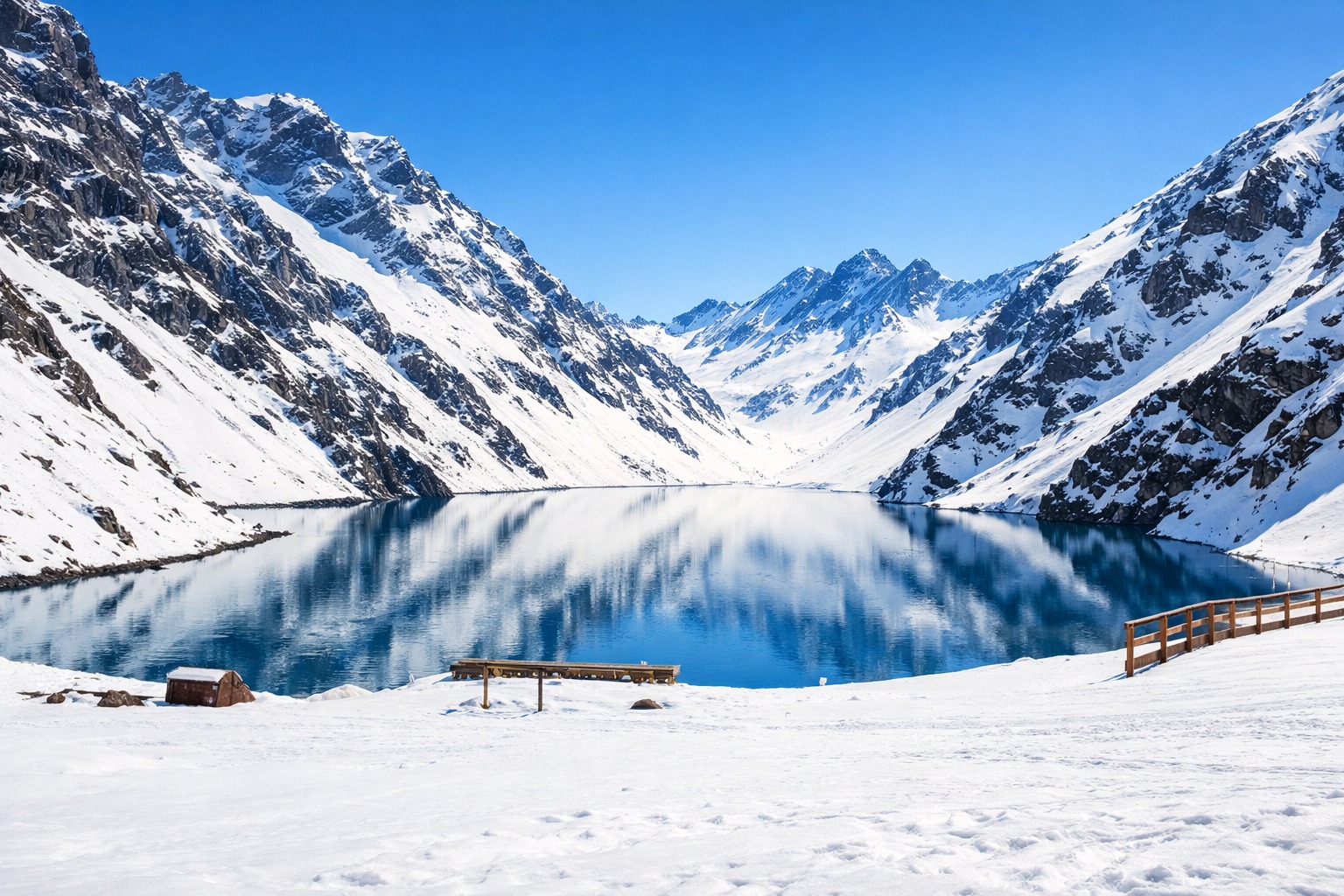
Chilean Capital Links 300-Meter Skyscraper, Famous Wineries, and Permanent Snow of the Andes Mountain Range Just 5 Hours by Plane from Belo Horizonte
The trip to Santiago connects Belo Horizonte to the Chilean capital in about 3,100 km and approximately five hours of flight. The destination combines a modern city, snowy mountains, and historical attractions, making Santiago an itinerary that brings together nature, gastronomy, and culture.
Skyline Dominated by the Gran Torre Santiago
The urban landscape of Santiago is marked by the Gran Torre Santiago, part of the Costanera Center complex.
The building reaches 300 meters in height and has redefined the city’s skyline, becoming one of the most recognizable architectural landmarks in South America.
-
Spain surprises the world by erecting 62 artificial dunes, mixing sand with natural remains of posidonia, and causing the structure to lose only 1.4% of its volume in 1 year.

-
With 16 Bulava missiles, improvements in acoustic stealth, and a design focused on silent patrols, Russia’s nuclear submarine was born to ensure Moscow’s invisible retaliation and has become one of the pillars of its maritime strength.

-
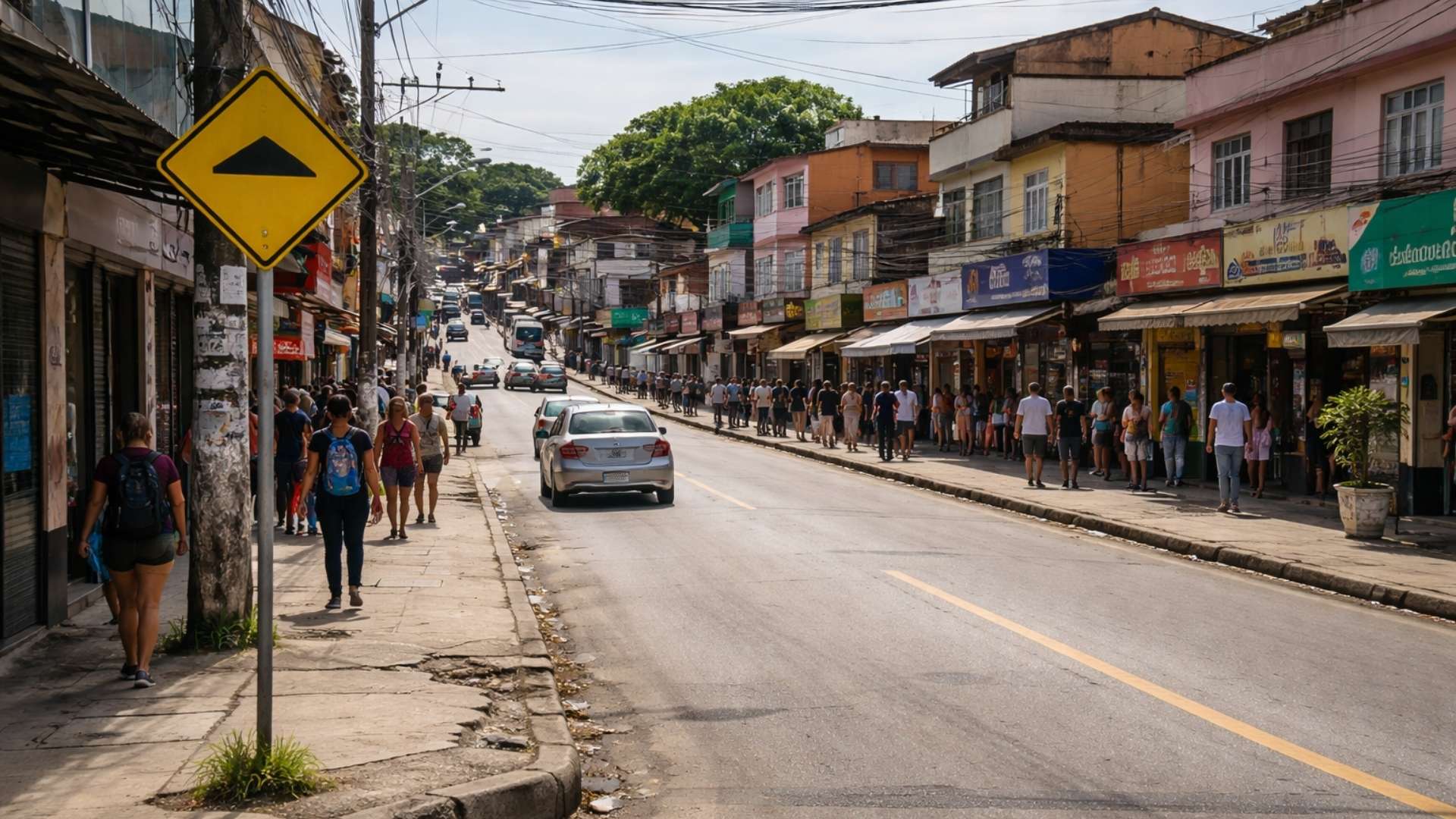
‘Populous’ city in Rio among the worst in Brazil in national ranking and exposes silent development crisis.
-
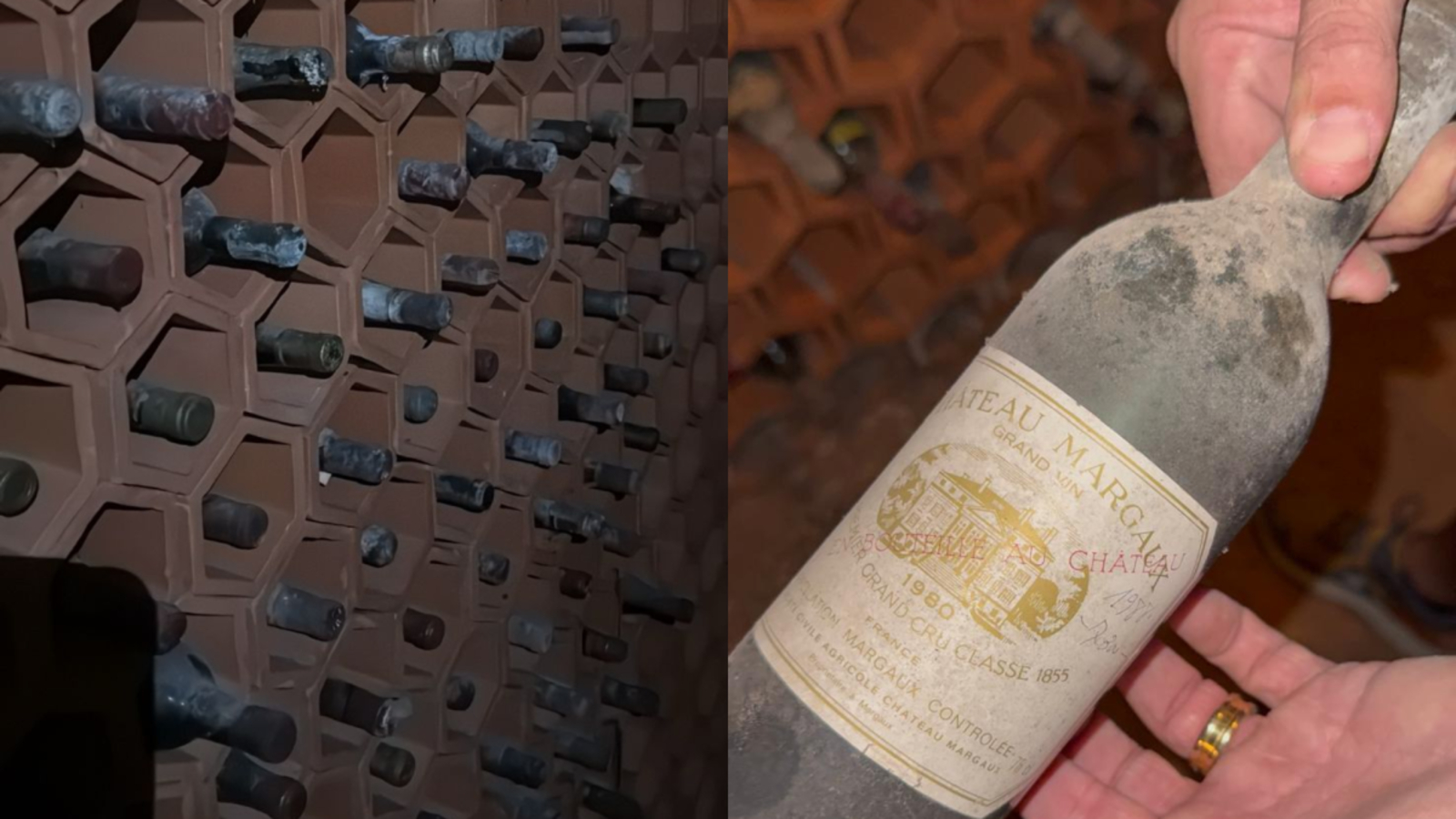
Couple buys house in the South Zone of São Paulo, opens a hidden door in the garage, and finds a secret wine cellar with dozens of old wines forgotten since the 1970s.

Designed to withstand the seismic activity of the region, the tower incorporates technology and engineering adapted to the Chilean geographic context.
The structure highlights the city in the South American urban landscape and reinforces the modern identity of the capital.
At the top of the building is the Sky Costanera observation deck, which offers a 360-degree panoramic view of the valley where Santiago is located.
From there, it is possible to observe the urban organization in contrast to the Andes Mountain Range.
During sunset, the landscape changes hue and the snow on the mountains takes on orange colors. This moment is considered one of the most photogenic for those visiting the city.


Historic Center and Modern Neighborhoods in Santiago
The itinerary through Santiago reveals contrasts between colonial architecture and contemporary neighborhoods. The central area preserves traces of the Spanish foundation, while modern regions showcase wide avenues, sophisticated buildings, and tree-lined streets.
Among the frequently visited sites is the Plaza de Armas, considered the zero mark of the city. The space is surrounded by the Metropolitan Cathedral of Santiago and historic government buildings.
Another important point is Cerro San Cristóbal, located in the Metropolitan Park of Santiago. Access can be made by funicular, and the site offers broad views of the city and the mountain range.
The Bellavista neighborhood is home to La Chascona, one of the three house-museums of poet Pablo Neruda. The location preserves objects and elements related to the life of the Chilean writer.
The Palacio de La Moneda is also part of the itinerary. In addition to being the seat of the Chilean presidency, the building houses a subterranean cultural center and is linked to significant moments in the country’s political history.
Gastronomy Defined by the Pacific
The cuisine of Santiago is strongly influenced by the Pacific Ocean. The cold Humboldt current favors a large supply of seafood, which arrives daily at the city’s Central Market.
Among the most well-known dishes are centolla, a giant crab, and congrio. Both reflect the historical relationship between Chile and the sea.
On land, the flavors focus on the agricultural products of the central valley. Traditional dishes include pastel de choclo, made with corn and meat, and empanadas de pino.
These preparations are often accompanied by wines produced in the Maipo Valley. The wine region is located around Santiago.
Wineries and Andean Landscapes
The Concha y Toro Winery is one of the classic tours for visitors to the Chilean capital. The site allows you to explore production areas and taste wines directly at the source.
The landscapes around Santiago reinforce the contrast between nature and urbanization. Mountains, vineyards, and parks coexist with modern avenues and shopping centers.
This balance makes the city a starting point for varied experiences. Among them are visits to wineries, urban walks, and mountain viewing.
Climate Defines Snow or Vineyards
The choice of travel time significantly alters the scenery found in Santiago. The region’s Mediterranean climate presents well-defined seasons.
In summer, from December to March, temperatures range from 12°C to 30°C. Days are long, dry, and with blue skies, favoring urban outings and vineyards laden with grapes.
In autumn, from April to June, the averages range between 8°C and 22°C. The landscape features golden leaves and milder temperatures.
During winter, from July to September, temperatures fluctuate between 3°C and 15°C. Rain is recorded in the city, while the nearby mountains receive snow and attract skiers.
Spring occurs between October and November, with temperatures between 9°C and 25°C. The city blooms, and the weather becomes pleasant.
Direct Flights Reduce Travel Time
The logistics for reaching Santiago have become faster with direct flights operated by LATAM Airlines from Confins International Airport in Belo Horizonte.
With this option, the journey takes about five hours to Arturo Merino Benítez International Airport, identified by the code SCL.
When there is no availability on the direct route, passengers use connections in Guarulhos or Galeão. In these situations, the total travel time can reach about eight hours.
Even with these variations, the trip remains relatively short for an international destination. The combination of nature, history, and gastronomy helps explain why Santiago continues to be one of the most sought-after destinations in the region.
With information from Estado de Minas.







Seja o primeiro a reagir!