





 Portuguese
  English
  Spanish
  4 min of reading
  0 comments


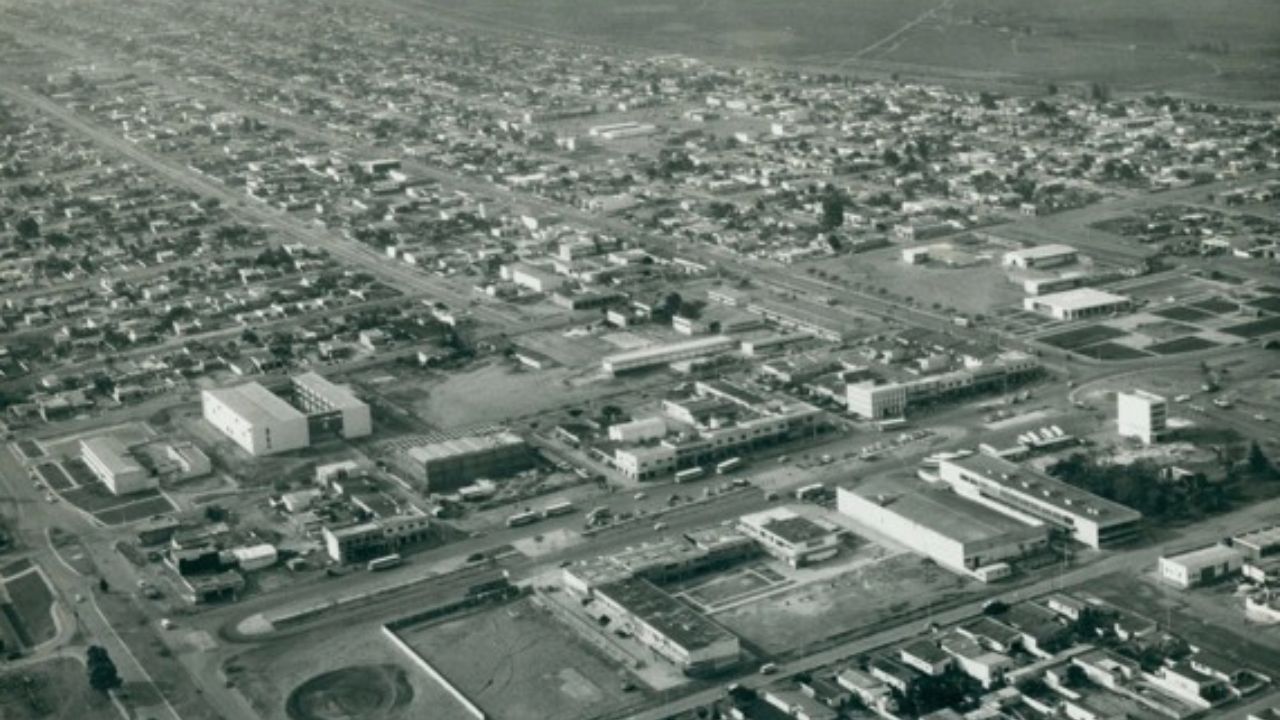
More Than 60 Thousand Workers, Known as Candangos, Transformed the Brazilian Cerrado into the Largest Modernist Project of the Twentieth Century.
In the heart of Brazil, a city was born from scratch. In just 1,000 days, the federal capital was built in the middle of the cerrado. The endeavor mobilized more than 60 thousand workers. They brought to life an urban plan in the shape of an airplane, creating the largest modernist project of the twentieth century. The construction of Brasília is a unique chapter in the country’s history, a symbol of ambition, art, and deep social contradictions.
Construction as Meta-Synthesis of Modern Brazil
The idea of moving the capital of Brazil inland was old, present since the first Republican Constitution of 1891. However, the project only came to fruition with the political will of President Juscelino Kubitschek (1956-1961).
During his campaign, JK promised to fulfill the constitutional provision and made the capital’s relocation the great symbol of his motto: “50 years in 5”. The construction of Brasília became the “Meta-Synthesis” of his Goals Plan, a program focused on strategic sectors such as energy and transportation. While the technical goals were complex, raising a capital was a heroic narrative.
-
Spain surprises the world by erecting 62 artificial dunes, mixing sand with natural remains of posidonia, and causing the structure to lose only 1.4% of its volume in 1 year.

-
With 16 Bulava missiles, improvements in acoustic stealth, and a design focused on silent patrols, Russia’s nuclear submarine was born to ensure Moscow’s invisible retaliation and has become one of the pillars of its maritime strength.

-
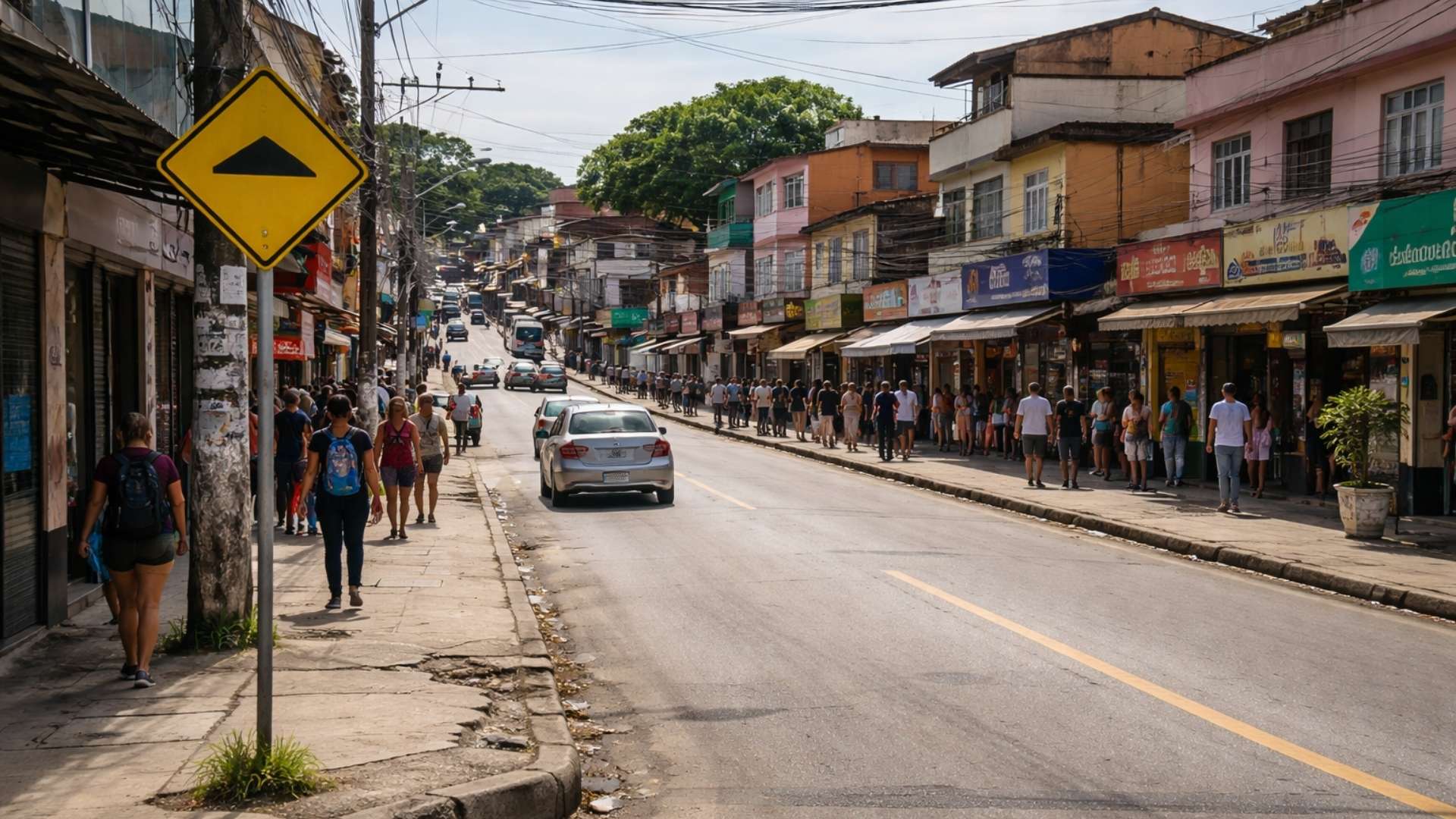
‘Populous’ city in Rio among the worst in Brazil in national ranking and exposes silent development crisis.
-
Couple buys house in the South Zone of São Paulo, opens a hidden door in the garage, and finds a secret wine cellar with dozens of old wines forgotten since the 1970s.

The project functioned as a growth pole to spread development throughout the Centre-West and integrate the country. The work mobilized resources equivalent to 2.3% of the Gross National Product (GNP) at the time.
A City Designed for the Future
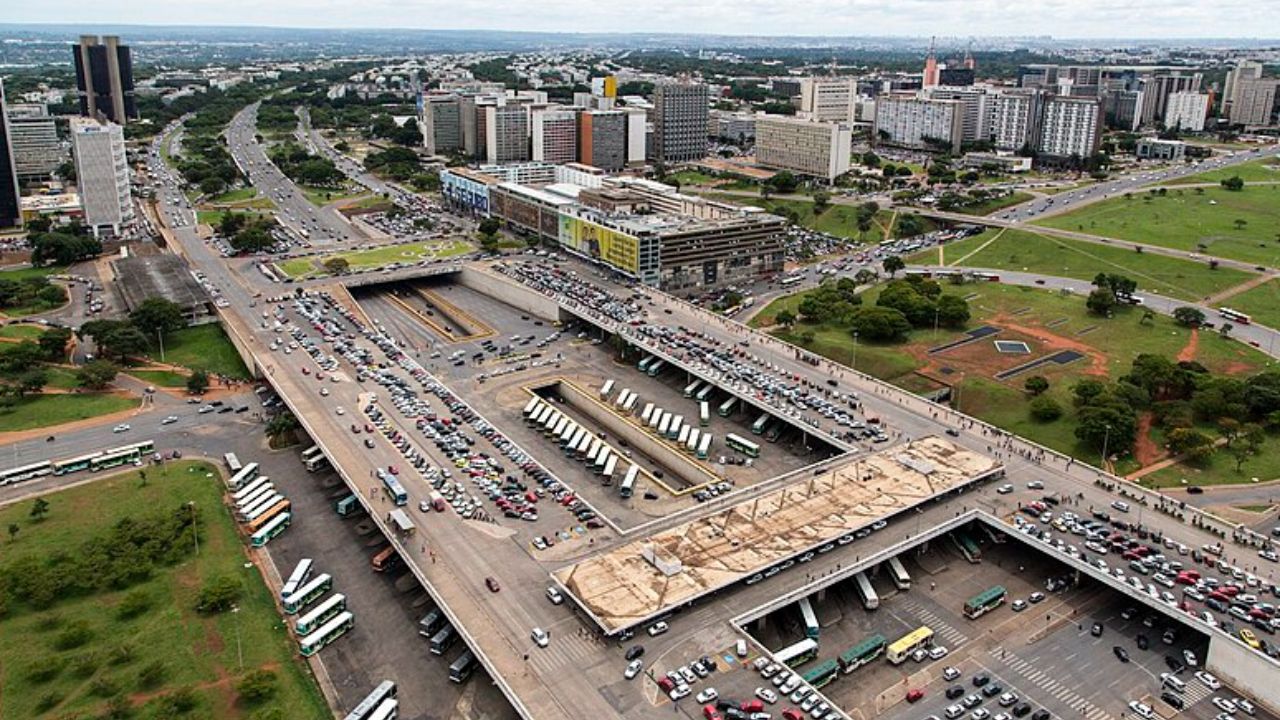
The shape of Brasília was born from a competition won by urban planner Lúcio Costa. His project stemmed from a simple gesture: two axes that intersect. One of them was curved to adapt to the terrain, creating the iconic airplane shape.
The plan organized the city into four scales: monumental (government buildings), residential (the famous superquadras), community (commerce and leisure), and bucolic (parks and green areas). It was up to architect Oscar Niemeyer to shape the public buildings.
With the innovative use of reinforced concrete, he created structures with light and fluid curves that define Brasília’s landscape, such as the National Congress, with its concave and convex domes. Landscape architect Roberto Burle Marx completed the trio, humanizing the concrete with gardens that used native Brazilian flora, a revolutionary approach for the time.
The Human Force Behind the Construction
The modernist utopia was built by the sweat of more than 60 thousand workers. They came from all over Brazil, especially from the impoverished Northeast region, in search of jobs. These pioneers became known as “candangos”.
The pace of construction was frantic, with construction sites operating 24 hours a day, under conditions marked by dust and relentless sun. Since the official accommodations were insufficient and intended only for single men, informal settlements sprang up around the site.
The most famous was Cidade Livre, now Núcleo Bandeirante. With dirt streets and wooden shacks, it was the opposite of the Pilot Plan, but essential to house families and the workforce. These camps were the embryo of future satellite cities.
The Concrete Legacy: Between Utopia and Reality
The construction of Brasília fulfilled its goal of developing the interior of Brazil, creating a new economic axis in the Centre-West. However, the city was born with a strong mark of inequality. The division between the Pilot Plan and the workers’ camps became a permanent socio-spatial segregation.
2010 Census data clearly show this disparity: while the population of the Pilot Plan was 65% white, in Ceilândia, one of the largest administrative regions, 65% of the residents were black (both black and brown).
Moreover, Brasília’s urban planning is criticized for its rigid division of sectors and the extreme dependence on automobiles, which makes life difficult for pedestrians and creates mobility challenges. This structure, protected as a World Heritage Site by UNESCO, creates a paradox: the elements that ensure the title are the root of many of its current urban problems.






-

-

-

-

-

27 pessoas reagiram a isso.