





 Portuguese
  English
  Spanish
  3 min of reading
  0 comments



After a Cost Crisis That Almost Canceled the Project, Shell Bet on Innovation and Reengineering to Enable the Development of This Strategic Oil and Gas Project in the Santos Basin.
In the pre-salt of the Santos Basin, one of the most resilient projects in the energy industry is taking shape. The story of Gato do Mato is one of a remarkable turnaround in the oil and gas sector, where Shell, after facing a cost crisis that nearly made the project unviable, relied on innovation to save a billion-dollar investment.
Led by the Anglo-Dutch giant in partnership with the Colombian Ecopetrol, the project was entirely redesigned to become more efficient and finally received the final investment decision in March 2025. It is an exemplary case of how engineering and strategic patience can unlock the value of a complex deepwater asset.
The Discovery in the Pre-Salt and the Initial Challenge
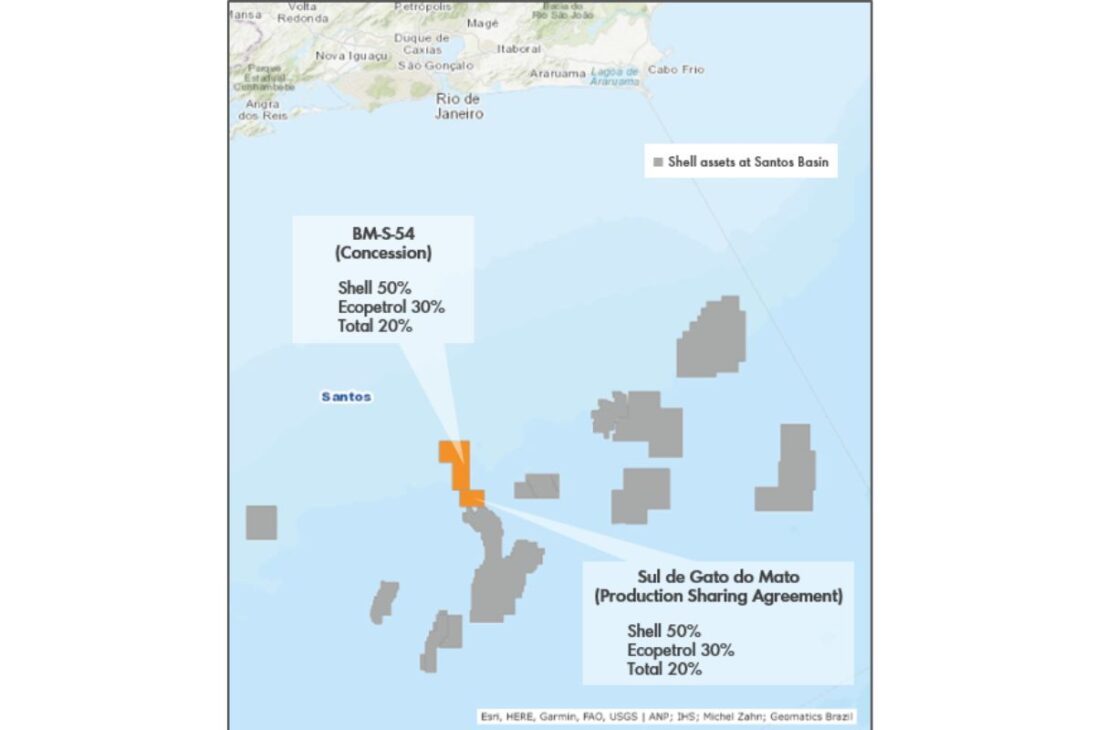
The journey of the oil and gas project began in 2005 when Shell acquired the concession for block BM-S-54. In 2010, the company announced the discovery of oil. However, development faced its first major obstacle: the reservoir extended into a neighboring area that belonged to the Union and was governed by different rules.
-
Spain surprises the world by erecting 62 artificial dunes, mixing sand with natural remains of posidonia, and causing the structure to lose only 1.4% of its volume in 1 year.

-
With 16 Bulava missiles, improvements in acoustic stealth, and a design focused on silent patrols, Russia’s nuclear submarine was born to ensure Moscow’s invisible retaliation and has become one of the pillars of its maritime strength.

-
‘Populous’ city in Rio among the worst in Brazil in national ranking and exposes silent development crisis.
-
Couple buys house in the South Zone of São Paulo, opens a hidden door in the garage, and finds a secret wine cellar with dozens of old wines forgotten since the 1970s.

The impasse was only resolved in 2017, when Shell, in partnership with the French company TotalEnergies, won the adjacent block, called Sul de Gato do Mato. With the area finally unified, the project could move forward to the evaluation phase.
The Cost Crisis of 2022: The Search for Oil and Gas Was Almost Abandoned
With the evaluation data in hand, the consortium, which now included the Colombian Ecopetrol, advanced with a development concept. In 2022, everything seemed right, with contracts already being signed for the construction of the FPSO (the floating platform).
However, a “perfect storm” in the global market, with skyrocketing material and logistics costs after the pandemic, rendered the original project economically unviable. In November 2022, Shell made the drastic decision to cancel the FPSO contract and postpone the final investment decision for the oil and gas field.
The Innovation That Saved the Project: The Engineering of “Gato do Mato 3.0”
In the face of the crisis, Shell’s engineering team did not give up. They initiated a complete reengineering process for the project, dubbed “Gato do Mato 3.0.” The focus shifted from maximizing capacity to optimizing efficiency and value.
The result was a remarkable achievement: the new project achieved a 30% reduction in platform weight, which drastically lowered construction costs. Additionally, the energy system was redesigned to be more efficient and with lower carbon emissions. It was this innovation that saved the project and made it viable again.
The Formation of the Consortium: Shell, Ecopetrol, and the Partnership Strategy
The story of the Gato do Mato oil and gas project was built through strategic partnerships. After unifying the area with TotalEnergies, the entry of the Colombian Ecopetrol in 2019 was crucial for the project’s progress.
In June 2025, shortly after the final investment decision, TotalEnergies decided to swap its 20% stake in the project for a larger share in another field. Thus, the final structure of the consortium developing Gato do Mato is: Shell as the operator, with 70%, and Ecopetrol with the remaining 30%.
The Final Decision of 2025 and the Future of the Project
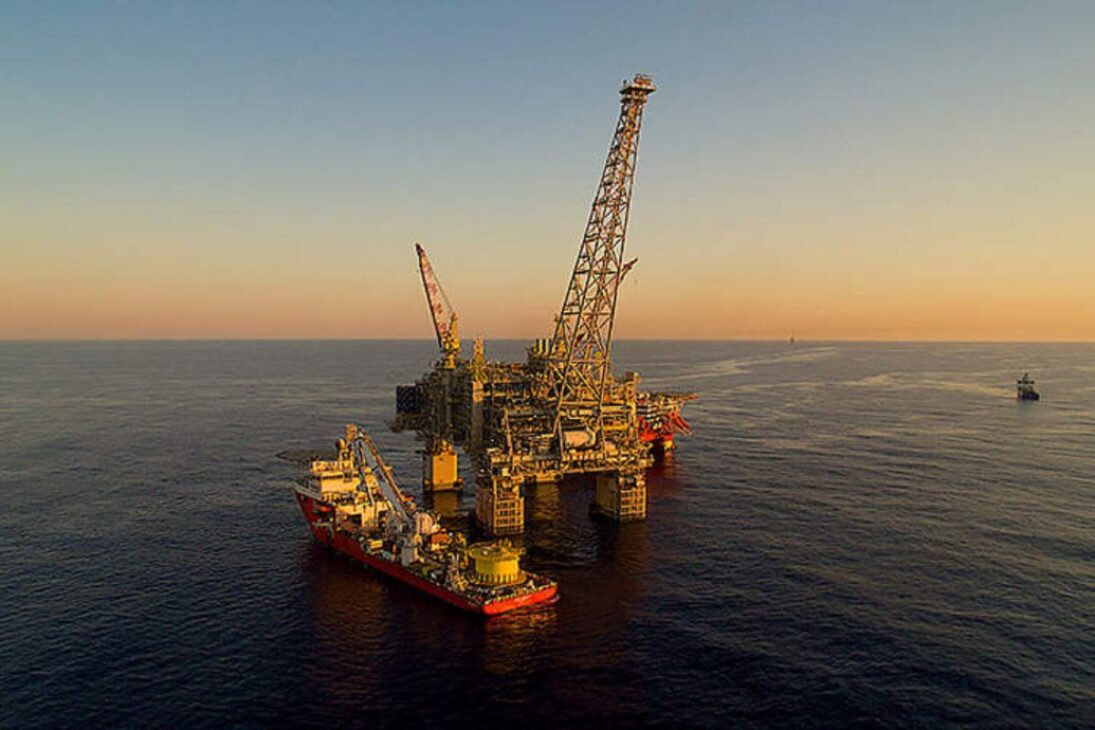
With the new project in hand, the final investment decision was made in March 2025. Immediately, billion-dollar contracts for construction were signed. The Japanese company MODEC will be responsible for the FPSO, and TechnipFMC will take care of the subsea systems, under a contract worth over US$ 1 billion.
The development plan provides for drilling 10 wells to achieve a production capacity of 120,000 barrels of oil per day. The expectation is that the Gato do Mato oil and gas project will begin production in 2029, reinforcing Shell’s position as the largest foreign producer in Brazil.







-

-

-

-

-

17 pessoas reagiram a isso.