





 Portuguese
  English
  Spanish
  4 min of reading
  6 comments


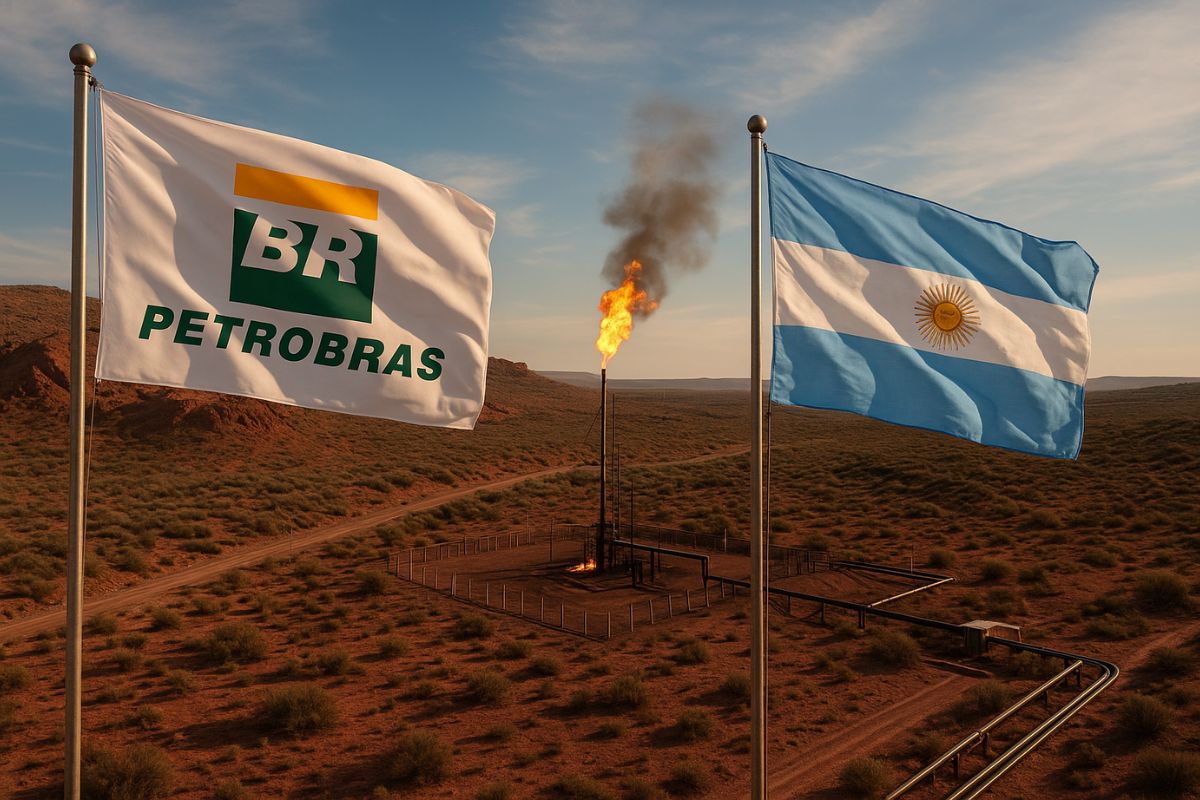


In 2016, Amid Its Biggest Crisis, Petrobras Sold Its Operation in Argentina, but Made a Strategic Bet: to Keep a Stake in the Río Neuquén Gas Field, Today the Key to Its Return to the Country.
In 2016, amid the biggest crisis in its history, Petrobras made a drastic decision that would change the energy map of South America: selling its operation in Argentina. The sale of its assets to local company Pampa Energía was a survival move, but one that concealed a masterstroke. While divesting from a vast portfolio, the Brazilian state-owned company made sure to retain a minority stake in the promising Río Neuquén gas field, a strategic bet that today proves to be visionary.
Almost a decade later, the resounding success of the exploration of Vaca Muerta has transformed the region into the new energy frontier of the continent. And the asset that Petrobras saved is now the gateway for its strategic return to the country, validating a decision that went almost unnoticed at the time.
Why Did Petrobras Need to Sell Its Assets in Argentina in 2016?
In the mid-2010s, Petrobras faced an existential crisis. The corruption scandal from Operation Lava Jato shook the company while its debt reached a staggering US$ 130 billion, one of the largest in the sector worldwide. To survive, the state-owned company launched a major divestment program.
-
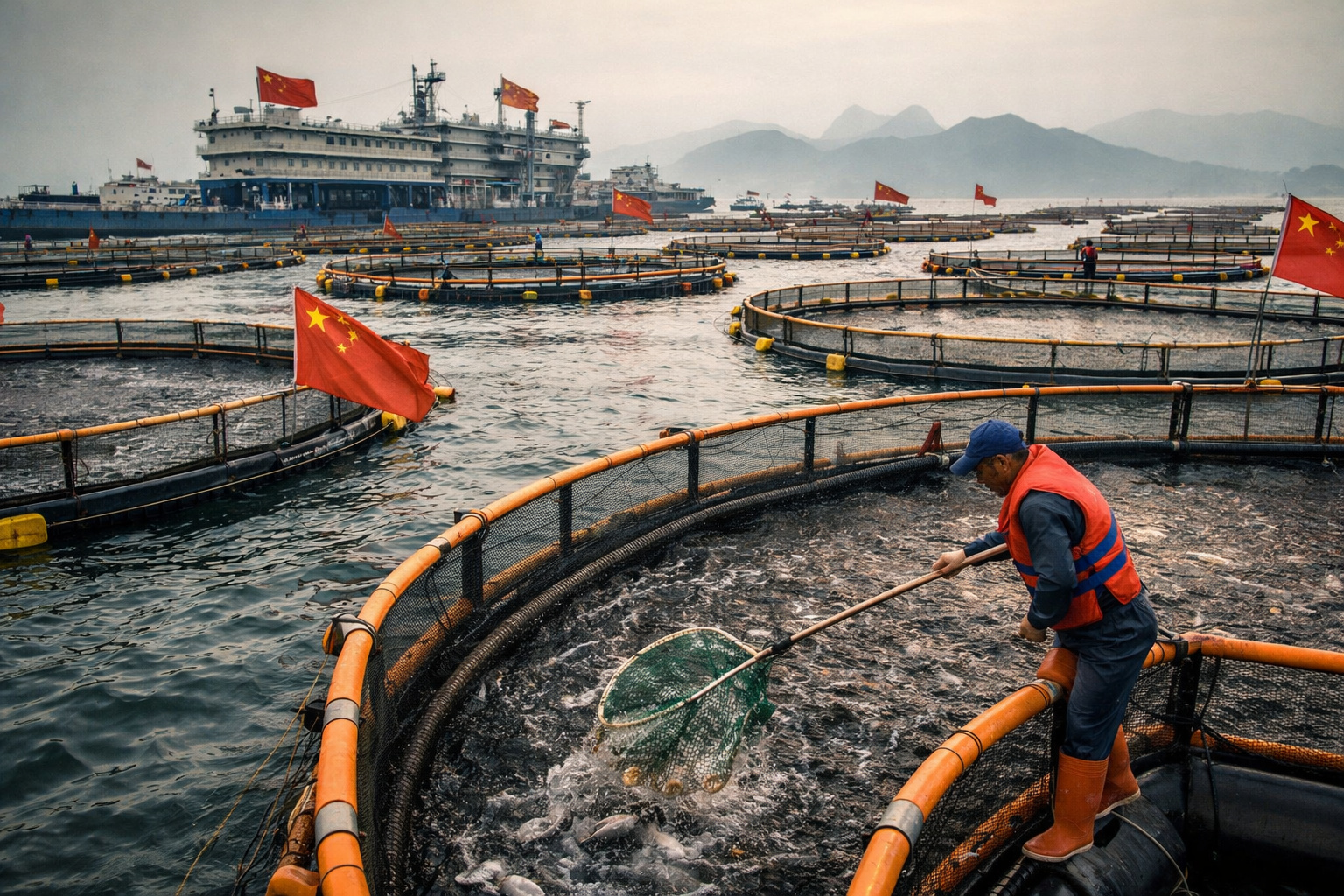
Neither Brazil nor the USA: China produces over 60% of the world’s farmed fish and accounts for about 40% of all global seafood, using industrial-scale aquaculture megafarms to influence the international market and supply billions of people.
-
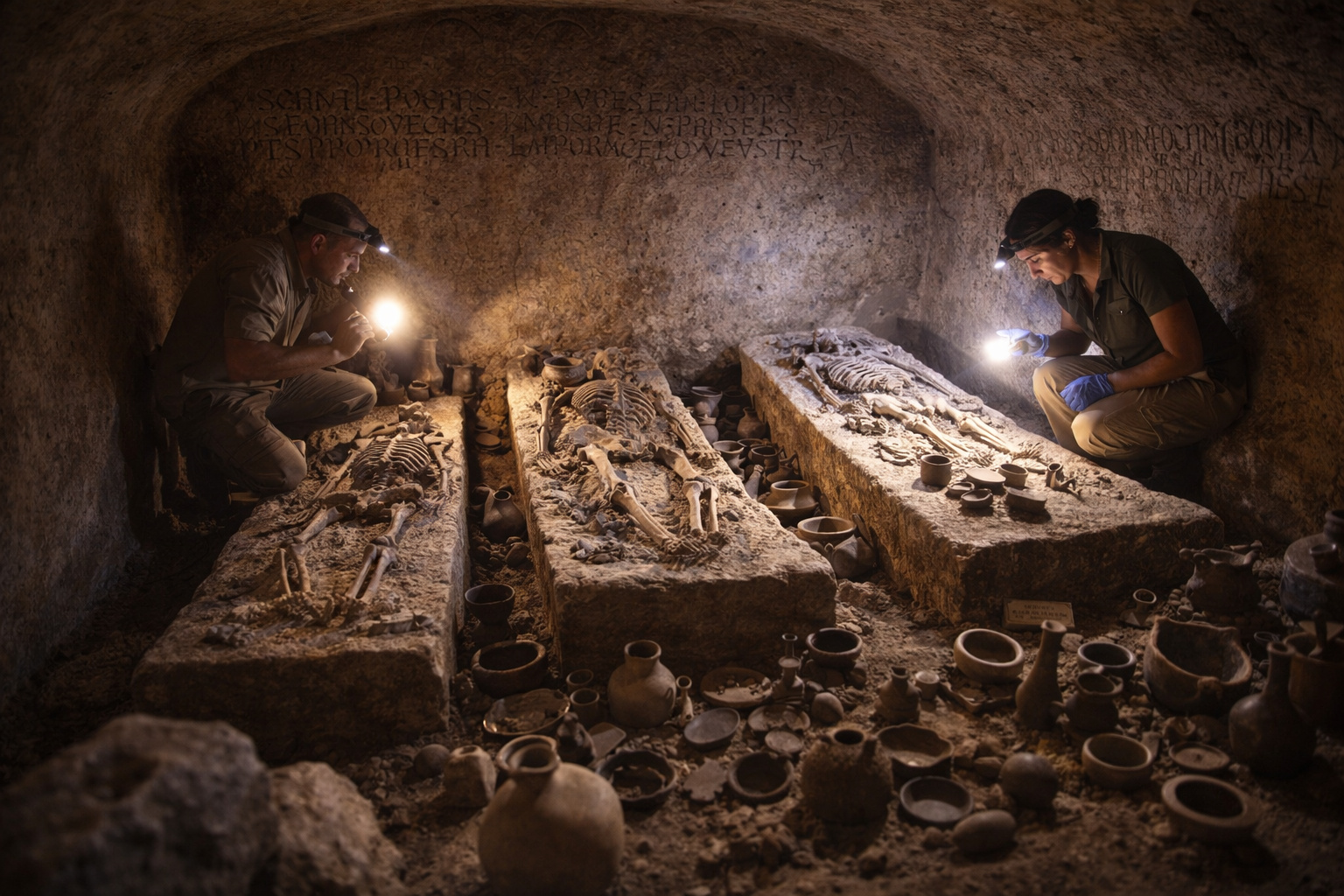
Archaeologists opened the only Etruscan chamber never looted in 2,600 years and found four individuals lying on stone beds with 110 intact objects around them, and the inscriptions found in the tomb have not yet been deciphered because the Etruscan language is a mystery that science has not yet solved.
-
Health issues urgent alert for flu and calls for the vaccination of the elderly, children, and pregnant women this Saturday with Day D and drive-thru in Curitiba.

-
What seemed like waste has turned into a barrier, and now human hair collected from salons helps retain debris in the water of ancestral channels in Latin America.


The strategy was clear: sell “non-strategic” assets to raise capital and focus all resources on the highly productive pre-salt fields in Brazil. In this context, the operation in Argentina, Petrobras Argentina (PESA), was put up for sale.
The Buyer’s Vision: The US$ 897 Million Deal That Transformed Pampa Energía
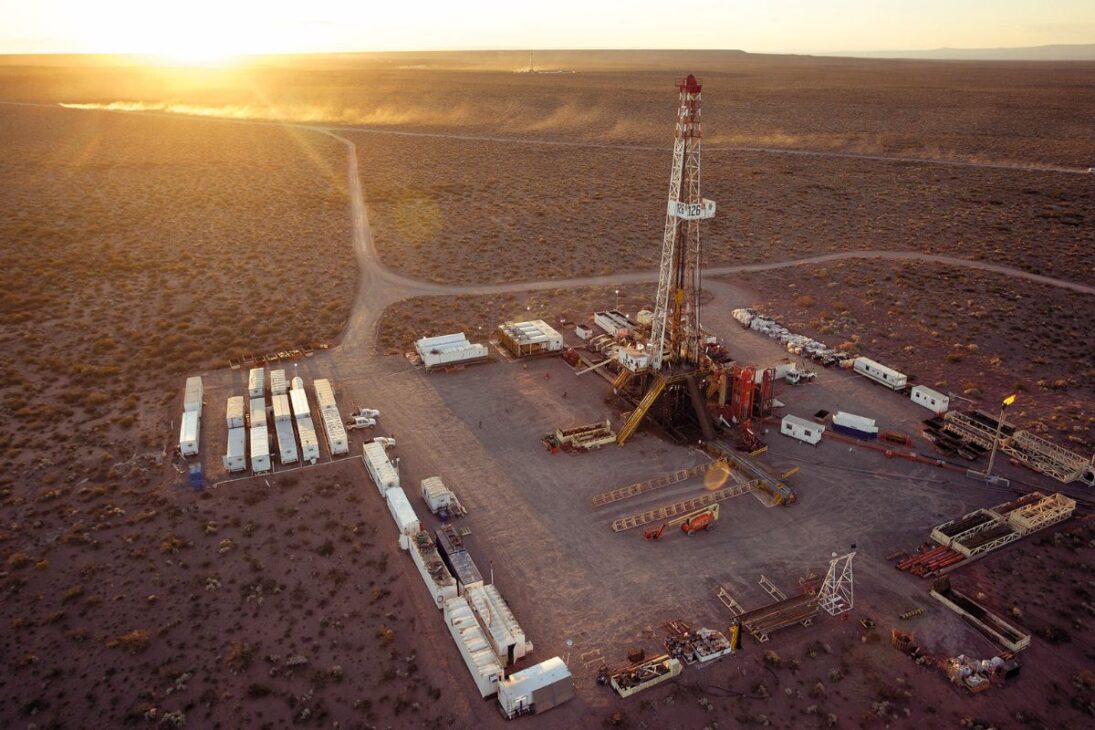
While Petrobras was retreating, Pampa Energía, led by businessman Marcelo Mindlin, was advancing. The company was already the largest in the electricity sector in Argentina, but had plans to become a fully integrated energy giant. It was missing the oil and gas piece.
The purchase of Petrobras’s operation was the move that made that plan a reality. In July 2016, the transaction was completed for US$ 897 million. With the deal, Pampa acquired a vast portfolio of oil and gas fields in Argentina, including areas in the promising shale formation of Vaca Muerta, in the Neuquén Basin.
The Bet on Vaca Muerta: How Pampa Transformed the Region into a “Money-Making Machine”
After the acquisition, Pampa Energía launched an aggressive investment plan, fully focused on unlocking the potential of Vaca Muerta. The company allocated more than US$ 1.6 billion for the development of its shale oil blocks between 2025 and 2026.
The results were spectacular. The company’s oil and gas production skyrocketed. Pampa’s profit in 2024 grew by 105%, reaching US$ 619 million. And the most impressive part: the company’s net debt fell to US$ 410 million, the lowest level since the acquisition from Petrobras in 2016.
The Río Neuquén Gas Field, the Gem That Petrobras Did Not Sell
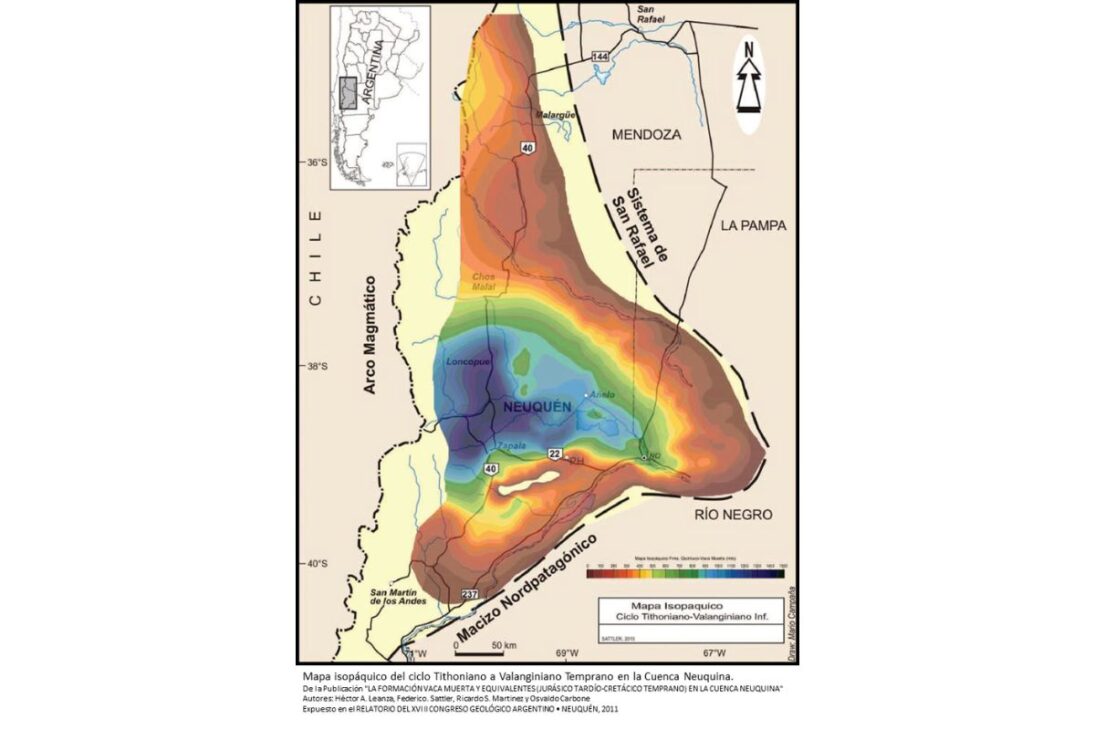
However, the sale of Petrobras in Argentina had a crucial clause. In the same sale agreement, the Brazilian state-owned company made a “carve-out” move: it repurchased from the newly acquired PESA a stake of 33.6% in the Río Neuquén gas field, located in the Neuquén Basin, for a net value of US$ 52 million.
Even amid the crisis, Petrobras’s technical team identified the immense potential of that specific asset and ensured that the company kept a foot in the future of Argentine unconventional gas.
The Circle Closes in 2025: Petrobras Returns to Argentina With an Eye on Río Neuquén
Almost a decade later, the story takes an ironic twist. With the resounding success of Vaca Muerta and the need for gas in Brazil, Petrobras is now actively seeking to re-enter the Argentine market.
Recently, the company signed a cooperation agreement with Argentine state-owned YPF to evaluate joint projects. The main focus? The same Río Neuquén gas field, the asset Petrobras made sure to retain. The Brazilian giant’s quest for Argentine gas today is the final validation of the visionary bet Pampa Energía made in 2016 and, primarily, Petrobras’s strategic move to keep its gem in Argentina.






A Petrobrás não estava em crise. Estava fazendo pesados desembolsos para desenvolver as operações do pré-sal que hoje representam 80% de sua receita e, graças a essa “maior crise de sua história” hoje a empresa sustenta o país e milhares de investidores mundo afora.
A manutenção dos níveis de produção dos campos de petróleo e gás exigem investimentos altíssimos e recorrentes. Ao vender os seus ativos no exterior, a Petrobras tinha uma estratégia muito clara na época: reduzir as suas dívidas e investir prioritariamente nas produção de petróleo e gás nos campos do pré-sal do Brasil. Como resultado, a empresa saiu de um PREJUÍZO de R$ 4,8 bilhões em 2016 para um LUCRO de R$ 188,3 bilhões em 2022, o maior de sua história, ao mesmo tempo em que houve uma redução da dívida de quase 60% no mesmo período. Outra consequência é que passou de ZERO distribuição de dividendos em 2016 para R$ 215,7 bilhões, pagos aos seus acionistas em igual período. Tais resultados demonstram que a Petrobras agiu acertadamente com a sua estratégia de mudar o foco de produção de petróleo e gás para o Brasil, reduzindo a sua participação em ativos no exterior.
Narrativa grotesca!
A Petrobras poderia estar com o controle de petróleo e gás na Argentina.
Graças a narco facção ****, sobrou uma migalha!
Como são **** esses jornalistas comuno globalistas!