





 Portuguese
  English
  Spanish
  4 min of reading
  0 comments


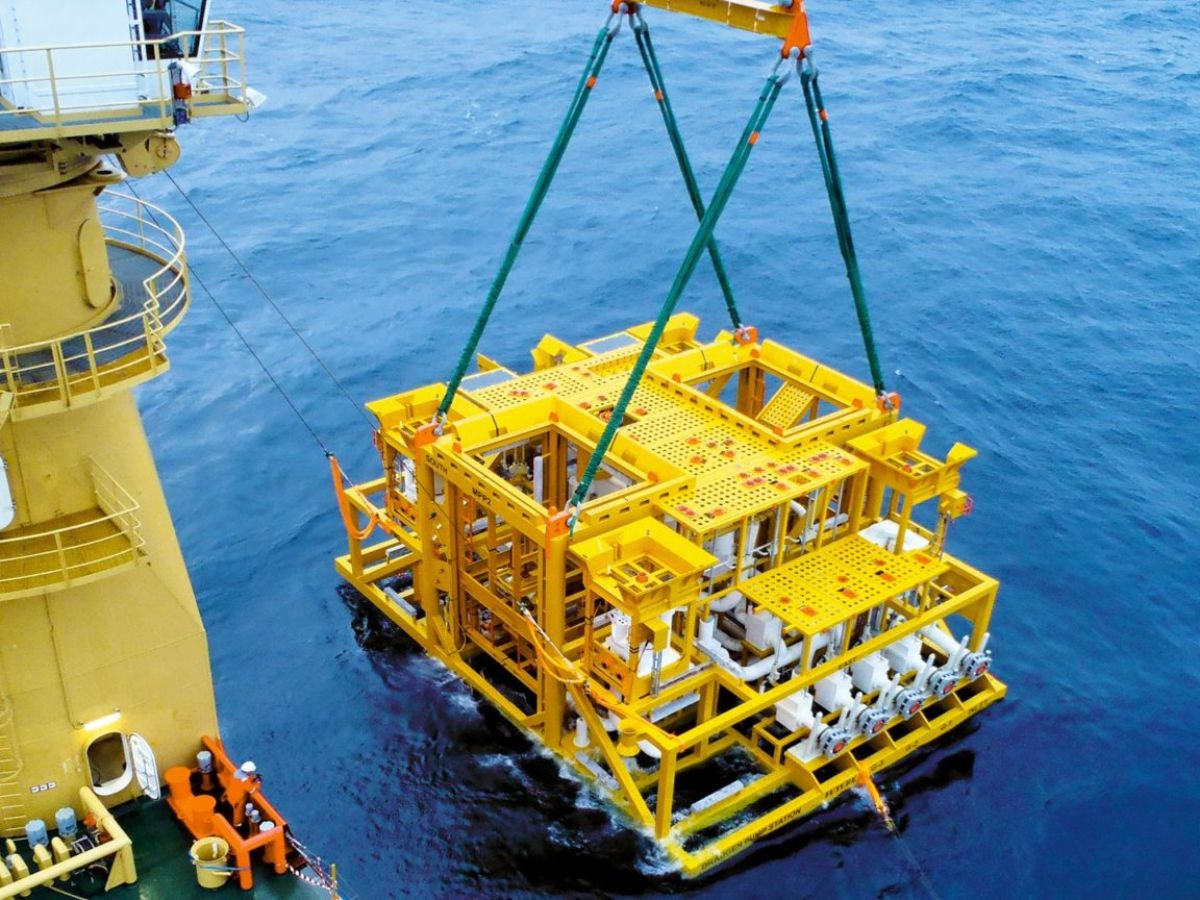
Understand What It Is, How It Works, and Why the Manufacturing of This Giant Valve, Which Costs Millions of Dollars, Is Strategic for Brazil in 2025
At the bottom of the sea, more than 2,000 meters deep in the Brazilian pre-salt fields, operates one of the most critical and robust pieces of engineering in the oil industry: the wet Christmas tree (ANM). Weighing up to 80 tons, this steel structure is a giant assembly of valves, responsible for controlling the immense pressure and the flow of oil and gas from a subsea well.
Despite its curious name, its function is extremely serious and vital for the safety and viability of oil production. The manufacturing of the wet Christmas tree in Brazil has become a strategic focus for the industry, a movement that boosts national technology and job creation.
What Is and How Does the Wet Christmas Tree Work at the Bottom of the Sea?
The wet Christmas tree is essentially a large assembly of valves installed on top of a subsea oil well. Its main function is to control the flow of hydrocarbons, manage the high pressure coming from the reservoir, and serve as a safe access point for maintenance and interventions in the well.
-
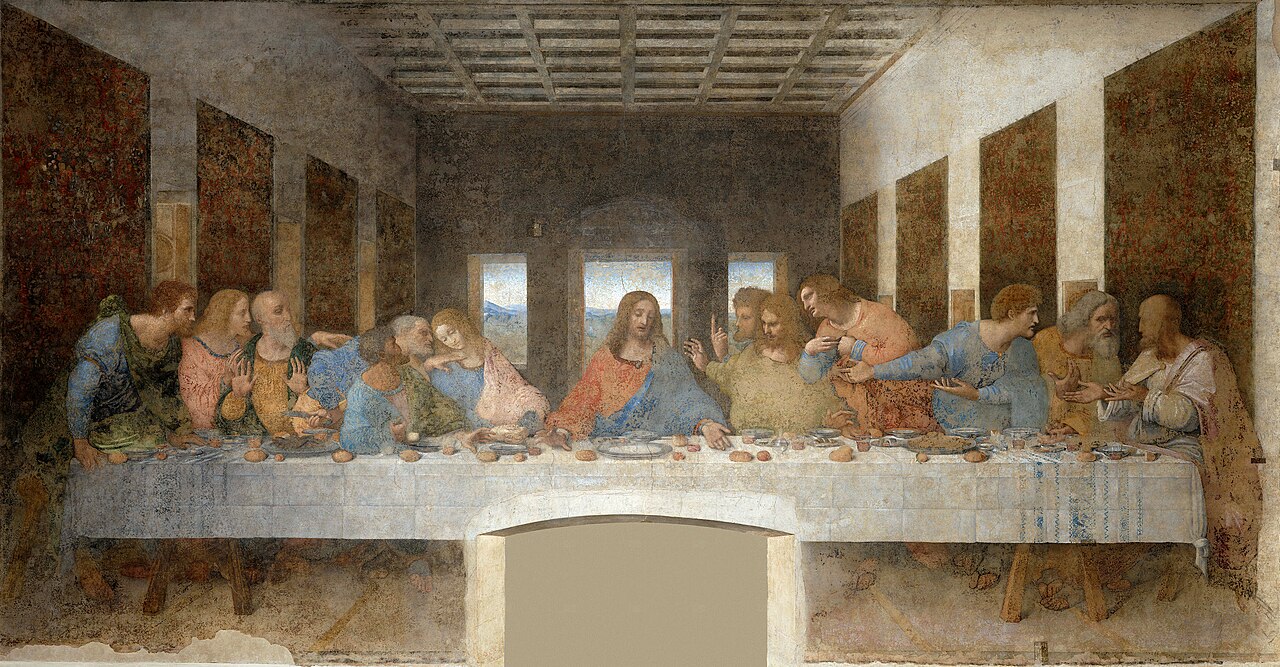
Hidden marks on the walls of the site associated with the Last Supper of Jesus for centuries have been deciphered in Jerusalem, revealing medieval inscriptions left by pilgrims, European nobles, and travelers from the Middle East.
-
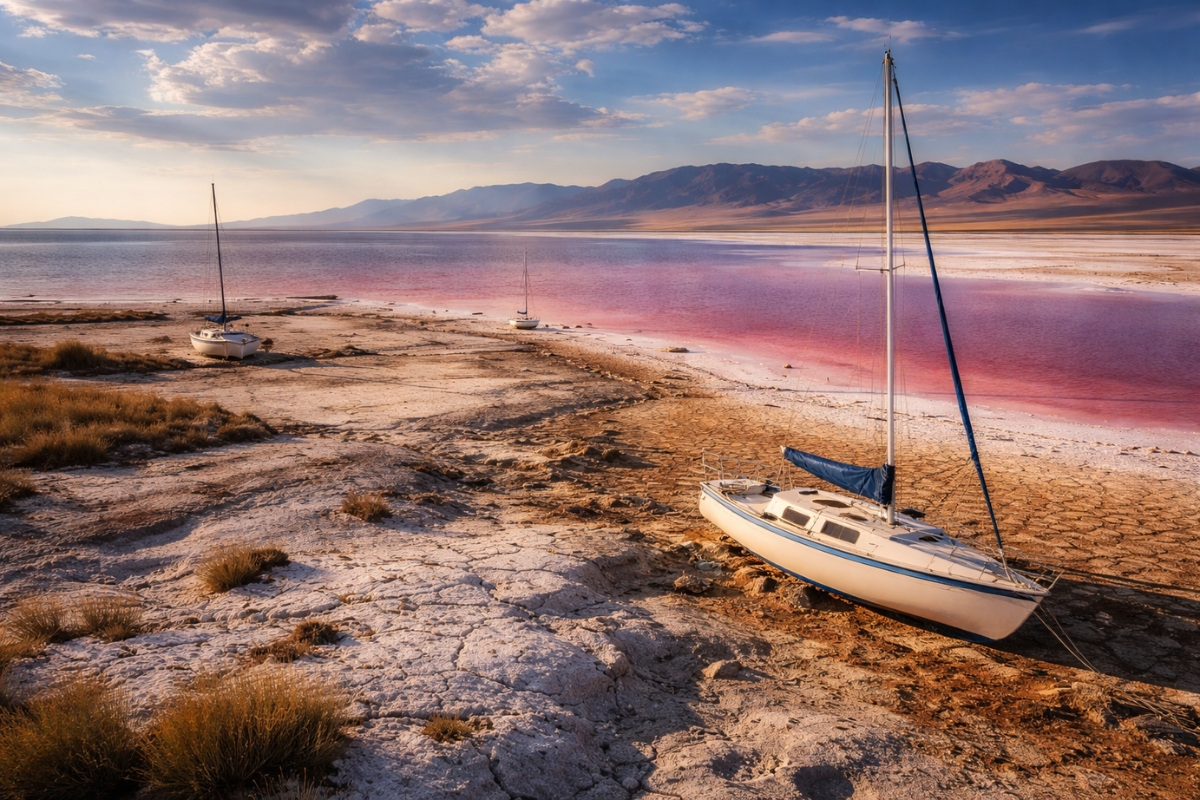
One of the most important lakes in the United States for birds, the balance of nature, and the climate has dried to historic levels, leaving boats stranded, revealing salt flats, and showing how the lack of water can transform an entire landscape.
-
It’s not Cristiano Ronaldo or Messi: the richest football player in the world is only 27 years old, has a fortune of 100 billion reais, and is the nephew of a sultan from an Asian country that few people know about.

-
At 77, the king of one of the most famous and powerful crowns on the planet is said to be under pressure to leave the throne, while behind the scenes there are already talks of a new coronation that could cost R$ 260 million.


There are two main configurations: vertical and horizontal. Horizontal trees are the most common today, dominating 85% of the market, as they facilitate future interventions without the need to remove all the equipment, saving time and money. The system is operated remotely from a platform or ship on the surface.
The 80-Ton Giant, Withstanding the Pressure of 2,000 Meters Deep
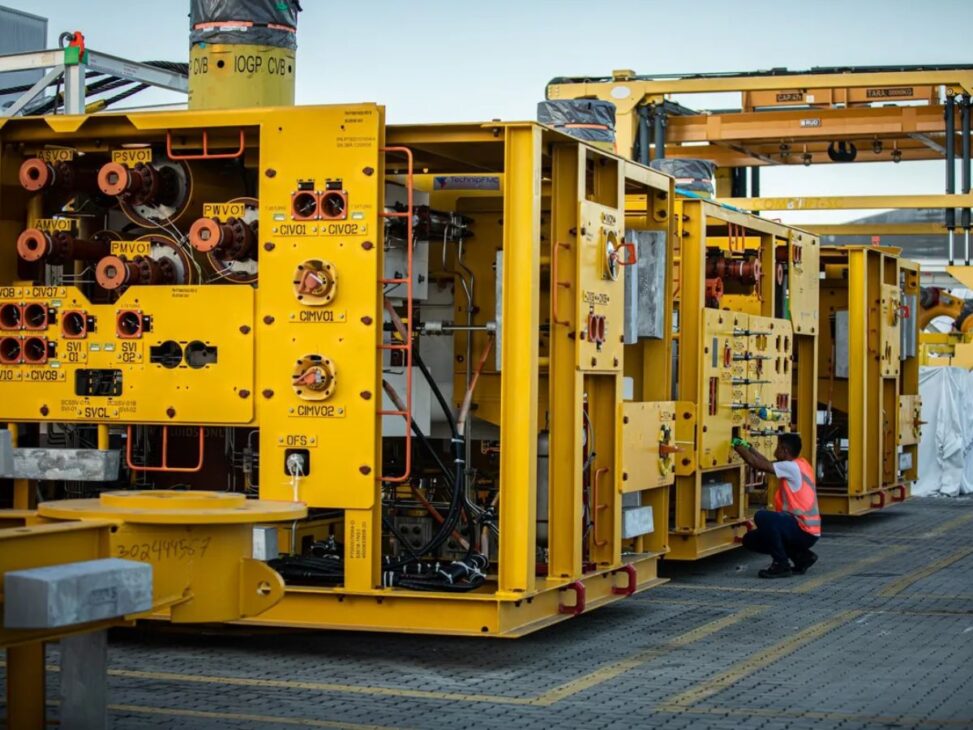
The operating conditions in the pre-salt are extreme. The wet Christmas tree needs to withstand not only the internal pressure of the well, which can reach 15,000 psi, but also the colossal external pressure from the water column of over 2,000 meters. This pressure is about 150 times greater than the atmospheric pressure we feel.
To resist this force, the ANM is a massive structure. Depending on its complexity, it can weigh over 70 tons, reaching 86 tons in some models, and be about 7 meters tall. It is manufactured with special steel alloys to withstand the pressure and corrosion caused by CO2 present in the pre-salt oil.
Why Does the Subsea “Christmas Tree” Cost Millions of Dollars?
The cost of a single wet Christmas tree reaches millions of dollars. The price varies drastically depending on its complexity, the number of valves, the diameter of the well, and, primarily, the pressure capacity it needs to withstand.
Although it is difficult to find exact values, a Petrobras contract in 2013 for the purchase of 49 subsea trees was valued at 500 million dollars. This results in an average cost of over 10 million dollars per unit at that time. The high value reflects cutting-edge engineering, high-quality materials, and rigorous testing necessary to ensure the safety and durability of the equipment for decades.
Manufacturing in Brazil, Petrobras’s Strategic Focus for 2025
In 2025, the manufacturing of ANMs in Brazil is one of the main strategic focuses of the oil and gas industry. Driven by Petrobras, the local content policy aims to strengthen the national supply chain and generate skilled jobs. Leading global manufacturers, such as TechnipFMC, Baker Hughes, and SLB OneSubsea, have a strong presence and factories in the country.
A clear example of this strategy is the contract signed by Petrobras in January 2024 with SLB OneSubsea. The agreement provides for the supply of up to 19 wet Christmas trees, with manufacturing scheduled to start in the third quarter of 2024 at factories located in Taubaté (SP) and Curitiba (PR). The contract requires a minimum of 55% local content.
The Strategic Role of the ANM in the Exploration of the Brazilian Pre-Salt
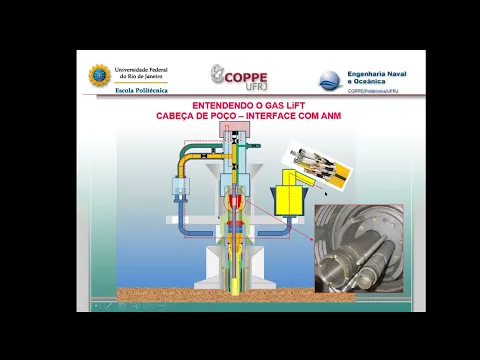

The wet Christmas tree is more than a piece of equipment; it is a strategic component that enables the safe and efficient exploration of the gigantic pre-salt reserves. Without this technology, it would be impossible to control the flow of oil in such deep waters and under such high pressures.
Investing in the local manufacturing of ANMs and other subsea equipment not only increases Brazil’s energy security but also boosts the technological and industrial development of the country. By mastering this technology, Brazil positions itself as a leader in deep-water oil exploration and strengthens its economy.






-

-

-

6 pessoas reagiram a isso.