





 Portuguese
  English
  Spanish
  3 min of reading
  0 comments


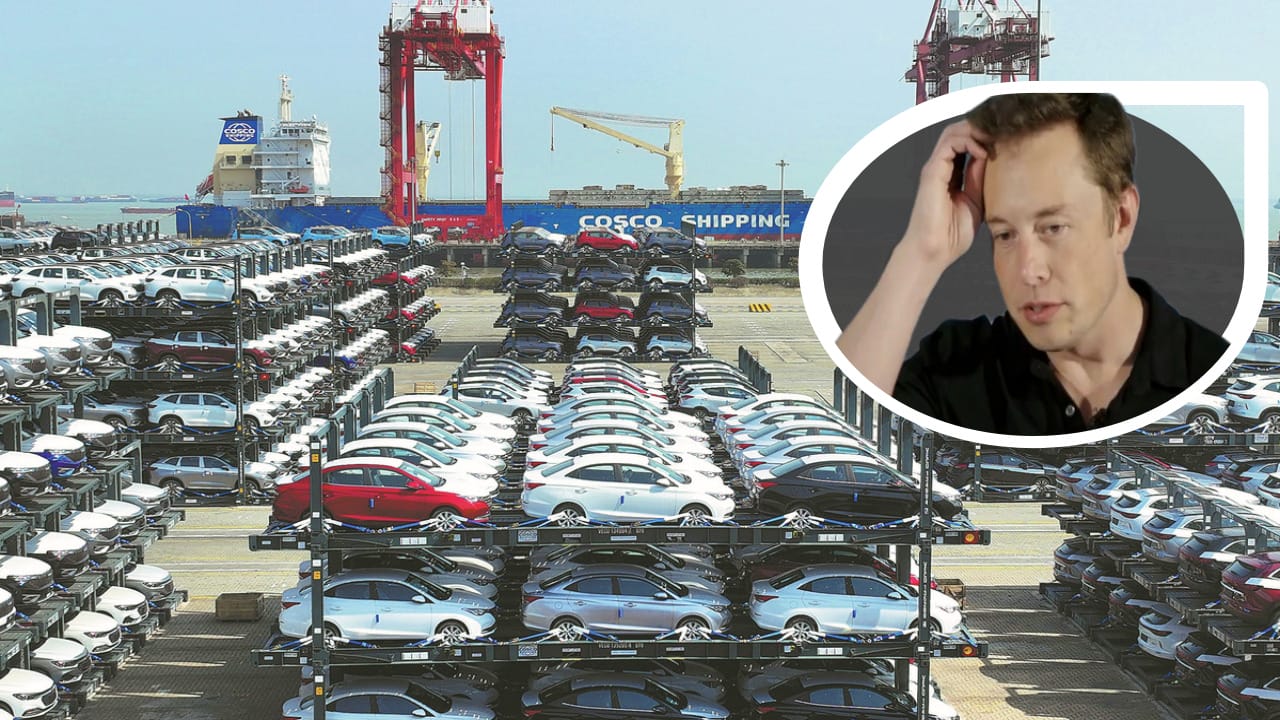
China Leads Global Electric Vehicle Production Thanks to BYD, the Chinese Giant Challenging Billionaire Elon Musk’s Tesla
In a constantly evolving world towards electric mobility, a Chinese competitor is emerging as a worthy rival to Tesla. BYD, which stands for “Build Your Dreams,” has made a giant leap in quarterly electric vehicle production and currently surpasses Tesla in this aspect, becoming the second largest electric vehicle manufacturer in sales worldwide.
This success is not only a testament to the growth of the automotive industry in China, but also a demonstration of how the Asian giant has become the world’s largest car exporter, surpassing Japan.
Watch the Video Below and Discover BYD’s Lithium Iron Phosphate Battery Factory in Brazil
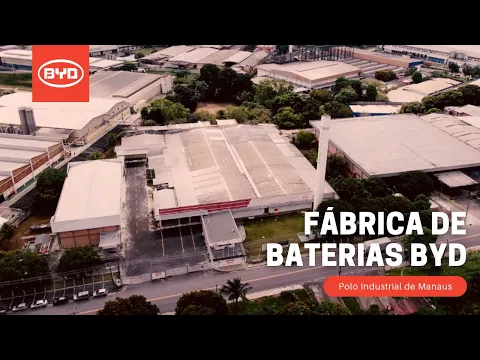

BYD’s Path to Success: From Batteries to Electric Cars. BYD had an advantage from the start, unlike other car manufacturers that expanded into electric models, BYD started as a company dedicated to the production of rechargeable batteries. The Shenzhen-based company, founded in 1995 by Wang Chuanfu and his cousin, excelled in producing competitive batteries that challenged Japanese imports in terms of quality and price. Over time, the company diversified by acquiring Qinchuan Automobile Company, a struggling state-owned car manufacturer.
-
Engineers propose a fourth traffic light for intersections – the change promises to affect crossings, queues, and waiting times.
-
Chevrolet Suburban Z71 lands in Brazil with a V8 engine, off-road design, air suspension, seven seats, and colossal size, a rare version imported for around R$ 1.3 million with luxury and exclusivity.
-
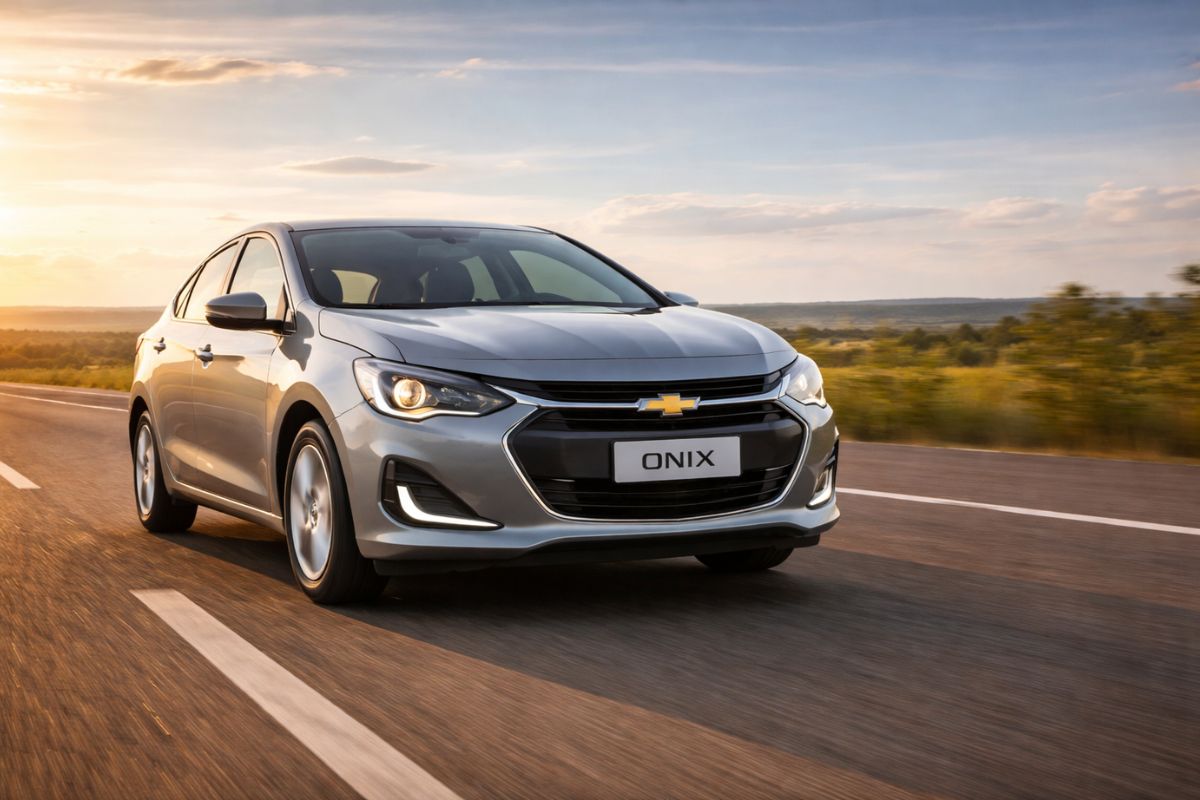
The Chevrolet Onix 1.0 turbo achieves 17.7 km per liter on the highway and ranks among the three most economical cars in Brazil in 2026, alongside two more expensive Toyota hybrids available at dealerships.
-
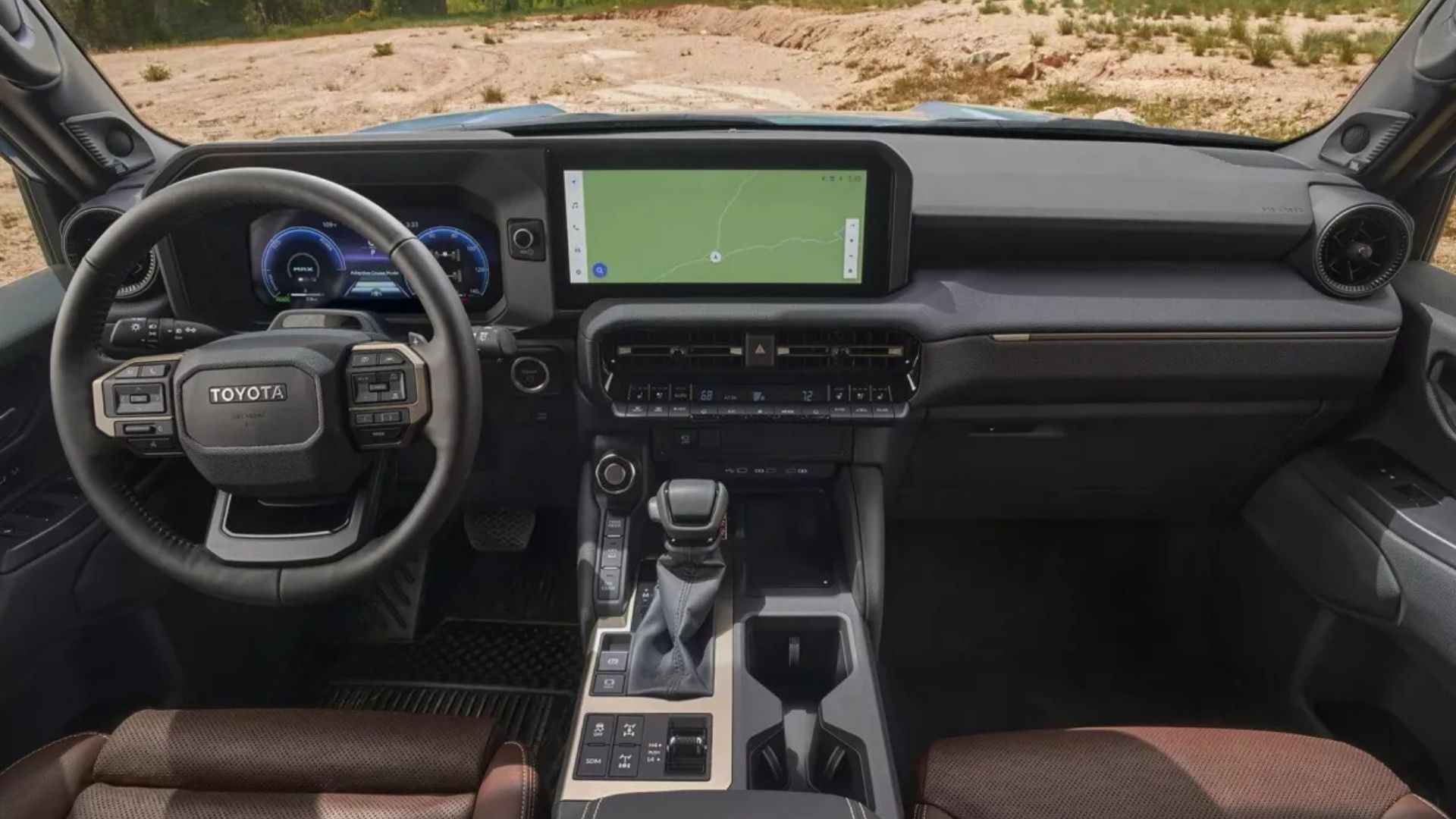
Little sister of the Hilux: Toyota launches Land Cruiser FJ with 4 radical versions, 2.7 engine with 166 hp and 4×4 traction with locking.

China as the Epicenter of the Electric Vehicle Revolution
In the early 2000s, the Chinese government recognized the importance of renewable energy production and offered significant incentives, such as subsidies and tax deductions, to boost the adoption of electric vehicles. This context was favorable for BYD, as the batteries it manufactured became the heart of electric vehicles.
Warren Buffett’s 10% investment in BYD Auto in 2008 proved prophetic, as China now leads global electric vehicle production, largely thanks to BYD. The batteries, which are costly and essential for manufacturing electric vehicles, are produced in-house by BYD, giving them a significant competitive advantage over their rivals, including Tesla.
Global Competition: BYD’s Affordable Electric Vehicles Surpassing Manufacturers Like Volkswagen and Winning Buyers in Europe
BYD has not only achieved phenomenal success in the Chinese market, but has also captured younger buyers in Europe. Its affordable electric vehicles have surpassed traditional brands such as Volkswagen, posing a challenge to the European automotive industry. However, despite its success, distrust of China is leading the European Commission to consider imposing tariffs to protect EU manufacturers from Chinese competition. The growing global demand for affordable vehicles puts China in a favorable position to lead the electric vehicle revolution.
This triumphant rise of BYD, from its start as a battery manufacturer to its dominant position in electric vehicle production, is a testament to the rapid transformation of the automotive industry and the impact of China on the global market. With an emphasis on producing affordable vehicles and the ability to internally manufacture the costly batteries, BYD has surpassed renowned rivals like Tesla and established itself as the undisputed leader in the electric vehicle revolution.









Seja o primeiro a reagir!