





 Portuguese
  English
  Spanish
  9 min of reading
  0 comments


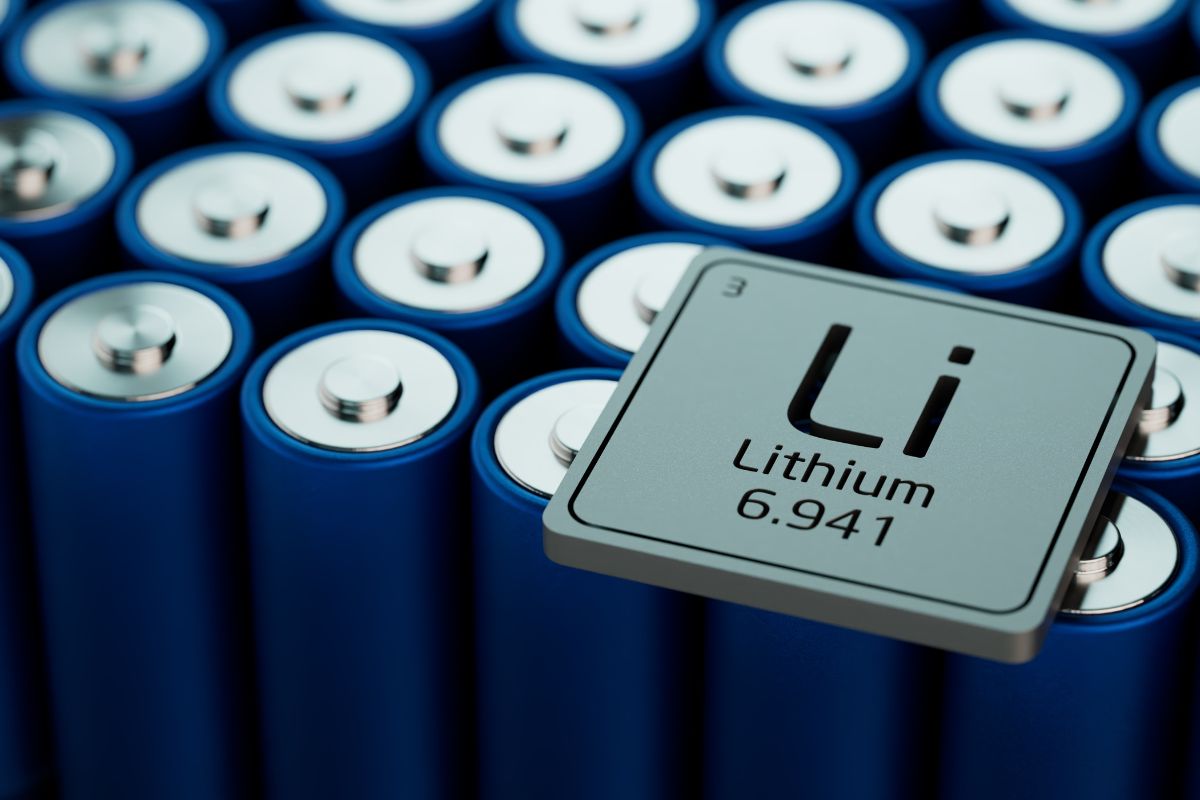
From The Cell Phone You Can’t Live Without To The Electric Car Of Your Dreams, Lithium Battery Is In Almost Everything — Silent, Powerful, And Full Of Secrets. Discover How It Came About, Why It Is So Essential In Our Daily Lives, And How To Take Good Care Of It To Last Longer
You know that moment when your phone is at 2% battery and you go into silent panic mode, trying to find a charger as if your life depends on it? Well… we’ve all been there. But have you ever stopped to think about what really powers all those devices we can’t live without?
Behind your cellphone, laptop, electric car, and even the solar energy in your neighbor’s house, there is a small but extremely powerful component: the lithium battery. It’s like that discreet hero — it doesn’t show up much, but without it, nothing works. Today, I want to chat with you about this modern wonder.
How This Whole Story Started (Spoiler: It Was A Huge Team Effort!)
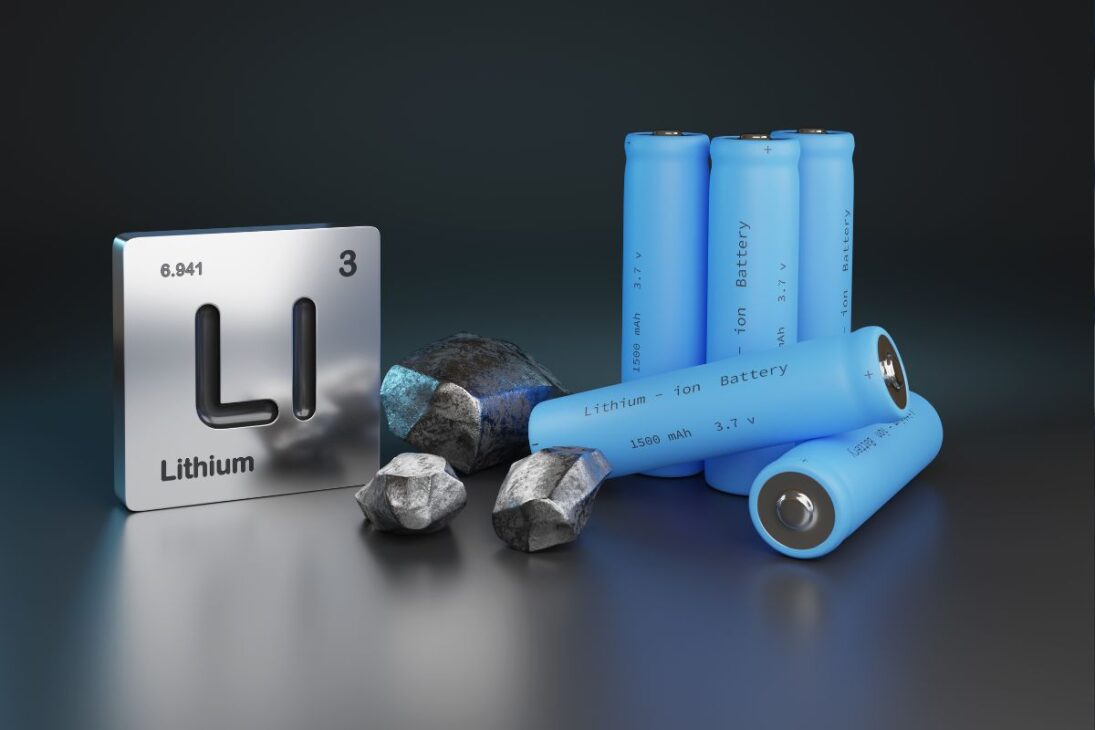
Shall we go back in time a bit? In 1817, a Swedish chemist named Arfwedson discovered lithium. But back then, no one had any idea of what could be done with this shiny, super lightweight metal. It sat there, quietly in the periodic table, waiting for its moment to shine.
-
Motorola launched the Signature with a gold seal from DxOMark, tying with the iPhone 17 Pro in camera performance, Snapdragon 8 Gen 5 that surpassed 3 million in benchmarks, and a zoom that impresses even at night.

-
Satellites reveal beneath the Sahara a giant river buried for thousands of kilometers: study shows that the largest hot desert on the planet was once traversed by a river system comparable to the largest on Earth.

-
Scientists have captured something never seen in space: newly born stars are creating gigantic rings of light a thousand times larger than the distance between the Earth and the Sun, and this changes everything we knew about stellar birth.

-
Geologists find traces of a continent that disappeared 155 million years ago after separating from Australia and reveal that it did not sink, but broke into fragments scattered across Southeast Asia.

It wasn’t until the 1970s that things started heating up. A British scientist named Stanley Whittingham created the first rechargeable battery with lithium. Cool, right? But there was a little problem… it was kind of unstable. Like those friendships we love but keep blowing up without warning.
Then comes Akira Yoshino from Japan. The guy was smart: he swapped out metallic lithium for a calmer version — lithium ions. This made the battery much safer. In 1991, Sony launched the first lithium-ion battery on the market. And then… boom! The revolution of portable electronics began. No wonder this trio (Whittingham, Yoshino, and Goodenough, who also contributed with the cathode) won the Nobel Prize in Chemistry in 2019. So well-deserved!
Why Did The Lithium Battery Become The World’s Darling?
Now let’s talk about why everyone just wants to know about it. The lithium battery has a bunch of qualities that make it a true superstar of portable energy. Check it out:
- It stores A LOT of energy in a small space. It can even fit in your pocket!
- It charges quickly. No waiting for hours and hours.
- It lasts a long time. There are models that withstand thousands of recharges.
- It’s lightweight. Perfect for those who always have their phone or laptop on hand.
- It doesn’t lose charge easily when it’s turned off. That’s a relief, right?
It simply meets all the demands of our modern routine, which asks for energy all the time, everywhere. No drama.

Where Is This Battery Hidden In Your Day To Day Life?
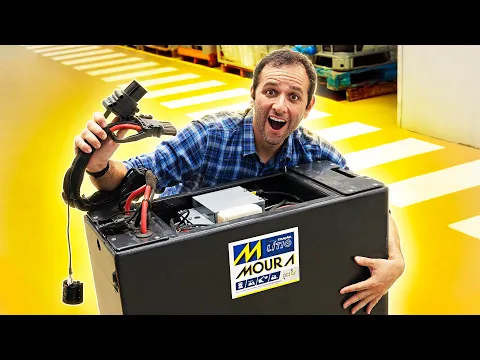
You might not notice it, but the lithium battery is with you all the time. Seriously. From the moment you wake up and grab your phone, to when you leave with your electric car or take pictures with that high-end camera. Here are some examples:
- Cell Phones And Tablets: Of course, it’s the heart of these devices.
- Laptops: Especially those that can handle a full day of work.
- Electric Cars: Like the BYD Dolphin Mini — that favorite of Brazilians — and Tesla. Range? It’s more than enough!
- Drones And Cameras: Where every gram counts.
- Solar Panels: Many homes use lithium batteries to store energy generated during the day.
By the way, speaking of technology that facilitates our lives, it’s worth mentioning that lithium batteries are also great allies of devices with light-emitting diodes (LED). Since LEDs are super economical and efficient, they pair perfectly with rechargeable batteries, especially in flashlights, portable lamps, medical equipment, and even residential solar panels. It’s the perfect duo when it comes to mobility, autonomy, and low consumption.
The Different Types Of Batteries
That’s right. Not all lithium batteries are the same. Some are more robust, others lighter, and others even more durable. Want to see?
| Type | Characteristics | Most Common Uses |
|---|---|---|
| Li-ion (Lithium Ion) | Most popular, good capacity | Cell phones, laptops |
| LiFePO4 (Lithium Iron Phosphate) | Safe, long lifespan | Electric cars, solar systems |
| LiPo (Lithium Polymer) | Lighter and flexible | Drones, thin gadgets |
For those who want autonomy and safety (hello, off-grid folks!), the LiFePO4 is the love of your life. It withstands more cycles, is stable, and as safe as a grandma’s hug.
How To Take Good Care Of Your Lithium Battery
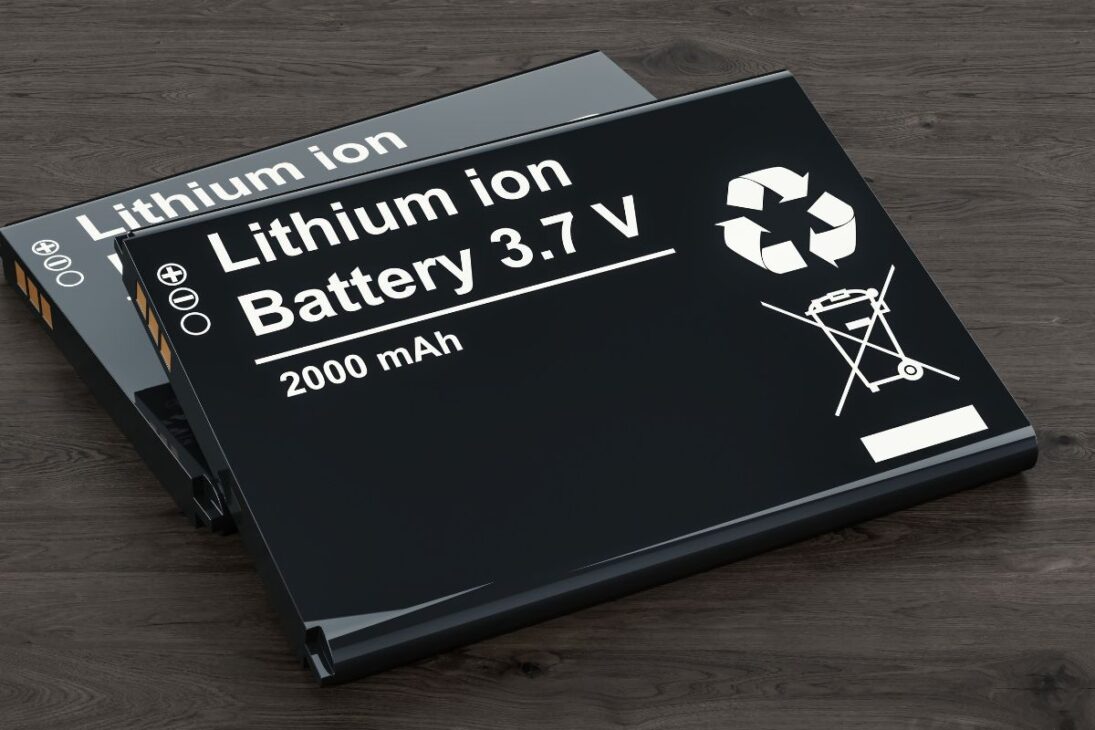
No need to become a “charger maniac”, but some simple tips help your battery live much longer:
- Avoid draining the battery every time. Keep it happy between 20% and 80%.
- Don’t leave the phone plugged in all night long.
- If possible, take it out of the case when charging. Heat is not its friend.
- Avoid extreme heat. Direct sun on your phone? Better not.
- Use reliable chargers. Those cheap generic ones can end up being costly.
What’s Coming: The Bright Future Of Batteries
If you think lithium batteries are already amazing, hold on to this: what’s coming is even more exciting! Scientists worldwide are delving into improvements that seem like something out of a futuristic movie:
- Solid-state Batteries: Safer and with out-of-this-world autonomy.
- Ultra-fast Charging: Some tests already charge 100% in 5 minutes. Just imagine the convenience!
- Smart Recycling: With less environmental impact and total reuse.
- Greener Batteries: New ways to extract lithium without harming nature so much.
Moreover, there are incredible Brazilian startups repurposing used batteries to create energy systems in isolated communities. Technology with purpose, you know? It’s something to be proud of.
But… What About The Environment? There Are Challenges Here As Well
Not everything is perfect, I know. After all, lithium mining, especially in South America, can affect aquifers and sensitive ecosystems. Additionally, improper disposal is also a major issue.
On the other hand, good things are happening: serious companies are investing in cleaner extraction methods and fairer production chains. Furthermore, we as consumers have an important role: choosing conscious brands and recycling our electronics properly.
Energy That Transforms Lives: The Impact Of Lithium Batteries On Isolated Communities
Not everyone has a plug nearby. Especially in remote areas where the power grid hasn’t arrived yet — like some riverside communities, settlements in the hinterlands, or remote areas of the Amazon — lithium batteries are changing the game.
Moreover, when combined with solar energy, they provide light, refrigeration for food, and even internet, allowing schools to operate at night and small businesses to gain autonomy. Therefore, it’s exciting to see how such a “silent” technology can have such a giant impact.
Comparing With Other Batteries: Why The Lithium One Stands Out
To understand what makes the lithium battery so special, it’s worth quickly comparing it with other options we’ve used out there. Take a look:
| Battery Type | Energy Density | Weight | Recyclable? | Cost Range |
|---|---|---|---|---|
| Alkaline | Low | Medium | Partial | Low |
| Lead-acid | Medium | Heavy | Yes | Medium |
| NiCd (Nickel-cadmium) | Low | Medium | Yes | Low |
| Lithium (Li-ion) | High | Light | Yes (more difficult) | Medium to high |
See? The lithium one wins in almost all categories. Especially when it comes to energy with less weight and more durability.
Smart Reuse: The Second Life Of Lithium Batteries
Many people don’t know, but a lithium battery that is no longer useful for an electric car can still be useful for many years in other functions. For example, residential or commercial solar systems are a great alternative.
Furthermore, these “retired” batteries can still store energy efficiently, thus reducing waste and environmental impact. In other words, it’s the famous intelligent reuse — an extended lifecycle that benefits the planet and the wallet.
Is The Lithium Battery Dangerous? Let’s Simplify This
Look, we understand: hearing about batteries exploding is indeed alarming. However, let’s get the facts straight. With modern devices, risks are minimal — seriously. Lithium batteries come with protection systems that prevent overheating, overcharging, and even short-circuiting.
Moreover, what usually causes problems are factors like hard drops, using counterfeit chargers, or exposure to high temperatures. Therefore, with a little bit of everyday care, you can use them safely — and for a long time.
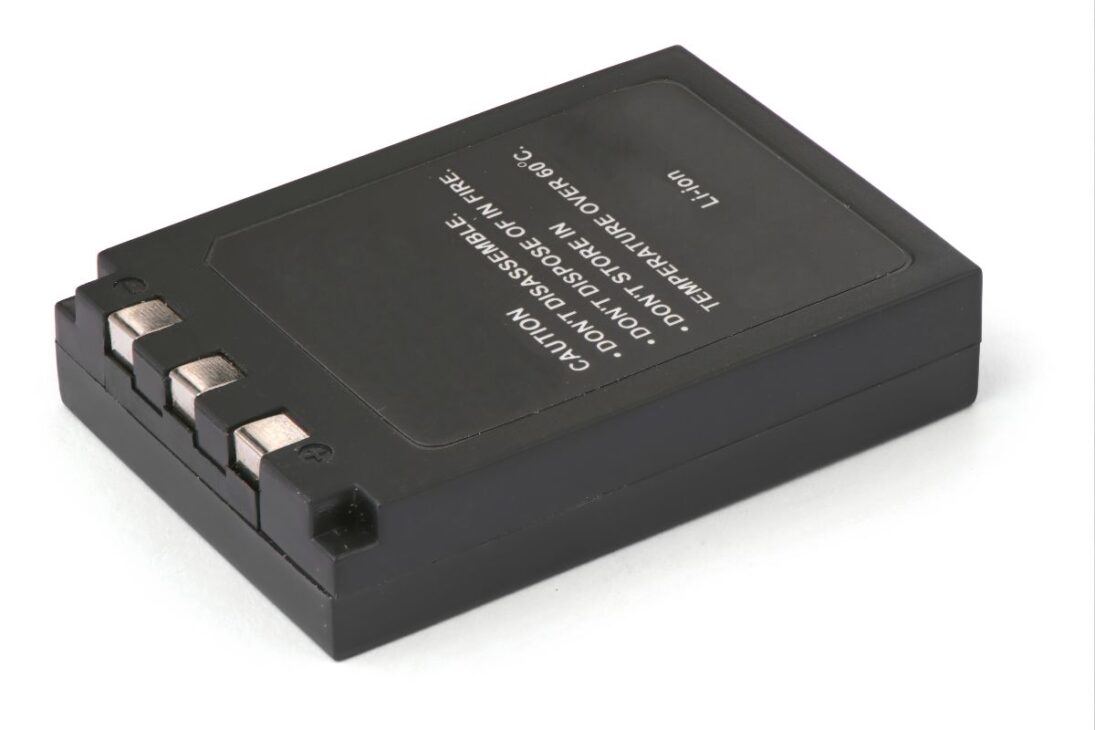
Curiosities: Where Else Is Lithium Battery Present?
Besides cell phones and cars, lithium batteries are also behind several amazing technologies that we don’t even imagine. Want to see?
- Pacemakers: They ensure that the hearts of thousands of people keep beating safely.
- Satellites: They power space systems orbiting the Earth — in extreme environments!
- Submarines: They are used in submerged vehicles that need reliable and long-lasting power.
- Power Tools: Like drills, trimmers, and vacuum cleaners that depend on lightweight and powerful batteries.
They are everywhere. From the space station to your kitchen. Now that’s what we call versatility!
Working With Lithium Batteries: A Market Full Of Opportunities
With the growth of the clean energy and electric mobility market, new professions and opportunities related to lithium batteries have emerged. Additionally, fields such as solar system installation, battery maintenance, custom pack assembly, and electric vehicle engineering are on the rise.
Therefore, there is room for those who love technology, sustainability, and even sales. If you are thinking of changing fields or specializing, here’s a tip: this sector is only expected to grow and become increasingly relevant.
Global Growth And Brazil’s Role In This Scenario
According to studies by BloombergNEF, the demand for lithium batteries is expected to grow more than 10 times by 2030. In other words, we are facing a true energy revolution in progress. Although Brazil is still, in many respects, just getting started in this area, the country already shows promising signs. On one hand, there are increasing investments in lithium mining in the Jequitinhonha Valley (MG); on the other, we see significant advances in the manufacturing of electric vehicles and solar systems.
Moreover, this movement represents a valuable opportunity for the country to strategically position itself actively in this global market. Therefore, if everything goes well, it’s possible to participate in this transformation consciously, sustainably, and — why not say? — quite profitably.
Is It Worth Investing In Lithium Battery?
It absolutely is. With the right care and a more attentive look toward the future, lithium battery is an investment that transforms the way we live, work, and move.
It is already present in your simplest moments — like listening to music on your phone — and also in big decisions — like installing solar energy or changing cars. It’s here to stay. And if used responsibly, it can be a great ally of a lighter, cleaner, and more connected world.
So, do you already use lithium battery in your daily life? Have you had any nice surprises (or hassles) with it? Share here in the comments! Let’s exchange experiences — and positive energy, of course.
FAQ – Frequently Asked Questions About Lithium Battery
Not like the old ones, but misuse can shorten its lifespan, yes.
On average, between 3 to 10 years, depending on type and use.
A little bit won’t make it explode, but charging it always to 100% and leaving it plugged for hours can, yes, accelerate wear.
Absolutely! It’s a perfect combination for autonomy and savings.
It depends on your usage. The LiFePO4 is great for those wanting durability and safety. The Li-ion is super common and efficient.







-

Uma pessoa reagiu a isso.