





 Portuguese
  English
  Spanish
  3 min of reading
  0 comments


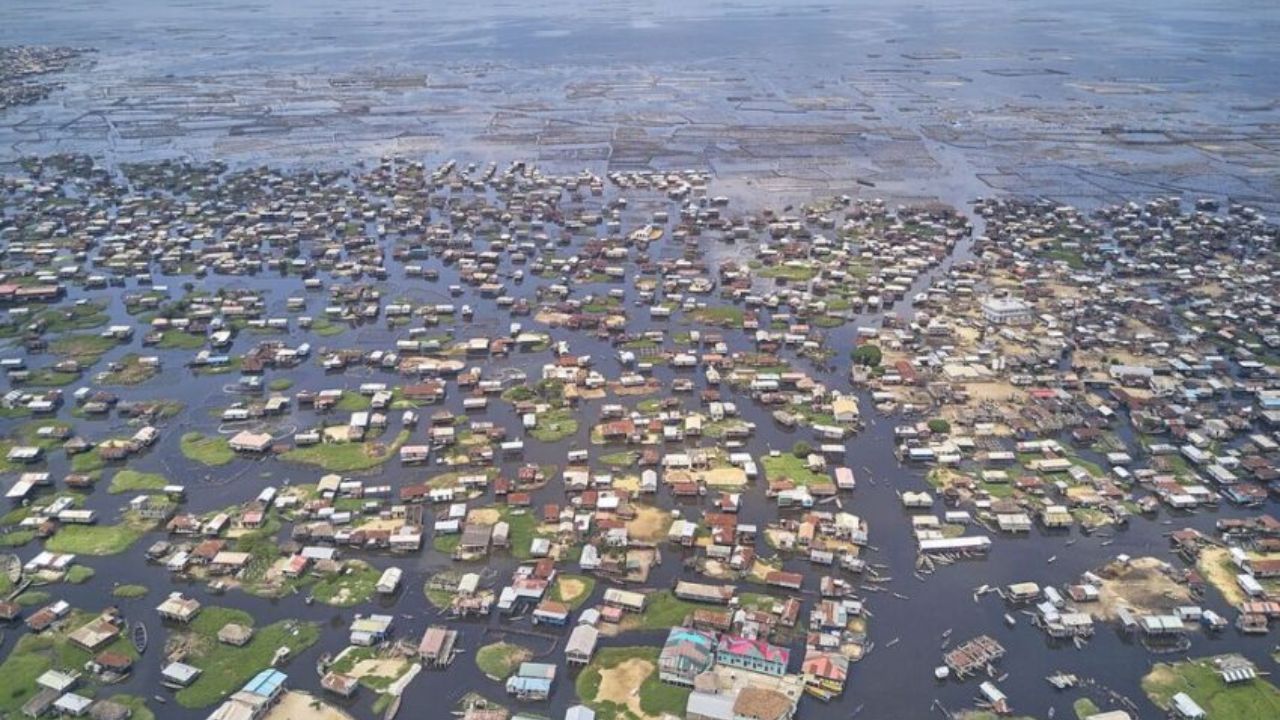
A Village on a Lake with 20,000 Inhabitants, Where the Streets Are Water, the Houses Float on Stilts, and People Use Canoes in Their Daily Lives. Meet Ganvié, the “Venice of Africa”, an Engaging Destination in Benin That Holds Centuries of History and Tradition!
Check this out: have you ever imagined a place where the streets are water, the houses seem to float, and instead of cars, people move around by canoe? Well, this place exists! Ganvié, in Benin, is a village on a lake that looks like it came out of a movie. It’s no wonder it’s known as the “Venice of Africa”.
Where Is This Surreal Village?
Ganvié is located in southern Benin, in West Africa. And let me tell you, the view here is out of this world: wooden houses on stilts, channels filled with canoes coming and going, and a climate that mixes tranquility and movement all the time. Visitors feel like they are in a parallel universe, where water is the beating heart of the village.
The Impressive History Behind Ganvié

Now, hold on to this: Ganvié didn’t come about by chance. In the 16th century, the Tofinu people were fleeing from slave hunters from the Fon and Dahomey kingdoms. The solution? Create a village inside Lake Nokoué, as the soldiers feared to enter the water believing that a demon lived there. And that’s how Ganvié was born, a refuge that became a symbol of resistance.
-
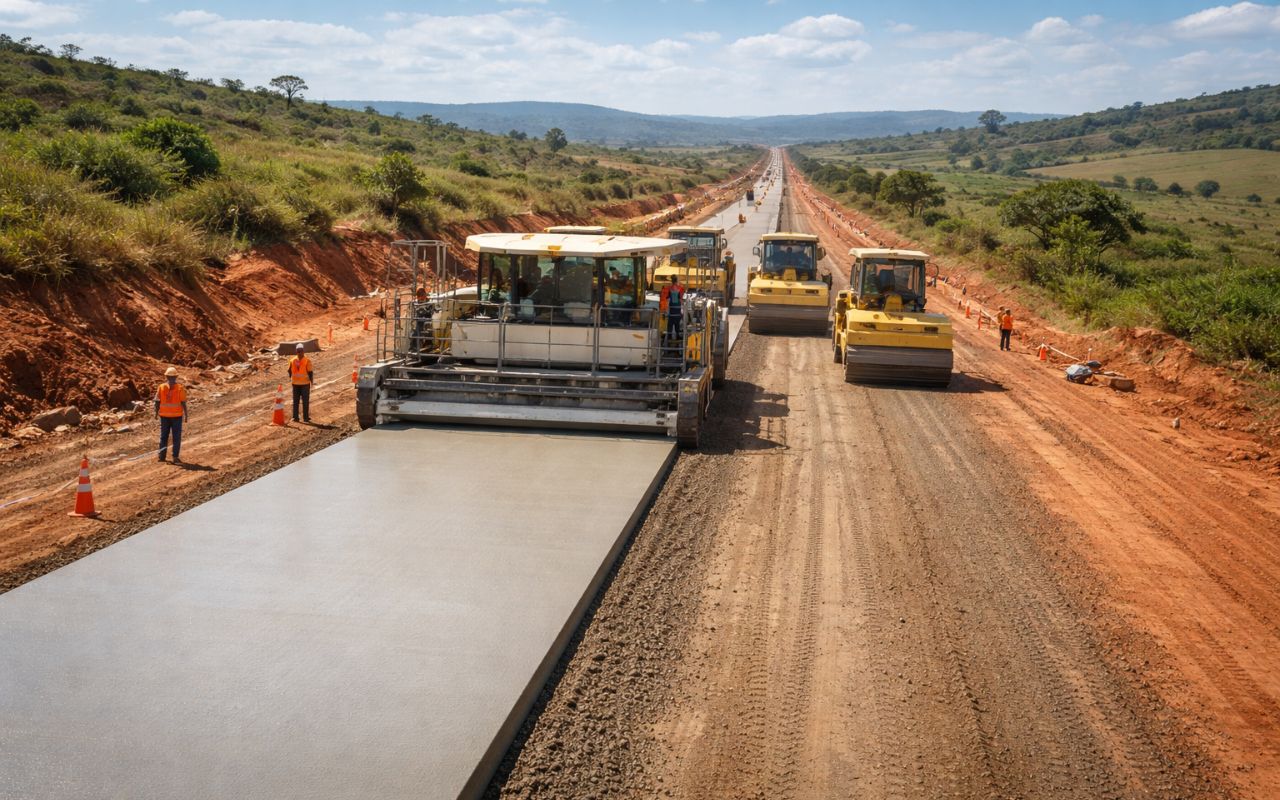
New CCR concrete paving technology promises roads up to 3x more durable, less maintenance, and cost reduction in Brazil.
-
Made from recycled plastic, plastic wood is gaining space in the construction industry because it does not rot, resists moisture, and reduces maintenance costs over the years.

-
Florianópolis will receive a million-dollar BRT that will begin construction in 2026 with nearly 400 million in funding from the federal government and the Inter-American Development Bank, and the map already shows the routes for the exclusive bus corridors.

-
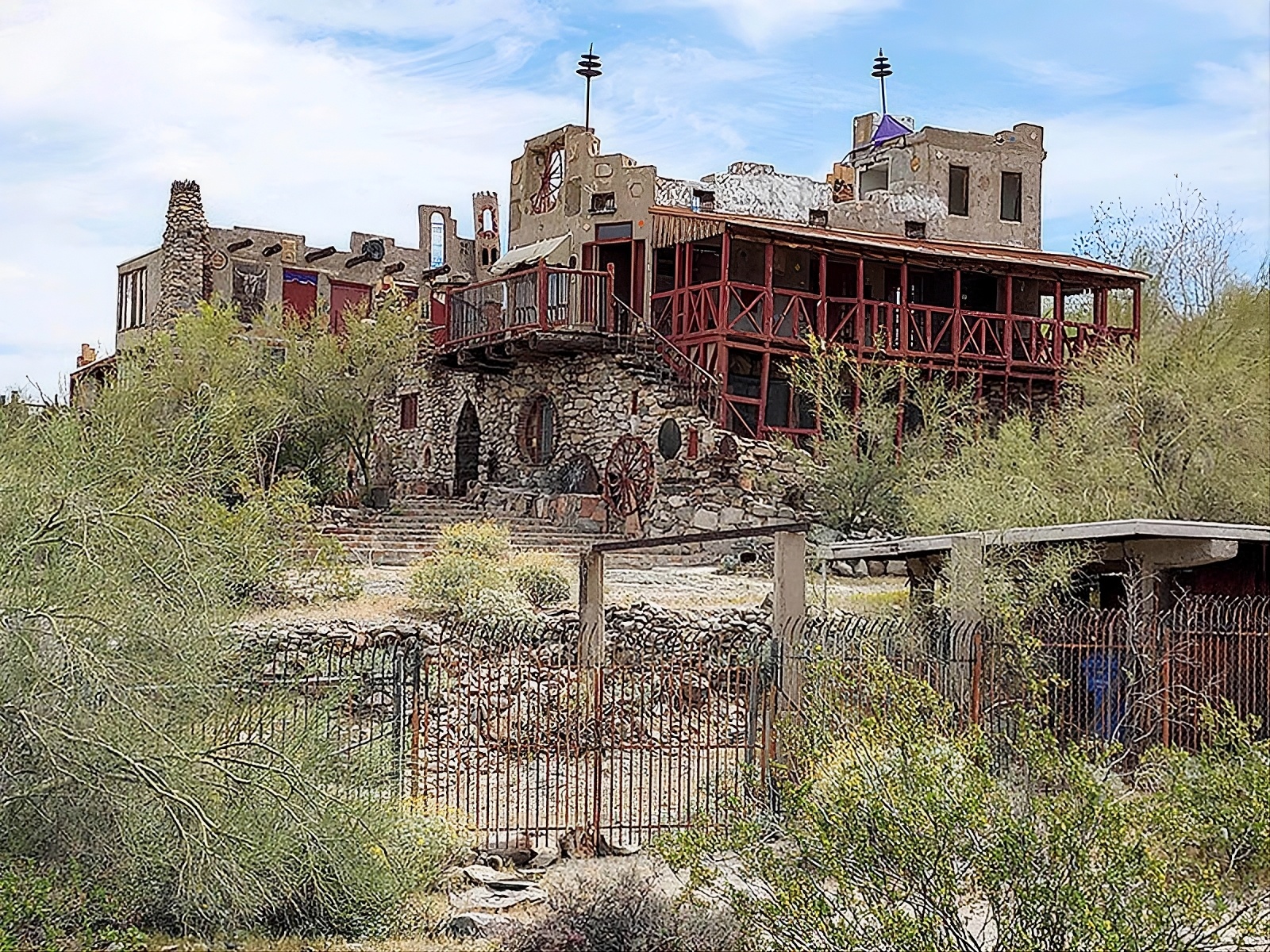
Without a blueprint, without an engineer, and using scrap from the dump, a father spends 15 years building an 18-room castle for his daughter, featuring tram tracks, 13 fireplaces, and over 700 m², which may now be demolished.
By the way, the name of the village says it all: “Ganvié” means “we survived” or “I was rescued here”. Creepy, right?
How Is Daily Life in This Village on a Lake?
It may seem like a scene from another planet, but life here follows its own rhythm. The village has it all: schools, hospitals, churches, and even floating markets. The detail? Everyone moves around by canoe!
The children paddle to school, vendors bring products in boats, and even doctors make house calls over the water. For the locals, solid ground is just a detail – many people only step on the mainland to sell fish or buy supplies.
Tourism and the Sustenance of the Village
In recent years, Ganvié has entered the radar of curious travelers. About 10,000 tourists pass through here every year, fascinated by the culture and the surreal view of the village on a lake. Most come on day trips from Cotonou or Abomey.
But tourism isn’t the only source of income. Fishing is still what drives the local economy, and the residents have a clever way of catching fish: they drive bamboo stakes into the bottom of the lake and weave palm leaves, creating natural enclosures that function as “fish cages”. Smart, right?









-

Uma pessoa reagiu a isso.