





 Portuguese
  English
  Spanish
  6 min of reading
  0 comments


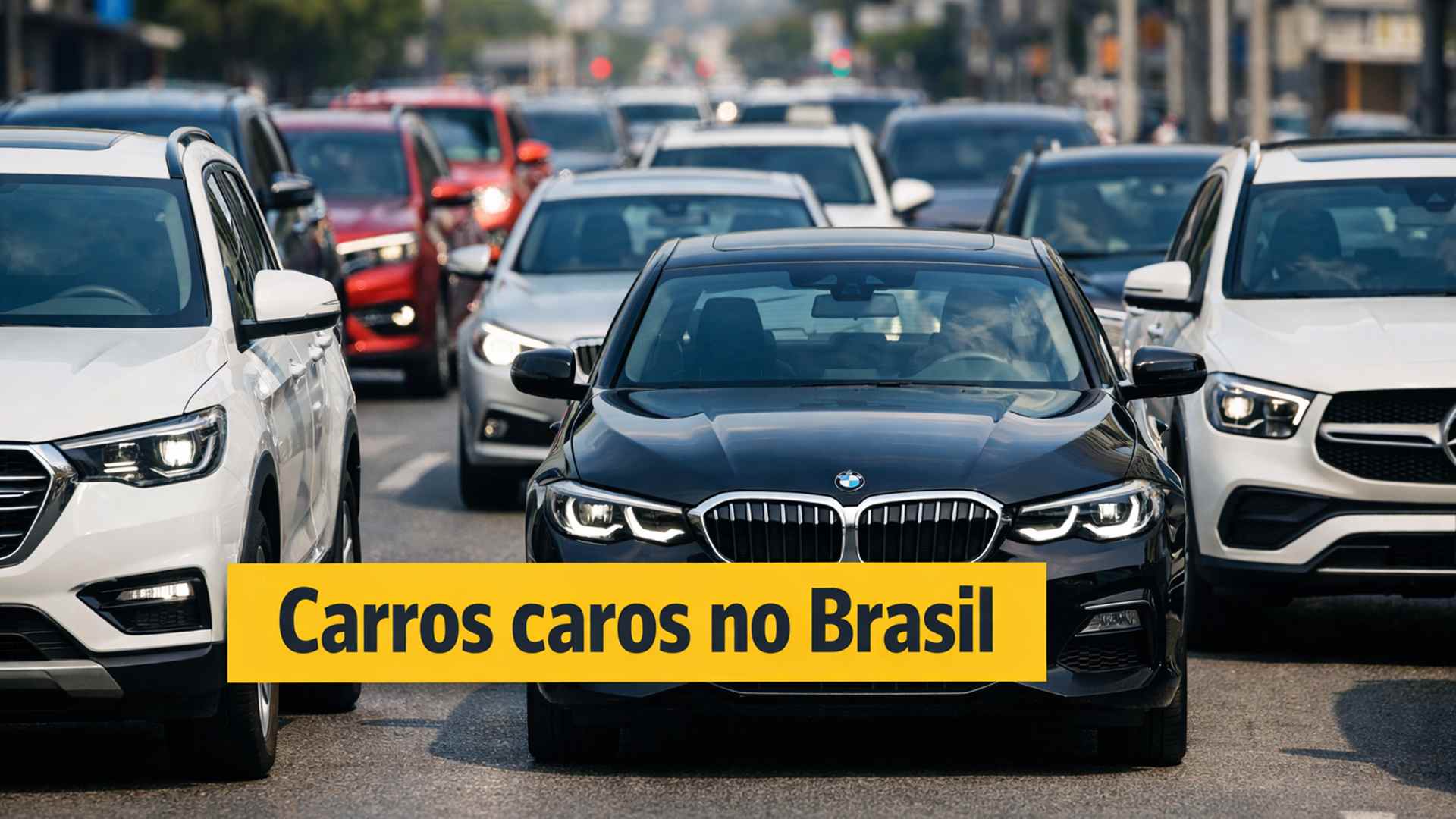
With 0km cars starting at around R$ 75 thousand and the most common models between R$ 110 thousand and R$ 150 thousand, the rise in prices, the advancement of financing, and the weight of status help explain why expensive vehicles are multiplying on the streets amid record indebtedness in Brazil.
The cheapest 0km car sold today in Brazil is in the range of R$ 75 thousand, still in a very basic configuration, while the most common market prices are already circulating between R$ 110 thousand and R$ 150 thousand. In this scenario, the increasing presence of SUVs, pickups, and expensive sedans on the streets contrasts with a reality marked by high debt, rising financing, and social pressure related to the status that the automobile still represents in the country.
The perception that almost everyone has started driving vehicles well above the average income is called into question when the numbers of indebtedness come into play. The appearance of prosperity created by newer and more expensive cars does not always reflect surplus income, accumulated wealth, or financial tranquility.
In everyday life, the automobile remains one of the most visible signs of social position. Unlike what is inside the home, private habits, or even little-exposed trips, the car accompanies the owner to work, shopping, leisure, and routine travel, which amplifies its symbolic weight in the collective imagination.
-
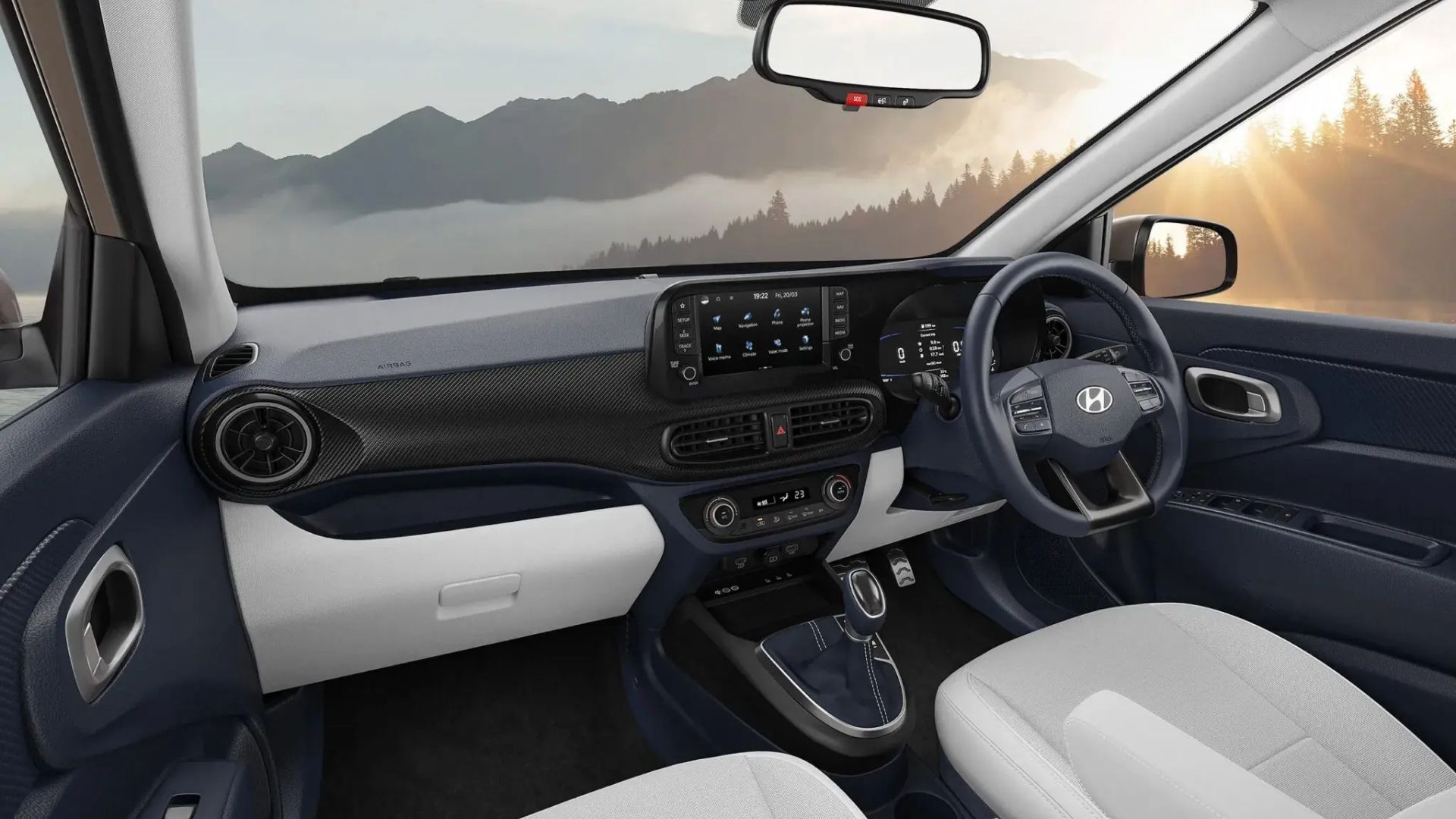
For R$ 32,000, a brand new Hyundai car is a rival to the Kwid with a 1.2 engine producing 82 hp, 6 airbags as standard, multimedia with wireless Android Auto, up to 391 liters in the trunk, and a refreshed look for 2026 in India.
-
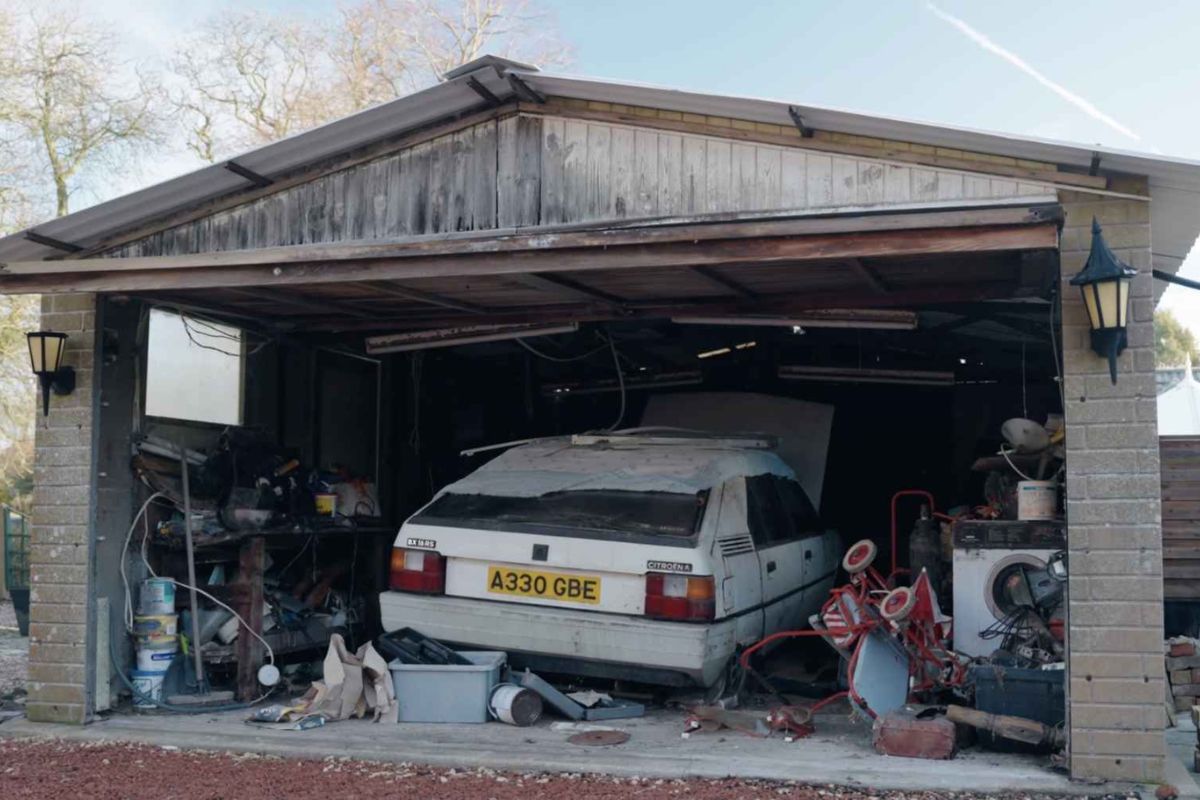
He bought a new car in 1983, locked it in the barn in 1988, and no one opened the door for 38 years until the family discovered what was stored inside and realized it looked like something out of a movie.
-
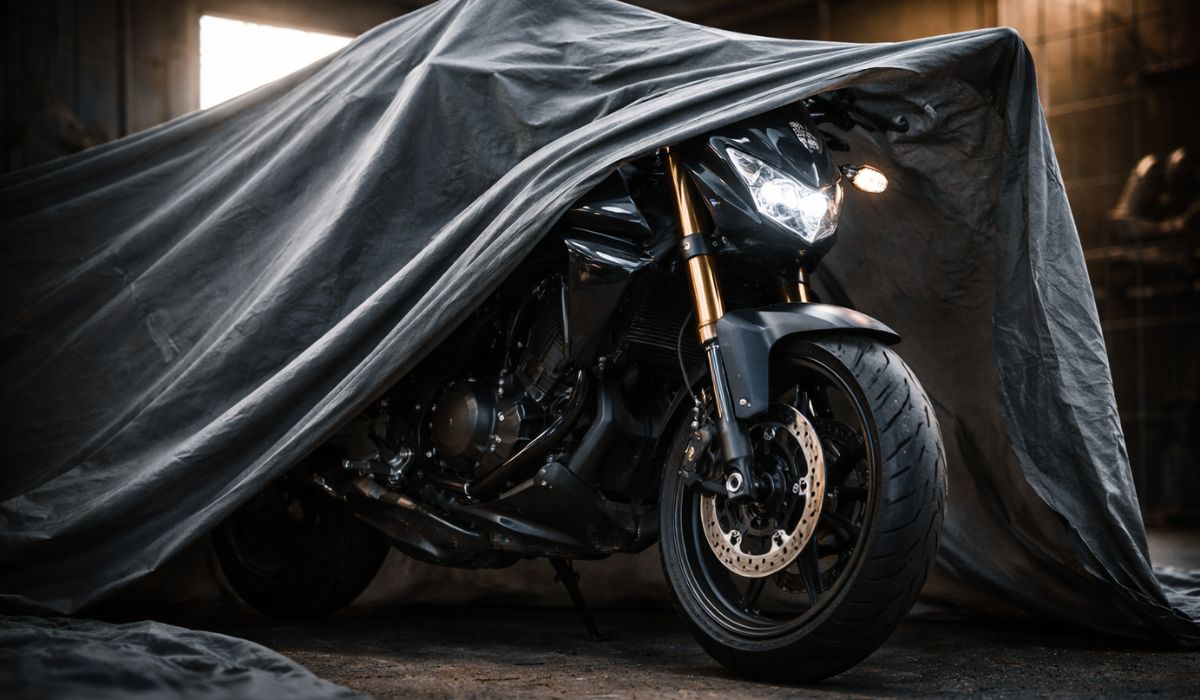
A 250cc motorcycle that can reach 560 km with a 14-liter tank, features disc brakes on both wheels and is among the most well-known in Brazil.
-
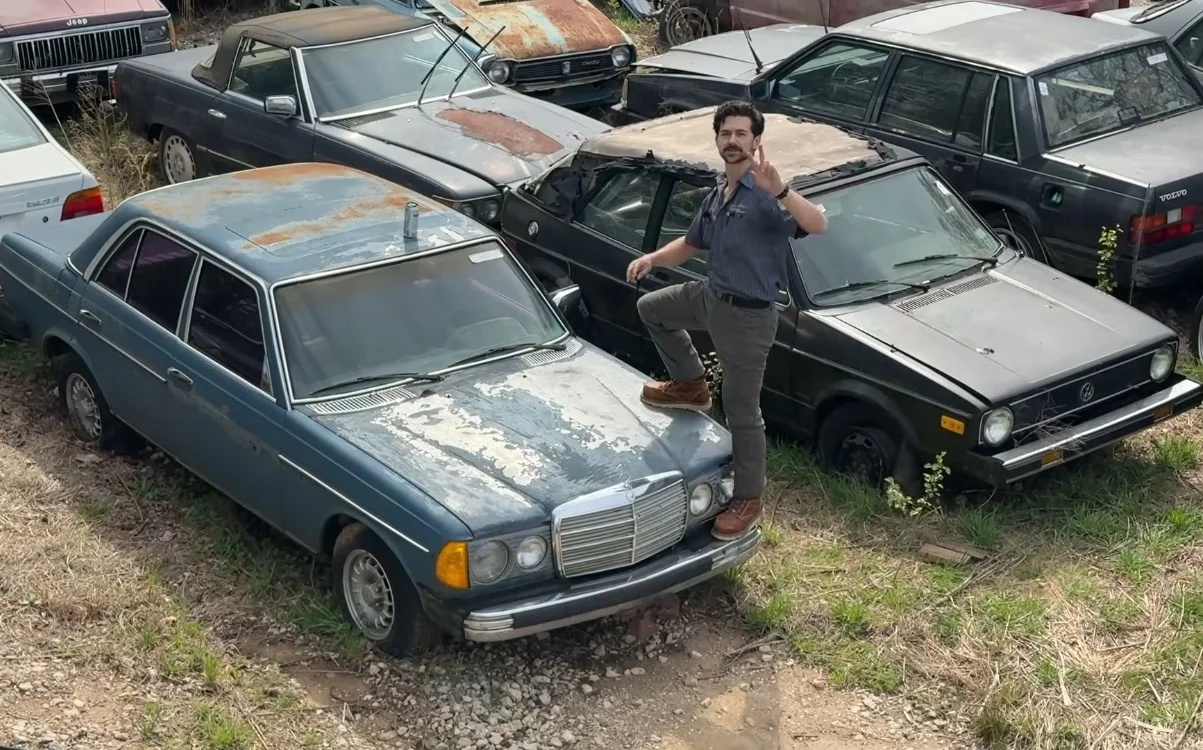
Man finds over 200 rare cars abandoned on a lot and tries to do the impossible in 8 hours with a surprise at the end.

This relationship between car and status helps explain why so many people immediately associate a more expensive vehicle with a stable financial life. The same logic helps to understand why, even in the face of increasingly high prices, the 0km car continues to be treated by many not just as a means of transportation, but as an instrument of social affirmation.
Expensive 0km car and increasing financed purchases
The escalation of prices appears as one of the central points of this picture. A basic popular car has already been positioned close to R$ 100 thousand, while automatic versions, like the cited example of the Ônix, have reached the range of R$ 119 thousand, and basic medium SUVs have started to be found for around R$ 130 thousand.
Even with this advancement, demand has not disappeared. Vehicle financing in Brazil has been reported as the highest since 2011, with an estimate of 5.3 million financed automobile sales between January and September 2025.
The data reinforces a movement where rising prices do not prevent purchases because access to credit continues to function as the main gateway. Instead of paying upfront, the buyer puts in an initial amount, trades in the used vehicle, and takes on long installments, often for 60 months.
In this logic, the full value of the vehicle gives way to the monthly installment. The calculation is made less around the total cost of the car and more around the installment that seems to fit the budget, even if this represents years of financial commitment.
High indebtedness changes the reading of cars on the streets
The picture of the streets has been directly related to the advancement of debts in the country. A survey by Serasa mentioned in the material shows that delinquency has reached 81.7 million Brazilians and has grown by 38% in ten years.
The circulation of expensive cars, therefore, cannot be automatically read as a sign of widespread enrichment. The presence of these vehicles coexists with a heavily indebted adult population, including among workers who do not have income compatible with the displayed standard.
The daily pressure faced by those living on lower incomes also factors into this equation. With minimum wage, rent, food, school supplies, medicines, gas, electricity, and other basic expenses, debt often arises from the need to keep the household functioning.
In the case of the car, however, the situation of the middle class stands out. Many of the vehicles seen as a sign of a comfortable life would be supported by financing, zeroed accounts, and little or no savings, which dismantles the idea that every driver of an expensive car has necessarily accumulated wealth.
The automobile as a symbol of status in Brazilian daily life
The symbolic strength of the automobile appears as a decisive piece to understand this consumption behavior. The car has been described as perhaps the asset that most conveys status in Brazil, precisely because it is permanently exposed and serves as a basis for quick judgments about income, success, and social class.
This reading includes the idea that the same car projects different images about who drives it. A sedan like the Corolla may evoke a more mature profile, while a lowered hatchback may convey a sporty and youthful image, even though none of these impressions truly reveal the financial situation of the person behind the wheel.
Advertising in the sector has been presented in this same key. Instead of selling just transportation, comfort, or engine, campaigns often associate vehicles with adventure, urban life, safety, family, independence, boldness, and confidence, transforming the car into a lifestyle package.
This construction helps explain why purchases often escape the strict logic of cost-benefit. The car has been classified as an irrational purchase, driven by desire, dreams, and social projection, and not just by the objective need for transportation.
High interest, long installments, and choices above budget
The continuity of purchases has also been related to the environment of high interest rates. Even with the basic rate in Brazil around 15%, the financed acquisition of vehicles continues to advance, indicating that the pressure of consumption and the availability of credit remain strong.
The central point raised is that the problem is not in financing as an instrument itself, but in using it to buy a car above the real payment capacity. In this situation, the consumer does not choose the automobile that fits the budget, but the one that delivers the image they wish to project.
It was in this context that the observation appeared that many buyers prefer to take on higher installments rather than opt for an older, cheaper, and functional car. The difference between need and appearance becomes decisive when a person exchanges financial security for a newer vehicle, even if this depletes their emergency savings and increases exposure to unforeseen events.
In addition to the installment, the calculation includes fuel, insurance, maintenance, and IPVA. The sum of these costs transforms the car into a permanent commitment, which weighs on the budget even after signing the financing contract.
Between the functional car and the car used to impress
For those with lower incomes, the suggested alternative was to seek an older vehicle, even in the 20-year range, reducing costs such as IPVA and avoiding installments that strain the budget. In this view, the ideal car is not the one that impresses on the street, but the one that fulfills the function of getting from point A to point B.
The established opposition is clear: on one side, the car that the person can actually maintain; on the other, the car they want to display so that others believe in a higher standard of living. This second path has been associated with long financing, alienation to the bank, and the risk of spending years paying for an asset that is not yet fully paid off.
Many drivers of medium SUVs and high-value vehicles may not have significant savings in the bank and may still be negotiating other debts. In this scenario, the new car ceases to be proof of financial stability and, in many cases, becomes merely the most visible face of silent indebtedness.
In the end, the image of the 0km car on the streets ceases to serve as automatic proof of enrichment. The presence of these vehicles may reveal, above all, the weight of credit, financing, and the pursuit of status over consumption decisions in Brazil.










Seja o primeiro a reagir!