





 Portuguese
  English
  Spanish
  4 min of reading
  0 comments


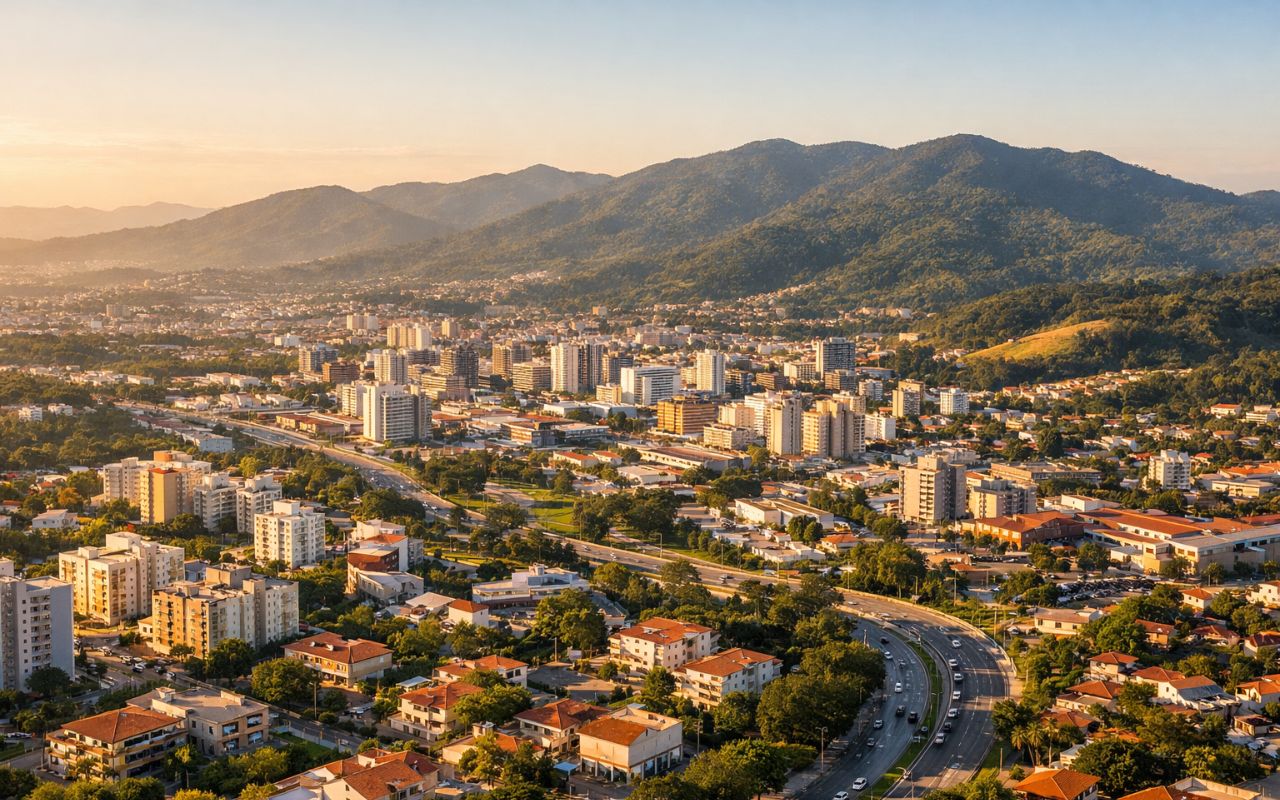
Jundiaí is recognized as a healthy Brazilian city, surpassing capitals in quality of life and combining preserved nature with complete infrastructure.
Located about 50 kilometers from the São Paulo capital, Jundiaí has been consolidating itself as one of the best Brazilian cities to live in. The municipality was internationally recognized as a healthy city through an initiative linked to the University of Toronto, in addition to ranking among the top positions in recent national rankings. This recognition is due to the combination of efficient urban infrastructure, environmental preservation, and high quality of life.
Furthermore, studies released in 2024 and 2025 placed Jundiaí among the best Brazilian cities in indicators such as sanitation, health, education, and safety. This scenario reinforces the strategic role of the city in the interior of São Paulo.
Rankings place Jundiaí among the best Brazilian cities
Two recent surveys helped consolidate Jundiaí’s position as a reference. The Municipal Management Challenges Index (IDGM) 2024 ranked the city in third place among the 100 largest in the country, highlighting sanitation and public safety.
-
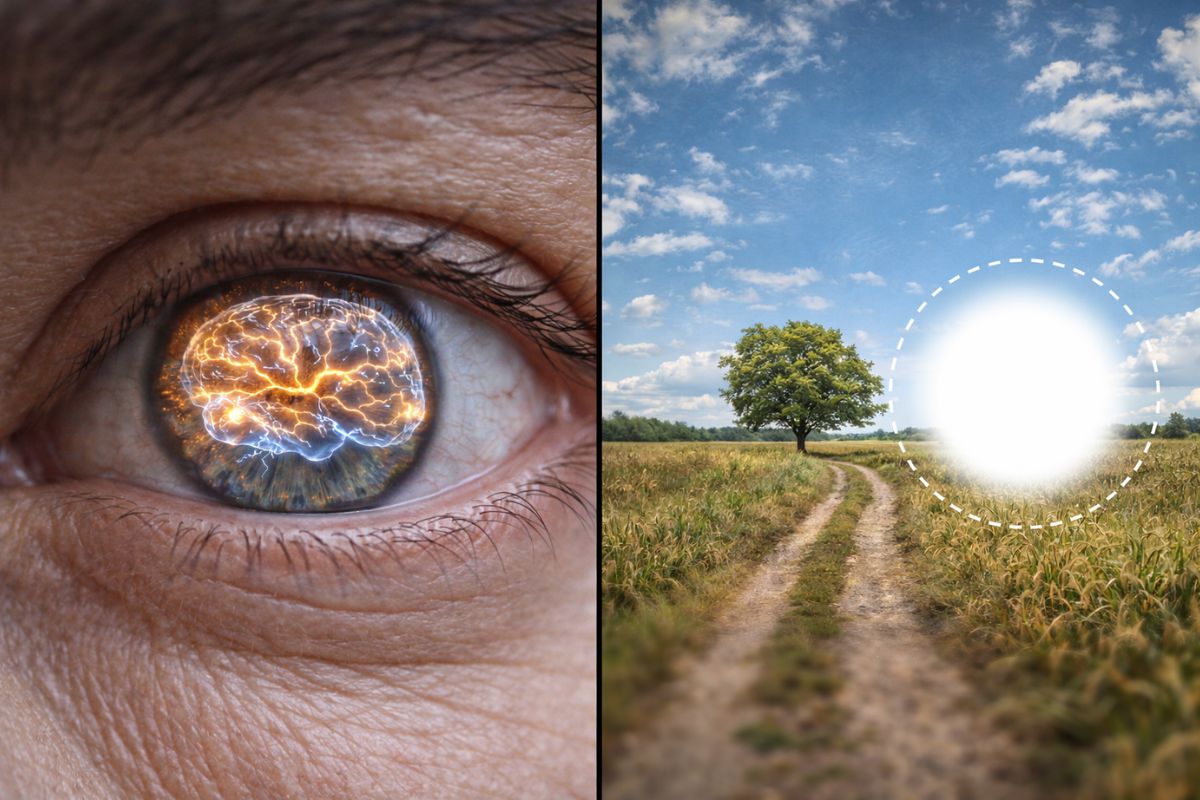
What you call vision is much more constructed by the brain than the eye lets it seem, because there is a blind spot in the retina that should create a hole in the image, but the mind fills everything in without you noticing.
-
From Napoleon to the lion of the Revenue: how the Income Tax was born in 1922, became the largest source of revenue in 1979, reached the floppy disk, and today generates R$ 2.88 trillion in Brazil.

-
With the new law, Brazilians can obtain a driver’s license at 16 years old; new rules for psychological exams, toxicological tests, speed enforcement, and the electronic free flow toll system will be discussed in the Chamber of Deputies.

-
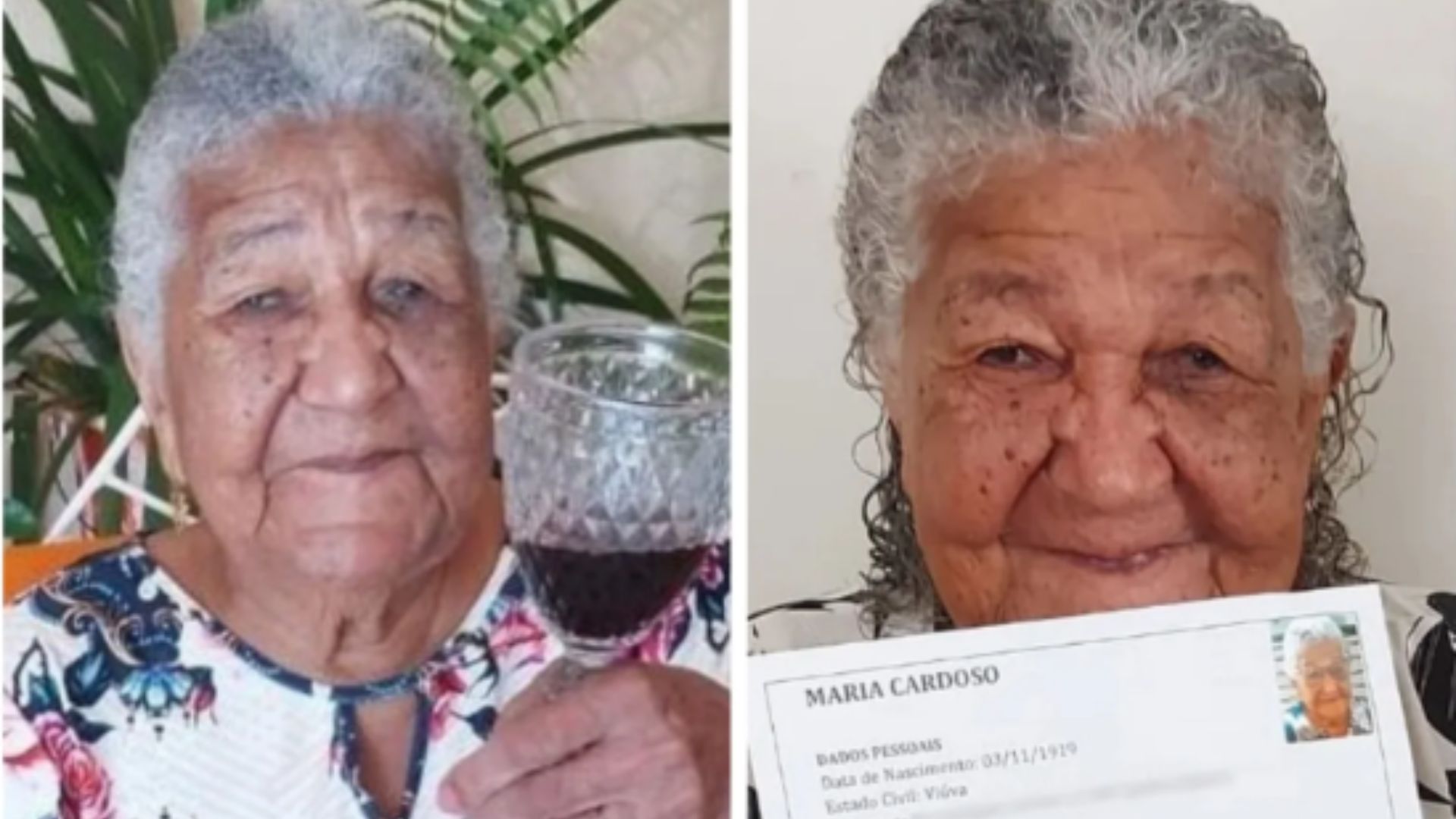
At 106 years old, Mrs. Maria decided to go back to work to continue buying her wines, but ended up being hired as an influencer by a brand and now calls herself the ‘most empowered grandma in the world.’
Meanwhile, the Social Progress Index (IPS) 2025 analyzed all Brazilian municipalities and confirmed the good performance. Jundiaí surpassed major urban centers such as Curitiba and Campinas in essential criteria.
This performance reinforces the status of the Brazilian city as an example of efficient management and balanced development.
Urban infrastructure explains the success of the Brazilian city
One of the main factors that highlight Jundiaí is the quality of urban infrastructure. More than 99% of residences have access to treated water and sewage collection.
Additionally, all urban streets are paved, which improves mobility and reduces common problems in other cities. These data demonstrate how urban planning directly contributes to quality of life.
Therefore, the combination of sanitation, safety, and public health was decisive for the international recognition of the Brazilian city.
Preserved nature is Jundiaí’s differential
Despite urban development, Jundiaí maintains a strong connection with nature. About 64% of the territory is composed of rural area, while 31% belongs to the protected area of Serra do Japi.
The Serra do Japi is considered one of the most important regions of preserved Atlantic Forest in the country. Recognized by UNESCO as a Biosphere Reserve since 1992, the area houses rich biodiversity and unique natural landscapes.
Moreover, the region features trails, viewpoints, and waterfalls accessible to the public, contributing to sustainable tourism.
Valued neighborhoods and urban quality of life
The urban organization is also reflected in the neighborhoods most sought after by residents. Areas such as Anhangabaú, Eloy Chaves, Vila Arens, and Malota offer complete infrastructure and easy access to major highways.
These neighborhoods combine characteristics of a big city with the tranquility of the countryside. Thus, residents find strong local commerce, short distances, and smoother traffic.

This balance makes Jundiaí an attractive Brazilian city for those seeking quality of life without giving up practicality.
Tourism and culture reinforce the identity of the Brazilian city
Jundiaí also stands out for tourism and cultural traditions. The so-called Fruit Circuit brings together wineries, rural properties, and gastronomic experiences linked to Italian culture.
One of the main events is the traditional Grape Festival, held since 1934. The celebration boosts the local economy and attracts visitors from various regions.
Additionally, urban parks such as the City Park and the Botanical Garden serve as leisure and community spaces for the population.
Climate favors outdoor activities year-round
The tropical highland climate is another factor that contributes to the quality of life in Jundiaí. Temperatures are balanced throughout the year, with hot summers and mild winters.
Here’s a climate summary:
- Summer (December to February): between 19°C and 30°C
- Autumn (March to May): between 15°C and 26°C
- Winter (June to August): between 10°C and 23°C
- Spring (September to November): between 14°C and 27°C
This scenario allows for enjoyment of both urban and natural areas at any time of the year.
Strategic location strengthens Jundiaí’s growth
Another strong point is the privileged location. The Brazilian city is connected to the São Paulo capital by the Anhanguera Highway and is also close to Campinas.
Additionally, public transportation facilitates daily commuting. The 7-Rubi line of the São Paulo Metropolitan Trains Company (CPTM) connects Jundiaí to downtown São Paulo in about an hour.
Therefore, the city manages to offer tranquility without giving up proximity to major economic centers.


With positive indicators, preserved nature, and complete infrastructure, Jundiaí stands out as one of the most balanced Brazilian cities. The municipality shows that it is possible to grow sustainably without losing quality of life.
Thus, the national and international recognition reinforces the city’s role as a reference for other regions of the country.
With information from Terra Brasil Notícia




Seja o primeiro a reagir!