





 Portuguese
  English
  Spanish
  5 min of reading
  0 comments


“`html
Billion-dollar investment in Londrina strengthens the food industry, increases wheat milling capacity, and consolidates the city as a strategic logistics hub in southern Brazil, generating jobs, planned industrial expansion, and integration with regional production chains.
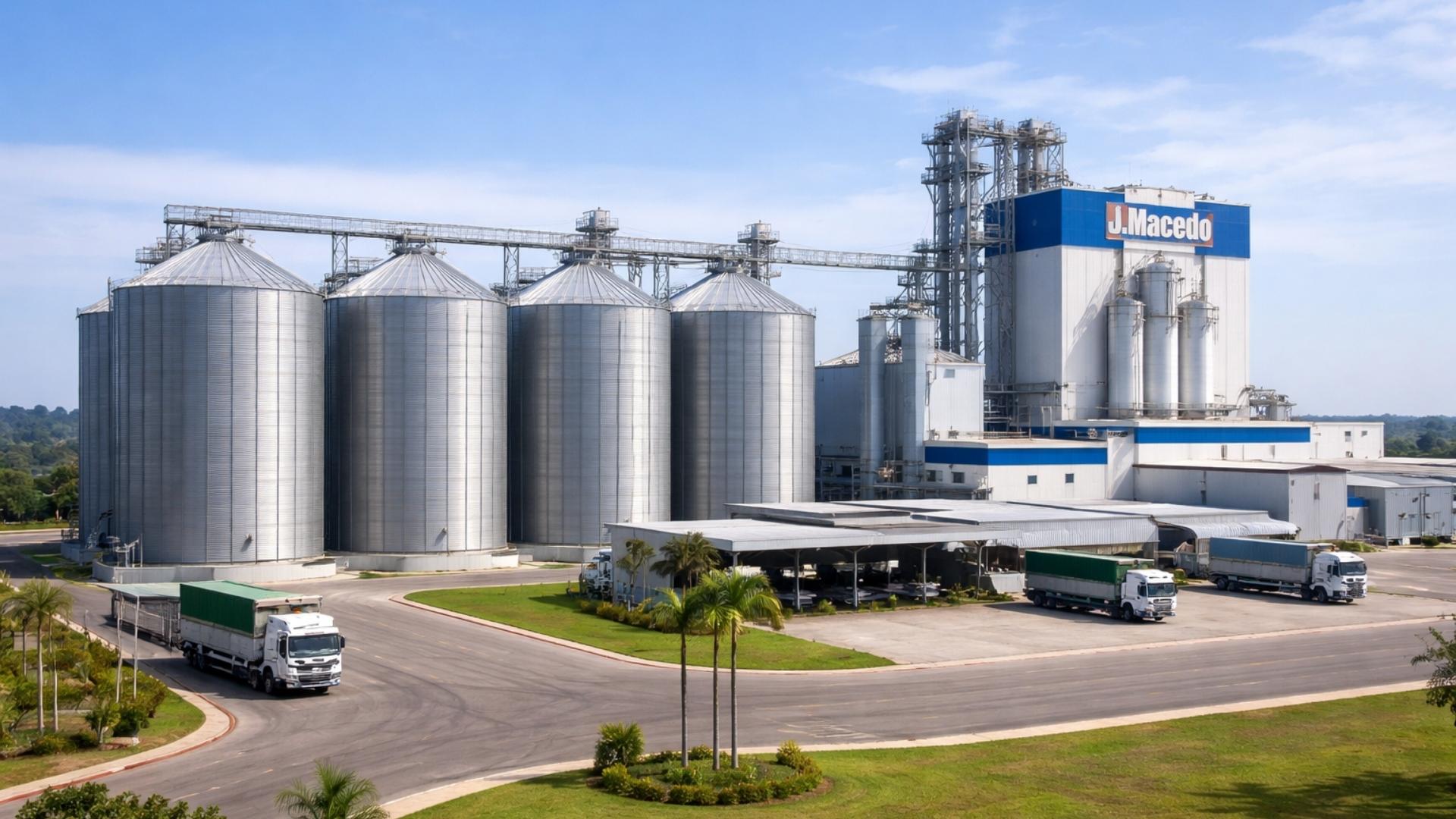
Londrina has become home to a new industrial complex from J.Macêdo, inaugurated on Thursday, March 26, 2026, with an investment of R$ 300 million and a capacity to process over 200,000 tons of wheat per year.
The unit, located in the northern region of Paraná, includes a mill, storage silos, and a distribution center, and is expected to enhance the company’s service to the South and Southeast regions.
-
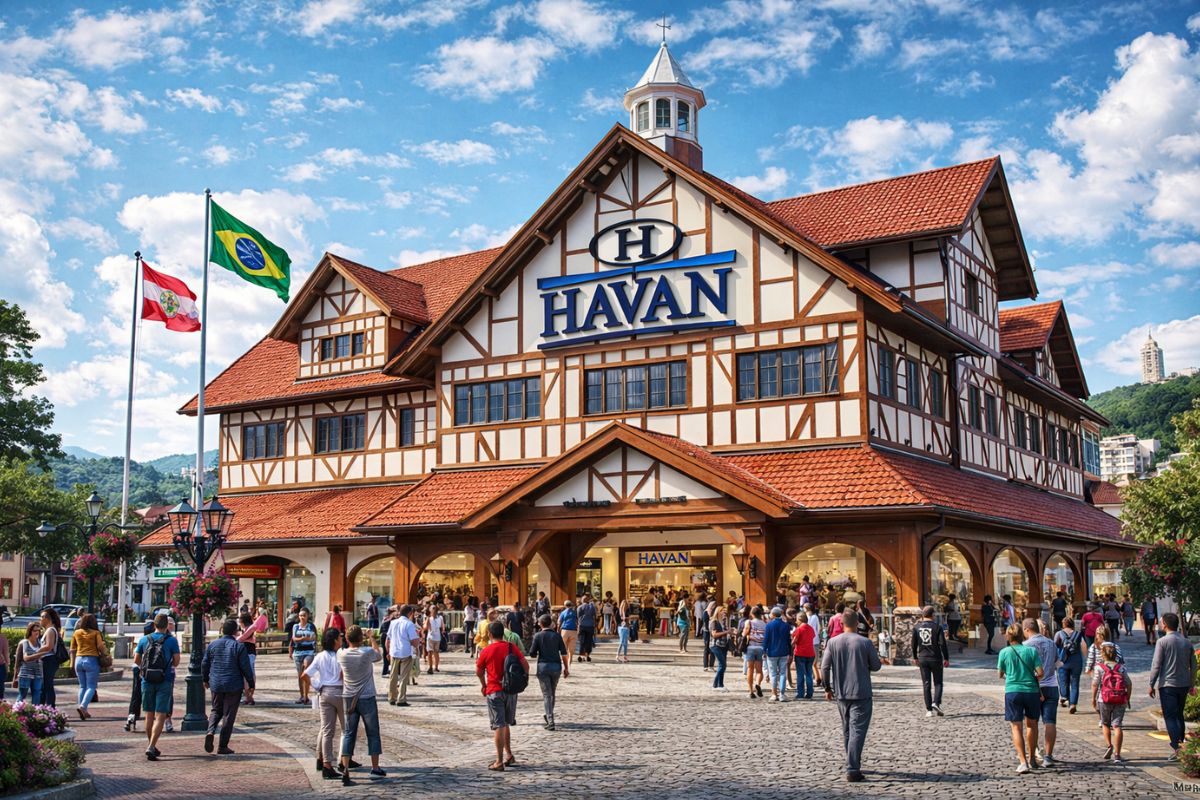
Havan will leave the shopping mall in Blumenau to inaugurate something the chain has never done before: a megastore in half-timbered style in the Historic Center of the city, which is expected to be ready in May and change the landscape of local retail.
-
Unemployment rises again to 5.8% at the beginning of 2026, raising alarms about the end of temporary positions and its impact on the Brazilian job market.

-
Document organization can cut invisible costs in small businesses, a simple step that prevents waste, rework, and losses in daily operations.

-
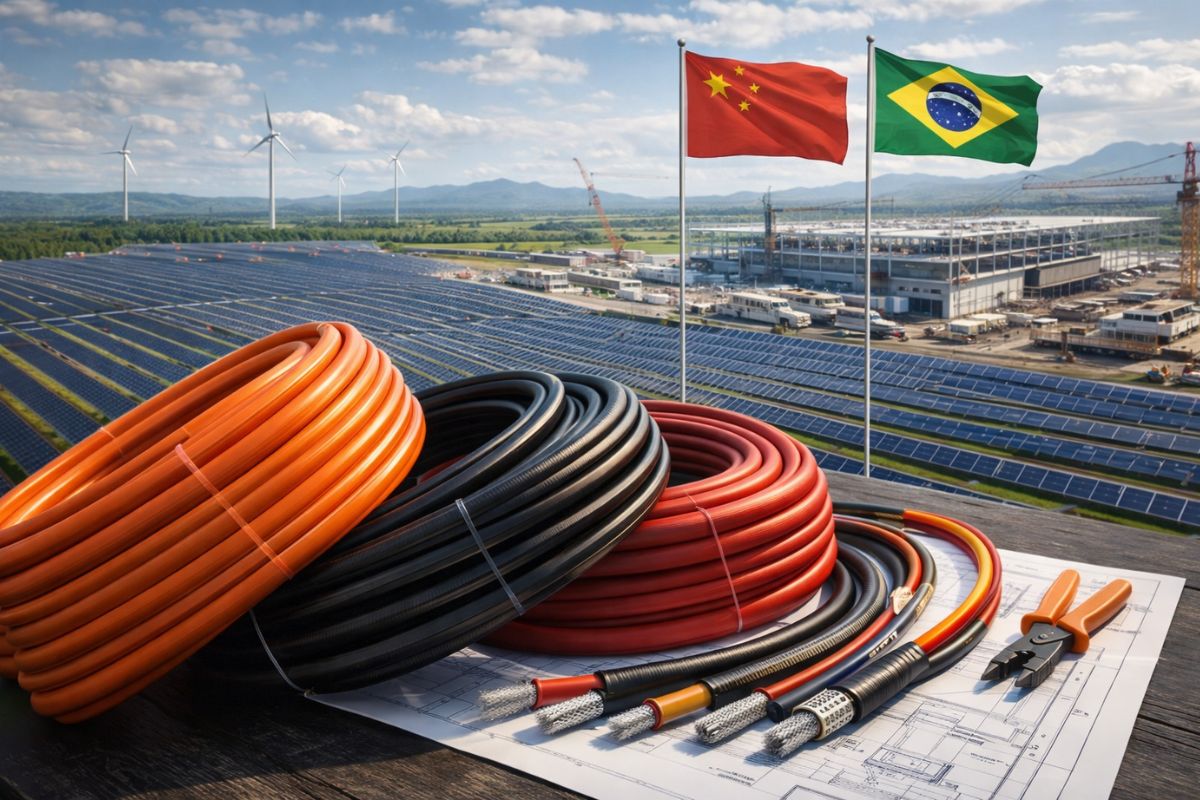
Chinese giant worth nearly R$ 4 billion that manufactures cables for electric cars, solar energy, and robotics wants to open a factory in SC.

The plant was established on an area of 276,000 square meters and began operations with about 200 employees.
According to the state government, the project was designed with a high level of automation and international-standard milling technology, as part of the company’s expansion strategy in the flour, pasta, and mixes market.
During the inauguration, Governor Carlos Massa Ratinho Junior associated the delivery with the recent advancement of industrial activity in the State.
He stated that Paraná registered, on the same day, other inaugurations of enterprises in different regions and said that the new J.Macêdo unit helps consolidate Londrina as a hub for job and income generation.
In a statement at the event, the governor said that the establishment of the industrial complex in Londrina occurs at a time of economic expansion in the State.
According to him, the movement to attract companies and open new plants has contributed to strengthening the productive base of Paraná and increasing the supply of formal job positions.
Mill capacity and industrial structure in Londrina
The core of the project is a mill built in a greenfield project, meaning it was constructed from scratch, with a capacity to process 660 tons of wheat per day.
Next to it, the silos can store up to 42,000 tons of grains, forming an integrated structure for receiving raw materials, milling, and shipping.
Additionally, the complex includes a distribution center that will function as the company’s logistics hub for the South and Southeast markets.
This arrangement was planned to support the unit in São José dos Campos, in the interior of São Paulo, where the company maintains production aimed at transforming flour into mixes and pasta.
The modular configuration of the plant also allows for future expansion without interrupting the already established operation.
According to the company itself and local authorities, the industrial design allows for gradual capacity increases, keeping Londrina on the radar for new investment stages in the coming years.
The CEO of J.Macêdo, Irineu José Pedrollo, stated that the unit was equipped with suppliers considered world references in milling technology.
According to him, the project aimed to combine product quality, operational safety, energy efficiency, and high automation, with reduced environmental impact.
Pedrollo also stated that the company’s goal is to increase Londrina’s significance within the national operation.
In his words, local participation was still “modest compared to its potential,” but the new investment makes the city more relevant in supplying the South and Southeast and may pave the way for the transfer of new industrial lines to the municipality.
Industrial expansion and new investments planned
J.Macêdo’s presence in Londrina is not recent.
The company has been operating in the city for over half a century, and the inauguration of the complex represents a significant scale jump compared to the previous operation.
At the event, Mayor Tiago Amaral stated that the new structure is just the first phase of a broader industrial expansion project.
According to the mayor, the plan envisions, in a future sequence, the expansion of the mill and the installation of factories for pasta, cookies, and a technology structure associated with the complex.
The statement was made in the context of the inauguration and reinforces local expectations that the current investment will serve as an anchor for a broader cycle of industrialization in the city.
The project also marks the arrival of the first plant to the new Industrial City of Londrina, an area being structured with the support of the Government of Paraná through the Secretary of Cities.
The works of the hub received an investment of R$ 38.7 million and had reached 83% completion in the last measurement released by the State.
This package includes earthworks, drainage, paving, urbanization, water and sewage networks, public lighting, technological testing, and complementary interventions.
The total area of the new industrial district is about 395,000 square meters, designed to increase the presence of manufacturing activity in a city whose economy is still heavily supported by commerce and services.
Infrastructure, logistics, and wheat production in Paraná
Another considered strategic axis is the road access to the new industrial park.
The state government reported that it plans to begin the duplication of Avenida Saul Elkind and Rua Joni Belai Aguiar, corridors that connect the region to the new industrial neighborhood.
The announced investment for this set is R$ 25.3 million, over a total length of 5.77 kilometers.
When announcing the intervention, the state secretary of Cities, Guto Silva, stated that the work was planned to facilitate the flow of production and improve the movement of workers.
The government’s assessment is that the surrounding infrastructure needs to keep pace with the arrival of new companies so that industrial expansion produces more lasting effects on employment and income.
The choice of Londrina to host the complex also aligns with the relevance of wheat in Paraná’s agricultural economy.
In the agricultural diagnosis for the 2023/2024 harvest, released by the state Secretary of Agriculture, Paraná appears as the second largest national producer of the cereal, with 1.1 million hectares, production of 2.3 million tons, and a Gross Value of Production of R$ 2.9 billion.
Founded in Ceará in 1939, J.Macêdo is one of the largest food companies in the country and maintains brands such as Dona Benta, Sol, Petybon, Brandini, and Boa Sorte, in addition to a portfolio aimed at the professional segment.
In its institutional channels, the company presents itself as a reference in wheat flour and mixes for cakes and also reports operations in pasta, yeasts, and other food categories.
“`






Seja o primeiro a reagir!