





 English
  Francês
  Alemão
  Italiano
  Japonês
  Norueguês
  Portuguese
  Spanish
  4 min of reading
  0 comments


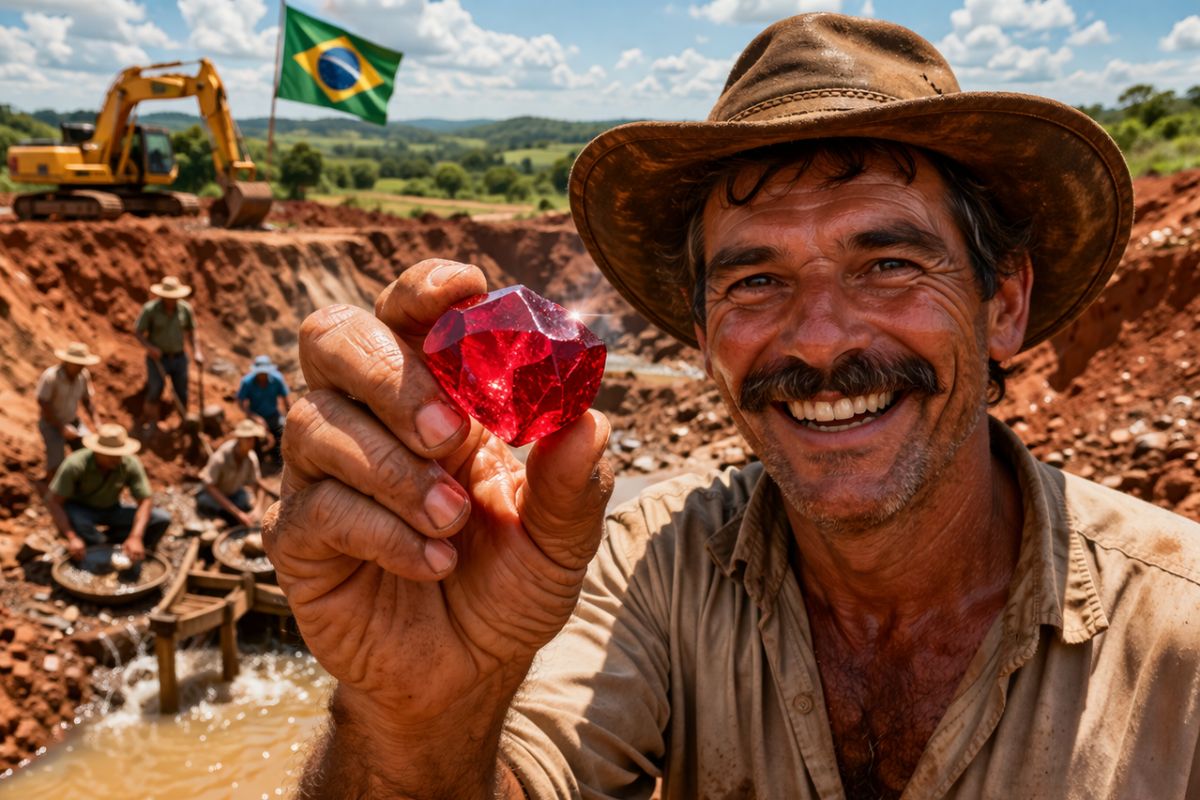
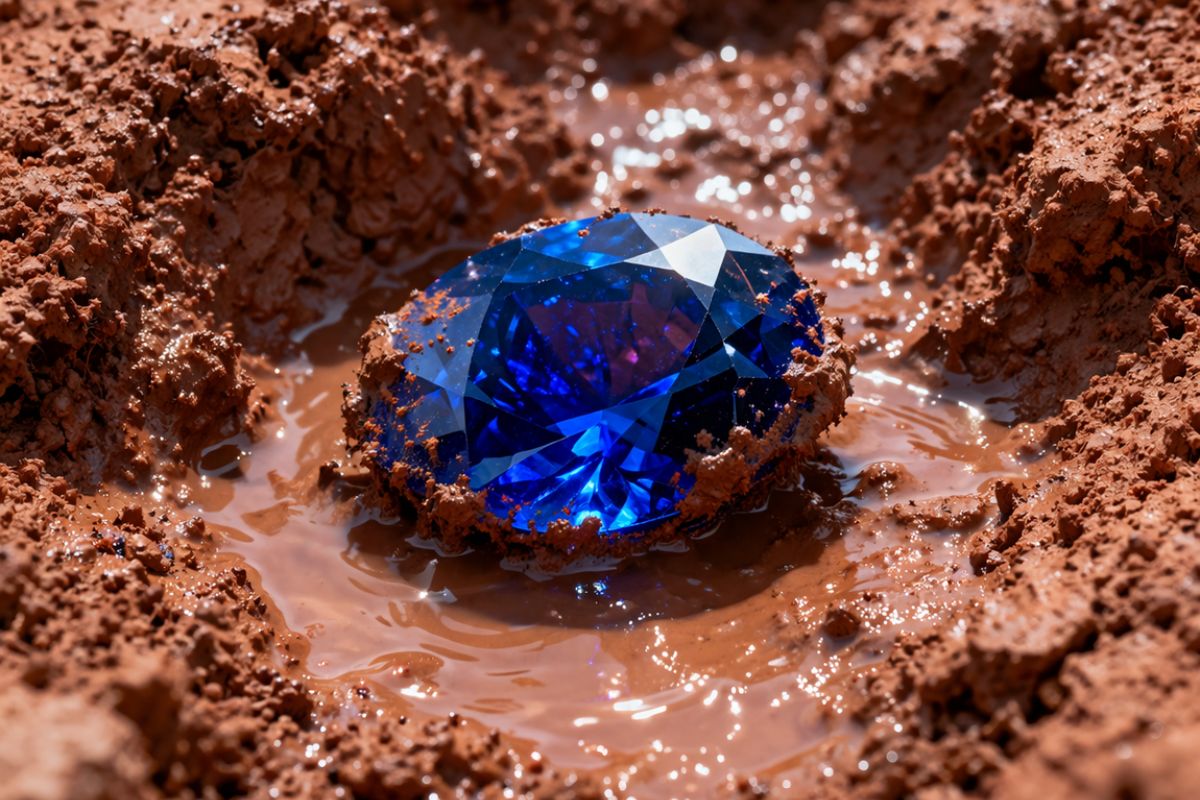
The red diamond is the greatest rarity in world gemology, with a value exceeding US$ 1 million per carat. The largest specimen ever found, the Moussaieff Red, weighs 5.11 carats and was discovered by a Brazilian farmer in the 1990s. The color arises from a deformation in the crystal structure caused by extreme pressures in the depths of the Earth.
The red diamond is considered the greatest rarity in the entire history of gemology. Unlike white, blue, or pink diamonds, which are rare but appear with some regularity, pure red diamonds are so scarce that only a handful of specimens are discovered per decade. The largest red diamond ever found in the world is the Moussaieff Red, a 5.11-carat stone discovered by a Brazilian farmer in the 1990s. With a market value exceeding US$ 1 million per carat, this gem represents the pinnacle of exclusivity in the world of precious stones.
What makes the red diamond unique is not only its scarcity but also the way it acquires its color. Unlike other colored diamonds, which owe their hues to chemical impurities, the red diamond obtains its color through a plastic deformation in the crystal structure. This phenomenon occurs under extreme pressures during the ascent of the diamond from the depths of the Earth to the surface. Molecular compression alters the way light passes through carbon and produces the intense red hue that fascinates experts and collectors.
How the red diamond acquires its color: the phenomenon of structural deformation

Most colored diamonds owe their colors to chemical impurities incorporated during crystallization. The blue diamond, for example, contains boron. The yellow contains nitrogen. The red diamond, however, contains no impurity responsible for its color.
-
Seen from space, a colossal ‘Y’ cuts through the largest desert in China, blending a jade-filled river, red and white mountains, and revealing the absurd scale of the transformation of the Taklamakan surrounded by a green wall with billions of trees.

-
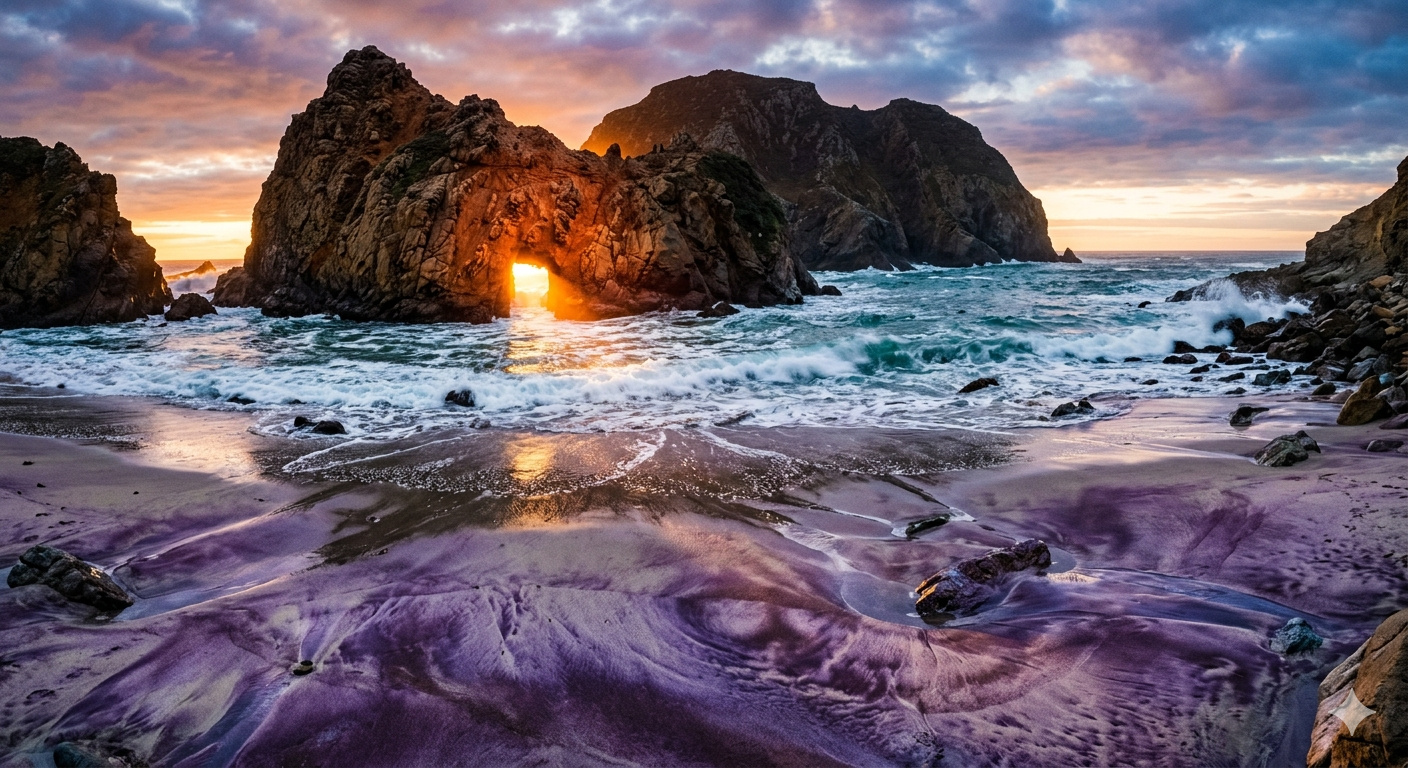
The Pacific Ocean reveals what the cliffs of Big Sur have hidden for millennia: Pfeiffer Beach, in California, features swirling purple sand formed by garnet crystals and displays a stone arch that is illuminated by the sun in winter for just a few days each year.
-
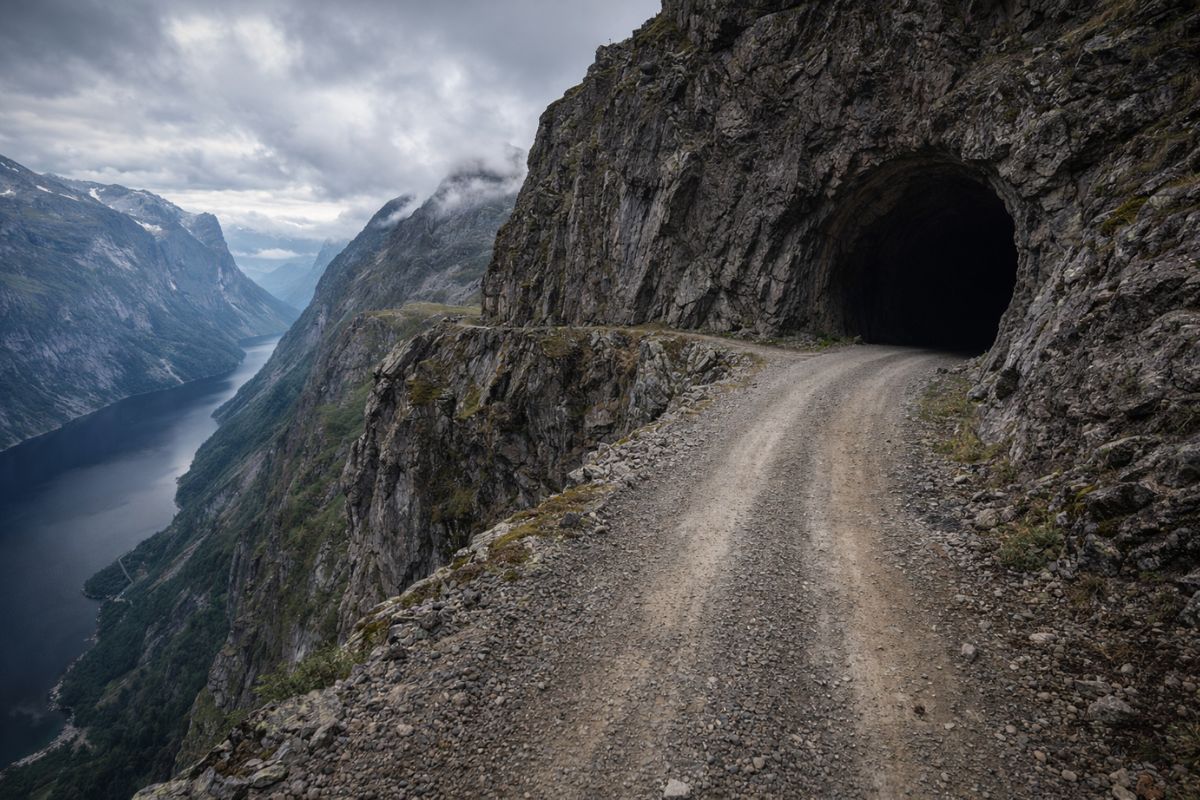
Aursjøvegen in Norway is a 100-kilometer gravel road that crosses chasms and dark tunnels carved into the rock at an altitude of 947 meters in the fjords and is only open for four months a year.
-
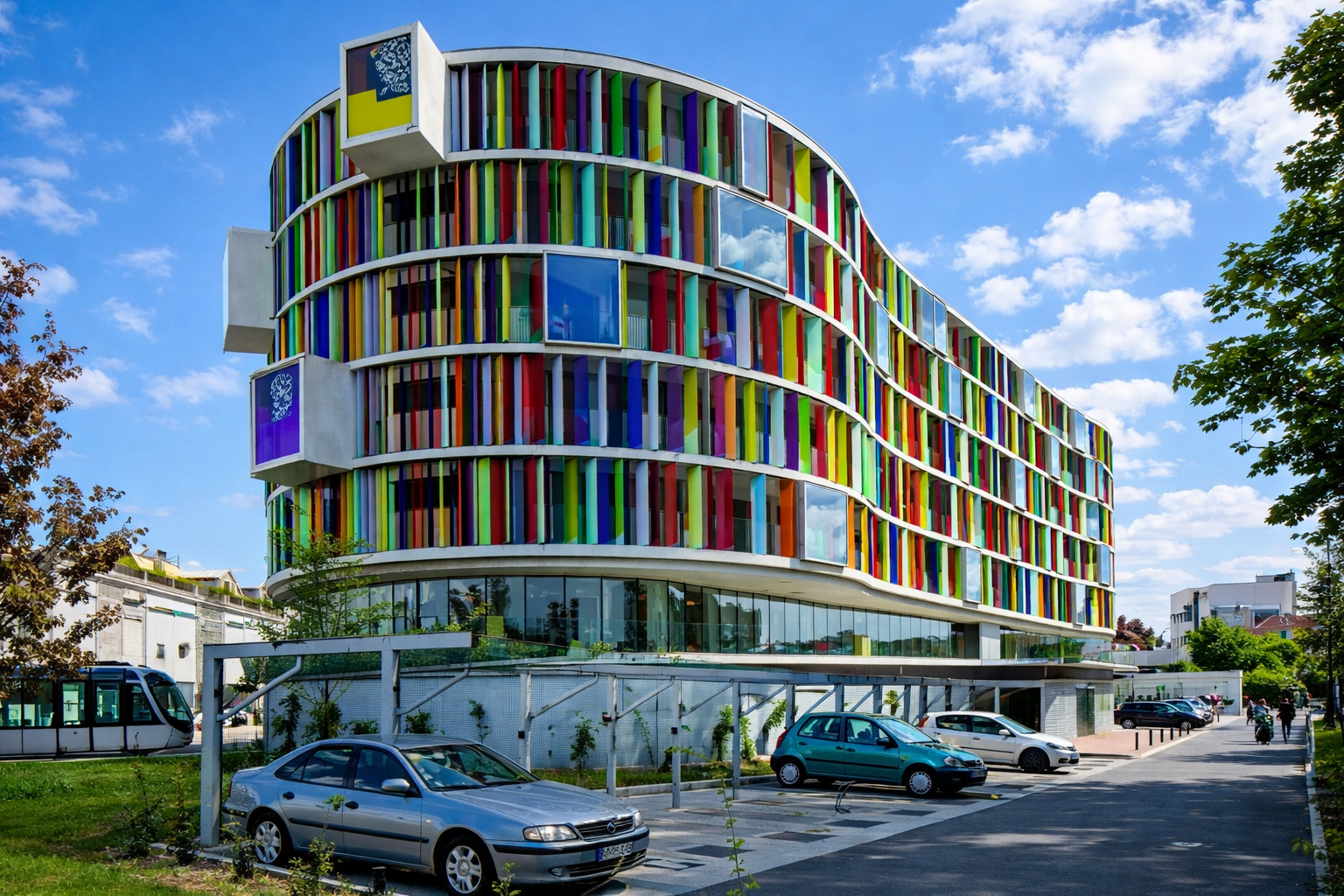
With about 4,000 m², the building constructed in a traditional neighborhood in France looks like a rainbow, has a colorful facade, mixes vibrant glass, and creates one of the most unusual visuals in Bordeaux.

What happens is a purely physical process: during the ascent from the depths of the Earth, the carbon crystal undergoes such intense pressures that its molecular structure deforms. This deformation alters light absorption and produces red.
According to studies from the Geosciences Museum of USP, this deformation must occur under extremely specific conditions of pressure and temperature to generate the pure red hue.
Any variation in these conditions can result in a pink diamond instead of red, which explains why the red diamond is much rarer than the pink one. Science understands the mechanism, but reproducing it artificially with the same quality remains a challenge.
The Moussaieff Red: the largest red diamond in the world, found in Brazil

The most iconic specimen in history is the Moussaieff Red, a 5.11-carat red diamond that was found by a farmer on Brazilian soil in the 1990s. The original rough stone weighed 13.9 carats and was cut into a brilliant triangular shape, resulting in the final 5.11 carats.
The Moussaieff Red received the Fancy Red classification from the Gemological Institute of America (GIA), the highest possible for color intensity.
Another famous red diamond is the Hancock Red, known for being one of the first to reach record prices at international auctions. The Hancock red diamond was sold for over US$ 926,000 per carat in 1987, an absolute record for the time.
These specimens demonstrate that the red diamond is not just a geological curiosity, but a financial asset for protection with a value that only increases as supply diminishes.
Where red diamonds are found and why the source is drying up
The vast majority of the world’s red diamonds have been extracted from the Argyle mine in Australia. This mine recently ceased operations and remains the main reference for the highest quality stones.
With the closure of Argyle, the most reliable source of red diamonds has ceased to exist, which further pressures prices upwards.
There are records of occasional discoveries of red diamonds in Brazil and African countries, but no deposit has shown the consistency of the Australian mine. The Moussaieff Red, found in Brazil, was an isolated discovery.
The geographical scarcity is the factor that sustains the continuous appreciation of the red diamond in the global luxury market. With virtually non-existent supply, each new specimen discovered automatically becomes a global event in gemology.
How much is a red diamond worth and what defines its price
The price of a red diamond is determined by color intensity, purity, and weight in carats. Specimens over one carat are considered world treasures.
The market value of the red diamond exceeds US$ 1 million per carat, placing it far above any other variety of colored diamond. For comparison, the blue diamond is worth between US$ 200,000 and US$ 500,000 per carat, and the pink between US$ 50,000 and US$ 100,000.
Certification from laboratories such as the GIA is essential to validate the authenticity of a red diamond. The hue must be pure red as the primary color, without secondary tones, and the saturation must be as vivid as possible.
Investors see the red diamond as an extremely safe financial protection asset, as supply is virtually non-existent and demand only grows. The red diamond continues to be the greatest enigma of geology, uniting beauty and value that challenge global economic standards.
A 5.11-carat red diamond found by a Brazilian farmer, worth over US$ 1 million per carat: did you know this stone existed? Tell us in the comments what you think of this rarity and if you know of other precious stones discovered in Brazil.








Seja o primeiro a reagir!