





 Portuguese
  English
  Spanish
  4 min of reading
  1 comment


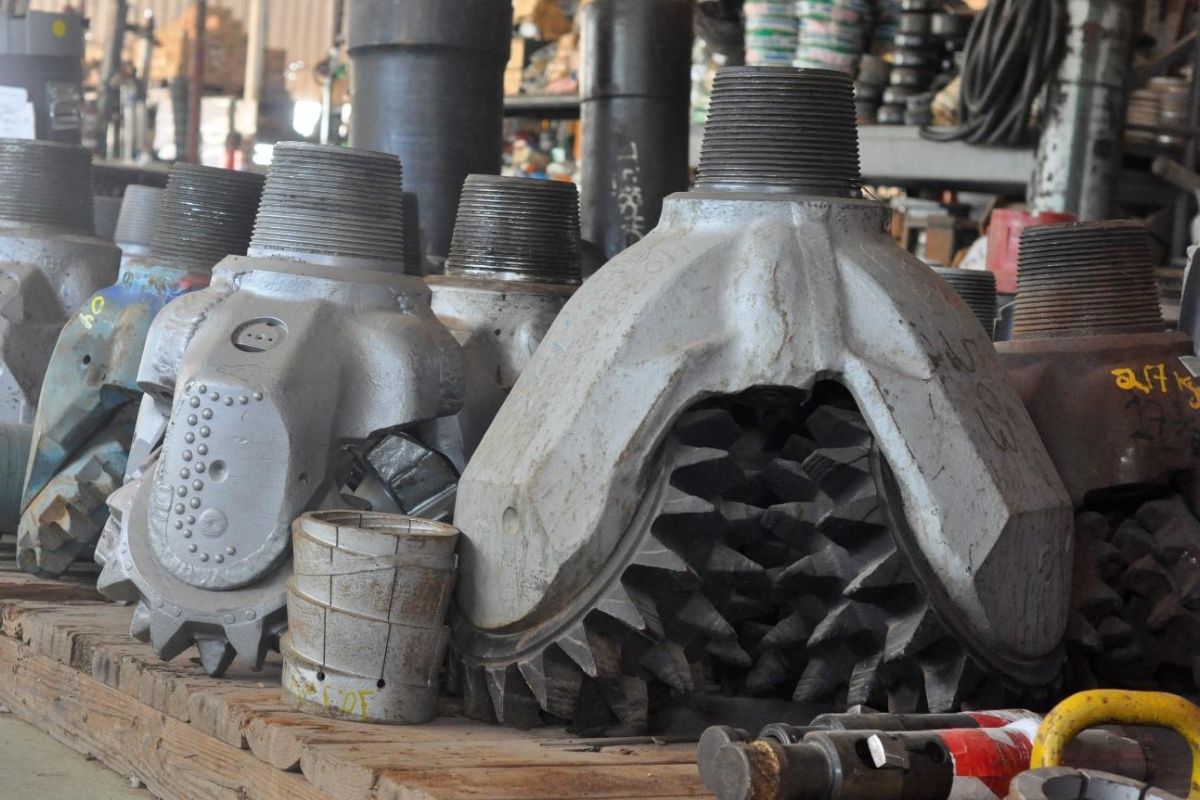


The Technology That Must Cross 2,000 Meters of Water and Another 5,000 Meters of Rock and Salt Reduced Drilling Time to Just 18 Days and Solidified the Company’s Global Leadership.
Oil exploration in Brazil’s pre-salt is one of the most complex engineering operations in the world. To reach the reserves, one must overcome a chasm of more than 7,000 meters, a journey that begins with a drilling bit for a Pre-Salt well. This tool is the spearhead of a technological ecosystem that Petrobras has developed to overcome extreme challenges.
The success of this endeavor is not due to a single invention, but to a set of innovations ranging from the design of the bit to the use of real-time artificial intelligence. This technology has turned Petrobras into a global leader, breaking production records and achieving ultra-competitive extraction costs.
Crossing 2,000 Meters of Water and the Unstable Salt Layer
Drilling a well in the pre-salt means facing a hostile environment. First, operations occur in ultra-deep waters, with a water column exceeding 2,000 meters. The distance from the coast, which can reach 400 km, adds a tremendous logistical challenge.
-
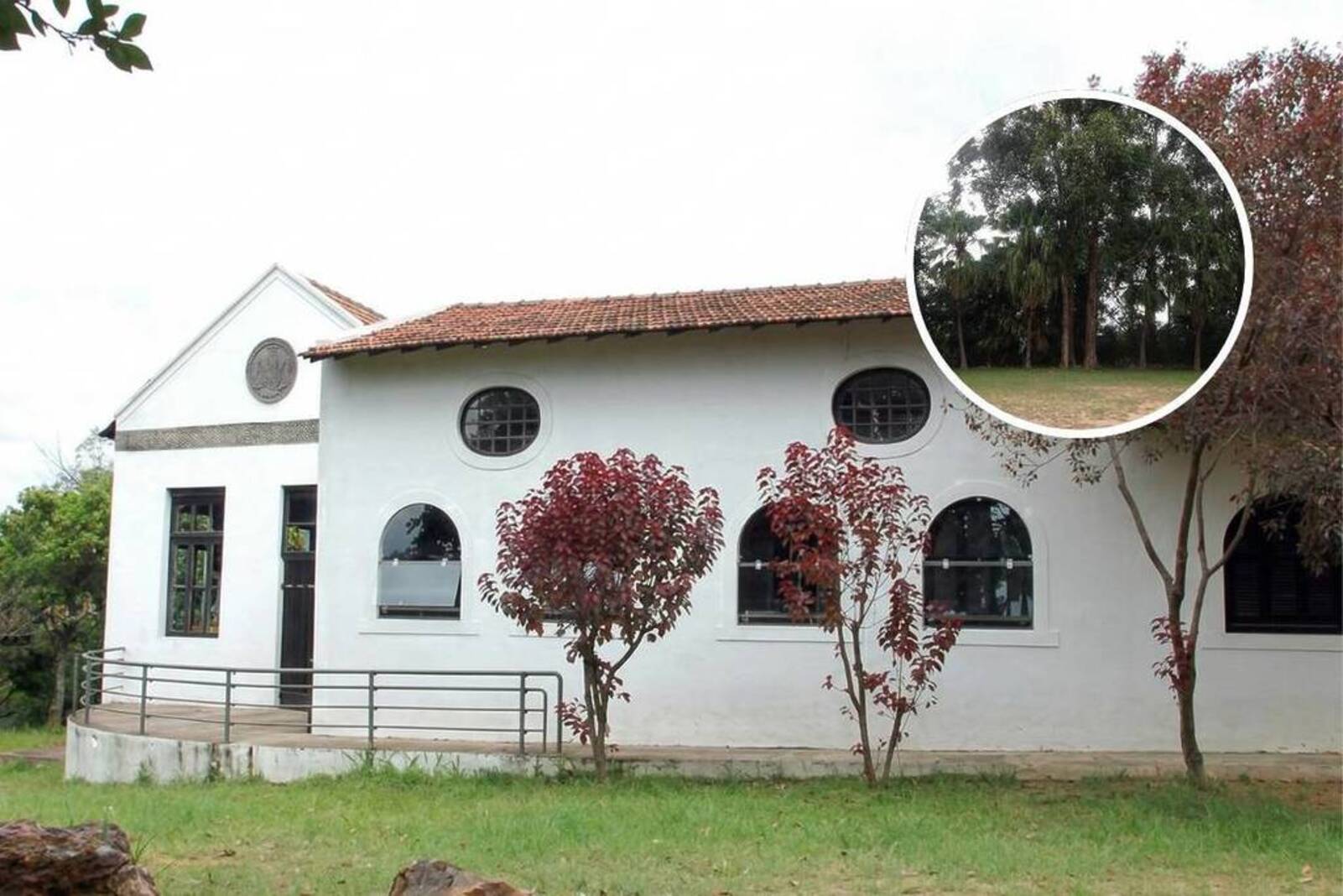
After 14 years of waiting, a rammed earth mansion built in 1702 in the North Zone of São Paulo will become a park with leisure facilities and green areas, with a million-dollar investment.
-
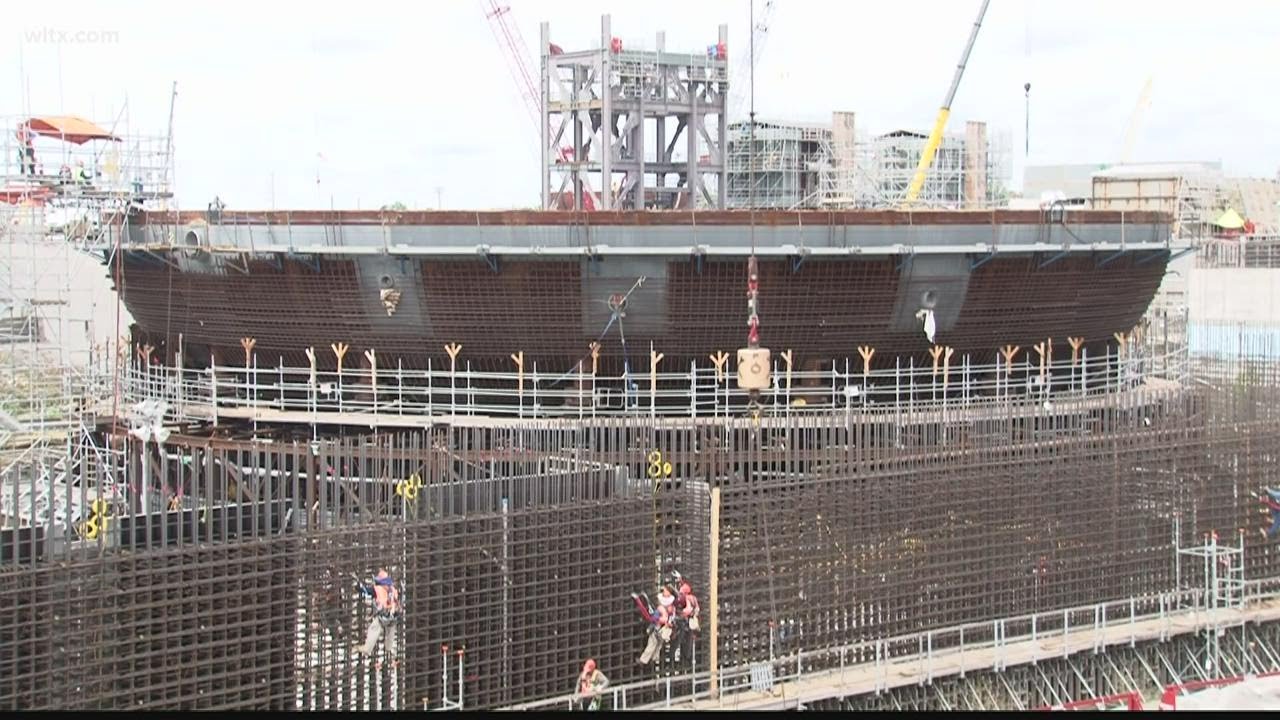
With 2 unfinished nuclear reactors, up to 25 billion in costs, and proven fraud, the Nukegate case has left 800,000 consumers still paying today for energy that will never be produced.
-
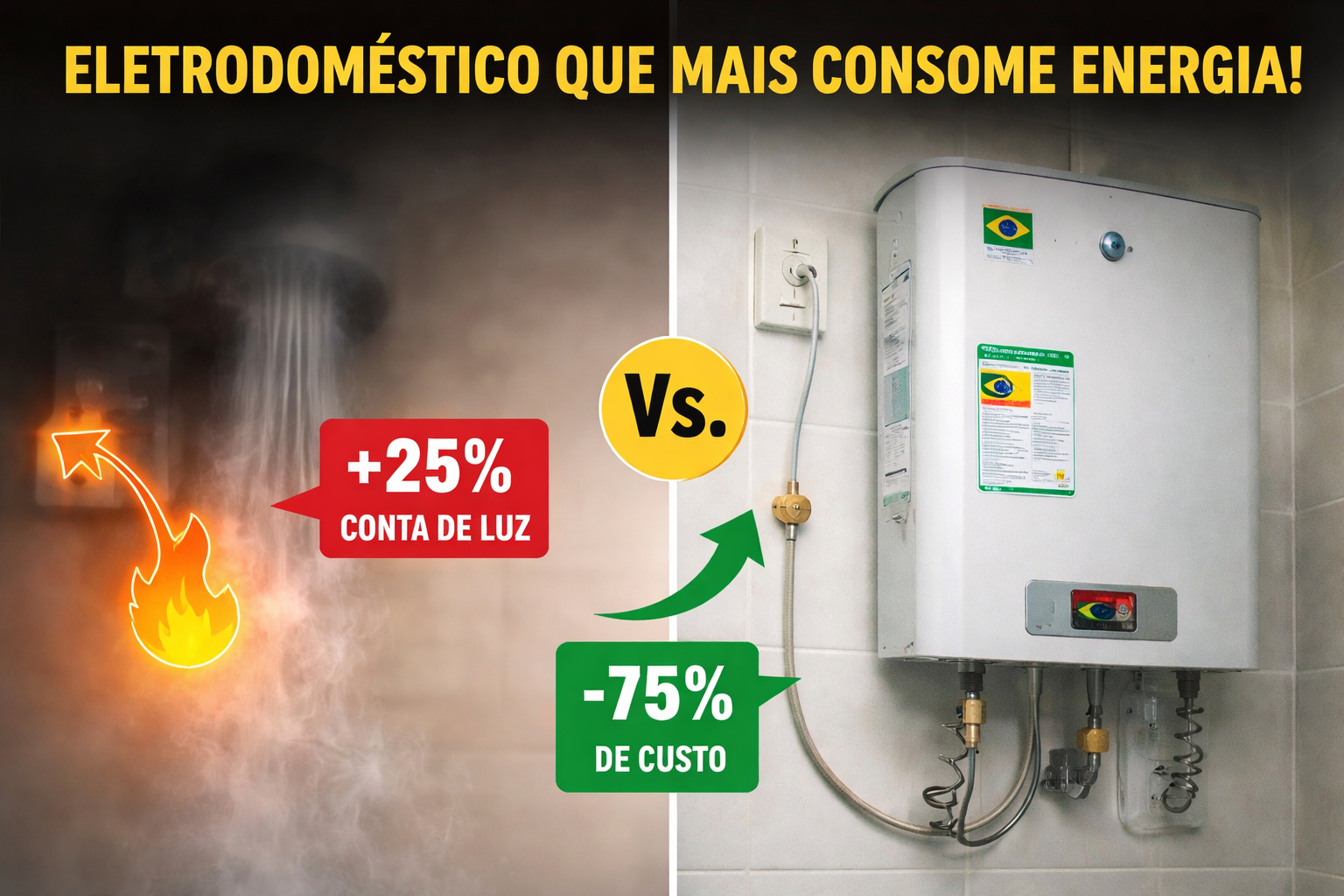
The household appliance that consumes the most energy in Brazilian homes is not the air conditioner; it is located in the smallest room of the house, is used daily, and can account for up to 25% of the electricity bill, while an alternative in the same outlet can reduce this cost by up to 75%.
-
Son of a seamstress from the rural area of Ceará who did not speak English wins a scholarship of over 2 million reais at Williams College, one of the top 10 universities in the United States, covering everything including dormitory, meals, and annual trips to Brazil.


Below the seabed, the most well-known obstacle is the salt layer, which can reach 2,000 meters in thickness. This salt is not a static rock; it behaves plastically, “flowing” and exerting intense and uneven pressure on the well, which can cause its collapse. Below the salt, the challenge continues with extremely hard, abrasive, and heterogeneous carbonate rocks, which generate severe vibrations and rapidly wear out the tools.
From Conventional Bit to Hybrid and Diamond Technology
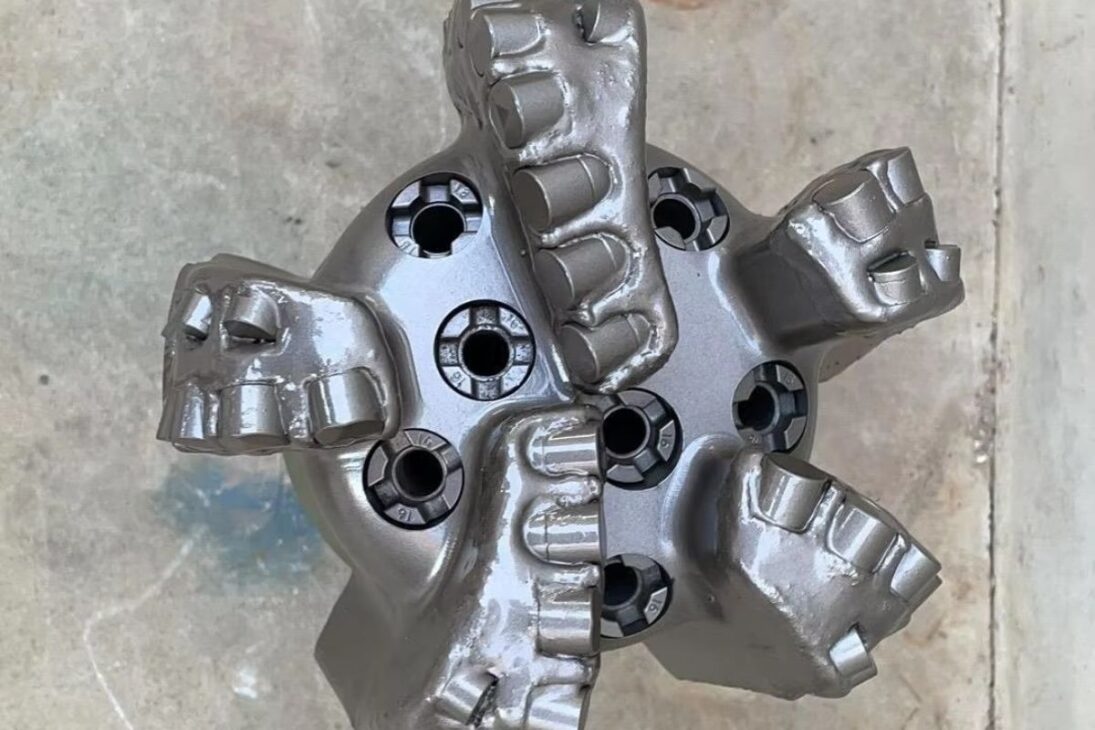
Initially, conventional PDC (Polycrystalline Diamond Compact) bits, the industry standard, simply failed in the pre-salt. They suffered premature wear and catastrophic damage in the hard rocks, requiring multiple costly trips for equipment replacement.
Petrobras’s response, in partnership with suppliers, was an intense campaign of innovation:
Customized PDC Bits: Customized PDC bits with impact- and abrasion-resistant cutters were developed, specifically designed for the geology of the pre-salt.
Diamond Bits: For the hardest rocks, the solution was to use diamond-impregnated bits, which operate by grinding the rock rather than cutting it. A national innovation from CVDVale, developed bits with even more resistant synthetic diamonds (CVD).
The Hybrid Bit Revolution: The most significant change was the introduction of the hybrid bit. This technology combines the cutting action of PDC bits with the crushing action of roller cones, drastically increasing drilling speed and, crucially, reducing dangerous vibrations by up to 50%.
More Than a Bit: The Integrated System That Prevented Losses of US$ 130 Million
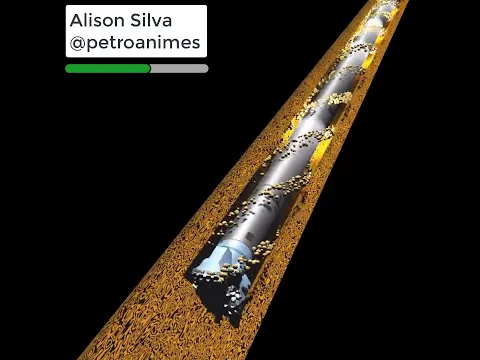
The success of the drilling bit for a Pre-Salt well depends on a complex support system working together. The bit is only the spearhead.
One of the pillars of this structure is the Managed Pressure Drilling (MPD), essential technology for safely navigating the narrow pressure window of the well, avoiding collapses or fractures in the rock. Advanced drilling fluids have also been developed to ensure well stability amid the moving salt layer.
However, the digital technology was the game changer. Petrobras developed a proprietary real-time drilling advisory system. Using a “digital twin,” the system compares drilling data with ideal simulations and predicts problems before they occur. Between 2014 and 2019, this system avoided more than 100 incidents, generating savings of 130 million dollars by preventing non-productive downtime.
Wells Drilled in 18 Days and Record Production
The application of this technological ecosystem has resulted in world-class performance. The time to complete a well, which previously took months, has been drastically reduced. Petrobras has already broken successive records, with the fastest pre-salt well drilled in just 18 days.
This efficiency has driven production to massive levels. Today, the pre-salt accounts for approximately 80% of Petrobras’s total production. Giant fields like Tupi, Búzios, and Mero are among the most productive in the world. Búzios field, the largest in deep waters on the planet, aims to produce 2 million barrels per day by 2030. This efficiency is reflected in costs, with an extraction cost (lifting cost) in the pre-salt between 13 and 19 dollars per barrel, one of the lowest in the world.
How Petrobras Became a World Leader in Ultra-Deep Waters

Petrobras’s leadership in the pre-salt is not due to a single technology but to the creation of a “technological moat”—a difficult to replicate innovation ecosystem for competitors. The company combines the power of its supercomputers, the most powerful in Latin America, to model reservoirs, with the efforts of its research center (CENPES) and partnerships with universities and global suppliers.
This strategy has allowed Petrobras to not only solve a problem but to master a new frontier. The journey of the drilling bit for a Pre-Salt well, from a common tool to a precision engineering system, mirrors Petrobras’s transformation into a global technological powerhouse.





Toda essa tecnologia proprietária passará de graça às empresas transnacionais, quando “o trem da alegria dos patriotas” entregar o que resta da Petrobrás, com vantagens inconfessáveis aos entreguistas.
Às vezes aparecem jóias e relógios de marca, os receptadores podem ate ser presos – serão? – mas o estrago já estará feito.