





 Portuguese
  English
  Spanish
  3 min of reading
  2 comments


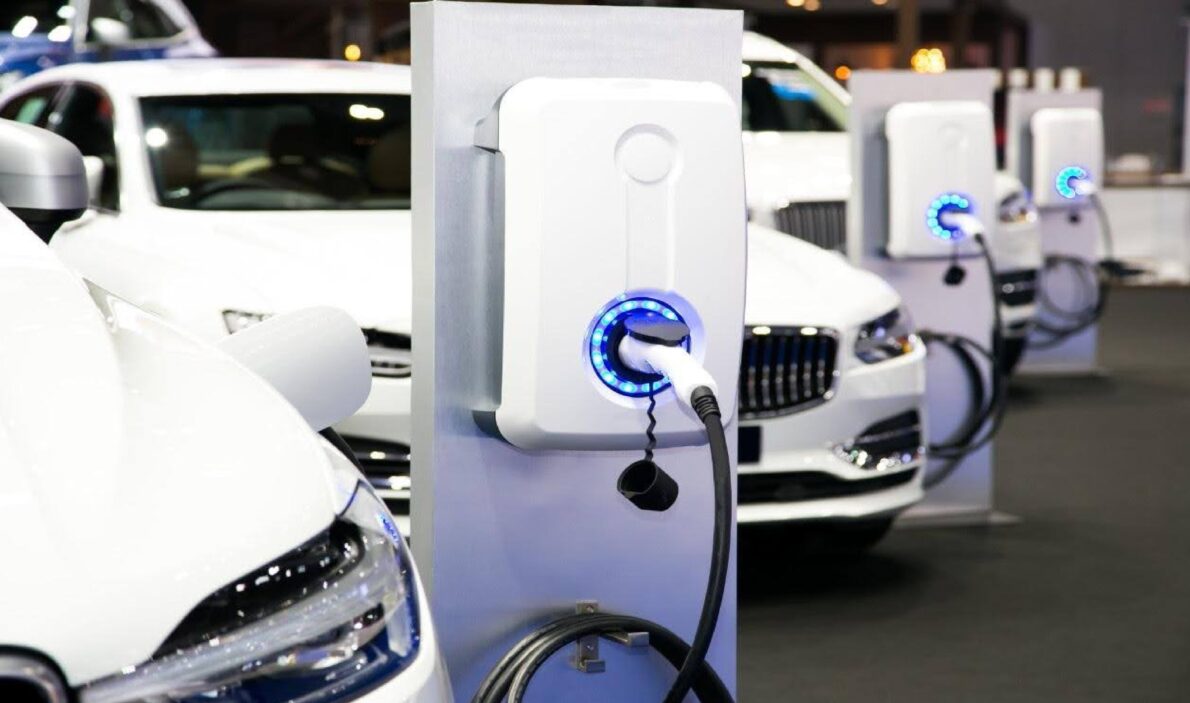

Unveiling The World Of Electric And Hybrid Cars In Brazil: What You Need To Know Before Making The Choice
As the popularity of electric cars grows, so do the expectations and doubts about their real advantages and challenges. While many consider electric vehicles a promising and eco-friendly alternative, the truth about their use can be quite different from what one imagines. Learn more about what it’s like to own one, how to operate electric vehicles and understand how to “adopt” an electric car in the current scenario, according to the video from Atila Lamarino’s channel.
Expectations Vs. Reality
When Chinese electric cars began to be announced in 2023, offering well-equipped models for up to R$ 150,000, many believed it was the ideal time to acquire an electric car. However, after conducting research and comparisons, some signs emerged that the experience of driving an electric car in Brazil could be more complicated than one imagines, even in cities with better infrastructure, like São Paulo.


For example, when looking for used electric cars, vehicles with fewer than 10,000 km driven were found being sold for up to R$ 100,000 less than the price of a new one. This suggests that the experience with these vehicles was so unsatisfactory for some owners that they opted to sell them quickly, even assuming a significant financial loss.
-
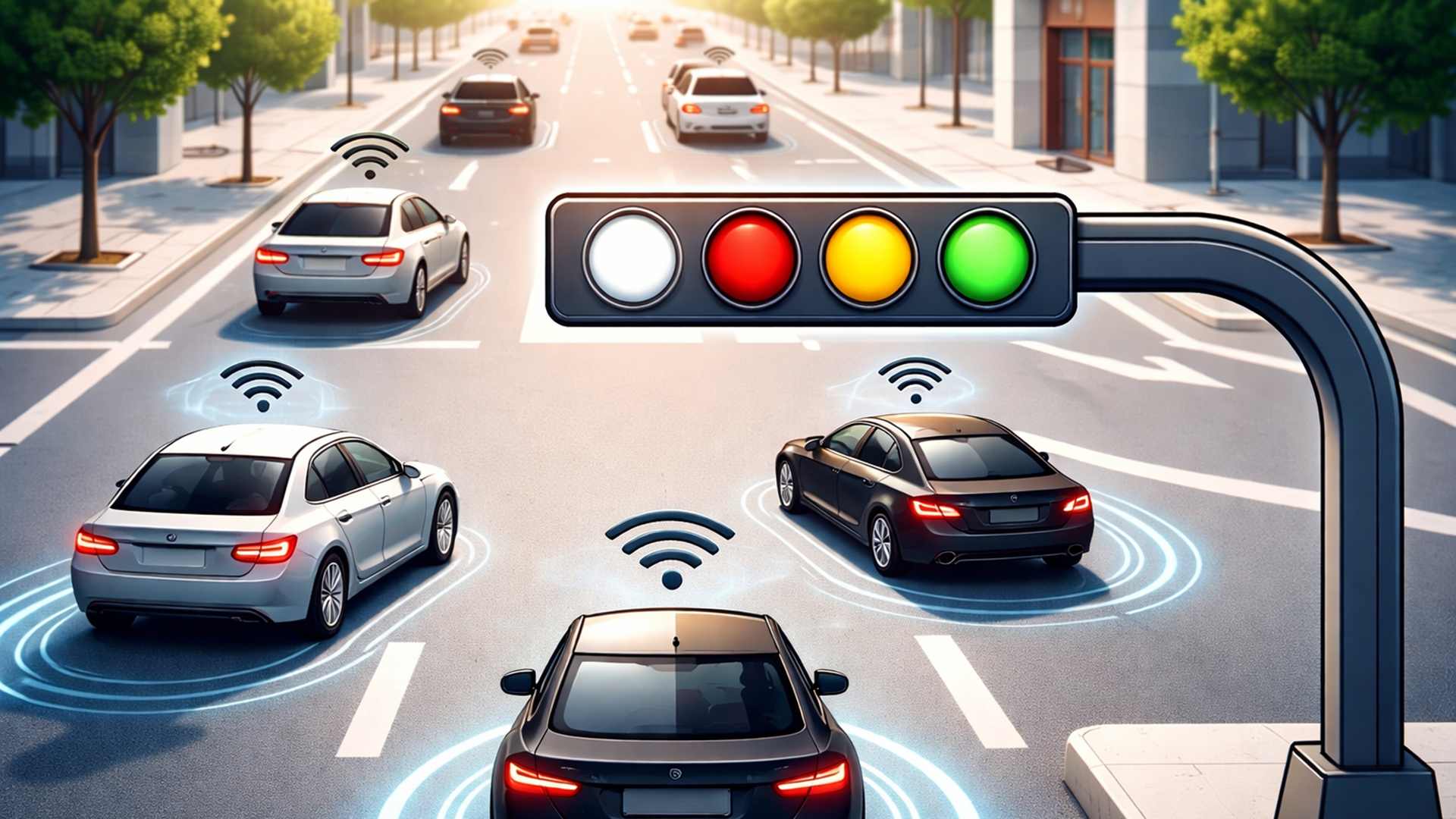
Engineers propose a fourth traffic light for intersections – the change promises to affect crossings, queues, and waiting times.
-
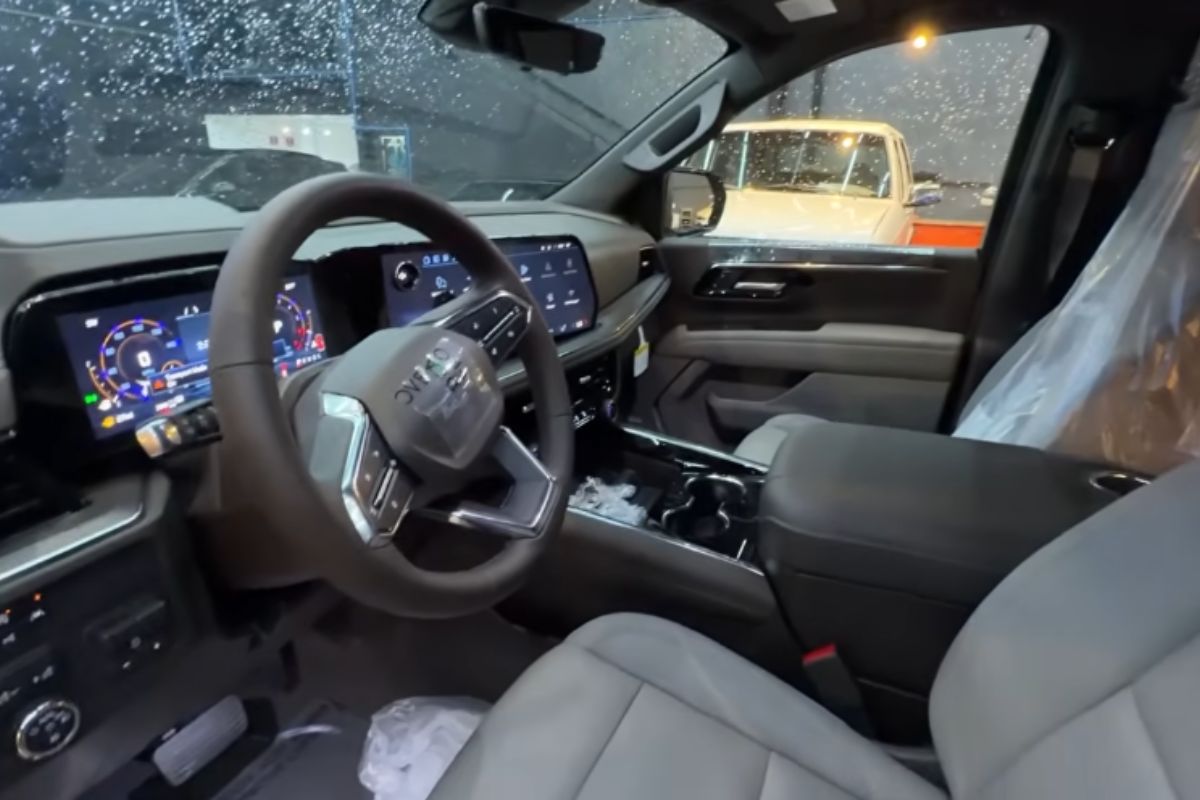
Chevrolet Suburban Z71 lands in Brazil with a V8 engine, off-road design, air suspension, seven seats, and colossal size, a rare version imported for around R$ 1.3 million with luxury and exclusivity.
-
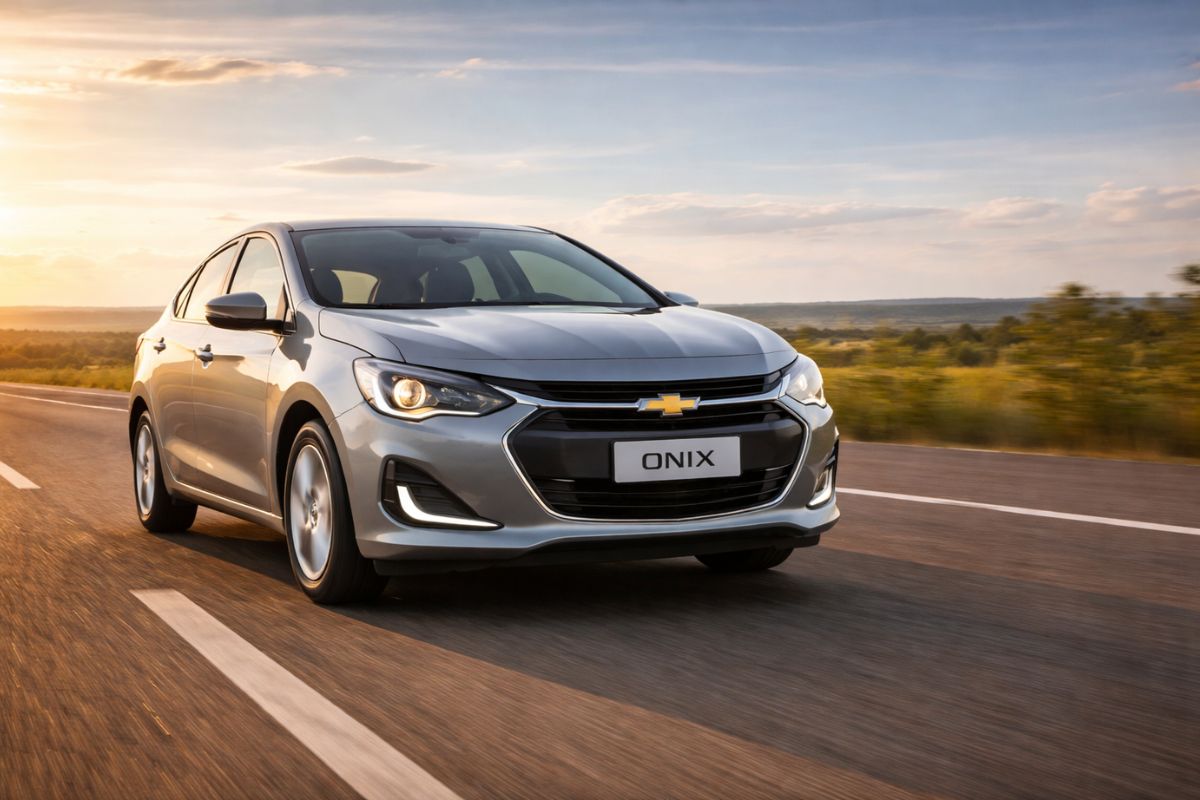
The Chevrolet Onix 1.0 turbo achieves 17.7 km per liter on the highway and ranks among the three most economical cars in Brazil in 2026, alongside two more expensive Toyota hybrids available at dealerships.
-
Little sister of the Hilux: Toyota launches Land Cruiser FJ with 4 radical versions, 2.7 engine with 166 hp and 4×4 traction with locking.

Types Of Electrified Cars
Contrary to what many sales sites and automotive magazines suggest, electric and hybrid cars are not the same and, often, it is not appropriate to compare them directly. Hybrid cars, for example, can use an electric motor to assist the combustion engine, but the batteries have varying capacities. There are mild hybrids (MHEV), which have small batteries that do not allow driving solely in electric mode, providing only an additional boost to the combustion engine. These vehicles may not offer significant fuel savings.
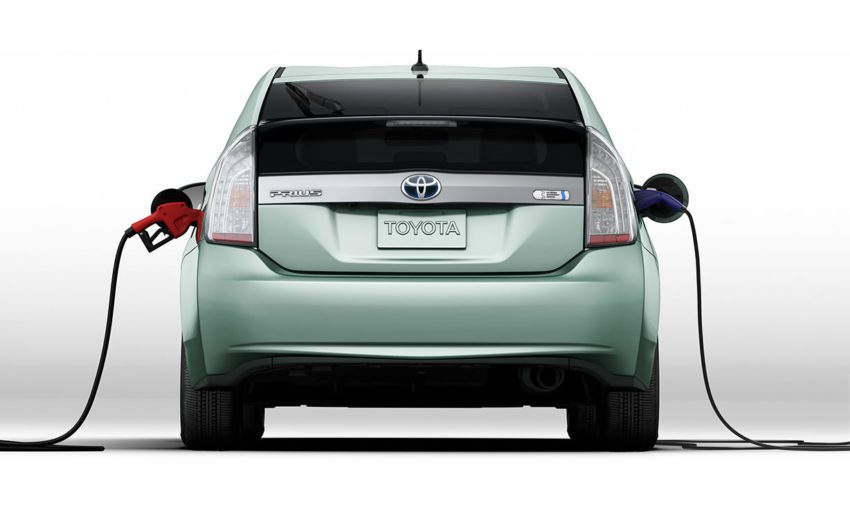
Conventional hybrids (HEV) have batteries that allow driving a few kilometers in electric mode, although the combustion engine kicks in during more intense accelerations or long distances. This may result in some fuel savings, but it also has an environmental impact due to the additional weight of the batteries.
Plug-in hybrids (PHEV), on the other hand, have batteries that allow driving for 20 to 100 km in electric mode before the combustion engine is activated. They offer the best of both worlds and are ideal for those who mainly drive in the city and want to save fuel. However, this technology comes at a high cost, both in acquisition and maintenance.
Challenges With 100% Electric Cars
For purely electric cars, range and charging time are crucial aspects, but often misunderstood. While some vehicles offer up to 300 km of range, this ideal range is usually between 20% and 80% of battery capacity to prolong its lifespan, reducing the actual range to about 180 km.

Another significant challenge is charging infrastructure. While charging the car at home can be a practical solution for those with a charging point, many old buildings lack this infrastructure. This forces owners to rely on public charging stations, which are often low-power and may take hours to recharge the vehicle.
In São Paulo, for example, most of the available chargers in markets and shopping malls have a power of 7 kW, which can take up to 10 hours for a full charge, depending on battery capacity. Even finding an available charger, the wait for a fast charging point can be long, with common queues during peak hours.








Matéria paga pelas montadoras tradicionais que estão perdendo espaço para os carros elétricos.
Verdade!