Portuguese
  Spanish


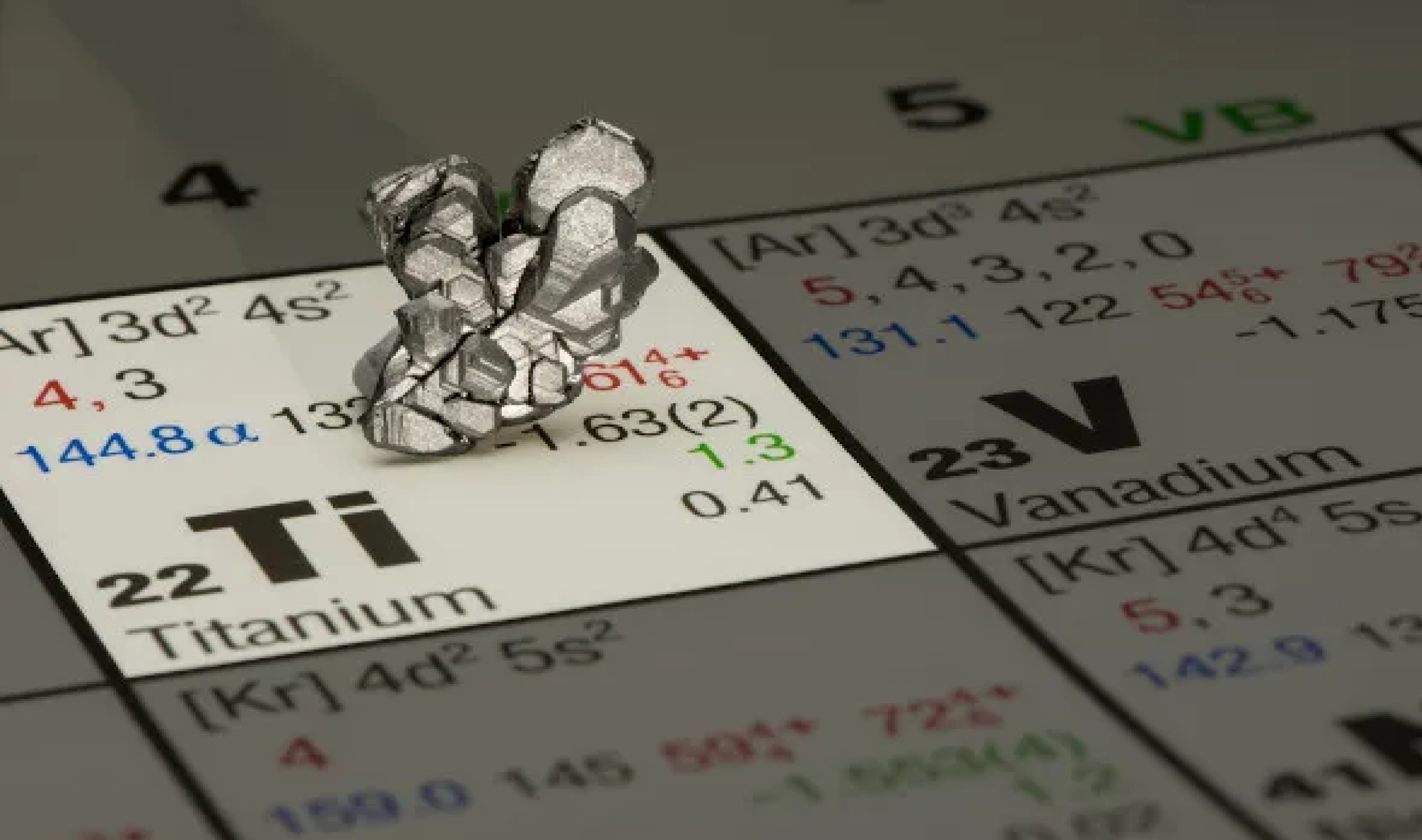

With Unique Properties Such as High Strength and Biocompatibility, Titanium Stands Out in Advanced Applications, Ranging from Aircraft to Medical Implants
Are you familiar with titanium? It is simply one of the most fascinating and powerful metals that science and technology have at their disposal. Known for its incredible strength and lightness, titanium is a chemical element with the symbol Ti and atomic number 22, being a transition metal with properties that make it indispensable in various industries, according to the video from the channel Engenharia Detalhada.
Exceptional Properties of Titanium
One of the most impressive characteristics of titanium is its high strength-to-weight ratio, which puts it ahead of metals such as steel and aluminum. This means that titanium is considerably lighter than steel, yet still extremely strong and durable, making it ideal for applications where weight is a crucial factor, such as in the aerospace industry. Aircraft and other vehicles benefit from the lightness and strength of titanium, allowing for greater efficiency and performance.


Another strong point of titanium is its corrosion resistance. It is practically immune to the action of a vast range of chemicals, including acids and bases, and stands out for its durability in marine environments. This characteristic makes titanium a valuable material for the construction of ships, oil platforms, and chemical and industrial equipment.
-
U.S. Invests $75 Million in Projects to Extract Rare Earths, Gallium, Germanium, and Aluminum from Coal Waste

-
Eni Acquires 25% Stake in Chilean Lithium Project, Plans to Invest Up to $225 Million in Eco-Friendly Extraction Method
-
Mexico’s Giant Crystal Cave: A Deadly 58°C Underground Palace with 11-Meter Crystals Formed Over Nearly a Million Years

-
China Dominates Over 90% of Rare Earth Refining, Prompting Global Concerns: Canada and Japan Launch Billion-Dollar Plan to Reduce Dependency and Safeguard Batteries, Semiconductors, and Defense


Additionally, titanium is highly biocompatible, meaning that it is not rejected by the human body. This property is crucial for its application in medical implants, such as orthopedic prosthetics and dental plates, where integration with the body is essential.
Challenges and Discovery of Titanium
Despite all its advantages, titanium is not without challenges. Its handling is more complex and costly than that of other metals, which can drive up production costs for titanium parts. Furthermore, it is a less efficient conductor of electricity compared to metals like copper and aluminum, which limits its use in certain electronic applications.

Titanium was discovered in 1791 by British chemist William Gregor and received its name in honor of the Titans of Greek mythology, due to its strength and durability. It is the ninth most abundant element in the Earth’s crust, found in minerals such as ilmenite and rutile. The main producing countries of titanium are Australia, Canada, South Africa, and China.
Methods of Extraction and Production of Titanium Metal
The extraction of titanium is a complex and energy-intensive process, typically carried out using the Kroll process, the most common method. This process involves the extraction of titanium dioxide (TiO₂) from the minerals, which is then purified to produce titanium tetrachloride (TiCl₄). Following this, TiCl₄ is reduced with magnesium in a high-temperature vacuum reactor to produce metallic titanium. Alternatively, the direct reduction process uses hydrogen gas to reduce titanium dioxide, bypassing the intermediate step, but it is less common.
Titanium Alloys: Diversity and Applications
Titanium is widely used in the form of alloys with other metals, which further enhances its properties. One of the most popular alloys is Ti-6Al-4V, composed of 6% aluminum and 4% vanadium, known for its high mechanical strength, corrosion resistance, and biocompatibility. This alloy is widely used in aircraft turbines and medical implants.
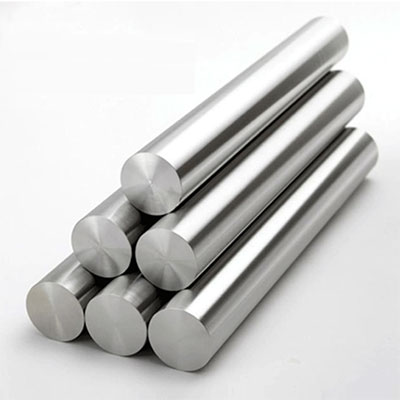
Another important alloy is Ti-6Al-2Sn-4Zr-2Mo, which combines 6% aluminum, 2% tin, 4% zirconium, and 2% molybdenum. It is valued for its fatigue resistance and weldability, being employed in aircraft wings and medical equipment.