





 Portuguese
  English
  Spanish
  4 min of reading
  0 comments


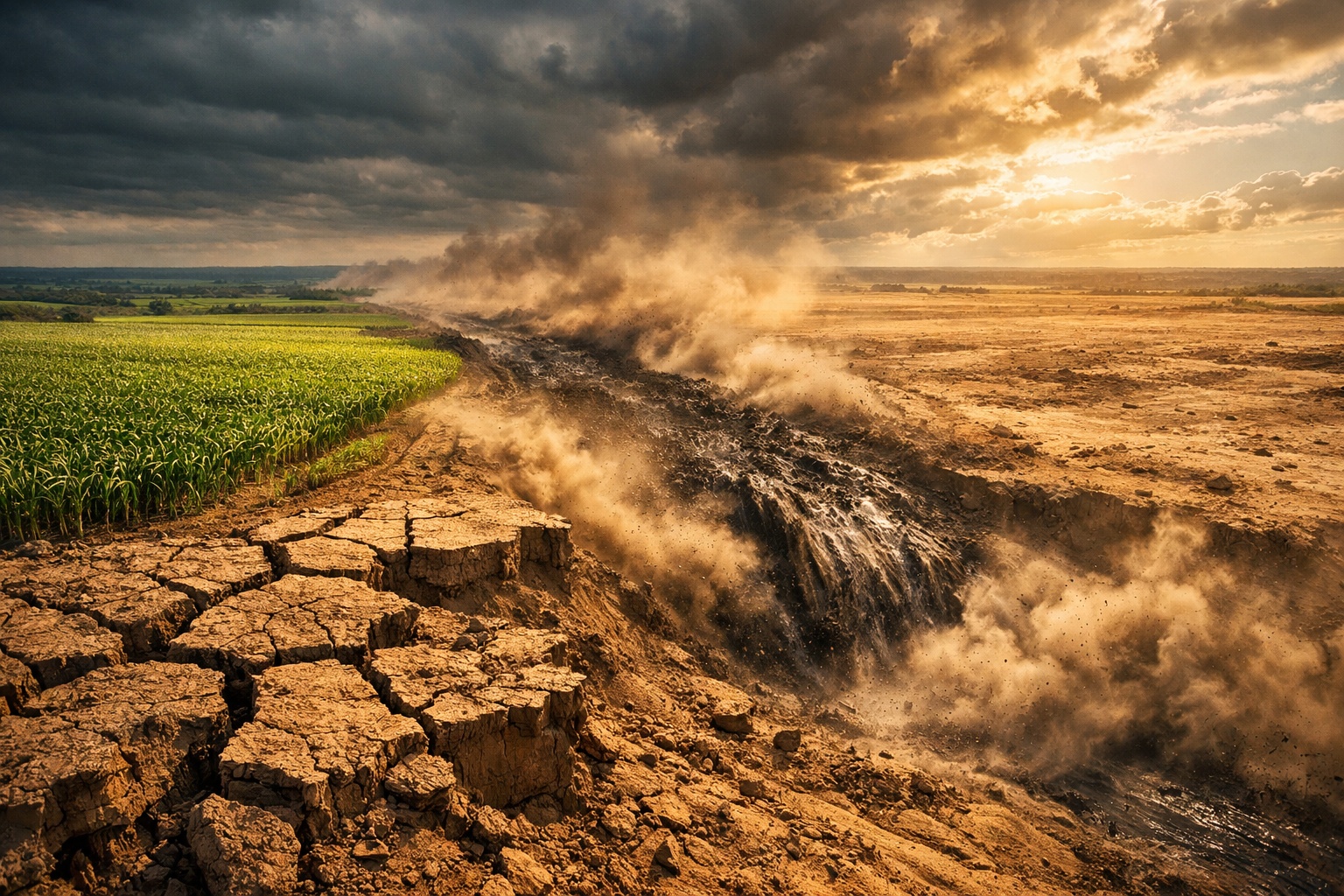
According to FAO, the World Loses Up to 24 Billion Tons of Fertile Soil Each Year Due to Erosion, Endangering Food Production and Environmental Sustainability.
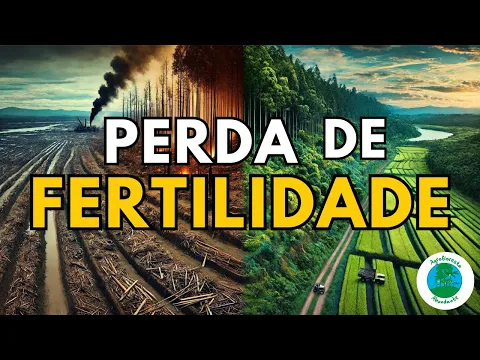
Soil degradation is one of the most silent and persistent environmental processes on the planet. Data from the Food and Agriculture Organization of the United Nations (FAO) indicates that the world loses up to 24 billion tons of fertile soil per year, mainly due to erosion caused by intensive agricultural practices, deforestation, and improper land management. This information is found in FAO technical reports on desertification and soil degradation, widely cited in international analyses on food security. The figure represents the physical removal of surface layers of soil — precisely the part most rich in nutrients and organic matter.
The topsoil is responsible for supporting a significant portion of global agricultural production.
24 Billion Tons Per Year: What This Number Means According to FAO

The figure of 24 billion tons per year is frequently mentioned by FAO in reports related to the global initiative against desertification and land degradation.
-
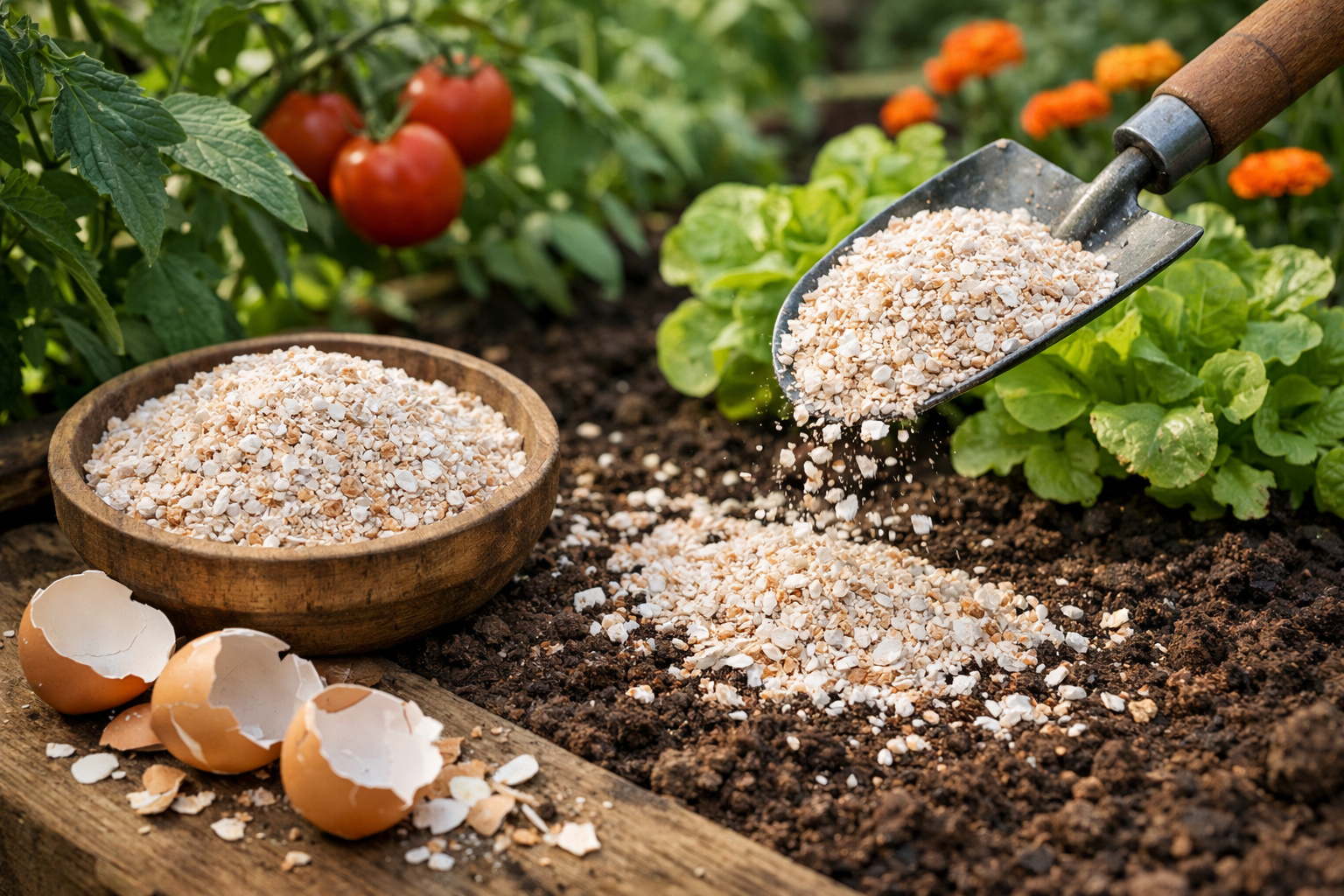
The eggshell that almost everyone throws away is made up of about 95% calcium carbonate and can help enrich the soil when crushed, slowly releasing nutrients and being reused in home gardens and vegetable patches.
-
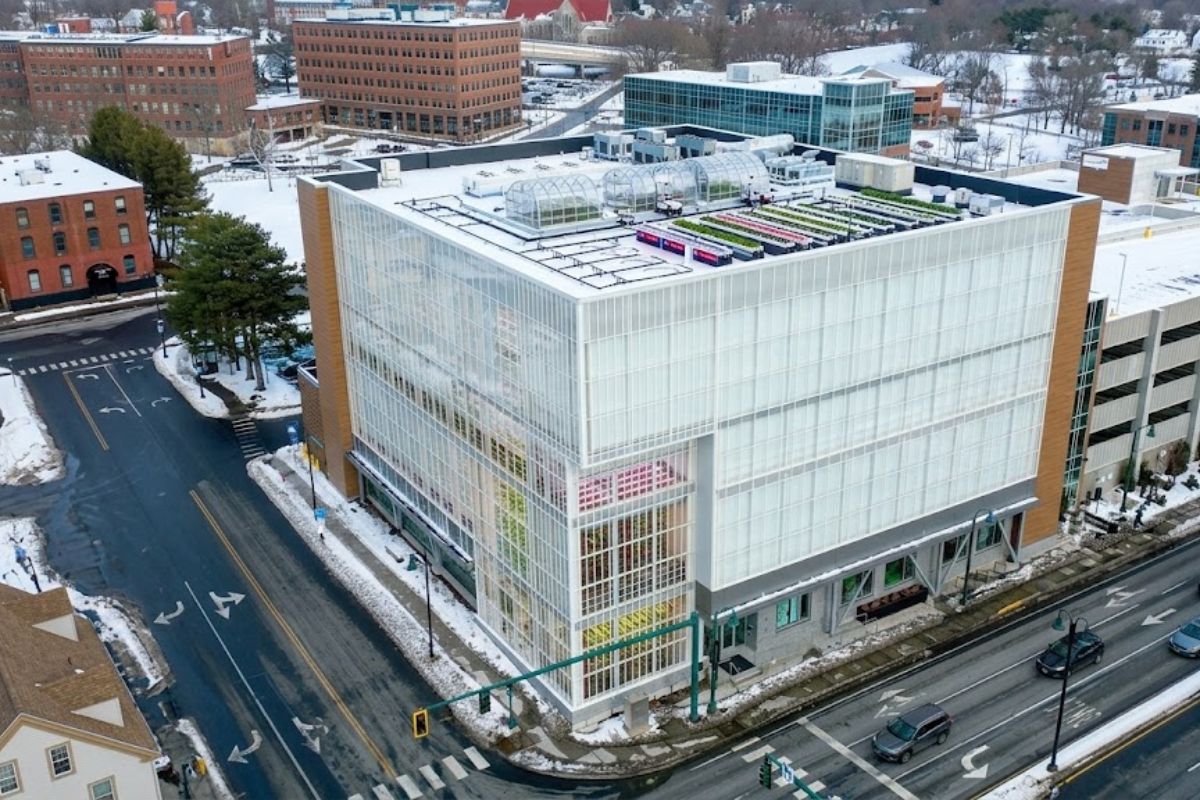
This farm in the United States does not use sunlight, does not use soil, and produces 500 times more food per square meter than traditional agriculture: the secret lies in 42,000 LEDs, hydroponics, and a system that recycles even the heat from the lamps.
-
The water that almost everyone throws away after cooking potatoes carries nutrients released during the preparation and can be reused to help in the development of plants when used correctly at the base of gardens and pots, at no additional cost and without changing the routine.

-
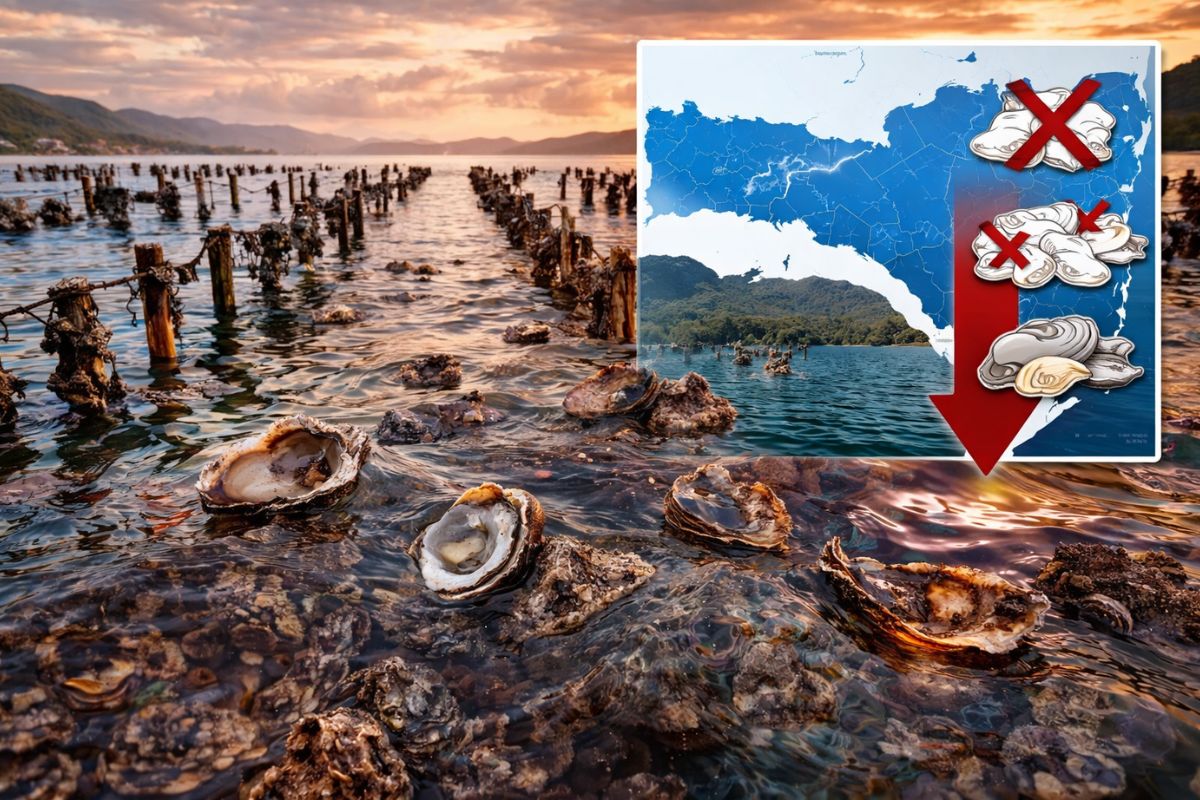
The sea water temperature rose from 28 to 34 degrees in Santa Catarina and killed up to 90% of the oysters: producers who planted over 1 million seeds lost practically everything and say that if it happens again, production is doomed to end.

According to the UN agency, erosion is the main cause of this loss. Erosion occurs when rain, wind, or human practices remove soil particles, transporting them to rivers, slopes, or unproductive areas.
According to FAO, about 33% of the planet’s soils already exhibit some degree of degradation, including erosion, compaction, salinization, and loss of organic matter.
Degradation directly compromises the fertility and productive capacity of agricultural lands.
Desertification and Loss of Agricultural Productivity
Joint reports from FAO and the United Nations Environment Programme (UNEP) point out that soil degradation significantly reduces agricultural productivity, affecting global food security.
Desertification — the degradation process in arid and semi-arid regions — is one of the most severe manifestations of this phenomenon. The United Nations Convention to Combat Desertification (UNCCD) highlights that millions of hectares become less productive every year.
These processes directly impact:
- Grain production
- Cattle raising
- Cultivation of staple foods
- Rural economic sustainability
The loss of fertile soil is linked to increased food vulnerability in various regions of the world.
Main Causes of Soil Erosion
According to FAO, the most common causes of erosion include:
- Intensive agriculture without proper rotation
- Deforestation
- Overgrazing
- Accelerated urbanization
- Improper irrigation practices
When natural vegetation is removed, the soil is exposed to direct action from rain and wind. The nutrient-rich topsoil is the first to be lost. FAO emphasizes that improper management practices can significantly accelerate this process. The removal of vegetation cover is one of the central factors in the annual loss of fertile soil.
Environmental Impacts Beyond Agriculture
Soil degradation does not only affect agricultural production. According to reports from FAO and UNEP, erosion contributes to:
- Siltation of rivers
- Reduction of water quality
- Loss of biodiversity
- Release of carbon stored in the soil
The soil acts as an important carbon reservoir. When degraded, part of this carbon can be released into the atmosphere. Soil degradation is connected to climate cycles and global environmental stability.
Most Affected Regions According to International Organizations
Data from FAO and UNCCD indicate that regions of Sub-Saharan Africa, parts of Asia, and areas of Latin America exhibit high rates of degradation.
However, erosion also occurs in developed countries, especially in intensive agricultural areas. The problem is considered global and not restricted to a single region.
Soil degradation is a planetary phenomenon, not regional.
Relationship Between Fertile Soil and Food Security
FAO emphasizes that approximately 95% of the food consumed worldwide depends directly on soil.
When soil loses its fertility, agricultural productivity diminishes. This can result in:
- Increased production costs
- Greater dependence on fertilizers
- Agricultural expansion into new areas
The continuous loss of fertile soil compromises future food production capacity. Global food stability is directly linked to soil quality.
International Initiatives to Combat Degradation
FAO coordinates global sustainable land management programs, including:
- Promotion of conservation agriculture
- Encouragement of direct planting
- Restoration of degraded areas
- Integration of agroecological practices
The UN has also established targets within the Sustainable Development Goals (SDGs) related to land degradation neutrality. Reversing degradation depends on structural changes in agricultural management.
Comparisons and Public Perception
Although the figure of 24 billion tons is frequently cited, it is not always understood in practical terms. The amount represents a huge physical volume removed annually from the Earth’s surface layer.
FAO uses the figure to emphasize the urgency of sustainable practices, especially in intensive agricultural regions. The annual volume of lost soil highlights that the problem occurs on a massive and continuous scale.
According to the Food and Agriculture Organization of the United Nations (FAO), the planet loses up to 24 billion tons of fertile soil each year due to erosion and degradation.
This process compromises agricultural productivity, affects water resources, and impacts global environmental systems. International reports indicate that about one-third of the soils already exhibit some degree of degradation.
The annual loss of fertile soil is one of the greatest silent challenges faced by agriculture and environmental balance in the 21st century.
The data reinforce the need for constant monitoring, sustainable management, and policies aimed at conserving the topsoil layer, considered essential for food production and the maintenance of ecosystems.







-

Uma pessoa reagiu a isso.