





 Portuguese
  English
  Spanish
  4 min of reading
  0 comments


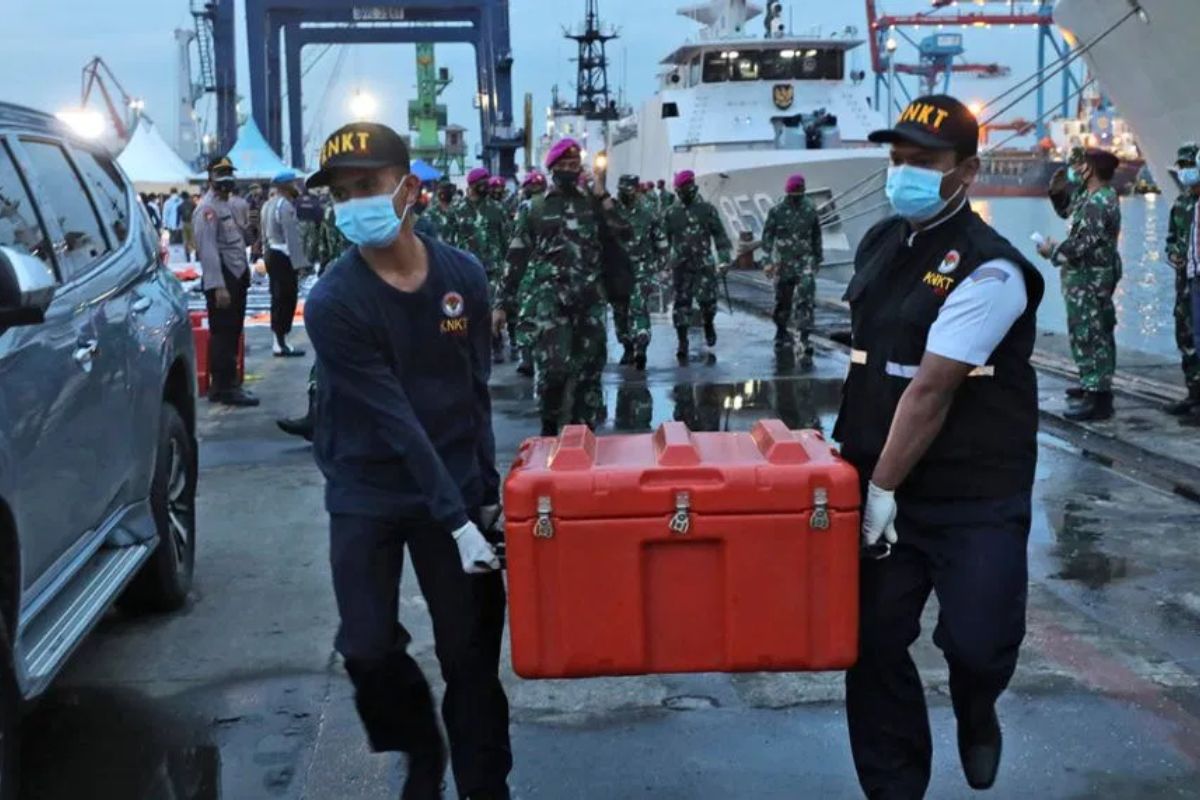
Understand The Technology Behind The Airplane Black Box, Which Is Actually Orange, Designed To Withstand Impacts Of 3,400 G And Temperatures Of 1,100°C For One Hour.
The airplane black box is one of the most famous and crucial components of aviation, but also one of the most misunderstood. Contrary to its popular name, the device is not black but painted in a fluorescent orange to make it easier to locate in accident wreckage.
Its true purpose is not to record disasters, but to provide data that helps prevent them. Designed to be practically indestructible, the technology behind the airplane black box is key to uncovering the final moments of a flight and ensuring that aviation becomes increasingly safer.
What Is The Airplane Black Box? The Two Recorders That Hold The Secrets Of Flight
In reality, the “black box” is not a single device, but a system composed of two distinct units, which may or may not be in the same chassis:
-
Spain surprises the world by erecting 62 artificial dunes, mixing sand with natural remains of posidonia, and causing the structure to lose only 1.4% of its volume in 1 year.

-
With 16 Bulava missiles, improvements in acoustic stealth, and a design focused on silent patrols, Russia’s nuclear submarine was born to ensure Moscow’s invisible retaliation and has become one of the pillars of its maritime strength.

-
‘Populous’ city in Rio among the worst in Brazil in national ranking and exposes silent development crisis.

-
Couple buys house in the South Zone of São Paulo, opens a hidden door in the garage, and finds a secret wine cellar with dozens of old wines forgotten since the 1970s.

Flight Data Recorder (FDR): it is responsible for recording the flight parameters of the aircraft. While early models recorded few data, modern systems monitor over 1,000 variables, such as altitude, speed, control positions, engine power, and system status. It tells the objective story of what the airplane was doing.
Cockpit Voice Recorder (CVR): this device records the sound environment of the cockpit. With four audio channels, it captures conversations between pilots, communications with air traffic control, and ambient sounds, such as alarms or engine noise. The CVR provides the human context, revealing the “why” behind the actions.
Withstanding Impacts Of 3,400 G And 1,100°C Of Fire
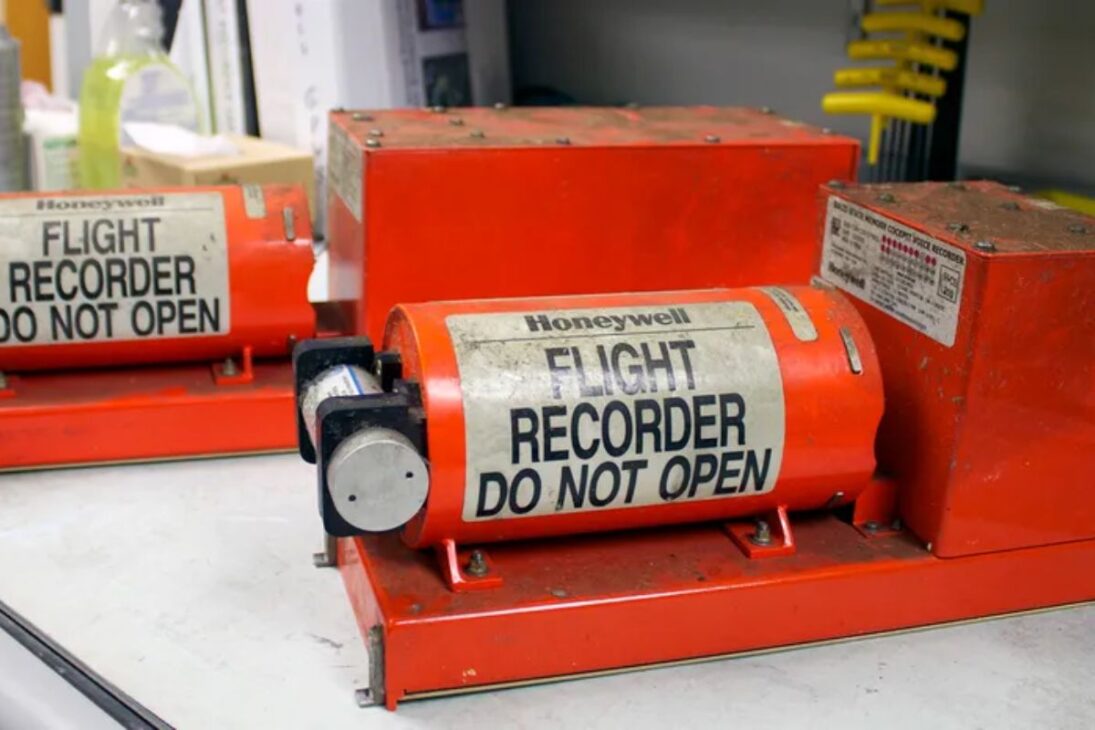
The function of the airplane black box is to survive an accident that the aircraft itself could not withstand. To achieve this, its construction follows extremely rigorous engineering standards. The heart of the system is the Crash Survivable Memory Unit (CSMU), a kind of armored safe.
The CSMU is designed to withstand catastrophic conditions, validated by brutal testing:
Impact: the unit must withstand a peak acceleration of 3,400 G (3,400 times the force of gravity).
Fire: it must withstand a fire of 1,100°C for at least one hour.
Deep-Sea Pressure: it must endure the pressure found at depths of 6,000 meters (20,000 feet).
This shielding, composed of layers of steel, titanium, and thermal insulation, ensures that data can be recovered even in the most violent accidents.
Why Is The “Black Box” Orange? The Story Behind The Color And Name
The actual color of the airplane black box is a bright orange or yellow, standardized as “International Orange.” The choice, in effect since 1965, is purely functional: the high-visibility color makes it easier to locate the recorder amid wreckage, whether on land, in snow, or at the bottom of the sea.
The nickname “black box” has several possible origins. One dates back to World War II, when it was military slang for sensitive electronic components, which were stored in non-reflective black boxes. Another theory points to engineering jargon, where a “black box” describes a system whose internal workings are opaque.
How The Accidents Of The First Jet Airplane Led To Its Creation
The invention of the modern flight recorder is credited to Australian scientist Dr. David Warren in the 1950s. His motivation was both professional and personal. Warren was investigating the mysterious crashes of the de Havilland Comet, the first commercial jet airplane, and was frustrated by the lack of data. Additionally, his own father had died in an airplane crash in 1934.
The idea came to him when he realized that if a cockpit recording had survived, the mystery would be solved. Inspired by a small wire recorder, he built the first prototype between 1956 and 1957. The invention was initially met with indifference in Australia but gained traction in the United Kingdom, which propelled its commercial development. In 1967, Australia became the first country to mandate the installation of CVRs and FDRs in aircraft.
Ejectable Recorders And Real-Time Data Transmission


The technology of the airplane black box continues to evolve. The future points to two major innovations:
Ejectable Recorders (ADFRs): instead of sinking with the wreckage, these recorders are designed to automatically eject from the tail of the airplane in the event of an accident. The unit, which floats, begins transmitting its location via satellite, eliminating the need for underwater searches. This technology is already being used in aircraft such as the Airbus A350.
Real-Time Data Transmission: the ultimate solution is to eliminate the need for physical recovery by continuously or on-demand transmitting flight data to a “virtual black box” in the cloud. Although the cost of continuous transmission is still a hurdle, “triggered transmission”—which sends data only when a hazardous event is detected—is already a reality.
This evolution will transform the airplane black box from a silent witness to an active participant in flight safety, making aviation even safer.







Seja o primeiro a reagir!