





 Portuguese
  English
  Spanish
 5 min of reading
  3 comments


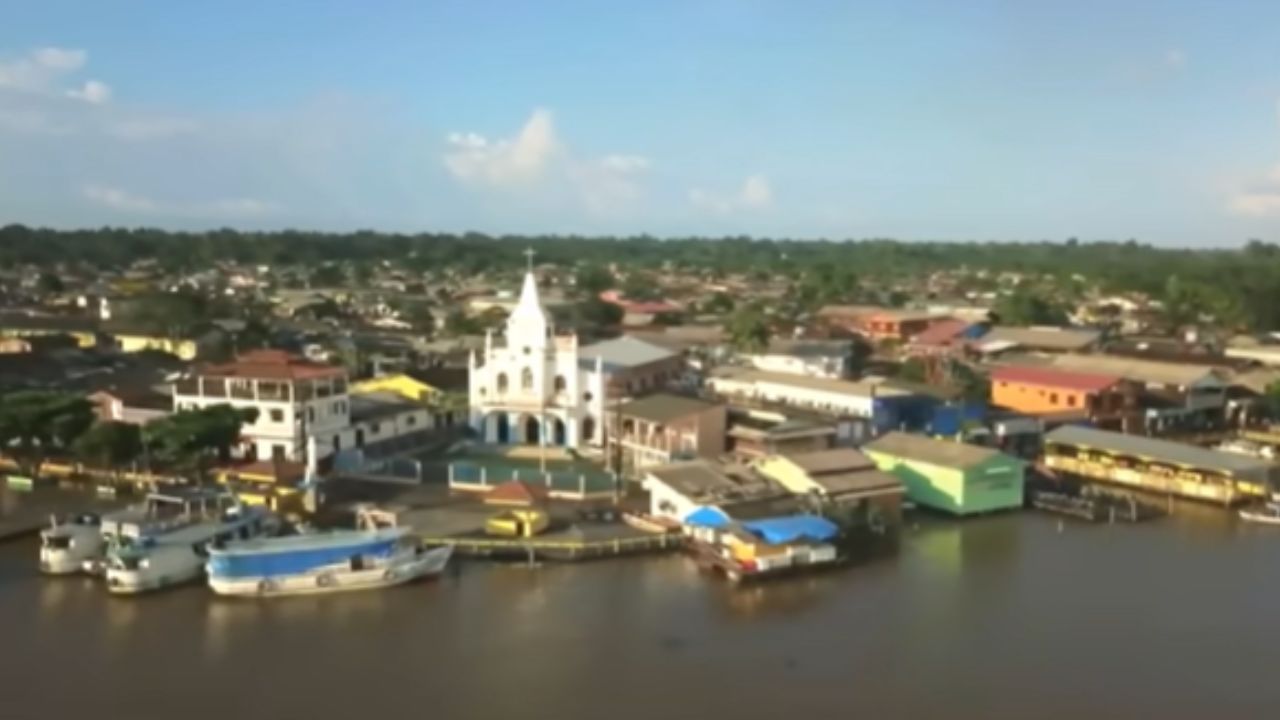


In Afuá (PA), A City Built on Stilt Houses on Marajó Island, There Are No Cars and Life Is Dictated by the Tide. However, This Example of Sustainability Faces a Paradox Between Local Ingenuity and Growing Climate Vulnerability.
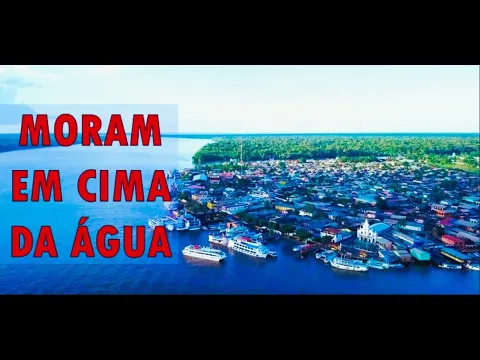
In the heart of the Amazon, where rivers are the true roads, a community emerges that redefines the concept of urbanism. Although not an administrative capital, Afuá, in Pará, stands as the Brazilian capital of a unique riverside lifestyle. Known as “Marajoara Venice,” the entire city is built on stilt houses, a direct and ingenious response to the periodic floods of the Amazon floodplain. This is a landscape where houses, schools, and businesses float on the waters, connected by a web of wooden walkways.
Also nicknamed the “Amsterdam of the Tropics,” Afuá stands out for a radical community decision: a municipal law prohibits the circulation of cars, motorcycles, or any motorized vehicles. Urban mobility is dominated by bicycles and bike-taxis, creating a unique soundscape marked by the buzz of chains and the sound of oars in the water. However, beneath this facade of harmony and innovation, the city faces a silent drama, struggling with a serious basic sanitation crisis and being identified as one of the most vulnerable municipalities in Brazil to climate change.
Stilt House Architecture: The Wisdom of Coexisting With the River
The urbanism of Afuá is a testament to the human capacity to adapt to environments considered inhospitable. The entire city rests on a forest of wooden posts, with suspended walkways about 1.2 meters above the flooded ground. This is not an aesthetic choice, but a fundamental necessity to coexist with the daily pulse of the tides and the annual flooding cycle. Maintaining this system requires a deep traditional knowledge, passed down through generations, about choosing durable woods and construction techniques that withstand the force of the waters.
-
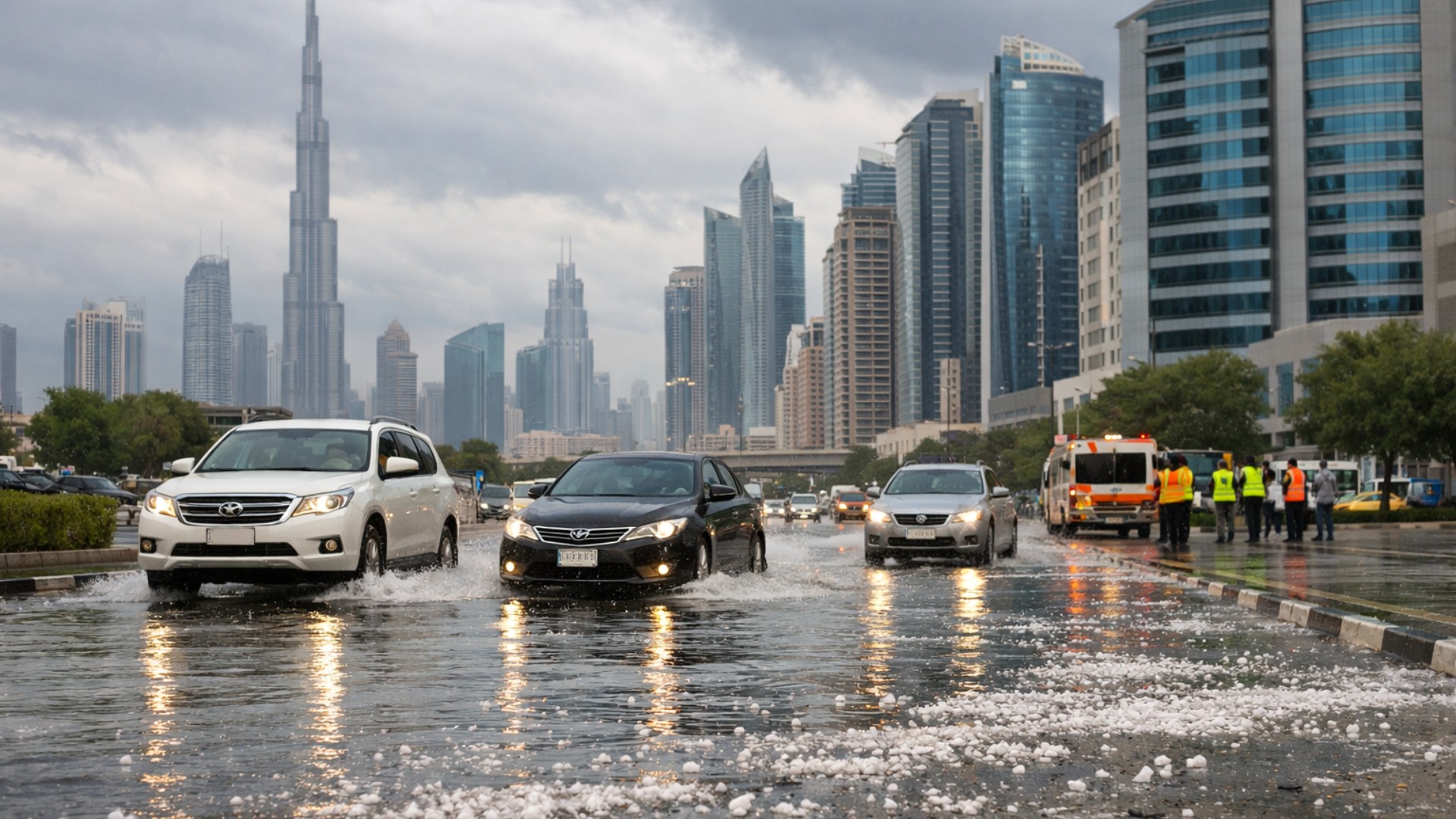
A rare storm transformed part of the Gulf into an unlikely scene of hail, extreme rain, and tornado risk in the middle of the desert, with volumes that exceeded the annual average in a single day.
-
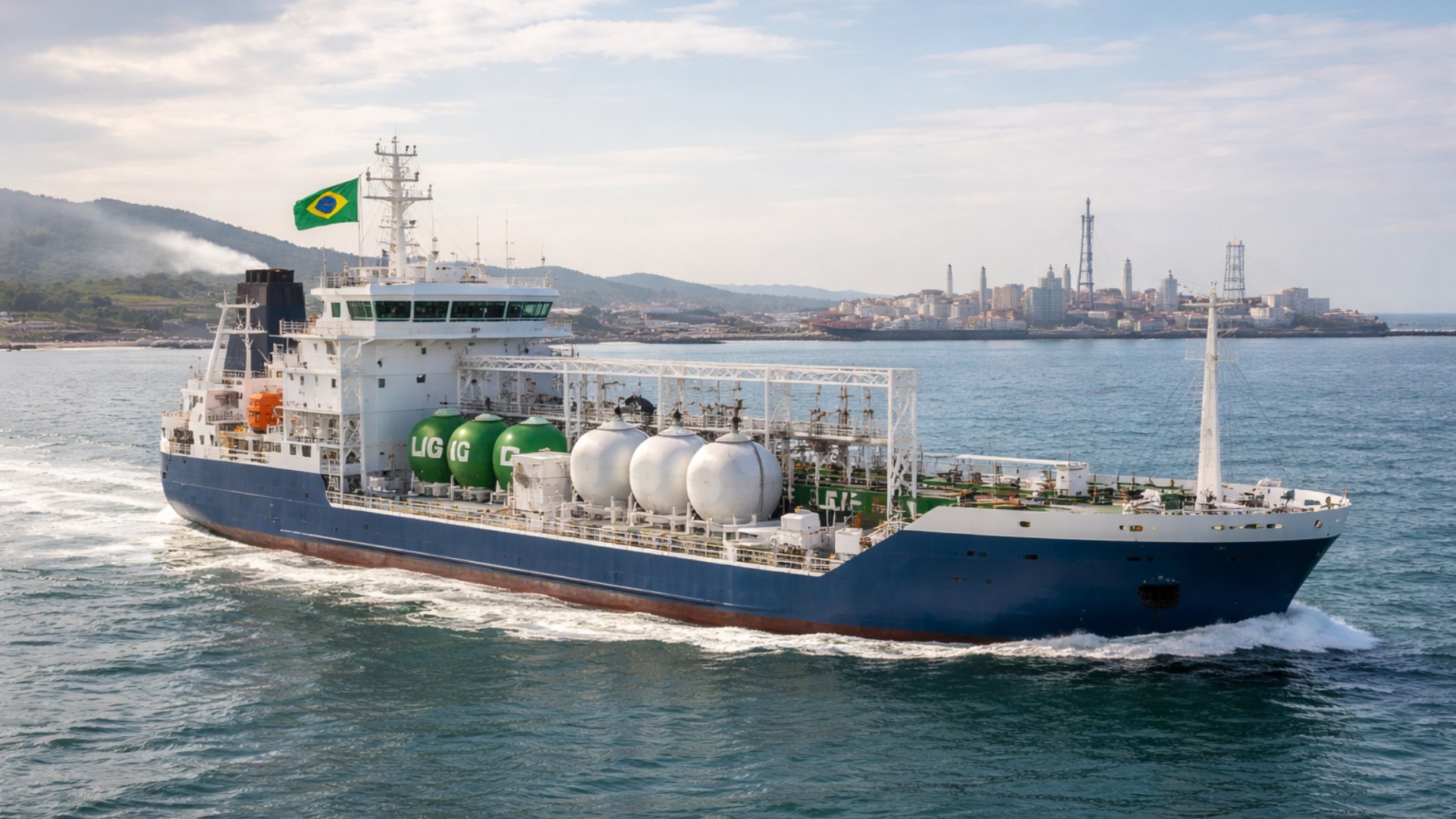
Brazil catches the world’s attention with ships powered by ethanol and biodiesel that have lower emissions, an unprecedented certification with advantages in chartering, and a revolution in cabotage.
-
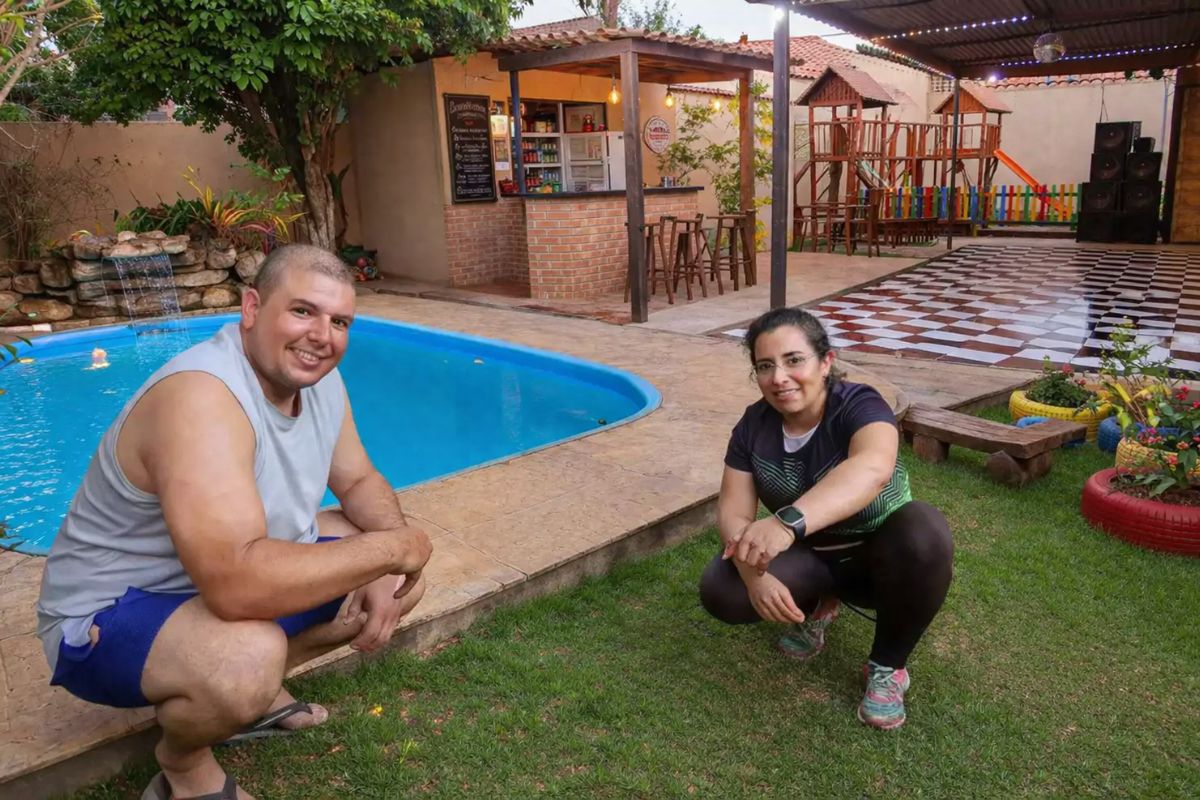
A couple who only has Sundays free has built a hand-dug pool, a hamburger joint, a dance hall, and a playground in their own home without hiring a mason, and even with breaks due to accidents and the pandemic, the work has never truly stopped.
-
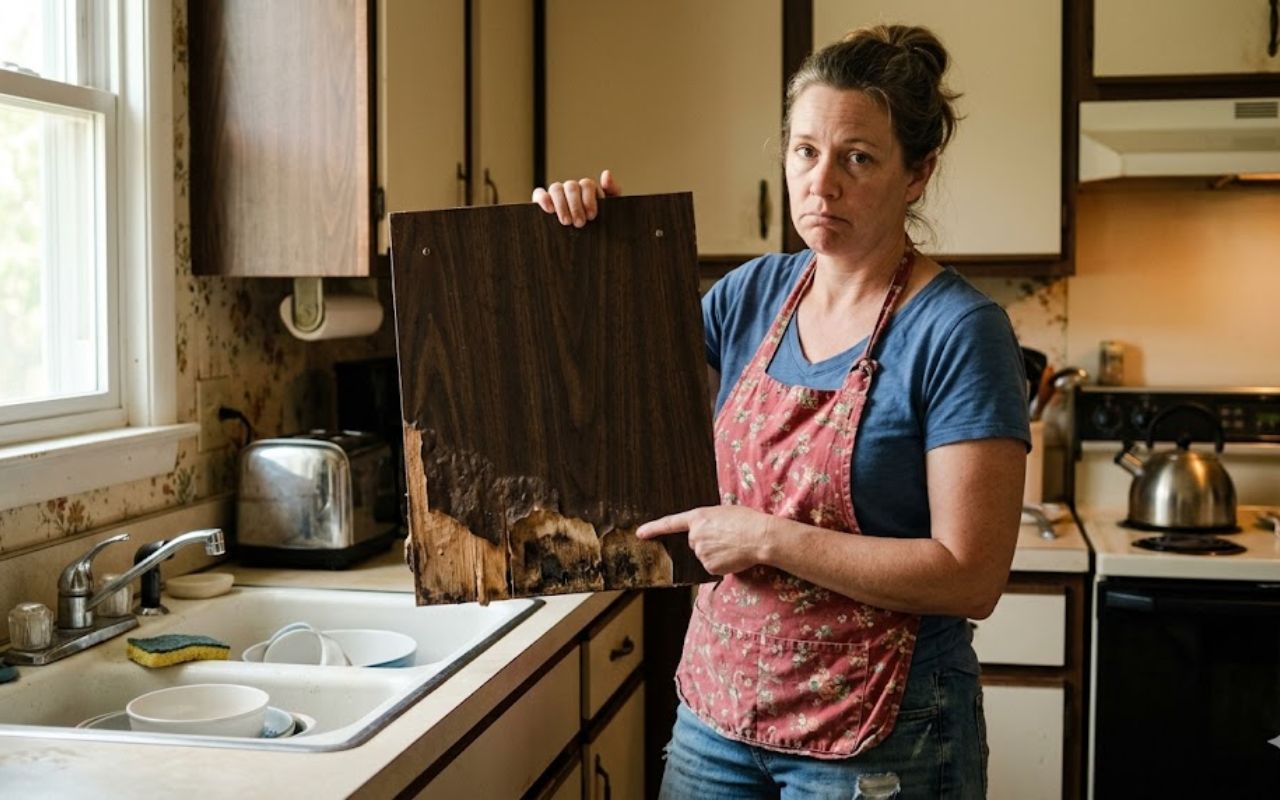
Furniture made with aluminum and glass does not warp and has become an alternative to replace MDF in Brazil.

This approach, as highlighted by the Analysis of the Riversider Lifestyle (Revista Projetar – UFRN), reflects a “spontaneous awareness” of the community, which chose to work with the rhythms of the river rather than attempt to dominate it. Instead of embankments and levees, the population built on the water, a philosophy of coexistence that has allowed their survival for over a century. However, the recent trend of replacing wooden walkways with concrete, although it seems an advancement, represents a dangerous maladaptation. Concrete retains heat and hampers natural drainage, making the community, paradoxically, less resilient to the conditions it has always managed.
Mobility Without Motors: An Economy on Pedals and Oars

The sound of Afuá is a symphony of pedals. With the prohibition of motorized vehicles, the bicycle has become the heart of local mobility, giving rise to a culture of ingenuity. The bike-taxi, a handmade quadricycle made by joining two bicycles, is the main means of transporting passengers and cargo. Even emergency services are adapted: the “bicycle ambulance” is a pedal-powered vehicle equipped with a stretcher and oxygen support. Services such as garbage collection and police patrols are also conducted with human-powered vehicles.
This transportation system is not just an ecological solution; it fosters a robust closed-loop economy. The money that would be spent on fossil fuels and imported parts circulates internally, supporting artisans, mechanics, and bike-taxi operators. Beyond the economic impact, the low-speed mobility and physical proximity on the walkways strengthen social ties, transforming the daily commute into a public and interactive experience. While bicycles dominate the walkways, rivers continue to be the arteries that connect Afuá to rural communities and the outside world, with boats and canoes being essential for regional transportation.
The Paradox of Sustainability: Ecological Wealth and Human Precarity
Life in Afuá is governed by the pulse of the tide, which dictates the rhythm of the economy based on açaí extraction and shrimp fishing. This total dependence on natural resources creates a strong incentive for environmental conservation, as the health of the river and forest is directly linked to the community’s prosperity. However, behind the image of a sustainable utopia lies a reality of extreme precariousness, revealing what may be called the “Paradox of Sustainability” of the city.
Data from the Municipal Diagnosis of Afuá (Federal Government – MDH) are alarming: 99.4% of the population lacks access to sewage treatment, with waste often discarded into the very waters that sustain local life. The report also points out that, although Afuá has the highest HDI in the Marajó region, its per capita income is among the lowest, and 99% of housing is considered inadequate. This contradiction challenges simplistic definitions of sustainability, showing that the celebrated “green” advancement in mobility coexists with a catastrophic “brown” failure in basic sanitation, a public health crisis that the fame of the bicycles often overshadows.
On the Frontline of the Crisis: When the Water Calendar Breaks
Afuá’s symbiosis with its environment is under existential threat. According to a Climate Vulnerability Report (Revista Amazônia), Afuá is the most vulnerable coastal municipality in Pará to the impacts of climate change. The most disorienting effect is the break in the “natural water calendar”. Ancestral knowledge, based on predictable cycles of floods and droughts, is losing its validity as climate patterns become erratic, making planning for agriculture and fishing nearly impossible.
The impacts are already severe. A report by Revista Amazônia details how, in 2023, the city faced extreme events, with smaller-than-normal floods followed by a severe drought that caused fires and a shortage of drinking water. In the face of this crisis, the absence of a robust climate adaptation plan is alarming. The community’s resilience, built on Traditional Ecological Knowledge, is being undermined because the environment for which that knowledge was developed is disappearing. It is a crisis that transcends infrastructure; it is a crisis of knowledge, leaving the community adrift in an unpredictable future.
The Uncertain Future of the Floating Capital
Afuá is both an icon of sustainability and a symbol of climate injustice. A community with an almost negligible carbon footprint is on the frontline of a global crisis it did not cause. Its story demonstrates that local ingenuity and resilience, admirable as they may be, may not be enough to overcome systemic institutional failure and overwhelming environmental change. The future of this floating Brazilian capital will serve as a barometer of our collective capacity to confront the greatest crisis of our time with equity and urgency.
What do you think about the future of Afuá? Can local ingenuity withstand a global climate crisis, or are urgent interventions needed? Share your perspective in the comments.





não é Capital brasileira administrativa? Fica a mais de 300 Km da capital que é Belém.
O esgoto cloacal vai direto no rio?
Saneamento básico como funciona?