





 English
  Francês
  Alemão
  Italiano
  Japonês
  Norueguês
  Portuguese
  Spanish
  3 min of reading
  14 comments


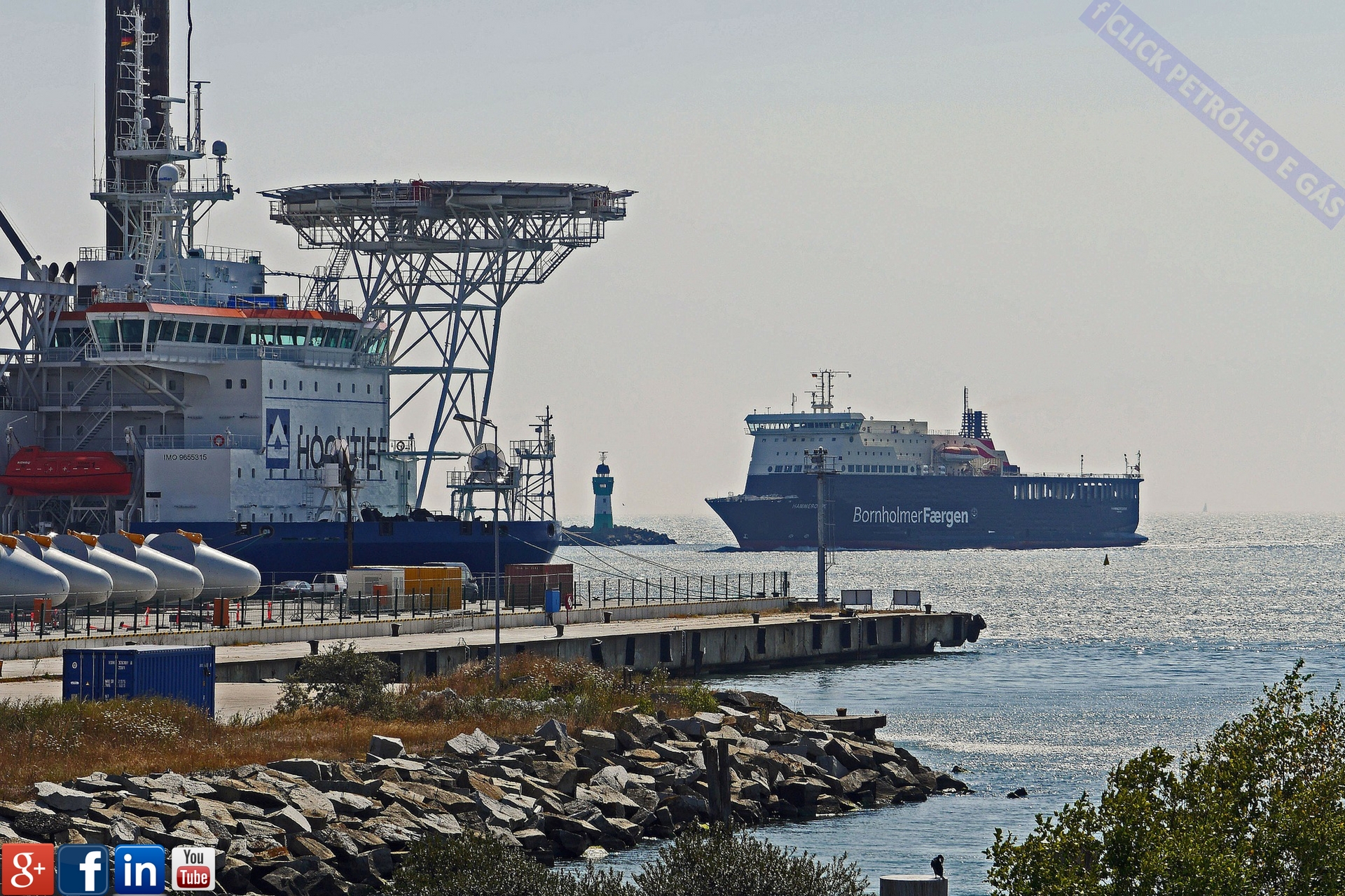
In An Official Statement, Regulatory Agencies Say That Rio Will Return To Being An Oil Power Starting In 2018
[supsystic-social-sharing id=’1′]Macaé, Rio das Ostras, and Campos dos Goytacazes have greatly benefited from the oil economy in the years between 2006 and 2014, with increased municipal revenues and job creation that go beyond expectations. Revenues reached an average of R$10.7 billion each year in royalties, but due to the crisis, these revenues decreased to R$7.2 billion. However, despite this, excellent discoveries in the pre-salt layer and the revitalization of mature fields, Rio will return to being the largest oil power, according to sector specialists.
Pre-Salt
The cities of Saquarema, Maricá, and Niterói, which make up the relevant regions of the pre-salt fields, have also felt the increase in revenues from royalties, and the profit sharing (PE) that has quadrupled in the last 3 years, despite the low prices of crude oil. Everything suggests that as the Libra Fields develop and produce, more jobs, more revenues, and investments will flow into the coffers of producing municipalities again, both in the short and long term.
Campos Basin
Now talking about the Mature Fields, which are the post-salt assets located in the Campos Basin, revitalization work is being carried out, reducing the natural negative productivity factor over the years. This project is called the Operational Efficiency Improvement Program (Proef), created by Petrobras, with a total scope in the Campos Basin. This project includes replacing old platforms with new FPSOs, which will maximize productivity, municipal revenues, and workforce hiring. In the report from InterTV Alto Litoral in the video below, the subject is explained in a more didactic way. Watch it and then continue with the rest of the reading:
-
Government unlocks R$ 554 million for a highway that has been requested for decades and accelerates the duplication of BR.
-
Without bricks, without cement, and without endless construction: the cardboard house that is assembled in modules and can be moved.

-
Billions of barrels on the equatorial margin could lead Amapá to double its oil production in Brazil — the state aims to enter the route of companies in the Campos Basin, attract investments, and boost jobs and businesses in the oil and gas sector.
-
Without bricks, without cement, and without endless construction: the cardboard house that is assembled in modules and can be moved.

Seeking to re-enter the market, Petrobras opened some of its asset portfolios to other oil companies, selling or forming partnerships in these mature fields. One example of a recently signed contract was with the Norwegian state-owned company Statoil, which together with Petrobras, is already working on the revitalization and recovery projects for these fields.
Less Taxes, More Investments
The National Petroleum Agency (ANP) will reduce taxes for oil exploration activities in Brazil, and this resolution will be implemented until the beginning of 2018, which will attract more oil companies to produce on national soil.
Today, the productivity factor stands at 14%, and with these new techniques and resolutions applied, this percentage will rise to 24%. According to ANP studies, for every additional 1% in the recovery factor, the Campos Basin will collect R$ 16 billion in royalties and R$ 26 billion in investments.
In the 14th round of oil auctions that took place in September, ExxonMobil, the world’s largest oil company, is now back in the Brazilian market, which translates to many jobs and revenues already at the doorstep. On October 27, the pre-salt auctions will also take place, which will be divided into 3 rounds: the first will be fields already in production; the second will include 4 areas in the Campos Basin, and the third will involve areas in the Santos Basin.









Seja o primeiro a reagir!