





 Portuguese
  English
  Spanish
 4 min of reading
  1 comment


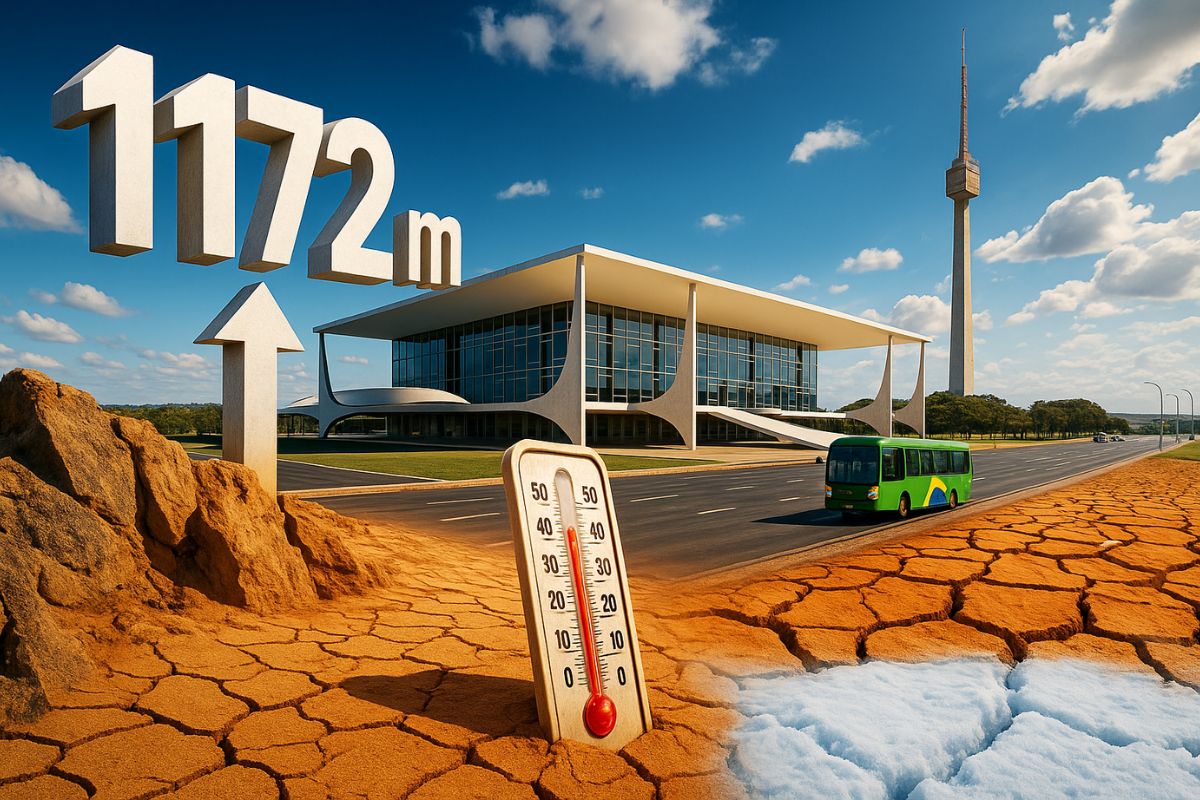


The Highest Capital in Brazil Combines an Average Altitude of 1,172 Meters in the Central Plateau, Dry Season with Humidity Comparable to That of Deserts, and Records of Cold and Heat That Test Climatic Limits in the Midwest
The highest capital in Brazil is Brasília. Built in the heart of the Central Plateau, the city is established at an average altitude of 1,172 meters above sea level, shaping its landscape, daily life, and climate. The choice of this elevated territory, officially inaugurated in 1960, was decisive for integrating the interior into national development.
The altitude explains a tropical highland climate with sunny days, cooler nights, and a pronounced dry season from May to September. In critical periods, the relative humidity drops to levels comparable to those in desert areas, while the city records records of cold and extreme heat, highlighting the thermal amplitude of the region.
Altitude and Location: Why Brasília Is So High on the Map
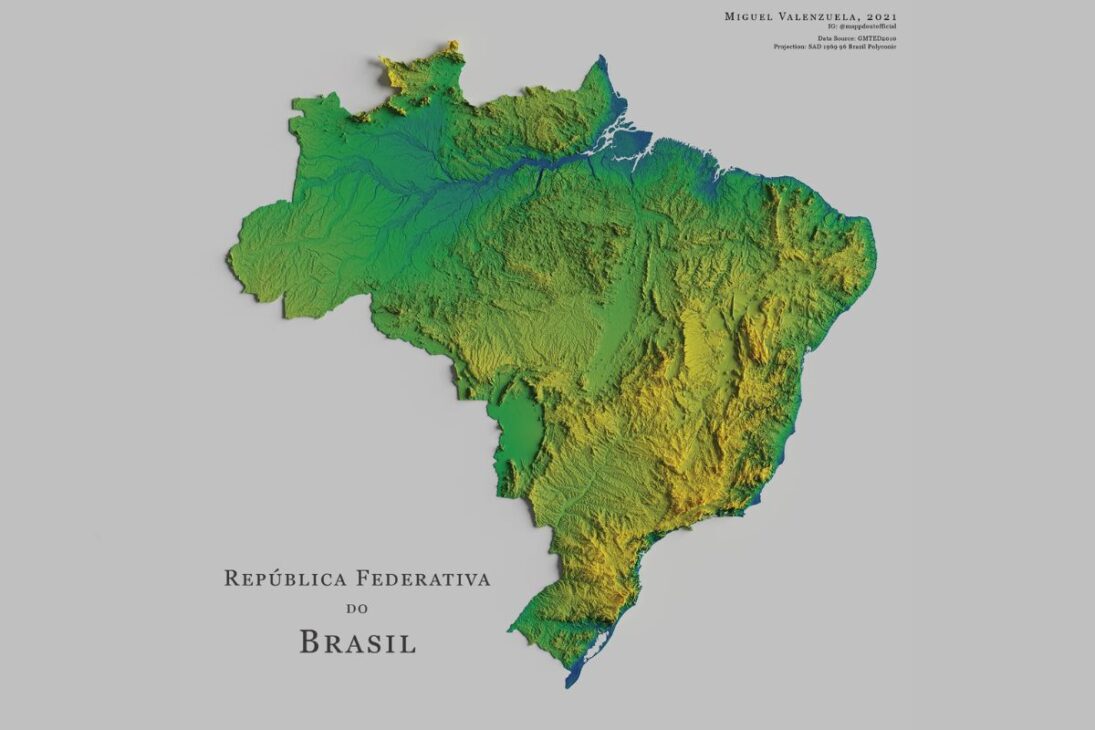
Brasília was built on a watershed of the Central Plateau, between springs that feed three major South American river basins.
-
Spain surprises the world by erecting 62 artificial dunes, mixing sand with natural remains of posidonia, and causing the structure to lose only 1.4% of its volume in 1 year.

-
With 16 Bulava missiles, improvements in acoustic stealth, and a design focused on silent patrols, Russia’s nuclear submarine was born to ensure Moscow’s invisible retaliation and has become one of the pillars of its maritime strength.

-
‘Populous’ city in Rio among the worst in Brazil in national ranking and exposes silent development crisis.
-
Couple buys house in the South Zone of São Paulo, opens a hidden door in the garage, and finds a secret wine cellar with dozens of old wines forgotten since the 1970s.

This geographical position explains the elevated topographic level and the reduced direct influence of humid air masses from the coast.
The highest capital in Brazil is not a coincidence: it resulted from a strategic decision to decentralize power and occupy the territory.
The average altitude, which is around 1,172 meters, places Brasília above other elevated capitals such as Curitiba, Belo Horizonte, and Goiânia.
This difference is reflected in the daily thermal dynamics and the sensation of thinner, drier air, particularly noticeable for those arriving from regions close to sea level.
Plateau Climate: Severe Dryness, Clear Skies, and Thermal Amplitude
At the height of the drought, humidity can plummet to levels typical of deserts, requiring simple and effective health precautions: frequent hydration, use of humidifiers, and attention to eyes and respiratory tracts.
The highest capital in Brazil combines altitude and dry air, which intensifies the sensation of thirst and skin dryness.
The combination of wide skies, low humidity, and relatively lower pollution favors an iconic visual. It is no wonder that the “Brasília sky” is part of the city’s identity.
In practice, dry air increases the thermal amplitude: afternoons that can be hot during the dry period and significantly cooler nights, especially between May and August.
Extremes in Numbers: From Historic Cold to Record Heat
Altitude does not prevent episodes of intense heat when warm air masses dominate the Midwest.
In October 2024, the city recorded 37.8 °C, one of the historical peaks. At the other extreme, in May 2022, 1.4 °C became a recent memory as one of the coldest moments in the capital.
These extremes are amplified by the typical atmospheric circulation of the plateau, which facilitates radiative losses at night and elevated maxima during dry afternoons.
For the population, the challenge is to adapt routines: reinforced sun protection during the day and warm clothing at night, as well as attention to sensitive groups, such as children and the elderly.
Effects on the Body and Daily Life: Altitude, Radiation, and Health
Altitudes around 1,200 meters can generate perception of quicker fatigue in physical activities for newcomers.
Nothing pathological for healthy people, but the body takes a few days to adjust breathing and hydration.
The thinner atmosphere also increases UV radiation incidence, requiring more regular use of sunscreen, sunglasses, and hats.
During the dry season, respiratory diseases tend to worsen for those already with allergies, rhinitis, or asthma.
Simple strategies such as increasing water intake, humidifying environments, and ventilating the house during cooler hours help mitigate discomfort and reduce crises.
Urban Planning and Cerrado: The Landscape That Shaped the Capital
The altitude and the Cerrado biome form the backdrop for modernist urban planning.
The highest capital in Brazil was designed to interact with the open horizon, twisted vegetation, and intense light of the plateau.
Urban parks and conservation areas support ecological corridors and regulate the microclimate, alleviating heat islands.
This urban design favors outdoor activities throughout the year but requires careful management during the dry season, with reforestation for shade, less absorbent pavements, and water capture strategies, essential for maintaining quality of life and environmental resilience.
Brasília and the Altitude Ranking: National Context
In comparison among capitals, Brasília leads in altitude. Curitiba, Belo Horizonte, and Goiânia also stand out but fall below the Brasília mark.
Most Brazilian capitals are coastal, near sea level, which explains more humid climates and lower daily thermal amplitudes compared to the Central Plateau.
This geographical difference helps understand why the highest capital in Brazil concentrates a distinct climatic calendar, with a long dry season, rapid transition to the rainy period in spring, and less humid summers than many coastal capitals, despite episodes of notable heat.
The highest capital in Brazil is an open-air laboratory of plateau climate: an altitude of 1,172 meters, seasonally very low humidity, sky of great visibility, and thermal extremes that require attention and adaptation.
This combination shapes architecture, habits, public health, and urban policies, and explains the uniqueness of Brasília in the national climatic map.
For you, does living in a capital at 1,172 meters compensate for the quality of the sky and cool nights, or does the severe dryness weigh more in daily life?? Let us know in the comments how altitude influences your routine, what precautions you take during the dry spell, and which urban solutions should gain priority.







Fui morar em Brasília vindo do Rio de Janeiro, senti muito a diferença climática. Acho que Brasília deveria ter chafarizes em vários pontos da cidade, tipo do Parque Ibirapuera de São Paulo. Isso amenizaria o clima seco. No mais Brasília é uma cidade muito bonita e com um céu maravilhoso.