





 Portuguese
  English
  Spanish
  3 min of reading
  0 comments


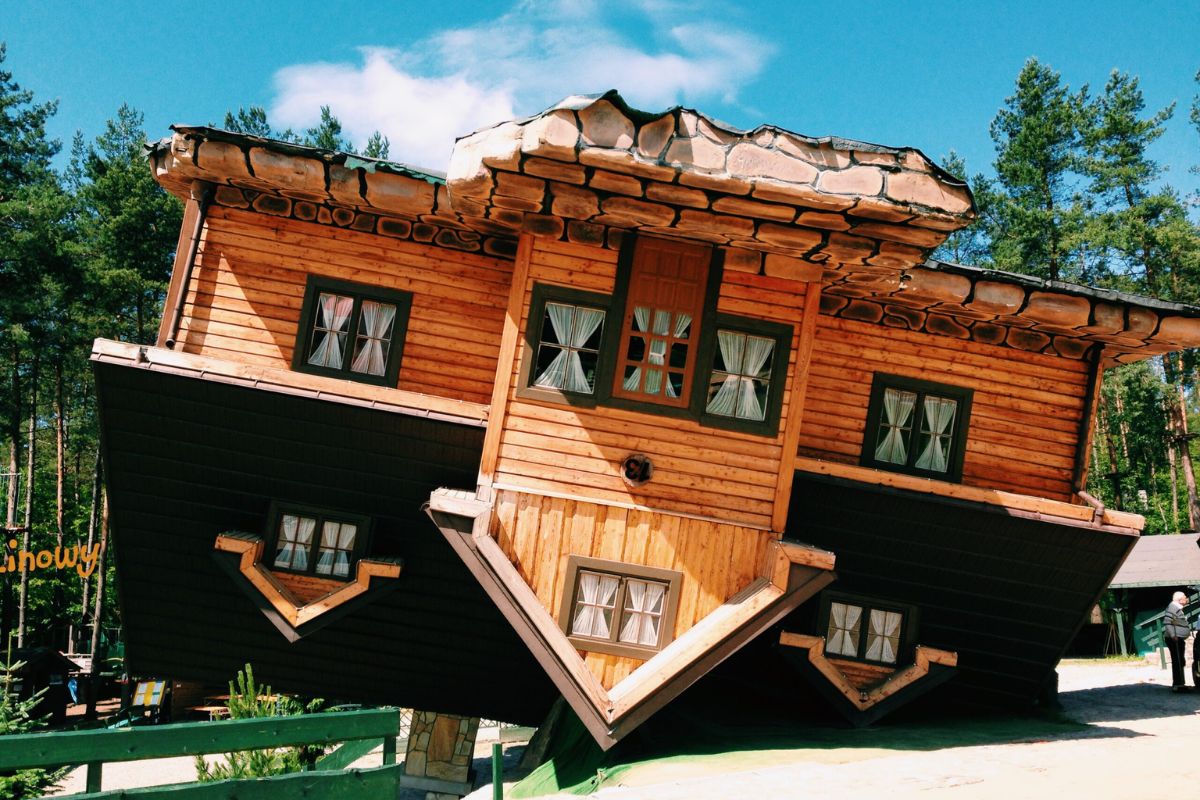
Explore The Famous Upside Down House In Szymbark, Its Powerful Political Symbolism And The Disorienting Experience It Offers, Besides A Tour Of Other Amazing Global Inverted Attractions.
There is a human fascination with constructions that subvert our expectations, especially those that seem to defy gravity. The upside down house (“Dom do Góry Nogami”) in Szymbark, Poland, is an emblematic example, attracting tourists and curious visitors with its unusual architecture and profound meaning.
This article delves into the history of the upside down house in Szymbark. We will explore its design, symbolism, and the experience it provides. We will also take a tour of other inverted structures around the world, analyzing the appeal and science behind these unique buildings.
The “Dom do Góry Nogami” In Szymbark: An Upside Down House With Deep Political And Social Meaning
The upside down house in Szymbark was designed by Daniel Czapiewski, a Polish entrepreneur and philanthropist. Built in 2007, it is an allegory of the modern world and, mainly, of Poland under the communist regime, a system that, according to Czapiewski, “turned everything upside down”.
-
Rigid bags with their days numbered: new trend prioritizes comfort in 2026.

-
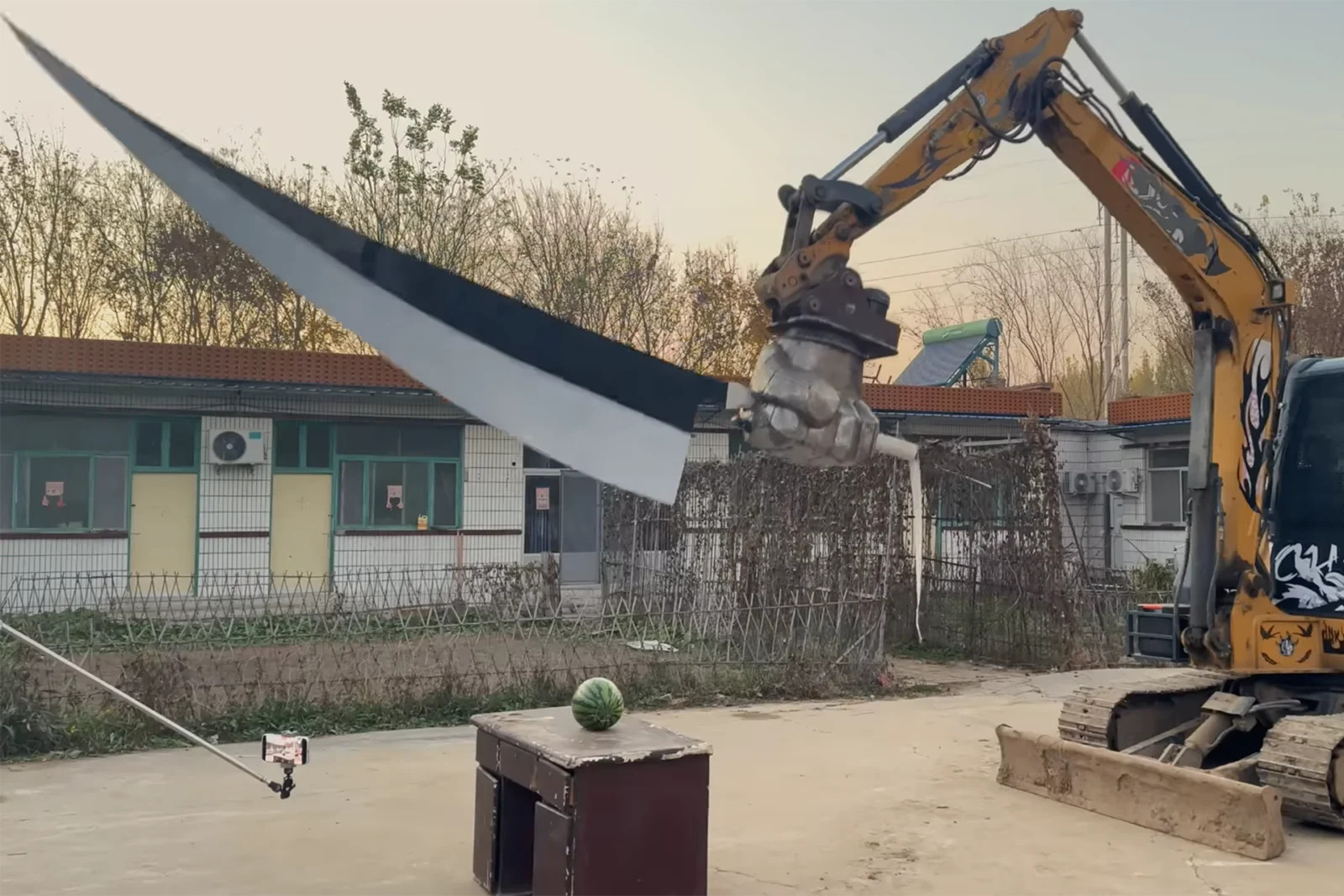
YouTuber creates an excavator equipped with a giant 4.5-meter sword to challenge his brother to a rematch, and the invention quickly goes viral on social media.
-
The U.S. Army surprises the world by presenting the UH-60MX Black Hawk helicopter capable of flying without pilots, controlled by a tablet, featuring the MATRIX system, smart sensors, and full autonomy in real combat and rescue missions.

-
Heineken’s factory in Brazil produces 300 million beer cans in just 4 months, reaches 1 million hectoliters, received R$ 2.5 billion, and is already projecting an annual capacity of 5 million with sustainable technology.


The design is of a traditional wooden house from Kashubia, but literally set on the roof and built with a tilt. Inside, everything is inverted: furniture, pictures, and objects are fixed to the ceilings, and visitors walk on what would be the ceiling. The decor is reminiscent of the socialist style of the 1970s, with objects and propaganda from the era, intensifying the political message. The construction was challenging, taking five times longer than a conventional house. The house is a key attraction of the Regional Education and Promotion Center (CEPR) in Szymbark.
The Unique Sensory Experience
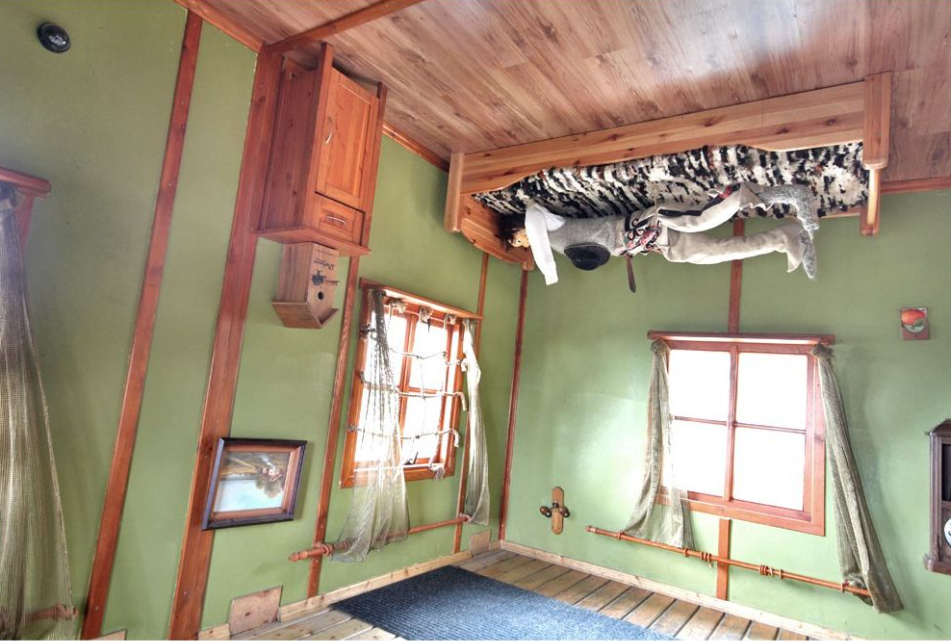
Entering the upside down house in Szymbark is an impactful experience. Visitors access through an attic window and walk on the ceilings. The structure is designed to induce vertigo. Many report dizziness due to the unusual perspective and the tilt of the house.
Science explains this disorientation. The brain receives conflicting information from the visual system, the vestibular system (balance), and proprioception (body position). This mismatch, predicted by the Sensory Conflict Theory, causes discomfort. The physical disorientation is intentional, making visitors more receptive to the symbolic messages and enhancing the memorability of the visit.
A Tour Of Other Upside Down Houses And Intriguing Structures
The upside down house in Szymbark is not unique. Several inverted structures exist around the world:
Die Welt Steht Kopf (Germany): Opened in 2008 by Polish architects, it offers a fully inverted and tilted experience for tourism.
WonderWorks (USA): With an inverted facade, it proposes “edutainment” (education + entertainment). After a “reverse tunnel”, the internal exhibits are mostly conventional.
The Upside Down Amsterdam (Netherlands): An immersive experience museum designed for social media content creation, with multiple themed inverted rooms.
Art Installations: “Device to Root Out Evil” (upside down church sculpture) and “House Attack” (house embedded in a museum facade) use inversion for symbolic impact.
Other Examples: Include the House of Katmandu (Spain), Tagurpidi Maja (Estonia), and the Upside Down Cabin of the Old School House Museum (USA).
The Psychological, Cultural Appeal And The Future Of Upside Down Architecture
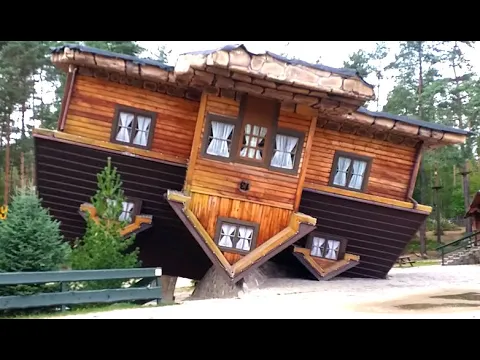

Experts in psychology and architecture analyze that the appeal of these structures lies in several factors. Upside down houses challenge our mental models of how environments are structured, forcing a different processing of spatial information. The discomfort and disorientation can be seen as a form of “controlled chaos”, a temporary and safe suspension of the rules of perception.
The phenomenon is also linked to novelty tourism and the “experience economy”. The “Instagrammable” nature of these attractions is a great allure, with visitors becoming promoters by sharing their photos and videos. Experts predict that these architectural novelties will become more technologically sophisticated, with an increasing emphasis on immersive and highly shareable experiences, blurring the line between architectural attraction and interactive art installation.






Seja o primeiro a reagir!