





 Portuguese
  English
  Spanish
  4 min of reading
  2 comments


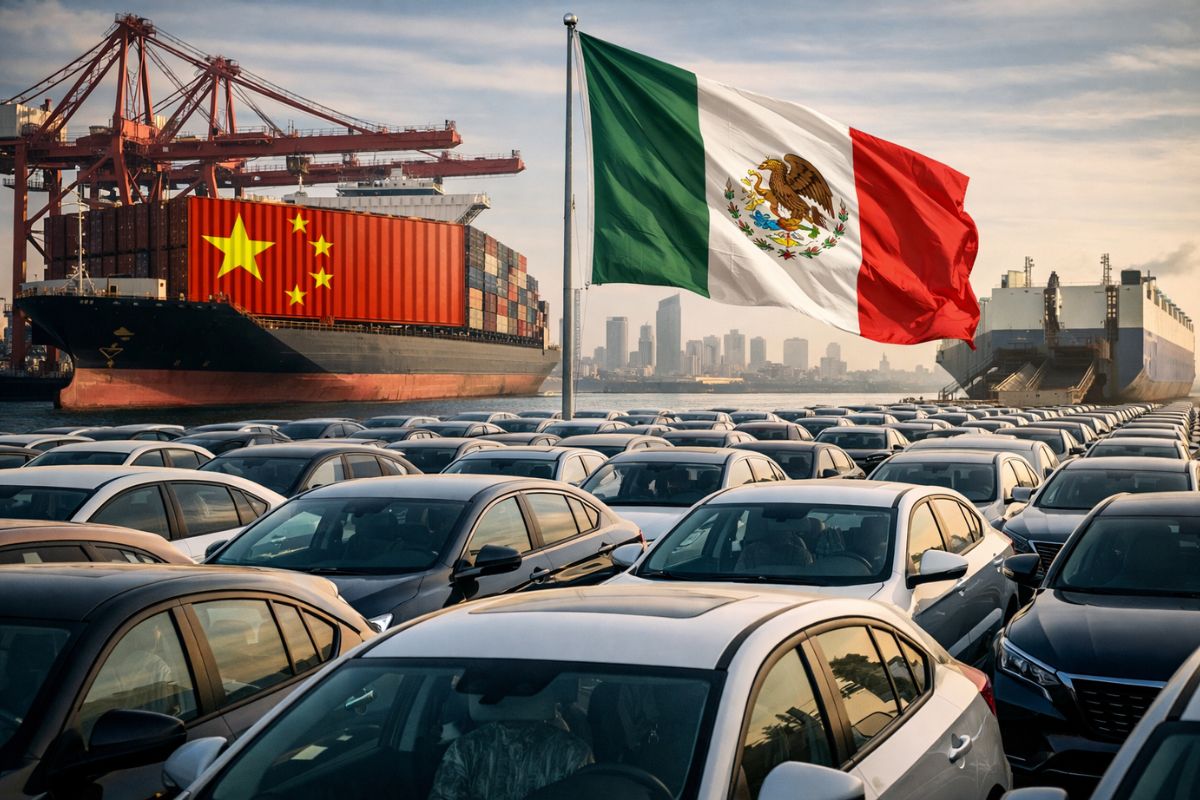


In 2025, Mexico Became for the First Time the Largest Destination for Cars Exported by China, Surpassing Russia and United Arab Emirates. The Asian Country Sent 8.32 Million Vehicles, Up 30%, Including 3.43 Million of New Energies, Up 70%, While Gasoline Fell to 43% of the Annual Total.
Mexico Became the Leading Destination for Cars Exported by China and, for the First Time, Surpassed Russia and United Arab Emirates. The Turn Coincides with a Jump in Chinese Exports, Which Reached 8.32 Million Vehicles, a Growth of 30% Compared to the Previous Year, According to Figures Released by Car News China.
Within this volume, new energy vehicles Gained Even More Traction: There Were 3.43 Million, Up 70% Year-on-Year, a Growth Rate Well Above the 16% Recorded in 2024, According to the Chinese Association of Passenger Cars. The Result is Already Apparent on Mexican Streets, with More Chinese Models Circulating and Reshaping the Market.
Mexico Takes the Lead in Chinese Car Exports
In 2025, the Three Main Countries to Which China Exported Vehicles Were Mexico, Russia, and United Arab Emirates, with Mexico in First Place. Neither Russia nor United Arab Emirates Were at the Top This Time, Marking a Relevant Change in the Hierarchy of Destinations.
-
BRICS is building its own payment system that could be operational by 2030, and experts say it could increase trade between the countries by up to 10% per year and add 3% to the GDP of each member of the bloc.

-
Government suspends over 3 million traffic fines in Brazil and drivers breathe a sigh of relief.

-
Iran has just approved toll charges for ships in the Strait of Hormuz and has completely prohibited the passage of vessels from the United States and Israel in the world’s most important maritime route for the global energy market.

-
Government cancels R$ 25 million “celebration” for Brasília’s anniversary and allocates funds to health.


This Movement Was Not Just a Statistical Detail. It Signals That Mexico has Started Absorbing More Chinese Cars than Any Other Country Throughout the Year, Opening a New Center of Gravity for China’s Export Strategy.
The Leap of 8.32 Million and the Surge of New Energy Vehicles
The Data Show 8.32 Million Vehicles Exported by China, with an Increase of 30% Compared to the Previous Year. Within this Total, 3.43 Million Were New Energy Vehicles, Up 70%, Indicating That The Expansion is Not Concentrated Solely on Gasoline Cars.
This Performance Reinforces That the Growth of the New Energy Segment is Driving the Overall Export Rate. At the Same Time, the Comparison with 2024 is Striking: The 70% Rate Clearly Surpasses the 16% Mentioned for the Previous Year, Indicating Acceleration.
How the List of Destinations Changed from 2023 to 2025
Looking Back, from 2023 to 2024, the Main Export Markets for Chinese Vehicles Were Russia, Mexico, Belgium, Australia, Saudi Arabia, and the United Kingdom. More Recently, Australia, United Arab Emirates, and the United Kingdom Have Shown Stronger Performance in This Landscape of Destinations.
However, in 2025, Mexico Ascended to First Place and Increased Its Imports, Surpassing United Arab Emirates. The Detail That Helps Understand the Competition is That United Arab Emirates Regained First Place in December, While Mexico Led the Year, Showing That the Top Spot Can Fluctuate Month to Month.
Electrics Rise, Hybrids Gain Ground, and Gasoline Loses Strength
In the Composition of Chinese Exports of New Energy Vehicles, Electric Cars Represented 28% of Total Exports, Up 2% Compared to the Previous Year. Plug-in Hybrid Vehicles Accounted for 13%, with an Increase of 8%, and Conventional Hybrids Represented 6%, Also with an Increase of 2%.
On the Other Hand, Conventional Gasoline Vehicles Represented 43% of the Total, a Decrease of 11% Compared to the Previous Year. In Practice, This Shows a Gradual Shift in the Power of Gasoline Cars, While Electrics and Hybrids Are Gaining Share in Exports.
Who Buys the Most New Energy Vehicles from China
Belgium Was the Largest Importer of New Energy Vehicles from China, Followed by the United Kingdom and Mexico. In Addition to These, Thailand, Indonesia, and India Also Appeared Among the Top 10 Importers of These Vehicles to China, Even Though They Did Not Feature Among the Top 10 Importers of Vehicles Overall.
This Breakdown Highlights Two Dynamics: One Is Who Buys the Most Cars in Total, and Another Is Who Drives Demand for New Energies. And Mexico Appears in Both Conversations, As a Leader in Overall Vehicles and as a Relevant Presence Among Importers of New Energies.
The Effect of US Tariffs on Export Pace Throughout 2025
The Behavior of the Year Was Not Linear. In January 2025, Export Growth Was Relatively Strong, But from February to April There Was Slow Performance, Attributed to the Impact of US Tariffs.
Afterward, Exports Recovered from May to November and Registered a Strong Increase in December. This Back and Forth Helps Explain How Mexico Leads the Year, While the Monthly Top Can Change, as Happened When United Arab Emirates Reclaimed First Place in December.
In Your Opinion, Does the Influx of Chinese Cars into Mexico Tend to Accelerate the Switch from Gasoline to Electrics, or Will the Mexican Market Hold This Shift off for Longer?









Não dá para enxergar que multinacionais em sua maioria europeia estão demandando essa exportação. Pois hoje a china se assemelha a europa de séculos atraz. Falta mais qualidade nas notícias em sua maioria geradas pelos mesmos de sempre.
É ISSO AÍ. QUE CONTINUE ASSIM.