





 Portuguese
  English
  Spanish
  5 min of reading
  1 comment


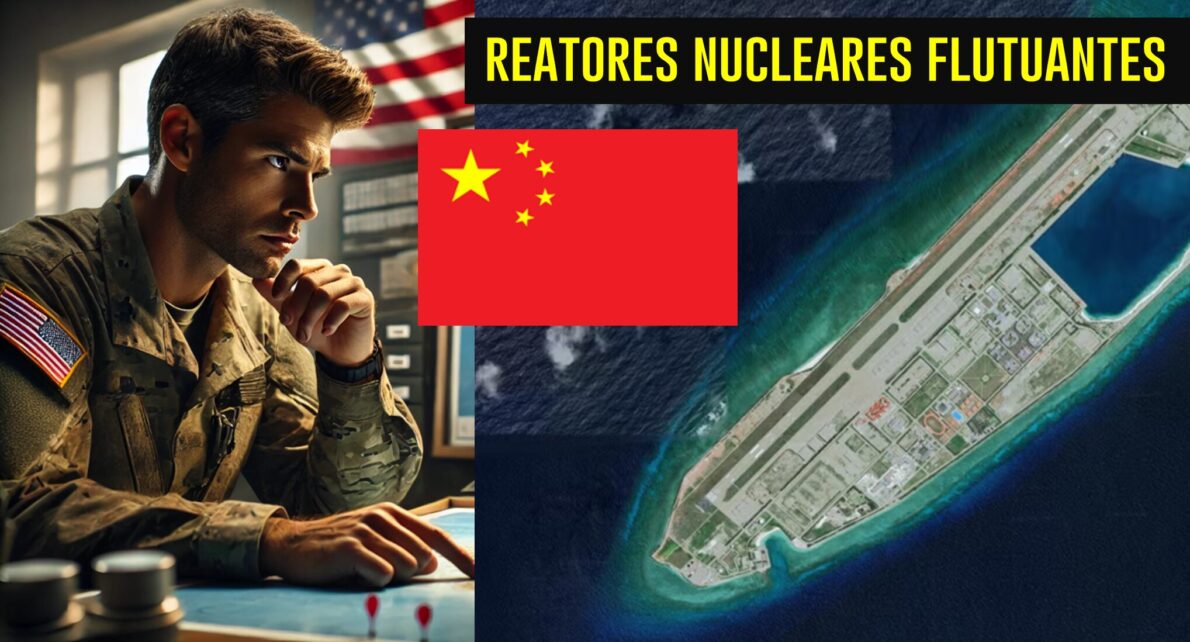

A “Unsinkable” Aircraft Carrier From China Is Generating Concerns In The United States, Being Considered A Direct Threat To American Naval Supremacy
After more than a decade of research, China is developing an ambitious project that has caused unrest among world powers, especially the United States: the construction of floating nuclear reactors on artificial islands in the disputed South China Sea.
Although the project may have commercial purposes, such as supporting oil exploration and providing energy to remote areas, the military intentions behind these reactors are becoming increasingly evident.
Since 2016, China has not concealed its intentions that the nuclear platforms, in addition to their civil utility, will also be of great military advantage.
-
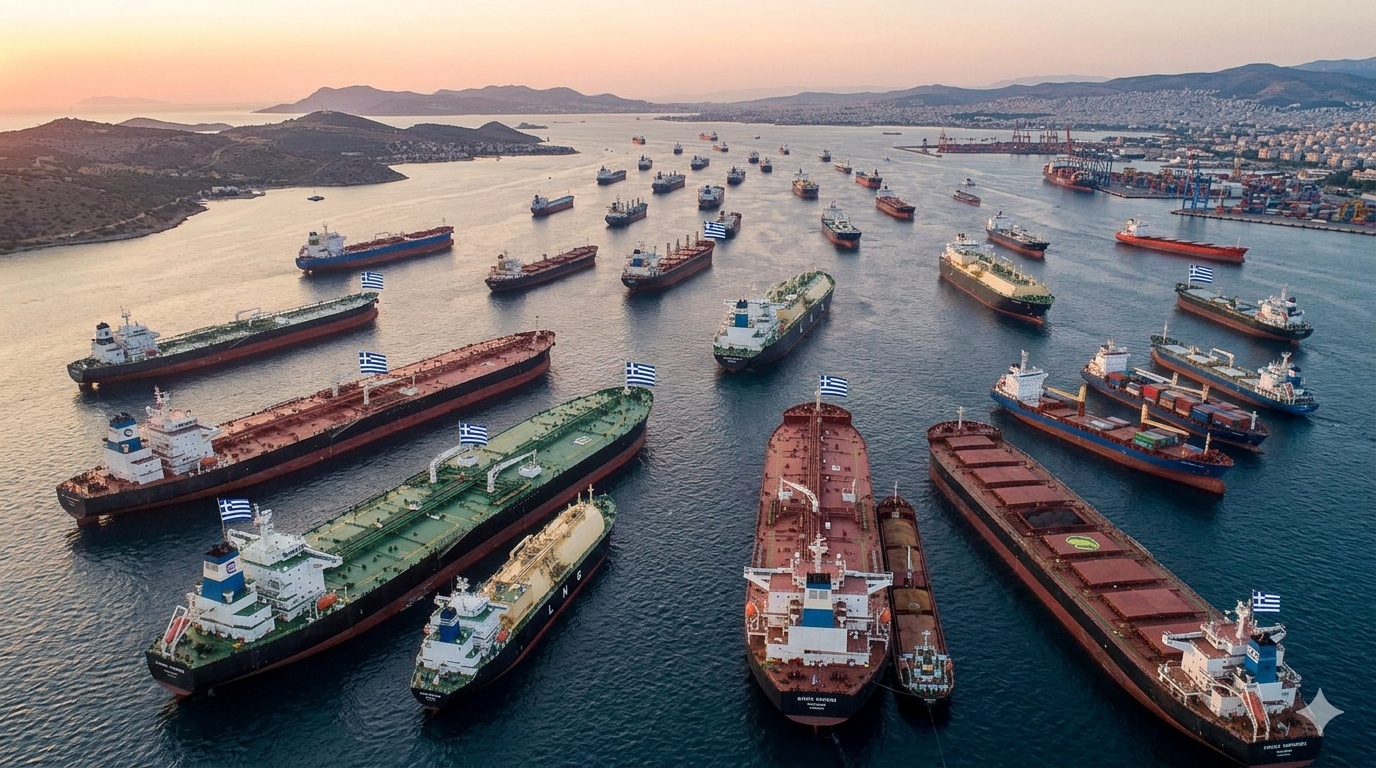
Neither the USA nor China: a small European nation has become one of the largest maritime powers on the planet, controlling one of the largest merchant fleets in the world with thousands of ships and dominating the global transportation of oil and strategic cargo.
-
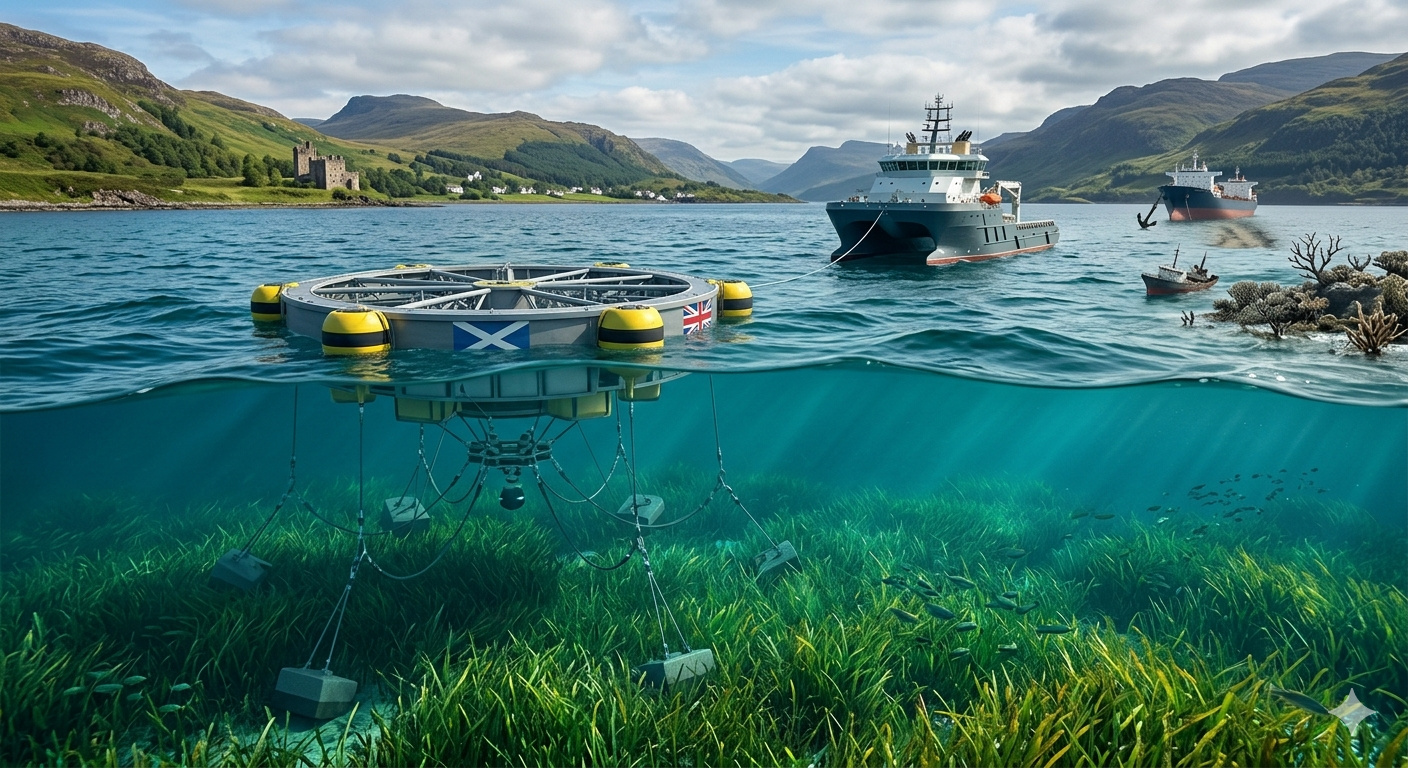
Scotland and the United Kingdom have created a new anchoring system that floats in the water without touching the seabed, after discovering that the current from a conventional anchor destroys up to 50 m² of seagrass meadow per event and that ship-damaged reefs showed no signs of recovery even ten years later.
-
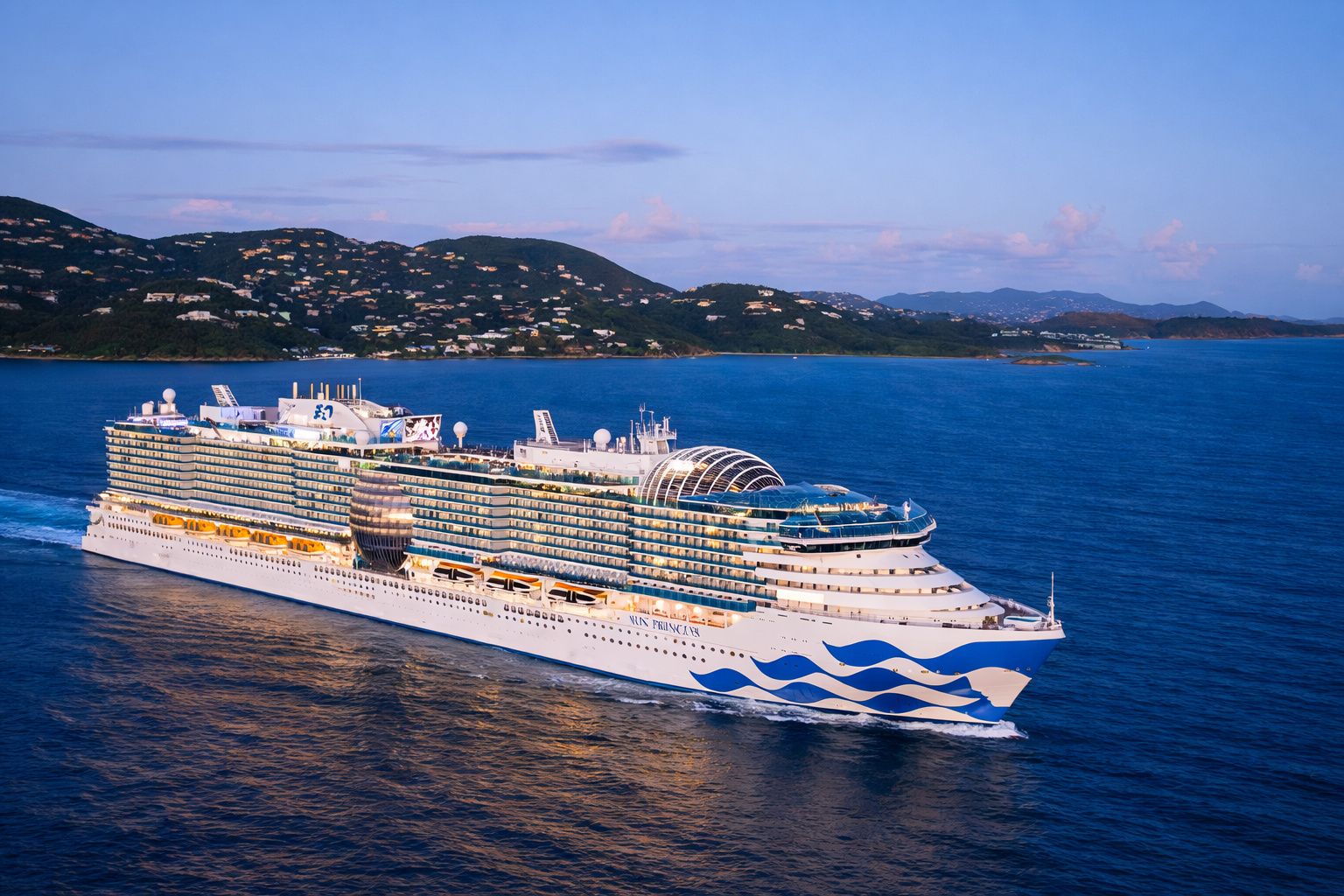
Weighing 175,500 Tons, Measuring 345 Meters Long, and With Capacity for Over 4,300 Passengers, the Sun Princess Becomes the Largest Ship Ever Built by Princess Cruises and Attracts Global Attention for Its Huge Glass Dome Inspired by Santorini’s Architecture Installed on Top of the Vessel
-
TX-10, The Colossus of The Sea: Largest Lifter Ship in The U.S., With Two Giant Barges, 73-Meter Tall Structure, and Strength to Raise 7,500 Tons of Sunken Oil Rigs

In statements made by the National Nuclear Safety Administration of China, an artificial island with a nuclear platform would be “equivalent to a nuclear-powered aircraft carrier”.
Equipped with combat aircraft and missile systems, this new type of military infrastructure would, according to the Chinese government, have far greater superiority than the long-range aircraft carrier fleet of the United States.
This claim may seem exaggerated to some, but defense experts recognize the seriousness of the situation.
Robert Bunker, Ph.D. from the strategic consulting firm C/O Futures, points out that China’s ability to maintain a prolonged military presence with a continuous energy source is a considerable advantage. “Having an endless energy source on a small artificial island gives the Chinese military a significant advantage”, he said. Indeed, these floating reactors as a kind of aircraft carrier represent a new and clear threat to the United States and other nations.
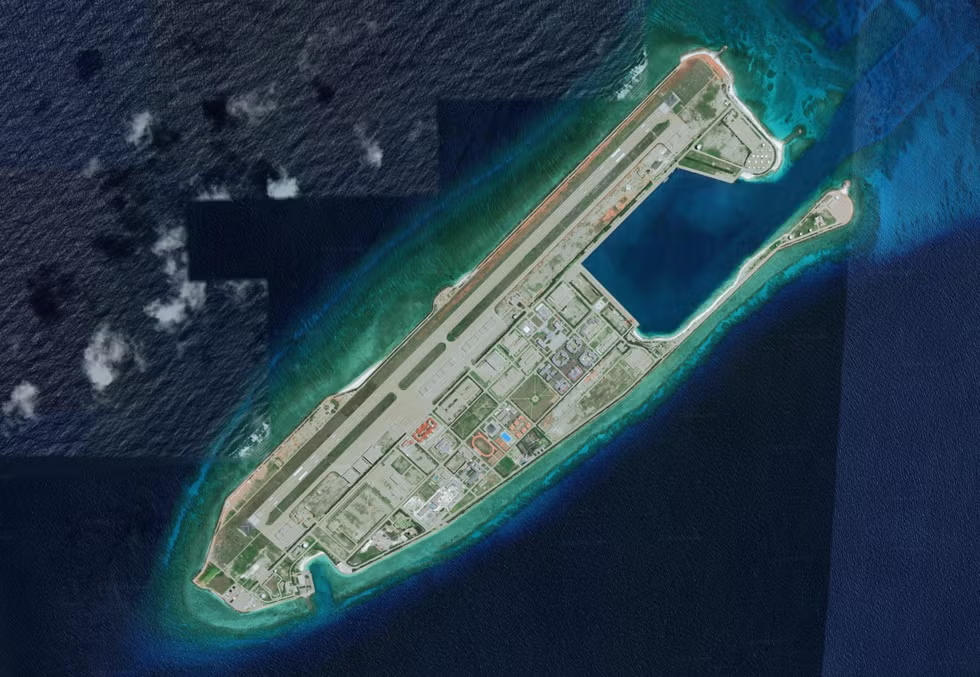
The Dispute In The South China Sea
The South China Sea is an extremely contested region. China, along with other nations such as Vietnam, Malaysia, the Philippines, Taiwan, and Indonesia, claims parts of the territory.
However, China’s ambitions stand out for their scale. In 2009, the People’s Republic of China claimed about 90% of the South China Sea, a position it maintains to this day, despite international criticism and protests.
In recent years, China has intensified its militarization of the region, building artificial islands and installing military bases on them. Starting in 2014, using giant dredgers, the country expanded existing islands and created new structures.
Although initially, Beijing claimed these new islands would be for civil use, this promise was quickly broken, giving way to an increasing military infrastructure, including radars, missiles, and runways for aircraft.
Tensions have increased considerably in recent years. Chinese aircraft frequently fly dangerously close to military aircraft from the United States, Australia, and other countries, provoking incidents that, according to Gregory Poling, an expert in South China Sea from the Center for Strategic and International Studies, are part of a deliberate strategy.
“The Pentagon was reporting a record number of unsafe aircraft intercepts by China”, Poling stated, highlighting that the increase in incidents raises the chances of an “accidental” collision that could lead to military escalation.
At sea, the situation is no less tense. China has harassed Philippine fishing vessels using water cannons, lasers, and dangerous maneuvers, resulting in some cases in collisions. Poling warns that a fatal incident could be the spark China needs to justify more aggressive military action in the region.
Floating Nuclear Reactors
The introduction of floating nuclear reactors in the South China Sea adds a new element to the conflict. These reactors provide abundant energy for remote bases and are seen as a way to further consolidate China’s presence in the region.
Michael Bluck, Ph.D. and head of the Nuclear Research Group at Imperial College London, points out that while China is advancing with its floating reactor projects, Russia already has experience in this area with the Akademik Lomonosov, a floating reactor operating in the Arctic since 2019.
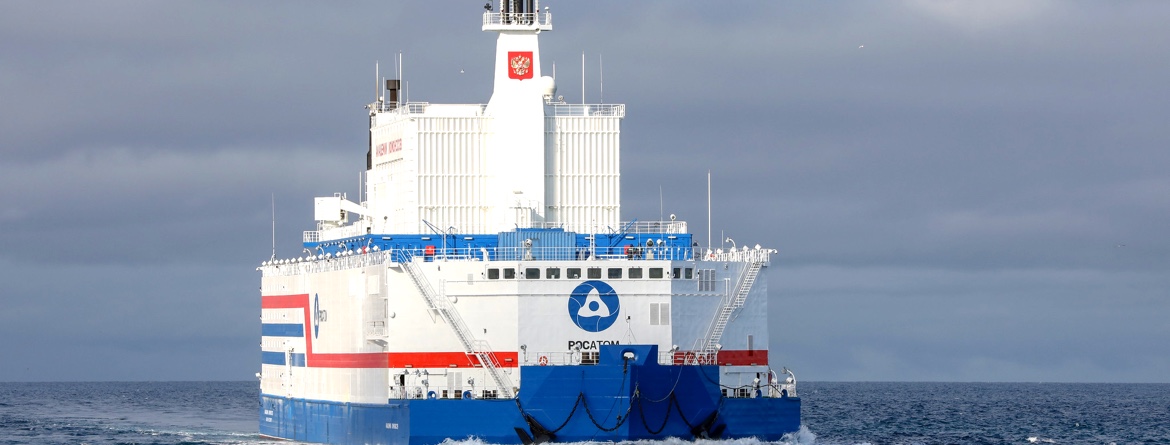
However, the new Chinese reactors, the prototypes ACPR50S and ACP100S, with capacities of 60 and 125 megawatts, respectively, represent a significant technological advancement. They use passive cooling systems, which reduce the risk of catastrophic failures and make the reactors safer compared to previous designs.
These plants are seen as an evolution in China’s military capabilities. Initially, they were designed to support oil exploration in the South China Sea, but their military use has not gone unnoticed.
In 2016, the Chinese government announced that these plants would provide energy to a series of military island bases, which would form the backbone of its operations in the region.
What makes these bases even more threatening is that, with nuclear power, they become self-sufficient.
Unlike other types of energy, such as solar or wind, which have limitations, or diesel generators, which require constant refueling, nuclear reactors ensure that these bases can operate indefinitely. This also allows these bases to power high-energy-demand systems, such as laser or microwave weapons, which could become essential in future wars.
Furthermore, the use of nuclear reactors as a power source creates a new type of challenge for potential attacks.
Any attack on a floating nuclear plant involves the risk of radioactive contamination, making attack decisions more complicated and, possibly, riskier for the United States and other powers.
Robert Bunker observes that “any attack on a nuclear plant means that the attacker has essentially ‘become nuclear’ from a media narrative perspective.”
Geopolitical Consequences And Future Implications Of Islands With Nuclear Reactors
Although the construction of floating reactors by China is still in development, its geopolitical implications are already being felt. The creation of these bases strengthens China’s position in the territorial dispute, consolidating control over the South China Sea.
Moreover, the introduction of nuclear technology in the region increases the likelihood of armed conflict, whether due to an incident with another nation or simply from rising tensions between global powers.
Another important aspect to consider is the economic impact that floating reactor technology could have. Just as China expanded its global presence through the construction of artificial islands and its fleet of dredges, floating reactors could become a valuable commodity in the international market.
Gregory Poling highlights that “disaster assistance is an obvious use case” for these reactors, which could be utilized to provide temporary energy in areas affected by natural disasters.
While the civil use of floating reactors is beneficial for China, the military aspect is what concerns Western powers.
As tensions increase in the South China Sea, the construction of fortified military bases with nuclear energy further raises the political temperature in the region. The escalation of this conflict seems inevitable, and the international community is waiting to see how the United States and its allies will respond to the new challenge presented by China.










Alguém já vou avião Chinês/Russo/Norte Coreano fazendo exercícios próximos a Florida ou Califórnia? Sabe, naturalizados o fato de que qualquer país fora do G7, que demonstre expansão regional é tratado como causador de tensões. Quando é exatamente o contrário. “Aeronaves chinesas fazem manobras e quase colidem com estadunidenses e australianos”. O que esses caras que ficam a milhares de km’s de distância do mar do sul da China, fazem por lá? Se não criar tensões e fazer pressão política na China?